Alpha Lipoic Acid For Neuropathy
Neuropathy affects millions of individuals throughout the globe. It is especially frequent in those with diabetes, metabolic disorders, autoimmune illnesses and age-related nerve degeneration. Symptoms usually develop gradually. Many patients initially experience tingling, numbness or burning sensations in their feet and hands. Over time, these symptoms may get worse and interfere with regular tasks.
As nerve health becomes more and more recognised,Alpha-lipoic acid (ALA) has emerged as one of the most talked nutrients for neuropathy support. Scientists have been studying this natural antioxidant for years. It has been studied in clinical studies for its possible effects on nerve function, oxidative stress, inflammation, and symptoms of diabetic neuropathy.
Still, there are critical concerns that many consumers and product creators have. Alpha-lipoic acid for neuropathy – Does it really work? What does the research tell us? How much to be used? Any restrictions?
This handbook reviews the existing data and discusses how alpha lipoic acid may enhance nerve health, while offering practical ideas for supplement producers and formulation teams.

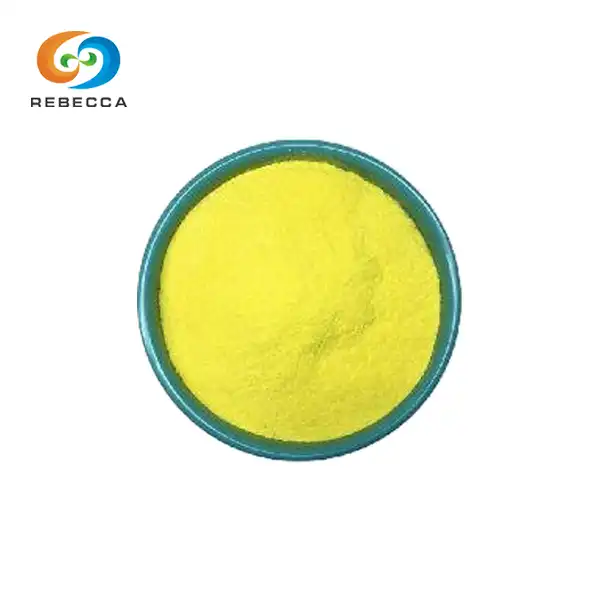
Product Name:alpha lipoic acid
CAS No.:1077-28-7
Specification:99%
Test Method:HPLC
Appearance:Light yellow to yellow powder
Understanding Neuropathy and Why Oxidative Stress Matters
To understand why alpha lipoic acid has attracted so much attention, it is important to first understand what causes neuropathy and how nerve damage develops.
What Is Neuropathy?
Neuropathy means peripheral nerve system injury. The peripheral nerves are the nerves that link the brain and spinal cord to the rest of the body. They are important for movement, sensation and involuntary bodily activities.
When these nerves are injured, communication between the nervous system and the body breaks down. This may cause a variety of symptoms.
Common symptoms include:
· Numbness in the feet or hands
· Tingling sensations
· Burning pain
· Muscle weakness
· Sensitivity to touch
· Difficulty maintaining balance
· Reduced coordination
Neuropathy can develop for many reasons. Diabetes remains the leading cause. Other contributing factors include vitamin deficiencies, alcohol misuse, infections, autoimmune disorders, chemotherapy treatments, and long-term inflammation.
How Nerve Damage Develops?
Nerve damage rarely happens overnight. In many cases, it develops gradually over several years.
One of the major drivers is oxidative stress. This occurs when free radicals accumulate faster than the body's natural antioxidant systems can neutralize them.
Excessive oxidative stress may damage:
· Nerve cell membranes
· Mitochondria
· Blood vessels supplying nerves
· Cellular proteins
· DNA structures
As damage accumulates, nerve signaling becomes less efficient. Symptoms often become more noticeable and more difficult to manage.
Why Researchers Focus on Antioxidants?
Since oxidative stress is important in the evolution of neuropathy, scientists have been investigating antioxidant therapy for a long time. The aim is straightforward. Cut down on oxidative damage. Protect nerve cells. Support regular cell healing processes. From the various antioxidants researched, alpha lipoic acid powder has emerged as one of the most promising, owing to its unique biological features.
It is crucial to understand the processes at work. But efficacy is not determined only by biological theory. Next issue is whether alpha lipoic acid provide quantifiable effects in human trials.

How Alpha Lipoic Acid May Support Neuropathy?
Unique Antioxidant Activity
There are a number of traditional antioxidants that vary from alpha lipoic acid. Aqueous or lipophilic environments are the primary domains of action for the majority of antioxidants. Both of these processes rely on alpha lipoic acid. Because of this, it may provide protection all over the body. It has the ability to cross cell membranes and access regions where other antioxidants may not be able to since it is dual soluble. Scientists often call ALA a "universal antioxidant" due in part to this quality.
Supporting Mitochondrial Function
A great deal of power is required for nerve function. One component of mitochondrial energy metabolism is alpha lipoic acid. The mitochondria are referred regarded as the cell's "powerhouses" due to their role in generating ATP, the biological energy currency. Optimal mitochondrial function enables signal transduction in neurones, cellular homeostasis, and tissue repair. By participating in several processes of metabolism, ALA may help brain tissues acquire the energy they need.
Regeneration of Other Antioxidants
One of the most interesting features of alpha lipoic acid is its ability to help regenerate other antioxidants.
Research suggests that ALA can help restore:
· Vitamin C
· Vitamin E
· Glutathione
· Coenzyme Q10
This creates a broader antioxidant network within the body rather than relying on a single protective mechanism.
Supporting Healthy Blood Flow
Nerves need a steady supply of oxygen and nutrients. People with diabetic neuropathy also tend to have poor circulation.
Research suggests that alpha lipoic acid powder may benefit endothelial function and nitric oxide activity. These effects may contribute to the improvement of the microcirculation and supply of nutrients to the peripheral neurones. One of the main components of the possible advantages of ALA is this vascular support although additional study required.
Mechanisms are crucial, but health care providers and consumers want to know if these biological impacts translate into relevant real-world outcomes.

Clinical Evidence and Dosage Considerations
What Human Studies Have Reported?
Several clinical studies have investigated alpha lipoic acid for diabetic peripheral neuropathy.
Researchers have evaluated symptoms such as:
· Pain
· Burning sensations
· Tingling
· Numbness
· Sensory impairment
Improvements in symptom ratings relative to placebo groups have been found in many studies. There have been studies that have shown improvements in nerve conduction parameters as well.
The results of trials on alpha lipoic acid for neuropathic pain symptoms are mixed, although the available data shows it may help some people.
Common Dosages Used in Research
Most clinical investigations have used daily doses ranging from 600 mg to 1800 mg.
Among these, 600 mg per day remains one of the most frequently studied dosages.
Formulators often consider several factors when determining dosage levels:
· Target consumer demographics
· Intended health claims
· Delivery format
· Regional regulations
· Combination ingredient strategy
Limitations of Current Research
A balanced discussion should also acknowledge limitations.
Alpha lipoic acid is not a cure for neuropathy.
Results vary significantly between individuals.
Several variables influence outcomes:
· Severity of nerve damage
· Duration of supplementation
· Underlying metabolic health
· Lifestyle factors
· Product quality
Various studies have shown varying degrees of benefit. Optimal dosage techniques and long-term efficacy are still the subject of active investigation.
Safety Considerations
Alpha lipoic acid powder is usually well tolerated when taken as directed. Most adverse effects are moderate and may include stomach pain, nausea, or headaches in sensitive people. ALA may affect glucose metabolism, therefore if you’re using blood sugar lowering drugs, see your healthcare professional before taking ALA.
For supplement brands and manufacturers, clinical efficacy is only part of the equation. Product quality and formulation selections are also important factors for the performance of the finished product.

FAQ
How long does alpha lipoic acid take to work for neuropathy?
While some people may see results after only a few weeks of taking the supplement regularly, others may need more time. The level of health and extent of nerve injury determine the outcome.
What dosage is most commonly studied?
Many clinical studies investigating neuropathy have used approximately 600 mg per day, making it one of the most frequently researched dosages.
Can alpha lipoic acid reverse nerve damage?
Alpha lipoic acid may aid in promoting nerve health and alleviating certain symptoms, according to current research. On the other hand, you shouldn't count on it to fix already-done nerve damage.
Can alpha lipoic acid be combined with other nerve health ingredients?
Yes. It is commonly formulated alongside B vitamins, benfotiamine, acetyl-L-carnitine, magnesium, and other supportive nutrients that target complementary pathways involved in nerve function.
What should manufacturers consider when sourcing alpha lipoic acid powder?
Manufacturers should prioritize purity, regulatory documentation, testing standards, production consistency, traceability systems, and supplier quality certifications to ensure reliable product performance.
Partner with Rebecca for Premium Alpha Lipoic Acid Powder Supply
Shaanxi Rebecca is your reliable producer of alpha lipoic acid powder, providing pharmaceutical-grade components supported by complete quality assurance and technological competence. Our ALA powder is 99% pure (CAS No. 1077-28-7) as confirmed by thorough HPLC testing. It is suitable for the tough standards of pharmaceutical R&D teams, health supplement companies and foreign distributors. We are GMP, ISO 22000 and HACCP certified to ensure batch-to-batch uniformity and regulatory compliance in worldwide markets. We can reliably scale up supply with an annual production capacity of over 500 metric tonnes. Our professional R&D team can help guide formulation, give stability testing assistance and provide customised solutions to meet your product development objectives. If you would like to discuss your alpha lipoic acid powder needs, request detailed technical specifications and learn how our end-to-end quality control systems can improve your supply chain reliability and speed up your product innovation timelines, please contact our procurement specialists at information@sxrebecca.com.
References
1. Ziegler D, Nowak H, Kempler P, Vargha P, Low PA. "Treatment of symptomatic diabetic polyneuropathy with the antioxidant alpha-lipoic acid: a meta-analysis." Diabetic Medicine, 2004, 21(2): 114-121.
2. Rochette L, Ghibu S, Muresan A, Vergely C. "Alpha-lipoic acid: molecular mechanisms and therapeutic potential in diabetes." Canadian Journal of Physiology and Pharmacology, 2015, 93(12): 1021-1027.
3. Shay KP, Moreau RF, Smith EJ, Smith AR, Hagen TM. "Alpha-lipoic acid as a dietary supplement: molecular mechanisms and therapeutic potential." Biochimica et Biophysica Acta, 2009, 1790(10): 1149-1160.
4. Han T, Bai J, Liu W, Hu Y. "A systematic review and meta-analysis of α-lipoic acid in the treatment of diabetic peripheral neuropathy." European Journal of Endocrinology, 2012, 167(4): 465-471.
5. Ziegler D, Ametov A, Barinov A, Dyck PJ, Gurieva I, Low PA, Munzel U, Yakhno N, Raz I, Novosadova M, Maus J, Samigullin R. "Oral treatment with alpha-lipoic acid improves symptomatic diabetic polyneuropathy: the SYDNEY 2 trial." Diabetes Care, 2006, 29(11): 2365-2370.
6. Packer L, Witt EH, Tritschler HJ. "Alpha-lipoic acid as a biological antioxidant." Free Radical Biology and Medicine, 1995, 19(2): 227-250.