Are freeze dried beetroot powder good for you?
Yes, freeze-dried beetroot powder is really excellent for you and offers a lot of health benefits. This concentrated superfood has practically all of the vitamins, minerals, and antioxidants that fresh beetroots provide. It is also easy to use and stays on the shelf longer. Freeze-drying maintains essential nutrients like betalains, nitrates, folate, and vitamin C, making it a perfect option for health-conscious consumers and producers that want to use only the best natural ingredients in their goods
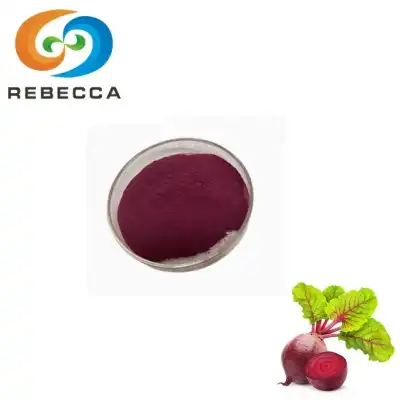
Freeze-dried Beetroot powder
Product Name:Freeze-dried Beetroot powder
Botanical Source:Beta vulgaris L. var. rapacea Koch
Active ingredients:100% beetroot powder
Specification:100% powder
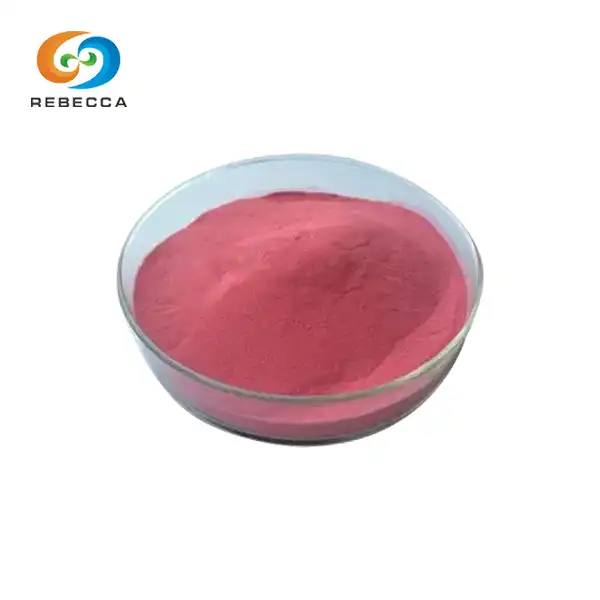
Appearance: Purple Red Powder
Test Method: TLC
Solubility: Insoluble in water
MOQ: 1kg
Sample: 20g
Delivery: FedEx, DHL, Ship by air, Ship by sea.
Certifications: ISO, HACCP, KOSHER, HALAL
What Is Freeze-Dried Beetroot Powder and How Is It Made?
Definition and Production Process
Using the latest low-temperature dehydration technique, freeze-dried beetroot powder is a high-quality approach to treat beets. This innovative method gets rid of moisture by sublimation, which means that ice crystals turn into vapor right away without passing through a liquid stage. The first step is to pick out some good, fresh beetroots. After that, they are thoroughly rinsed and cut into pieces so that they dry evenly.
The freeze-drying process takes place in a vacuum at extremely low temperatures, generally between -40°C and -50°C. Regular drying techniques would destroy down heat-sensitive nutrients, but this exact temperature control prevents them from doing so. The entire procedure might take anywhere from 24 to 48 hours, depending on how thick the beetroot slices are and how wet you want the ultimate result to be.
Nutritional Value Compared to Fresh Beets and Other Forms
Freeze-dried beetroot powder offers more nutrients than other forms of beetroot. Freeze-drying maintains around 97% of the original nutritional content, whereas other drying methods may destroy up to 80% of certain vitamins. This retention rate includes key nutrients like betalains, which give the dish its deep red color and powerful antioxidant properties.
Research indicates that freeze-dried beetroot powder has a higher concentration of nitrates per gram compared to fresh beetroot juice or cooked beets. Nitrates in the body transform into nitric oxide, which is healthy for your heart and your athletic performance. The powdered form also has more minerals, such potassium, magnesium, and iron, which makes it a nutrient-rich supplement that may be used in various ways.

Health Benefits and Uses of Freeze-Dried Beetroot Powder
Benefits for Fitness and General Wellness
Beetroot powder is helpful for your health in many ways, so you may use it for both sports and general health. The high level of nitrates is good for the heart since it lowers blood pressure and improves circulation. Clinical studies have shown that regular consumption may enhance exercise endurance and reduce oxygen use during physical activity.
Betalains are molecules in beetroot powder that are good for the heart and have great anti-inflammatory effects. These natural colors may help the liver get rid of toxins and prevent oxidative stress. Folate levels help cells divide and DNA generate new cells. This is particularly useful for those who require more nutrition.
Common Uses in Foodservice and Product Formulation
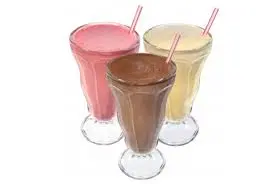
Beetroot powder is very useful in the food and drink industry since it can be utilized in so many various ways. It has a fine texture and a mild earthy flavor, so it's easy to add to smoothies, protein shakes, and functional beverages without dominating the other components. Because it can color things naturally, bakers can utilize it without having to use fake colors, and it also contributes nutrients.
Food producers prefer that the powder stays stable in a variety of processing scenarios. When stored properly, the powdered form preserves its nutritional content for a long time. Fresh beetroot juice, on the other hand, needs to be kept in the fridge and doesn't last very long. This stability makes it great for creating a lot of it and shipping it all over the globe.
Potential Side Effects and Safety Considerations
Most people think that it's safe to consume beetroot powder, but you should still be mindful of any bad consequences it could have. Beeturia is a harmless condition that may tint some people's urine pink or red when they consume beets. The effect is different for everyone because of their genes and how much iron is in their bodies.
Beetroots contain oxalate in them, therefore those with kidney stones should be cautious. People with diabetes should also consider about how much natural sugar is in the food, even if it's just a little quantity. Manufacturers need to include clear labeling and dosage instructions on their goods so that individuals from all walks of life may use them safely.
Comparing Freeze-Dried Beetroot Powder to Alternatives
Freeze-Dried Beetroot Powder vs. Beetroot Powder and Beetroot Flakes
The main difference between freeze-dried beetroot powder and ordinary beetroot preparations is how they are created and the quality that comes out of them. Standard beetroot powders are often made by hot-air drying or drum drying. This puts the item under very hot conditions that might break down delicate nutrients and affect the flavor. The final product generally contains fewer nutrients and may require more additives to keep its color constant.
You may also use beetroot flakes, but they don't work well in many other recipes. They are challenging to combine with smooth beverages and things with delicate textures since their particles are larger. The freeze-drying method produces particles that are constantly tiny, melt readily, and disperse evenly over diverse formulations.
Organic vs. Regular Freeze-Dried Beetroot Powder
Getting certified organic makes a major difference in the quality of beetroot powder and where it stands in the market. Organic varieties have to obey strict restrictions about how to grow that don't allow synthetic pesticides, herbicides, or chemical fertilizers. This approach often raises the amounts of several antioxidants and makes health-conscious clients less worried about residues.
The process of being certified requires a lot of paperwork and regular inspections, which might make production more expensive. Organic beetroot powder costs a lot more in places where people care about sustainability and making things without chemicals. People who work in procurement need to find a way to balance the demands of their brand, the preferences of their target market, and the cost.
Freeze-Dried Beetroot Powder vs. Fresh Beetroot and Juice
When it comes to practicality and logistics, freeze-dried beetroot powder is far superior than fresh beetroot and juice. Fresh beets don't survive long, need to be kept cold, and are only accessible at specific periods of the year. Juice forms are convenient to consume straight away, but they lose nutrients rapidly and require preservatives to stay fresh longer.
It doesn't take up as much room and costs less to carry since freeze-dried powder is so concentrated. One kilogram of powder may be equivalent to 10 to 12 kilograms of fresh beetroots, which helps the supply chain work better. This concentration factor is very helpful for businesses that operate in places where fresh beetroot is hard to get.
Procurement Insights for Freeze-Dried Beetroot Powder
How to Choose Trusted Suppliers and Brands?
You can't only look at the price when you choose a reliable service. ISO 22000, HACCP, and GMP are all quality certifications that demonstrate a firm is committed to making sure that food is safe and that all of its products are made to the same high standards. Each batch should come with a thorough certificate of analysis from the supplier that demonstrates the nutritional value, microbiological safety, and heavy metal testing results.
Production capacity and scalability are very crucial for companies that wish to grow. Suppliers you can trust have adequate stock on hand and can take additional orders without impacting the quality of the goods or the time it takes to deliver them. Help with formulation and application, for example, is a big plus for the relationship with the supplier.
Bulk Purchase, Pricing, and Wholesale Options
When creating plans for buying things, you need to strike a balance between keeping prices down and satisfying quality and inventory management objectives. Buying in bulk is a great way to save money. Prices may go down by 15% to 30% for orders above 1000 kg. But buyers should consider about how well they can keep the items and how soon they will sell so that the quality doesn't go down with time.
The price of a product might differ depending on where it comes from, how it is processed, and whether or not it is certified organic. Certified organic freeze-dried foods might cost 40–60% more than ordinary ones, however this additional cost often indicates greater quality and a better place in the market.
Storage Recommendations to Maintain Quality
You need to store freeze-dried beetroot powder in the right way to keep it fresh and healthy. Store the item in a cool, dry environment where the temperature is below 25°C and the relative humidity is below 60%. Light may break down color pigments and several vitamins, thus it's advisable to use opaque packaging materials for long-term storage.
Air-tight packaging keeps away moisture and oxidation, both of which may impair the quality of the product. Professional-grade storage facilities should include technology that keeps an eye on the temperature and humidity to make sure that the environment remains the same. If you store high-quality freeze-dried beetroot powder correctly, it can stay good for 18 to 24 months.

Rebecca's Premium Freeze-Dried Beetroot Powder Solutions
Rebecca develops and distributes high-quality freeze-dried beetroot powder that is manufactured just for B2B clients in the food, nutrition, pharmaceutical, and cosmetic sectors throughout the globe. We have a lot of different items to choose from, including both organic and regular ones. We also provide custom bulk packaging and private labeling services to meet the demands of various sectors.
Our plant in Shaanxi, China, has three skilled production lines that can create about 500 metric tons of goods per year. This huge capacity makes sure that there is always enough for big orders while still meeting high quality standards. The factory employs the most advanced extraction, separation, and purification technology available, which fulfills the highest standards for quality and efficiency in the industry.
We still care a lot about quality assurance, and we are fully certified for HACCP, ISO22000, and GMP compliance. Our quality control system covers everything from receiving the raw ingredients to sending out the completed product. We test every batch a lot to make sure it fulfills the criteria established by the global food, cosmetic, and pharmaceutical sectors.
Conclusion
Freeze-dried beetroot powder is a terrific food choice since it's simple to use and has a lot of health benefits. The new freeze-drying technology retains key nutrients while making the product more stable on the shelf and usable for many things. This substance is great for procurement professionals since it is simple to store, always works, and works with a lot of different formulations. There are more and more scientific studies that demonstrate beetroot is excellent for your health, and more and more consumers seek natural functional components. Freeze-dried beetroot powder is a perfect complement to the product lines of many different industries.
Partner with Rebecca for Premium Freeze-Dried Beetroot Powder
Rebecca is a specialist at making natural plant extracts, which makes us the best freeze-dried beetroot powder provider for a wide range of B2B uses. Our R&D team helps with unique formulations, and our GMP-certified manufacturing facilities make sure that the quality is always the same and that all rules are followed. To help you with your product development requirements, we provide flexible minimum order quantities, full technical documentation, and customer assistance that is always available. See how much better it is to deal with a reputable company that is dedicated to making natural ingredient solutions that are of the highest quality. To get more information about our freeze-dried beetroot powder for sale, including complete product specs, samples, or bespoke quotes, email us at information@sxrebecca.com.
FAQ
Q1: Is freeze-dried beetroot powder healthier than fresh beetroot juice?
A: Freeze-dried beetroot powder typically retains more nutrients than fresh juice due to the gentle preservation process that maintains vitamins and antioxidants. The powder also offers greater convenience, longer shelf life, and higher nutrient concentration per serving, making it superior for consistent supplementation and manufacturing applications.
Q2: Can freeze-dried beetroot powder be used in dietary supplements and food manufacturing?
A: Yes, the fine texture and high nutrient density make freeze-dried beetroot powder ideal for supplements, functional beverages, baked goods, and natural colorants. Its stability during processing and storage makes it particularly suitable for large-scale manufacturing operations requiring consistent ingredient specifications.
Q3: What is the recommended storage method for freeze-dried beetroot powder to ensure maximum shelf life?
A: Store in airtight, moisture-proof containers at temperatures below 25°C with low humidity levels. Protect from direct light exposure and ensure containers are properly sealed after each use. Under optimal conditions, quality freeze-dried beetroot powder maintains its nutritional properties for 18-24 months.
References
1. Clifford, T., Howatson, G., West, D. J., & Stevenson, E. J. (2015). The potential benefits of red beetroot supplementation in health and disease. Nutrients, 7(4), 2801-2822.
2. Domínguez, R., Cuenca, E., Maté-Muñoz, J. L., García-Fernández, P., Serra-Paya, N., Estevan, M. C., ... & Garnacho-Castaño, M. V. (2017). Effects of beetroot juice supplementation on cardiorespiratory endurance in athletes. Nutrients, 9(1), 43.
3. Georgiev, V. G., Weber, J., Kneschke, E. M., Denev, P. N., Bley, T., & Pavlov, A. I. (2010). Antioxidant activity and phenolic content of betalain extracts from intact plants and hairy root cultures of the red beetroot Beta vulgaris cv. Detroit dark red. Plant Foods for Human Nutrition, 65(2), 105-111.
4. Kanner, J., Harel, S., & Granit, R. (2001). Betalains a new class of dietary cationized antioxidants. Journal of Agricultural and Food Chemistry, 49(11), 5178-5185.
5. Perera, C. O., & Smith, B. (2013). Minimally processed fresh beetroots: effect of processing and storage conditions on nutritional quality. Food Chemistry, 138(4), 2167-2175.
6. Wruss, J., Waldenberger, G., Huemer, S., Uygun, P., Lanzerstorfer, P., Müller, U., ... & Weghuber, J. (2015). Compositional characteristics of commercial beetroot products and beetroot juice prepared from seven beetroot varieties grown in Upper Austria. Journal of Food Composition and Analysis, 42, 46-55.