Astaxanthin Natural VS Synthetic
The choice of natural or synthetic astaxanthin has a major influence on the product's quality, bioavailability, and commercial acceptability. Although synthetic astaxanthin powder may be a more economical option for certain uses, natural astaxanthin powder made from Haematococcus pluvialis has better bioactivity and greater stability. Decisions that are in line with quality standards and market expectations may be made by procurement managers, formulators, and product developers with an understanding of these basic variances
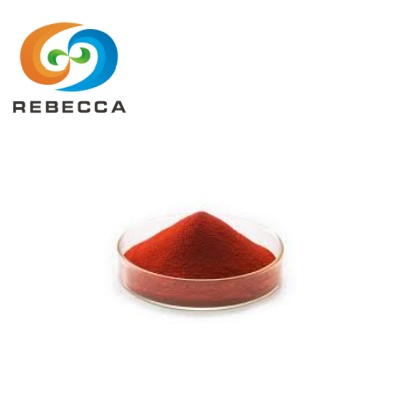
Natural Astaxanthin Powder
Product Name:Natural Astaxanthin Powder
Latin Name:Haematococcus Pluvialis.
Active Ingredient:Astaxanthin
Specification:5%
Test Method:HPLC
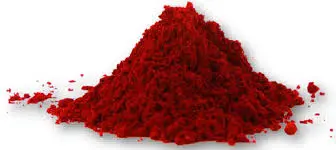
Appearance:Red to Dark Red Powder
Cas No.:472-61-7
Shelf Life: 2 years
Minimum Order Quantity: 1 kg
Samples: Free samples available
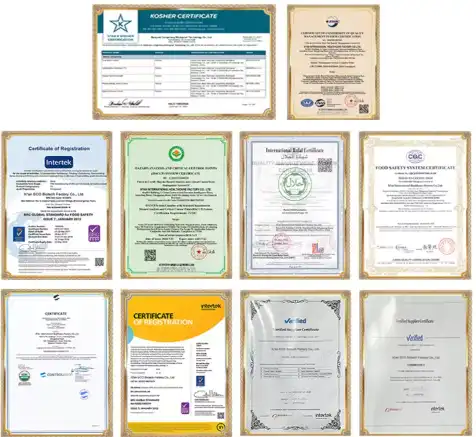
Certifications: GMP, ISO, HACCP, KOSHER, and HALAL.
Payment: Various payment methods accepted.
Advantages: Manufactured in a 100,000-grade cleanroom, our products are additive-free, non-GMO
Inner Package: Double PE Bags; Net 5kg/Bag
Outside Package: Paper Drums, Net 25kg/Drum
Storage:Store in a cool, dry place away from Light and Heat.
Understanding the Source: Marine Algae vs Laboratory Production
The production of natural astaxanthin is a defense mechanism against environmental stress. It is produced by microalgae, most especially Haematococcus pluvialis. An intricate molecular structure is formed by this marine algal source, which also incorporates ancillary components such as fatty acids and other carotenoids.
The use of petrochemical derivatives in chemical production processes gives rise to synthetic astaxanthin. A molecularly similar substance is synthesized by a series of controlled chemical processes, but the matrix that is present in natural sources is absent during manufacture.
Key differences include:
- Molecular configuration: Natural forms contain multiple stereoisomers (3S,3'S-astaxanthin dominates at 90-95%)
- Esterification patterns: Natural variants often exist as fatty acid esters
- Accompanying compounds: Natural extracts include complementary antioxidants
In cellular experiments, natural astaxanthin displays 20-40 times more antioxidant activity than synthetic equivalents, according to research data. When it comes to pharmaceutical applications, natural astaxanthin is the way to go for optimal bioactivity in your formulations.
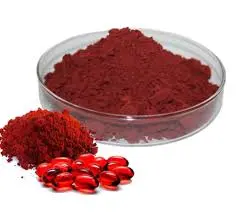
Bioavailability and Absorption: Clinical Evidence Matters
One important thing that separates astaxanthin supplements made from natural sources from those made from synthetic is bioavailability.Clinical research results reveal that these changes considerably affect how well the product works, which is related to how well it is absorbed.
The esterification process and inherent lipid matrix of natural astaxanthin powder make it more bioavailable than its synthetic counterpart.Studies on people have shown that the amount of natural astaxanthin in their blood is 3.6 times higher than the amount of synthetic astaxanthin.
Absorption characteristics include:
- The peak concentration of the drug in the blood normally occurs between eight and twelve hours after it's ingested.
- Accumulation in tissues: more buildup in the skin, eyes, and skeletal muscles.
- Less oxidative breakdown during digestion contributes to metabolic stability.
In contrast to the 85-90% stability of real astaxanthin, experimental research suggests that synthesized astaxanthin degrades by 40-50% in stomach simulators.Natural sources provide better performance metrics when it comes to verified bioactivity for health supplement formulations.
Stability and Processing: Manufacturing Considerations
The creation of products in the pharmaceutical, beverage, and cosmetic industries is impacted by processing stability. When manufactured, various types of astaxanthin react differently to changes in light, heat, and pH.
The esterified structure of naturally occurring astaxanthin gives it superior heat stability. Processing studies have shown that it remains mostly unchanged for 30 minutes at temperatures as high as 80°C, thereby making it applicable to a wide range of production procedures.
Stability comparison data:
- Heat resistance: Natural forms maintain 95% potency at 70°C (24 hours)
- Light protection: 90% retention under UV exposure (48 hours)
- pH tolerance: Stable across pH range 3.5-8.0
Compared to natural astaxanthin, synthetic astaxanthin is less stable, maintaining just 70–75% of its initial efficacy after equal stress tests. Natural astaxanthin powder offers dependable performance for applications requiring constant quality even under harsh processing conditions.

Safety Profile and Regulatory Status
The degree of regulatory clearance for both natural and synthesized astaxanthin varies greatly across global markets. Staying informed about these differences may assist ensure compliance with regional requirements.
Authorities have approved natural astaxanthin because of its long history of safety.With FDA and EFSA approval, dietary supplements and functional foods made with haematococcus pluvialis extract pose no health risks.
Regulatory landscape includes:
- Natural astaxanthin has been given the green light by the FDA for use in both food and beauty products.
- Adopted for new food uses up to 8 mg daily; EFSA-recognized
- Japan, Australia, and other Asian markets have given their approval, indicating global acceptability.
Many places have prohibitions on using synthetic astaxanthin, especially when it's for human consumption.
Natural sources provide more regulatory leeway, which is ideal if you require access to markets throughout the world.
Cost Analysis and Market Positioning
The selection of astaxanthin is impacted by economic factors, especially in cases of large-scale production. Profitability and quality may be optimized with an understanding of cost structures.
Natural astaxanthin fetches a high price due to the difficulties connected with its manufacture and extraction.Market research shows prices that are three to five times more than synthetic equivalents, reflecting production expenses and quality premiums.
Cost factors include:
- Raw material expenses: Algae cultivation requires specialized facilities and controlled environments
- Extraction complexity: Multi-stage purification processes increase manufacturing costs
- Quality control: Enhanced testing requirements for natural products
On the other hand, natural variations provide for better product positioning and increased profit margins. Synthetic alternatives provide financial benefits for industrial applications requiring cost-effective solutions, while natural sources bolster premium market positioning.
Application-Specific Recommendations
A number of companies place a high value on taxanthin due to its unique characteristics that are required by their products. Cosmetics may place a higher value on stability and anti-inflammatory properties, whereas bioavailability may be more critical for medical uses. Improving product performance and customer satisfaction requires matching the astaxanthin supply with the intended use. Doing so will guarantee that the product works as advertised and lasts as long as promised.
Natural astaxanthin is preferred over synthetic ones in pharmaceutical formulations because of its superior absorption and utilization by the body. This data may be used to develop more effective medications for cardiovascular illness and ocular wellness. Numerous randomized clinical trials have shown that the therapeutic benefits of natural sources outweigh those of synthetic alternatives. Assuming it passes muster with the relevant authorities, it will serve as a standard for future pharmaceuticals claiming to be both safe and effective.
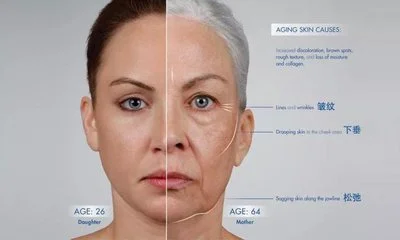
Natural astaxanthin is a must-have in anti-aging and skin health products due to its potent anti-inflammatory and antioxidant properties. Natural astaxanthin is a key ingredient in anti-aging and skin health treatments, thanks to its powerful anti-inflammatory and antioxidant effects. Research on stability has shown that natural astaxanthin remains effective for an extended period of time and that it mixes well with a variety of cosmetic ingredients and packaging materials . Consumers' search for all-natural and effective ingredients is fueling the growth of health-conscious goods. This tendency is helped along by astaxanthin and its appealing characteristics.
The flavor profile is important for functional drinks, and natural astaxanthin is neutral in flavor, so it may be used in a variety of drink recipes. Not only that, it maintains its efficacy without altering the flavor or texture thanks to its stability under the usual processing conditions for beverages. Natural astaxanthin may boost the functional advantages of energy drinks, health supplements, and sports drinks without sacrificing their marketability or consumer appeal.
Results from studies using natural astaxanthin in sports nutrition have been encouraging, particularly when it comes to improving endurance and reducing recovery time after exercise. Supplemental astaxanthin improves overall physical performance, reduces inflammation, and mitigates muscle damage, as shown in clinical studies.As a natural means to enhance stamina and lessen fatigue after exercise, it can be useful for athletes and fitness enthusiasts. Its use into dietary supplements for athletes reflects the growing demand for all-natural performance enhancers.
Due to its shown clinical efficacy in treating a range of medical issues, natural astaxanthin is the best option for pharmaceutical development aiming for maximal therapeutic effects. However, for uses outside of the pharmaceutical industry, such as aesthetic colorants and food additives, synthetic astaxanthin may be a more cost-effective alternative. Synthetic replacements provide enough performance in these areas, allowing manufacturers to lower production costs without compromising the product's functioning or appearance.
Quality Specifications and Testing Standards
Thorough testing techniques are necessary for quality evaluation, and these processes must cover levels of contaminants, potency, and purity. To make sure sourcing selections are suitable, it helps to understand how specifications vary.
Natural astaxanthin powder generally comprises 5-10% active astaxanthin by weight, with the rest being fatty acids and auxiliary substances. The total carotenoids and stereoisomer distribution are both confirmed by HPLC testing.
Testing parameters include:
- Purity analysis: HPLC quantification of astaxanthin stereoisomers
- Contaminant screening: Heavy metals, pesticides, and microbial testing
- Stability assessment: Accelerated aging studies and photostability testing
Consistent batch quality and regulatory compliance are ensured by GMP certification. Cosmetics and pharmaceuticals benefit from ISO standards because they provide an extra layer of quality assurance.
Natural astaxanthin powder that has been GMP-certified satisfies the very high standards needed for regulated applications, and it comes with all the necessary paperwork to back it up.

Partner with Rebecca for Premium Natural Astaxanthin Powder
Superior natural astaxanthin powder is what Rebecca has to offer, and it's made in cutting-edge facilities that have all the necessary quality certifications. Thanks to our cutting-edge extraction methods and stringent quality control, our Haematococcus pluvialis extract keeps its astaxanthin level at 5%. Our company is a world-renowned provider of natural astaxanthin powder. We offer comprehensive regulatory paperwork, flexible minimum order quantities (MOQs) beginning at 1 kilogram, and worldwide delivery options. Contact information@sxrebecca.com for technical specifications and custom formulation support.
Conclusion
Prior to making a decision, it is important to assess the bioavailability, stability, regulatory status, and cost of both natural and synthetic astaxanthin.Natural astaxanthin powder from Haematococcus pluvialis offers superior therapeutic benefits, enhanced stability, and broader regulatory acceptance, making it ideal for pharmaceutical, nutraceutical, and premium cosmetic applications. When it comes to health-related items, natural sources provide unrivaled purity and efficacy, yet synthetic equivalents provide economic benefits for some industrial purposes. Learning these differences can help you make sourcing decisions that fit your product's positioning and meet the needs of your market.
References
1. Ambati, R.R., Phang, S.M., Ravi, S., & Aswathanarayana, R.G. (2014). Astaxanthin: sources, extraction, stability, biological activities and its commercial applications. Marine Drugs, 12(1), 128-152.
2. Capelli, B., Bagchi, D., & Cysewski, G.R. (2013). Synthetic astaxanthin is significantly inferior to algal-based astaxanthin as an antioxidant and may not be suitable as a human nutraceutical supplement. Nutrafoods, 12(4), 145-152.
3. Østerlie, M., Bjerkeng, B., & Liaaen-Jensen, S. (2000). Plasma appearance and distribution of astaxanthin E/Z and R/S isomers in plasma lipoproteins of men after single dose administration of astaxanthin. Journal of Nutritional Biochemistry, 11(10), 482-490.
4. Park, J.S., Chyun, J.H., Kim, Y.K., Line, L.L., & Chew, B.P. (2010). Astaxanthin decreased oxidative stress and inflammation and enhanced immune response in humans. Nutrition & Metabolism, 7(1), 18-28.
5. Fassett, R.G., & Coombes, J.S. (2011). Astaxanthin: a potential therapeutic agent in cardiovascular disease. Marine Drugs, 9(3), 447-465.
6. Yuan, J.P., Peng, J., Yin, K., & Wang, J.H. (2011). Potential health-promoting effects of astaxanthin: a high-value carotenoid mostly from microalgae. Molecular Nutrition & Food Research, 55(1), 150-165.