Bamboo Extract Silica For Hair Growth
Bamboo extract silica is a bioavailable source of minerals that fights thinning hair and hair breakage by enhancing collagen synthesis and keratin development. bamboo leaf extract This natural substance extracted from bamboo leaves contains organic silicon with a purity up to 70% better than synthetic. The mineral accumulates the hair follicles on cellular level while at the same time stimulating circulation in the scalp. More and more product creators are opting for the mineral when producing hair care supplements and cosmetics. Research indicates that constant silica consumption corresponds with enhanced hair diameter and decreased shedding, establishing this botanical extract as a staple for brands in the booming hair health sector.
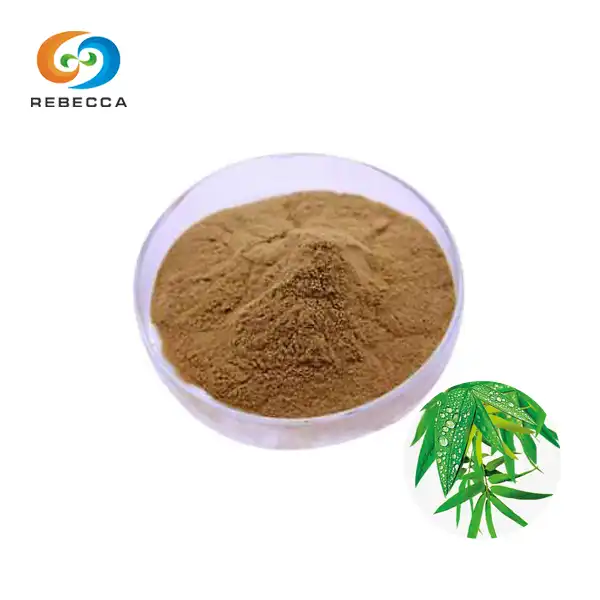
Bamboo Extract Silicon
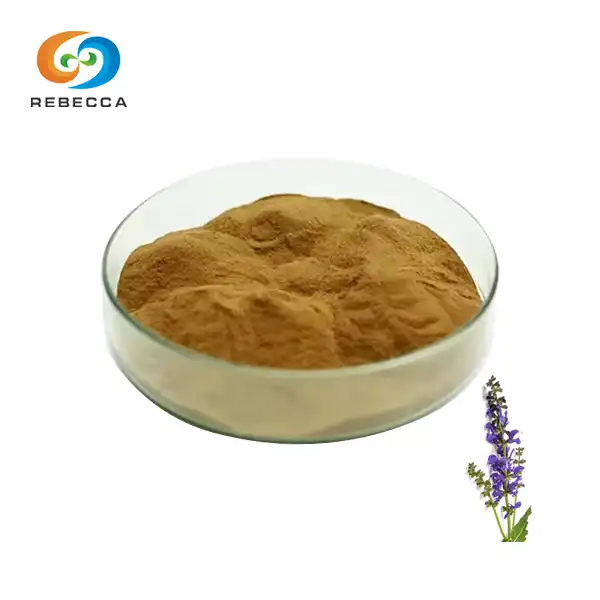
Product Name: Bamboo leaf Extract-Organic silicon, Lophatherum Herb Extract,Lophatherum Herb P.E
Specification:Organic silicon, Min 70%, UV.
Test Method: UV
Latin Name: Loather Herb Extract
Shelf Life: 2 years
Minimum Order Quantity: 1 kg
Samples: Free samples available
Certifications: GMP, ISO, HACCP, KOSHER, and HALAL.
Payment: Various payment methods accepted.
Advantages: Manufactured in a 100,000-grade cleanroom, our products are additive-free, non-GMO
Inner Package: Double PE Bags; Net 5kg/Bag
Outside Package: Paper Drums, Net 25kg/Drum
Storage:Store in a cool, dry place away from Light and Heat.
Bamboo Extract Silica Role in Hair Growth
What Makes Bamboo-Derived Silica Unique for Hair Applications
Bamboo leaf extract is quite rich in organic silicon, frequently over 70% pure if the modern UV-tested extraction procedures are used. This kind of silica is fundamentally different from mineral-based silica since it has higher bioavailability, which means that the body can absorb and use it more effectively. The extraction technique retains key phenolic chemicals and flavonoids which interact synergistically with silicon to promote hair health. “Product developers know the value of this ingredient because it provides measurable benefits without the formulation challenges associated with poorly soluble synthetic silica forms.
The Science Behind Silica's Impact on Hair Structure
Hair consists mostly of keratin proteins, which are organised in complicated molecular patterns. Bamboo extract silica is directly involved in the cross linking of keratin which controls the strength and flexibility of hair. This knowledge is useful to manufacturers when they develop dietary supplements or topical therapies, since silicon is known to boost the activity of prolyl hydroxylase enzymes required for collagen synthesis. This metabolic mechanism is why enough silicon intake is associated with thicker hair shafts and healthier scalp conditions. The mineral also helps create mucopolysaccharides in connective tissue, which improves the structural strength of hair follicles throughout the growth phase.
Mechanisms That Reduce Hair Thinning and Breakage
Clinically, Bamboo extract silica supplementation targets numerous routes of hair loss. The mineral increases microcirculation in the scalp, which ensures that follicles get enough nutrients and oxygen. This finding enhances blood circulation and directly influences the duration of the anagen phase, the active time of hair development when the hair grows at its fastest. Silicon also aids antioxidant enzyme systems which help defend hair proteins from oxidative harm. For B2B buyers involved in the creation of hair wellness products, these multi-factorial advantages become formulations that target fundamental problems rather than only hide the symptoms of thinning hair.

Scientific Insights and Usage Guidelines
Evidence-Based Dosage Recommendations for Product Development
Formulation chemists usually include bamboo extract silica standardised to 70% organic silicon at a daily dosage of 5-20 mg of elemental silicon. Clinical trials often base silicon supplementation on a baseline of 10 mg/day and greater levels for intensive hair support solutions. Note that the bioavailability of bamboo extract is so superb that lesser dosages frequently may produce the same benefits as bigger doses of poorly absorbed synthetic alternatives. Powder forms provide versatility for beverage and capsule applications, stability throughout pH ranges of 4.5-7.0.
Safety Profile and Quality Benchmarks for Industrial Applications
The toxicity tests of silicon from bamboo show a good safety margin with few side effects recorded. Unlike horsetail extract, standardised bamboo extract is not subject to fluctuating amounts of thiaminase and avoids enzymatic interactions that might affect formulation stability. Procurement managers need to ensure that suppliers produce certifications that state that the concentration of heavy metals is within the FDA guidelines (lead <2 ppm, arsenic <1 ppm) and that pesticide residues are below EFSA requirements. Products produced in ISO-certified 100,000-grade cleanrooms remove the possibility of contamination that might impact the uniformity of batches during large-scale manufacturing runs.
Certification Requirements That Support Regulatory Compliance
All throughout the world, markets are demanding thorough confirmation of the purity and provenance claims of ingredients. European and North American customers increasingly care about sustainable sources, therefore organic certificates help. GMP accreditation guarantees that manufacturing operations will consistently provide quality from acquisition of raw material to final packaging. HACCP certification signify contamination control procedures that are required for supplement applications. KOSHER and HALAL certifications may help businesses get market access and reach certain demographic groups. These certifications together save time-to-market by proactively resolving regulatory requirements in several countries.

Conclusion
For makers of hair health products targeting quality-conscious customers, bamboo extract silica is a smart choice of ingredient. This botanical extract is well positioned versus synthetic options due to its better bioavailability, higher safety profile, and alignment with clean-label trends. Procurement is successful when it partners with suppliers who have shown consistent quality, full certifications and technical support skills. Rebecca's production infrastructure, flexibility for customisation and regulatory experience provide the platform for a stable long-term relationship. Early adoption of high-purity bamboo extract standardised to 70% organic silicon provides competitive positioning benefits across the pharmaceutical, nutraceutical, beverage and cosmetic categories with growing market demand for natural and effective hair care products.
Partner with Rebecca for Premium Bamboo Extract Silica Supply
Rebecca specializes in manufacturing high-purity bamboo leaf extract standardized to minimum 70% organic silicon through UV-tested verification methods. Our bamboo extract silica supplier capabilities include flexible order quantities starting at 1kg, enabling both established brands and emerging market entrants to access pharmaceutical-grade ingredients. The manufacturing facility operates under GMP, ISO, HACCP, KOSHER, and HALAL certifications, ensuring comprehensive compliance documentation for global distribution. Products manufactured in our 100,000-grade cleanroom eliminate contamination risks while maintaining additive-free, non-GMO formulation integrity. Technical teams provide customization support adapting purity levels, packaging configurations, and delivery formats to match specific application requirements. Contact information@sxrebecca.com to request complimentary samples and discuss how our bamboo extract silica for sale options align with your product development objectives. Visit sxrebecca.com for detailed specifications and certification documentation supporting your procurement evaluation process.

FAQ
What shelf life can manufacturers expect from bamboo extract silica?
Properly stored bamboo leaf extract maintains potency for 24 months when kept in sealed, moisture-resistant packaging away from direct light and heat. The 2-year shelf life applies to products manufactured under controlled conditions meeting GMP standards. Stability testing should confirm that organic silicon content remains within specification (≥70%) throughout the declared period. Rebecca's double PE bag packaging with 5kg net weight provides optimal protection during warehousing and distribution.
Can bamboo silicon integrate with other hair wellness ingredients?
Bamboo extract demonstrates excellent compatibility with complementary nutrients including biotin, keratin peptides, and antioxidant vitamins. Formulation chemists should conduct stability testing when combining with iron supplements, as mineral interactions may affect absorption. The extract's neutral pH profile simplifies integration into both capsule and beverage formats without requiring extensive buffer systems.
How does organic certification affect procurement decisions?
Organic certification validates pesticide-free cultivation and processing methods, directly addressing consumer concerns about chemical residues in dietary supplements. USDA Organic and EU Organic labels enable premium pricing strategies and access to specialty retail channels. Procurement managers should verify certification scope covers the entire supply chain from harvest through final packaging to ensure marketing claim validity.
References
1. Wickett, R.R., Kossmann, E., Barel, A., et al. (2007). "Effect of oral intake of choline-stabilized orthosilicic acid on skin, nails and hair in women with photodamaged skin." Archives of Dermatological Research, 299(10), 499-505.
2. Barel, A., Calomme, M., Timchenko, A., et al. (2005). "Effect of oral intake of choline-stabilized orthosilicic acid on hair tensile strength and morphology in women with fine hair." Archives of Dermatological Research, 297(4), 147-153.
3. Jugdaohsingh, R. (2007). "Silicon and bone health." Journal of Nutrition, Health & Aging, 11(2), 99-110.
4. Carlisle, E.M. (1986). "Silicon as an essential trace element in animal nutrition." Silicon Biochemistry, Ciba Foundation Symposium, 121, 123-139.
5. Araújo, L.A., Addor, F., Campos, P.M. (2016). "Use of silicon for skin and hair care: an approach of chemical forms available and efficacy." Anais Brasileiros de Dermatologia, 91(3), 331-335.
6. Sripanyakorn, S., Jugdaohsingh, R., Thompson, R.P., Powell, J.J. (2005). "Dietary silicon and bone health." British Nutrition Foundation Nutrition Bulletin, 30(3), 222-230.