Best Natural Source of Astaxanthin
The microalgae Haematococcus pluvialis provide the most bioactive natural astaxanthin powder on the market, making it the ideal natural source of astaxanthin. Pharmaceutical research and development firms, health supplement brands, and cosmetic makers seek for this microalgae because of its exceptional antioxidant efficacy and bioavailability, with a dry weight astaxanthin content of up to 3.8%.
In their quest for powerful natural antioxidants, scientists and businesspeople have come upon astaxanthin, which is commonly referred to as "nature's strongest antioxidant." Understanding the finest sources of astaxanthin becomes vital for product development success as R&D managers and procurement directors across the pharmaceutical, nutraceutical, and cosmetic sectors increasingly favor natural ingredients.
For the purpose of making educated sourcing selections, this detailed guide analyses the main natural sources of astaxanthin. Examining selection criteria, evaluating leading suppliers, and offering insights into market trends impacting procurement strategies worldwide are all things we will cover.
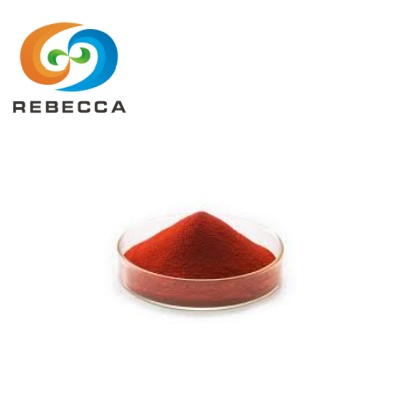
Natural Astaxanthin Powder
Product Name:Natural Astaxanthin Powder
Latin Name:Haematococcus Pluvialis.
Active Ingredient:Astaxanthin
Specification:5%
Test Method:HPLC
Appearance:Red to Dark Red Powder
Cas No.:472-61-7
Shelf Life: 2 years
Minimum Order Quantity: 1 kg
Samples: Free samples available
Certifications: GMP, ISO, HACCP, KOSHER, and HALAL.
Payment: Various payment methods accepted.
Advantages: Manufactured in a 100,000-grade cleanroom, our products are additive-free, non-GMO
Inner Package: Double PE Bags; Net 5kg/Bag
Outside Package: Paper Drums, Net 25kg/Drum
Storage:Store in a cool, dry place away from Light and Heat.
Why Focus on Natural Astaxanthin Powder Sources?
Rising consumer awareness about the limits of synthetic ingredients has propelled the natural astaxanthin industry to new heights of development. Scientific studies have shown time and time again that natural astaxanthin has much more antioxidant activity than its synthetic counterparts, making it an indispensable ingredient in high-end product recipes.
The molecular configurations of astaxanthin derived from natural sources are distinct from those of synthetic sources. For pharmaceutical applications that need a prolonged shelf life, the esterified form found in natural sources is essential since it offers greater stability during processing and storage. There may be synergistic effects from the complimentary substances found in natural sources, such as omega-3 fatty acids and other carotenoids.
A strategic investment in product distinctiveness, natural astaxanthin powder is what procurement managers and formulators see. The demand in the market for natural ingredients is being driven by consumer desire, while synthetic chemicals are being closely examined by regulatory organizations. In competitive marketplaces where ingredient transparency is important, companies who use natural astaxanthin sources have an edge.
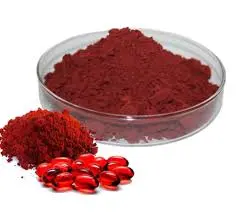
Selection Criteria for Premium Natural Astaxanthin Suppliers
Purity and Concentration Standards
The primary quality factor when assessing vendors of natural astaxanthin powder is concentration levels. The optimal astaxanthin concentration for most applications is 5%, while high-quality sources should provide concentrations anywhere from 2% to 10%. Concentrations that are higher suggest that the processing capabilities are greater and need more advanced extraction methods.
The pharmaceutical and nutraceutical industries continue to place a premium on batch uniformity. Authentic vendors make sure there is little to no difference between batches by adhering to stringent quality control procedures. For regulatory filings that need thorough batch documentation, this uniformity becomes of the utmost importance.
Certification and Compliance Requirements
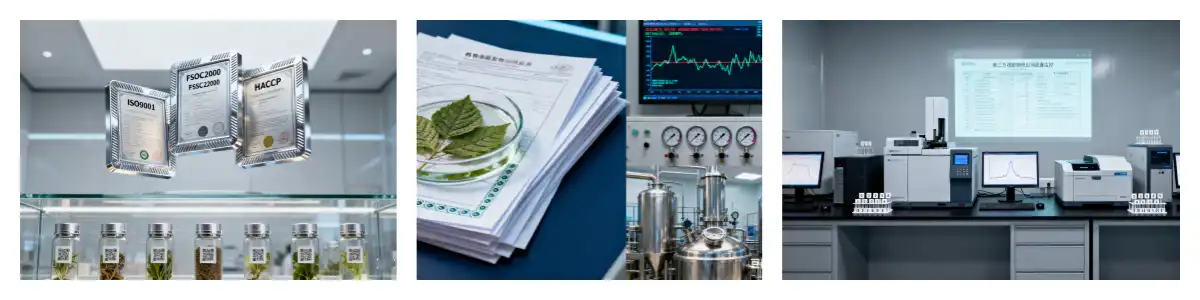
To have access to global markets, one must have extensive certifications. Top providers of natural astaxanthin powder ensure that their goods fulfill varied regulatory standards across worldwide markets by maintaining certifications such as GMP, ISO, HACCP, KOSHER, and HALAL. These accreditations prove the company's dedication to quality control measures that are vital in the food and pharmaceutical industries.
Help with DMF and registration sets premium services apart from commodity providers. Businesses that provide detailed regulatory paperwork save the time it takes to get new formulations to market by streamlining the product approval process.
Testing and Quality Assurance
Modern methods of testing ensure the genuineness and cleanliness of products. HPLC analysis verifies the presence of astaxanthin and rules out any possibility of artificial additives. To ensure end-user safety and regulatory compliance, further testing should be conducted for heavy metals, pesticides, and microbiological contamination.
Claims about quality are more convincing when they are backed by third-party testing. Transparency and dedication to product quality are shown by suppliers that provide independent laboratory verification.

Top Natural Astaxanthin Powder Sources
Shaanxi Rebecca Bio-Tech Co., Ltd. - Premium Haematococcus Pluvialis Extract
The all-encompassing quality and service approach makes Shaanxi Rebecca stand out among providers of natural astaxanthin. By using cutting-edge extraction techniques, they are able to extract astaxanthin powder from Haematococcus pluvialis to a concentration of 5%, guaranteeing an exceptionally potent and stable product.
Within a 100,000-grade cleanroom, the company's manufacturing facility follows stringent GMP standards. Consistent product quality is ensured in this regulated environment, which also avoids contamination hazards. Reliable supply for large-scale procurement demands is guaranteed by their yearly manufacturing capacity, which exceeds 500MTS.
The astaxanthin powder that Rebecca sells has a distinctive reddish-brown color and has the CAS number 472-61-7. This product is perfect for firms that need longer inventory cycles since it stays stable for two years if kept correctly. Research applications and commercial manufacturing demands are both met by their flexible minimum order quantity of 1kg.
Distribution to markets all around the world is made possible by quality certifications such as GMP, ISO, HACCP, KOSHER, and HALAL. Detailed specifications and safety data are only two examples of the extensive paperwork that the firm produces to back its regulatory filings. Customers looking for clean label goods, who are concerned about their health, will appreciate their additive-free and non-GMO recipe.
Rebecca stands out from her competition due to her exceptional customer service. Several payment options, direct contact channels, and free samples are all part of their service. When clients have difficulties with formulation or want to optimize their application, technical assistance is there to help.
Marine-Derived Astaxanthin from Coldwater Algae Cultivation
Microalgae that are rich in astaxanthin and have distinct traits are produced by coldwater marine habitats. Omega-3 fatty acids and beta-carotene, which are complimentary chemicals, are often present in larger amounts in these sources. Astaxanthin levels are concentrated and contamination hazards are reduced in cold conditions due to slower development rates.
Generally speaking, astaxanthin derived from marine sources is more stable when subjected to heat processing. Beverage makers that use ingredients that are heat-stable and can be heated to high temperatures but still keep their potency will appreciate this quality. When compared to synthetic alternatives, the bioavailability is enhanced by the natural esterification present in marine sources.
Techniques for growing plants in the ocean that make use of replenishable saltwater are more environmentally friendly. According to EIAs, natural manufacturing has less carbon footprints than synthetic production, which is good news for eco-friendly companies. To guarantee the integrity of the supply chain, traceability systems monitor items from their cultivation all the way to their final packing.
Organic Certified Astaxanthin from Controlled Cultivation
Without the use of synthetic fertilizers and pesticides, organic astaxanthin sources adhere to stringent agricultural regulations. Organic product lines benefit from the marketing opportunities presented by these items, notwithstanding the higher costs they attract. From planting seeds to packaging the finished product, certification agencies check for conformity at every stage of the supply chain.
For optimal astaxanthin production, controlled culture circumstances are ideal. Algae production is increased while organic compliance is maintained by using specialized lighting and nutrition systems. The consistency of potency levels matching specification criteria is guaranteed by quality monitoring.
Manufacturers of nutritional supplements aiming for health-conscious customers are especially drawn to organic astaxanthin. People are prepared to pay a premium for certified organic foods, according to marketing studies. International markets need thorough documentation due to regional variations in regulatory certifications for organic claims.
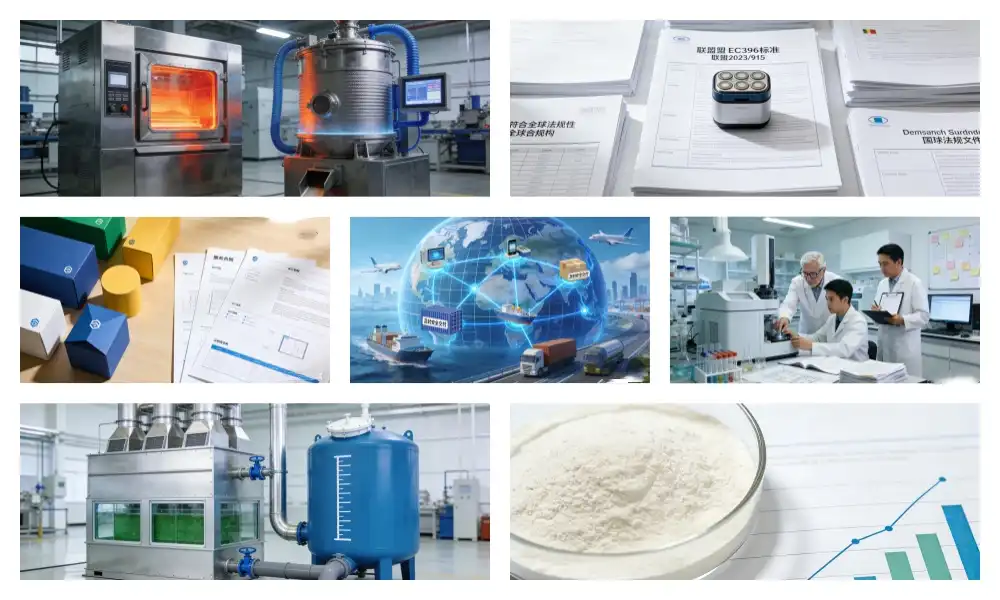
Global Market Characteristics and Regulatory Landscape
North American Market Dynamics
The natural astaxanthin powder market in North America is driven by the need for anti-aging products and sports nutrition. Supplements containing astaxanthin must have detailed labeling that includes dose instructions in order to comply with FDA standards. Food applications are made easier by GRAS certification, although utilization levels must be carefully monitored.
As the advantages of astaxanthin become more widely known, consumer education is the key to driving market development. Marketing claims are supported by clinical research that show improvements in skin health and athletic performance. When supported by strong scientific data, premium positioning techniques achieve success.
Suppliers who provide variable delivery terms, such as FOB, CIF, and DDP, are favored by supply chain logistics. When demand spikes during peak seasons, inventory management takes on more significance. Products are always available when you need them because dependable suppliers keep buffer stockpiles.
European Regulatory Framework
Applications of astaxanthin in food and supplements are regulated by the European Food Safety Authority (EFSA) rules. A pre-market clearance may be necessary for certain astaxanthin sources due to novel food restrictions. Extensive safety data is required, and the documentation requirements are higher than in many other locations.
In Europe, consumers tend to select foods that are sustainably derived and have a low effect on the environment. In some markets, including those in Germany and Scandinavia, organic certification is quite valuable. The demand for natural astaxanthin is outpacing that of synthetic substitutes, thanks to the clean label movement.
Asia-Pacific Growth Opportunities
The demand for natural astaxanthin is growing due to the region's fast economic growth. South Korea and Japan are cosmetics powerhouses, where anti-aging products sell for a pretty penny. The process of entering international markets has been made easier by attempts to standardize regulations.
Opportunities for astaxanthin products to stand out are created by the combination of traditional medicine. Natural health components have a wider cultural acceptability, which makes it easier to get into the market. In order to grow markets successfully, local collaboration tactics are typically necessary.
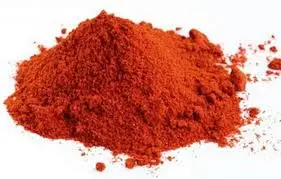
Purchasing Recommendations and Considerations
Supplier Evaluation Checklist
Systematic supplier assessment is necessary for successful purchase of natural astaxanthin. Get the astaxanthin content and purity levels verified by requesting certificates of analysis for the most current manufacturing batches. Credit reports and customer reference checks may help you determine whether a supplier is financially stable.
Quality system audits and facility inspections are part of the manufacturing capability assessment. Confirm renewal dates and validity of certifications with issuing organizations. Consult with R&D staff one-on-one to gauge technical support skills.
The significance of resilient supply chains is growing in the face of global upheavals. Check the inventory management procedures, supplier backup mechanisms, and variety of raw material sources. Inquire about backup measures that deal with any disruptions to the supply.
Cost-Benefit Analysis Framework
The higher expense of natural astaxanthin powder compared to synthetic equivalents may be justified by its improved bioavailability. To get the real cost comparisons, you need to figure out the effective dose needs by considering the variations in bioavailability. Think about the marketing benefits and customer preference trends that will be relevant in the long run.
For applications on a grand scale, it is crucial to negotiate prices in bulk. Better price and consistent supply may be achieved via annual contracts. Companies in growth might enhance their cash flow management with more flexible payment periods.
Quality Specification Development
Consistent product performance and the avoidance of quality issues are both facilitated by well-defined standards. Mustard seed, astaxanthin, and moisture tolerances are all part of the package. Give details on how to test each parameter and what counts as an acceptable result.
Application and storage circumstances determine the needs for stability testing. Solicit data on accelerated stability to back up the stated shelf life when stored as planned. Product integrity should be safeguarded throughout distribution cycles according to packaging criteria.
Industry Trends and Market Outlook
The natural astaxanthin market continues expanding as consumers increasingly prefer natural ingredients over synthetic alternatives. Pharmaceutical companies invest heavily in astaxanthin research, exploring applications in neuroprotection and cardiovascular health. Cosmetic applications grow rapidly, particularly in Asia-Pacific markets where anti-aging products command premium prices. Technological advances in extraction and purification reduce production costs while improving product quality, making natural astaxanthin more accessible across diverse applications.
Partner with Rebecca for Premium Natural Astaxanthin Powder Supply
Rebecca Bio-Tech delivers exceptional natural astaxanthin powder sourced from premium Haematococcus pluvialis with guaranteed 5% concentration and comprehensive regulatory support. Our 100,000-grade cleanroom manufacturing facility ensures pharmaceutical-grade quality, while flexible MOQ starting at 1kg accommodates research and commercial needs. Connect with our technical experts at information@sxrebecca.com to discuss your natural astaxanthin powder supplier requirements and discover how our ISO-certified manufacturing capabilities can enhance your product development success.
Conclusion
Natural astaxanthin powder from Haematococcus pluvialis represents the gold standard for antioxidant ingredients across pharmaceutical, nutraceutical, and cosmetic applications. The superior bioavailability and stability of natural sources justify premium pricing while supporting product differentiation strategies. Successful procurement requires careful supplier evaluation focusing on quality certifications, technical support capabilities, and supply chain reliability. As consumer preference for natural ingredients continues driving market growth, companies investing in premium natural astaxanthin sources position themselves advantageously for long-term success in competitive markets.
FAQs
①How can I verify natural astaxanthin authenticity?
Natural astaxanthin verification requires specific analytical testing distinguishing it from synthetic alternatives. Natural astaxanthin exists predominantly in esterified form, while synthetic versions appear as free astaxanthin. HPLC analysis can identify these structural differences definitively.
Request certificates of analysis from suppliers showing esterification levels above 95% for authentic natural astaxanthin. Third-party testing laboratories provide independent verification services. Isotope ratio analysis offers additional confirmation of natural origin when required for premium applications.
②What makes Haematococcus pluvialis the superior source?
Haematococcus pluvialis produces the highest natural astaxanthin concentrations among known sources, reaching up to 3.8% by dry weight. This microalgae creates astaxanthin as a protective mechanism against environmental stress, resulting in highly potent and stable compounds.
The esterified astaxanthin from Haematococcus pluvialis demonstrates superior bioavailability compared to synthetic alternatives. Clinical studies consistently show enhanced absorption and biological activity when using Haematococcus-derived astaxanthin powder.
③How should natural astaxanthin powder be stored?
Proper storage maintains astaxanthin potency throughout the claimed shelf life. Store natural astaxanthin powder in cool, dry conditions away from direct light and heat sources. Temperature fluctuations accelerate degradation, so consistent storage conditions prove essential.
Original packaging provides optimal protection when designed specifically for astaxanthin stability. Opened containers should be resealed immediately and used promptly. Moisture control becomes critical as humidity accelerates oxidation processes.
References
1. Ambati, R.R., Phang, S.M., Ravi, S., & Aswathanarayana, R.G. (2014). Astaxanthin: sources, extraction, stability, biological activities and its commercial applications. Marine Drugs, 12(1), 128-152.
2. Guerin, M., Huntley, M.E., & Olaizola, M. (2003). Haematococcus astaxanthin: applications for human health and nutrition. Trends in Biotechnology, 21(5), 210-216.
3. Higuera-Ciapara, I., Felix-Valenzuela, L., & Goycoolea, F.M. (2006). Astaxanthin: a review of its chemistry and applications. Critical Reviews in Food Science and Nutrition, 46(2), 185-196.
4. Hussein, G., Sankawa, U., Goto, H., Matsumoto, K., & Watanabe, H. (2006). Astaxanthin, a carotenoid with potential in human health and nutrition. Journal of Natural Products, 69(3), 443-449.
5. Lorenz, R.T., & Cysewski, G.R. (2000). Commercial potential for Haematococcus microalgae as a natural source of astaxanthin. Trends in Biotechnology, 18(4), 160-167.
6. Yuan, J.P., Peng, J., Yin, K., & Wang, J.H. (2011). Potential health-promoting effects of astaxanthin: a high-value carotenoid mostly from microalgae. Molecular Nutrition and Food Research, 55(1), 150-165.