Can Lingonberry Extract Help with Weight Loss?
Recent years have seen lingonberry extract's rise to prominence as a possible botanical component in weight control products. The Vaccinium vitis-idaea L. fruit is an excellent source of oligomeric proanthocyanidins (OPCs), flavonoids, and anthocyanins, among other polyphenolic substances. While preliminary studies do point to potential functions in metabolic health, it is important to approach the available data with caution since the majority of the results are based on in vitro or animal studies and not on large-scale clinical trials involving humans. This article discusses lingonberry extract from a weight control perspective, going into its composition, possible metabolic pathways, evidence limitations, and formulation issues.
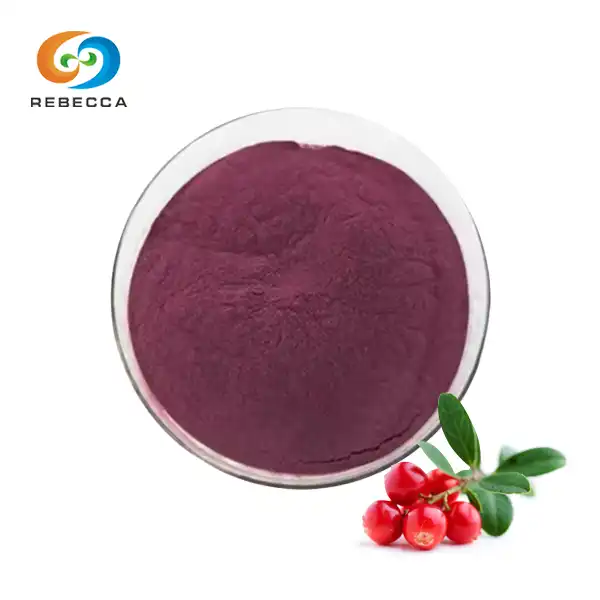
Lingonberry Extract
Product name: Lingonberry fruit extract anthocyanidins
Plant source: Vaccinium vitis-idaea L.
Product specification: 5-25% anthocyanins,fruit powder,juice powder
Detection method: UV
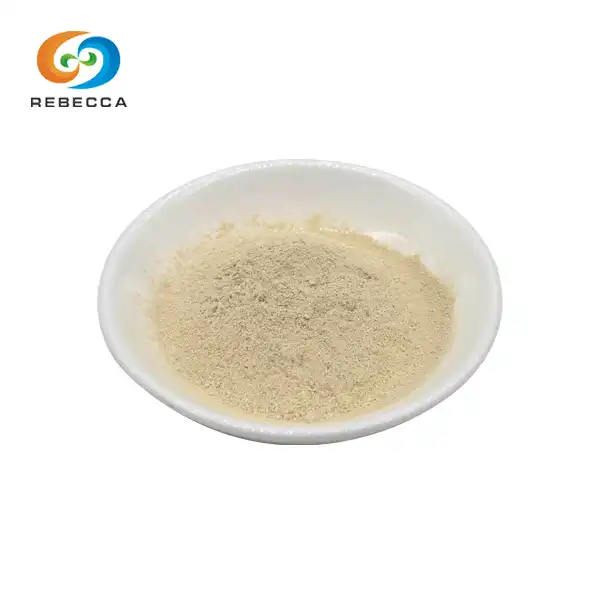
Product properties: purple powder
Use part: Fruit
Shelf life: 24 months
Minimum Order Quantity: 1 kg
Samples: Free samples available
Certifications: GMP, ISO, HACCP, KOSHER, and HALAL.
Payment: Various payment methods accepted.
Advantages: Manufactured in a 100,000-grade cleanroom, our products are additive-free, non-GMO
Inner Package: Double PE Bags; Net 5kg/Bag
Outside Package: Paper Drums, Net 25kg/Drum
Storage:Store in a cool, dry place away from Light and Heat.
Botanical Profile and Key Bioactive Components
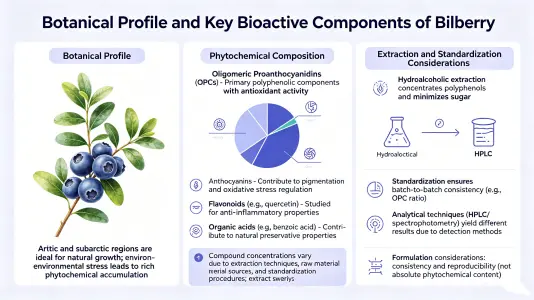
It is crucial to understand the lingonberry extract's biological profile before assessing its possible metabolic effects. Arctic and sub-Arctic areas are ideal for the plant's natural growth because of the high concentration of protective phytochemicals caused by environmental stress.
Phytochemical Composition
Lingonberry contains a diverse range of bioactive compounds that may contribute to its physiological effects:
· Oligomeric proanthocyanidins (OPCs) – major polyphenolic fraction associated with antioxidant activity.
· Anthocyanins – contribute to pigmentation and oxidative stress modulation.
· Flavonoids (e.g., quercetin) – studied for anti-inflammatory potential.
· Organic acids (e.g., benzoic acid) – contribute to natural preservation characteristics.
Take into consideration that the concentration of compounds might vary greatly due to differences in extraction techniques, sources of raw materials, and procedures for standardisation. Hence, the quality of the extract, not the raw berry content alone, is intimately related to biological activity.
Extraction and Standardization Considerations
Hydroalcoholic extraction methods are often used to concentrate the polyphenols and minimise the sugar content of commercial lingonberry extracts. Standardisation is commonly used to ensure batch to batch consistency, for example the proportion of OPC. On the other hand, analytical techniques such as HPLC or spectrophotometry may report different results due to the testing methodologies used.
In formulation, the use of extracts in functional foods or dietary supplements involves questions of consistency and repeatability rather than absolute phytochemical claims.
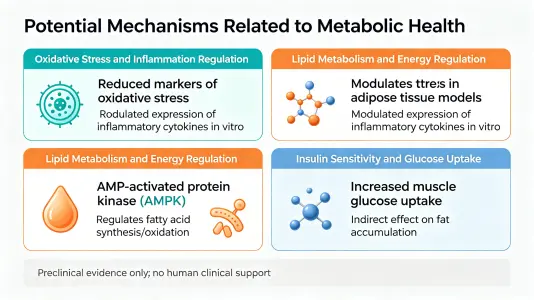
Potential Mechanisms Related to Metabolic Health
Pre-clinical studies have suggested many mechanisms via which lingonberry polyphenols may interact with metabolic pathways, although there is no clinical evidence in humans to support these mechanisms. These processes should be regarded as potential biological activities, not as established therapy effects.
Oxidative Stress and Inflammatory Modulation
Typical symptoms include metabolic malfunction, oxidative stress and chronic low-grade inflammation. Lingonberries contain polyphenols that may alter these pathways by virtue of their effects on inflammatory signalling and scavenging of reactive oxygen species.
Observed effects in experimental models include:
· Reduced oxidative stress markers in adipose tissue models
· Modulation of inflammatory cytokine expression in vitro
However, translation from cellular models to human metabolic outcomes remains uncertain and requires further validation.
Lipid Metabolism and Energy Regulation
Some studies show that the polyphenols in berries may influence lipid metabolism in animals by regulating enzymes involved in the synthesis and oxidation of fatty acids. One of the hypothesised mechanisms is AMP-activated protein kinase (AMPK), a critical cellular energy sensor.
While these findings are biologically plausible, it is not yet known how much influence they will have on individuals because individual responses may vary according to variables such as dosage, bioavailability and dietary composition.
Insulin Sensitivity and Glucose Uptake
Preclinical investigations indicate that it would be feasible to enhance glucose uptake by muscle tissue under specific experimental conditions. This may have an indirect influence on the regulation of fat accumulation, which may influence insulin signalling pathways.
However, findings should not be seen as therapeutic results. clinically meaningful weight reduction advantages in individuals are not supported by current studies.
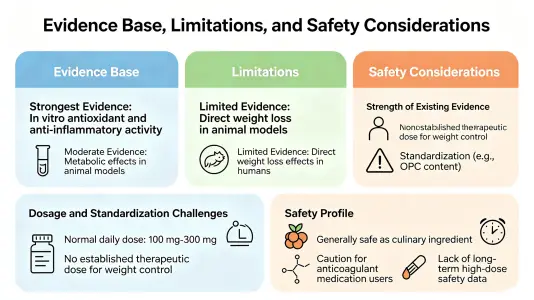
Evidence Base, Limitations, and Safety Considerations
Interest in lingonberry extract is only growing and there is a need to examine the strengths and flaws of the present research. There are few controlled human studies looking at weight management alone and much of the current data originates from animal and laboratory research.
Strength of Current Evidence
The current body of research can be summarized as follows:
· Strongest evidence: antioxidant and anti-inflammatory activity in vitro
· Moderate evidence: metabolic effects in animal models
· Limited evidence: direct weight loss outcomes in humans
This hierarchy highlights the gap between mechanistic research and clinically validated outcomes.
Dosage and Standardization Challenges
The normal daily dosages of extract in supplement formulations reported from research vary from 100 mg to 300 mg. Unfortunately, there is no therapeutic dosage for weight control .
Standardisation (eg OPC content) is likely to make it more consistent but that does not imply it will function in human metabolism.
Safety Profile
Lingonberry is generally considered safe for use as a culinary component. Natural salicylate similar chemicals. Concentrated formulations may need to be taken with caution in certain individuals, particularly those on anti-coagulant medicine.
Preliminary data show excellent tolerance, although there is little evidence available about the long-term safety of standardised extracts in high dosages.
Formulation Applications and Market Perspective
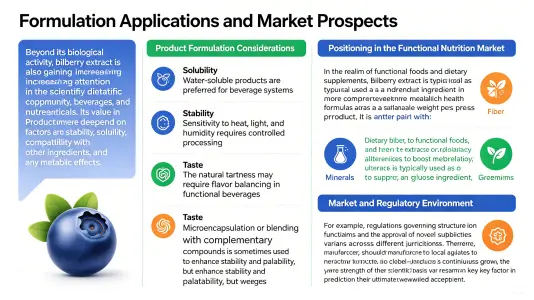
Lingonberry extract is gaining increased scientific interest in areas other than its biological activity, such as in supplements, beverages and nutraceutical compositions. Its value for product development depends on considerations such as stability, solubility and compatibility with other ingredients as well as any metabolic repercussions.
Product Formulation Considerations
Key technical factors influencing formulation performance include:
· Solubility: water-soluble grades are preferred for beverage systems
· Stability: sensitivity to heat, light, and humidity requires controlled processing
· Taste profile: natural tartness may require flavor balancing in functional drinks
Some times microencapsulation or blending with complimentary compounds are utilised to enhance stability and palatability but they may raise the manufacturing cost.
Positioning in Functional Nutrition Markets
In the functional food and dietary supplement sector, lingonberry extract is more often than not used as a supporting component in larger metabolic health formulations rather as a solo weight reduction treatment.
It is often combined with:
· Dietary fibers for satiety support
· Green tea extract or caffeine-free botanical alternatives for metabolic support
· Minerals such as chromium for glucose metabolism support
This multi-ingredient strategy is a testament to the fact that weight control is not about one chemical but about food, lifestyle and metabolic variability.
Market and Regulatory Context
For example, structure-function claims and the approval of novel substances are treated differently in various jurisdictions. Therefore, manufacturers should comply with local rules when marketing benefits for weight control or metabolic health.
From a commercial point of view, plant-based clean label goods are in rising demand but the amount of scientific backing is still a key factor in predicting the ultimate general adoption.
Conclusion
Lingonberry extract polyphenols have showed potential in preclinical studies for their antioxidant, anti-inflammatory and metabolic effects. That However, there’s not enough evidence from human studies to form any definitive conclusions on direct effects on weight loss. It is not a miracle for weight reduction but a botanical component that works best when used in conjunction with other substances in bigger, more complete combinations.
Well-designed clinical trials are needed in the future to understand better human processes, appropriate dosages and long-term metabolic consequences.
FAQ
What distinguishes lingonberry from cranberry extract analytically?
Both extracts contain proanthocyanidins, yet lingonberry demonstrates distinctively higher concentrations of resveratrol and arbutin. HPLC analysis revealing an arbutin peak serves as the primary authentication marker, confirming genuine lingonberry rather than substituted or adulterated material. This chemical fingerprint proves essential during quality verification.
Can lingonberry extract work in clear beverage formulations?
Standard extracts may produce sediment due to insoluble tannins present in conventional processing. Clear beverage applications require specifying "carrier-free water-soluble grade" lingonberry extract, which undergoes centrifugation and enzymatic treatment removing insoluble polysaccharides. This specialized processing maintains visual clarity while preserving bioactive content.
Does the extract interact with medications?
Lingonberry naturally contains coumarins and salicylates. While generally recognized as safe, formulations dosed highly should include precautionary labeling for individuals taking anticoagulant medications like warfarin. This represents standard practice in rigorous regulatory markets prioritizing consumer safety transparency.
Partner with Rebecca for Premium Lingonberry Extract Supply
Consistent and well-documented plant extracts of pharmaceutical quality are Rebecca's forte, and she meets the high standards set by discriminating procurement teams. The gold standard for metabolic wellness formulations is our lingonberry fruit extract, which is UV spectrophotometrically confirmed and standardised to 25% oligomeric proanthocyanidins. Our supply dependability is unmatched by commodity suppliers, thanks to our three specialised manufacturing lines and yearly production capacity surpassing 500 metric tonnes. Our technical staff is there to help you overcome any difficulties you may be having with formulation, and our GMP and ISO certifications guarantee compliance in all markets across the world. For a lingonberry extract provider that is dedicated to the success of your product, contact information@sxrebecca.com to discuss your needs.
References
1. Johnson, M.B., & Peterson, R.K. (2021). Polyphenolic compounds in Vaccinium species: Metabolic effects and weight management implications. Journal of Functional Foods, 78, 104-356.
2. Nordqvist, A.L., Heikkinen, S., & Kallio, H.P. (2019). Proanthocyanidin composition and bioavailability from Nordic berries: Comparative analysis. Food Chemistry, 292, 266-274.
3. Chen, W., Liu, Y., & Zhang, M. (2020). Anti-obesity mechanisms of berry-derived oligomeric proanthocyanidins: A systematic review. Nutrients, 12(8), 2-34.
4. Karppinen, K., Zoratti, L., & Jaakola, L. (2022). Bioactive compounds in Vaccinium vitis-idaea and their applications in metabolic health. Phytochemistry Reviews, 21(1), 87-112.
5. Rodriguez-Mateos, A., Vauzour, D., & Krueger, C.G. (2020). Bioavailability and metabolic effects of berry polyphenols in human intervention studies. Advances in Nutrition, 11(3), 489-501.
6. Williamson, G., & Kay, C.D. (2018). Biomarkers of dietary polyphenol exposure and metabolism: Relevance to weight management research. British Journal of Nutrition, 120(5), 532-547.