Does AKG Powder Reverse Aging?
Alpha-ketoglutarate is not a novel chemical. For billions of years it has been a critical intermediary in the metabolism of energy in all living cells. What’s new is a growing corpus of studies exploring if supplementing with alpha ketoglutarate powdermight reduce — or perhaps partly reverse — measurable signs of biological ageing. In this essay we’ll discuss what the science presently supports, what product criteria important for formulation, and what you should know as a procurement team when sourcing at scale.
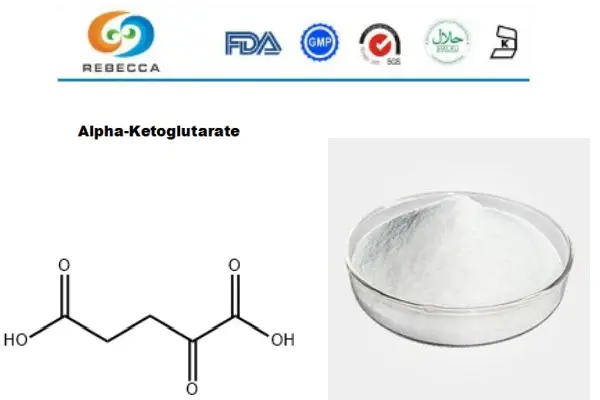
【English name】: Alpha-Ketoglutarate
【CAS No.】: 328-50-7
【Molecular Formula】: C5H6O5
【Active ingredients】: Alpha-Ketoglutarate
【Specification】: Alpha-Ketoglutarate 98%
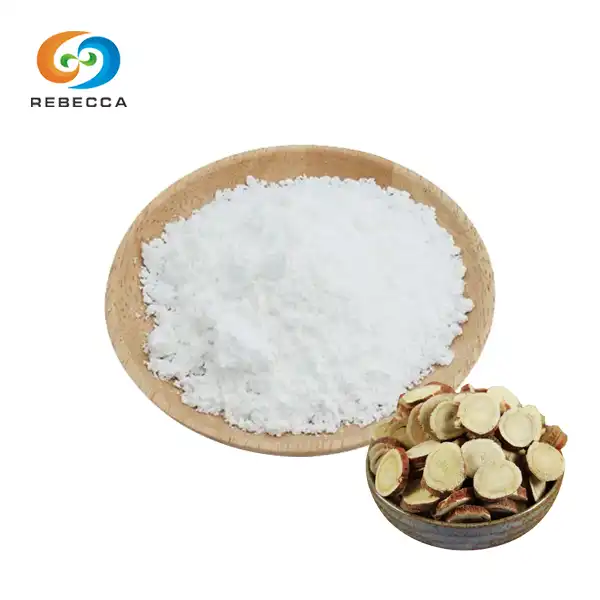
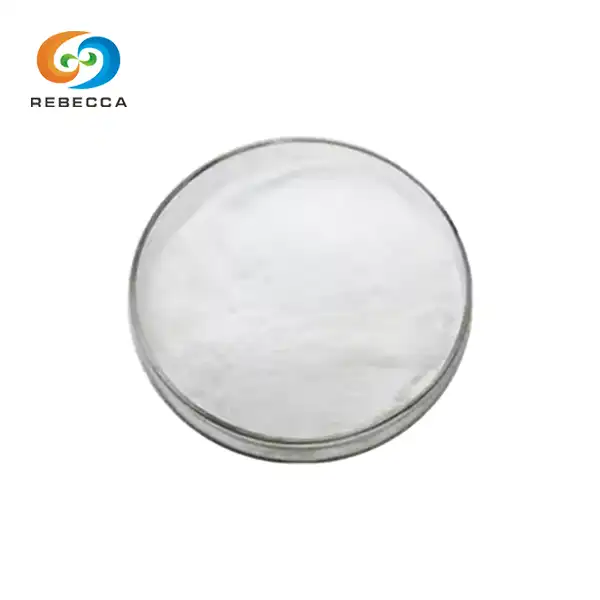
【Appearance】: White powder
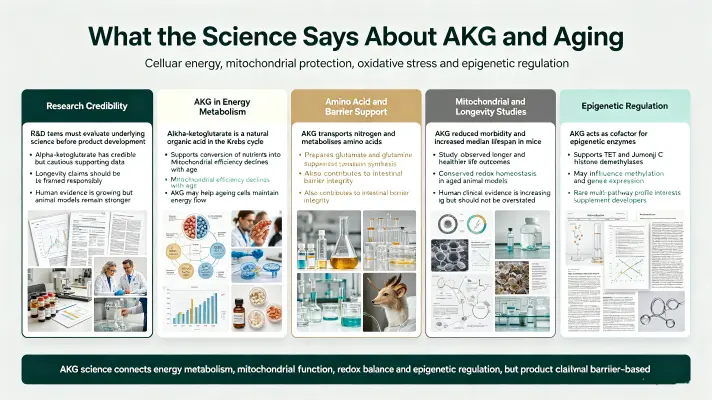
What the Science Says About AKG and Aging
Before a procurement team ever has the chance to assess a supplier, a more basic issue must be answered by the R&D team: is the underlying research credible enough to develop a product around? For alpha-ketoglutarate, the answer is cautious yes—with key cautions regarding where the data is right now.
AKG's Role in Cellular Energy and Metabolism
Alpha-ketoglutarate powder is a naturally occurring organic acid (C₅H₆O₅). It is a key stop in the Krebs cycle, which turns nutrients into ATP, the energy currency cells need for almost every activity.
As we age, the Krebs cycle becomes less efficient. ATP production per substrate is lower in mitochondria. In a low-energy condition, cells limit repair, protein synthesis, and immunological response. Alpha-ketoglutarate powder directly supports this cycle, enabling ageing cells maintain energy flow.
AKG transports nitrogen and metabolises amino acids in addition to producing energy. It prepares glutamate and glutamine, essential amino acids for muscle protein synthesis and intestinal barrier integrity. Both functions drop significantly with age, hence researchers investigated AKG for healthy-aging formulations.
Oxidative Stress and Mitochondrial Protection
Oxidative stress is one of the best-documented drivers of biological aging. Mitochondria generate reactive oxygen species (ROS) as a byproduct of energy production. In young, healthy cells, antioxidant systems neutralize ROS efficiently. In aging cells, that balance shifts. ROS accumulate and begin damaging DNA, membrane lipids, and functional proteins.
This is solved twice by alpha-ketoglutarate powder. Increased mitochondrial electron transport efficiency reduces ROS-induced electron leakage. AKG offers carbon skeletons and facilitates amino acid reactions that generate glutathione, the primary antioxidant.
AKG reduced mice morbidity and increased median lifespan in a 2020 Cell Metabolism study. They lived longer and healthier. A notable lifespan and quality of life research. A 2011 Journal of Physiology and Pharmacology study found that AKG conserved redox homeostasis and increased arterial flexibility in aged animal models.
Animal models provide the most precise longevity data. Human clinical evidence increases. Alpha-ketoglutarate powder makers shouldn't exaggerate science.
Epigenetic Regulation and Gene Expression
Amazing alpha-ketoglutarate powder cofactors epigenetic enzymes. AKG is required for TET and Jumonji C domain-containing histone demethylases. Methylation and histone modification by enzymes activate or silence genes.
Epigenetic marker dysregulation is common with ageing. The silent genes activate. Other cell repair and regeneration pathways are blocked. Alpha-ketoglutarate inhibited ATP synthase and the TOR signalling system, which is associated to C. elegans ageing, according to Nature (2014).
This impacts product makers. Alpha-ketoglutarate powder is adaptable. This affects energy metabolism, redox balance, and epigenetic control.
Due of its rare multi-pathway profile, longevity supplement companies are intrigued.
Knowing the biological foundation, what material should you employ and what quality requirements matter?
AKG Powder Forms and Quality Specifications
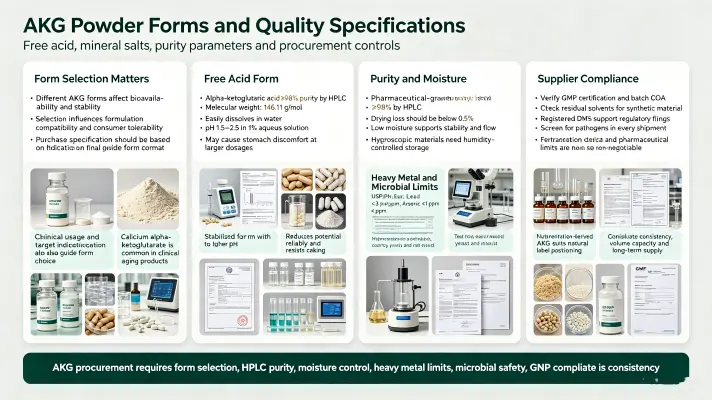
Not all alpha-ketoglutarate is the same. The form you select affects bioavailability, formulation stability, processing behavior, and end-consumer tolerability. Understanding these differences is essential before writing a purchase specification.
Free Acid Form vs. Mineral Salt Forms
Activated alpha-ketoglutaric acid is heavier. Available with ≥98% purity (HPLC confirmed) and 146.11 g/mol molecular weight. It dissolves easily in water, making it ideal for liquid and sachet formulations. Its pH of 1.5–2.5 in 1% aqueous solution may induce stomach discomfort at larger dosages. Hygroscopic, it needs humidity-controlled storage.
Calcium and magnesium alpha-ketoglutarate bind active acids to cations. This stabilises, soothes stomach discomfort, and increases pH. These forms compress reliably and don't cake, simplifying tablet and capsule production. Most clinical trials and anti-aging products use calcium alpha-ketoglutarate powder.
Mineral salts are lighter ketoglutarate in weight. Formulators must consider this when determining dosage equivalency. Calcium salt must weigh more than free acid for 500 mg active AKG.
Key Quality Parameters for Procurement
Alpha-ketoglutarate powder batch evaluations focus on numerous analytical parameters. Purity should be validated by HPLC, with pharmaceutical-grade material satisfying ≥98% test. Drying loss should be below 0.5% to show good manufacturing and packing moisture management.
Nutraceutical and pharmaceutical heavy metal restrictions are impossible to negotiate. USP and Ph.Eur standards commonly set Pb <3 ppm and As <1 ppm as acceptable criteria. Every shipment should have total aerobic count, yeast and mould, and pathogen screening.
Residual solvent testing is relevant for synthetically produced material.
Buying teams should also verify that the supplier is GMP-certified and can provide a comprehensive Certificate of Analysis (CoA) and form stability data. Registered DMFs facilitate downstream regulatory filings in regulated markets.
Other distinctions include manufacturing route. Alpha-ketoglutarate powder is the pharmaceutical standard due to its 98–99% purity and reduced cost. Firms seeking "naturally derived" labels favour fermentation-derived AKG, but batch-to-batch consistency is more expensive and needs more management.
After choosing the right form and quality tier, your formulation team must find a supplier who can meet those criteria consistently, in volume, and over time.
Sourcing Alpha-Ketoglutarate Powder: What B2B Buyers Should Evaluate
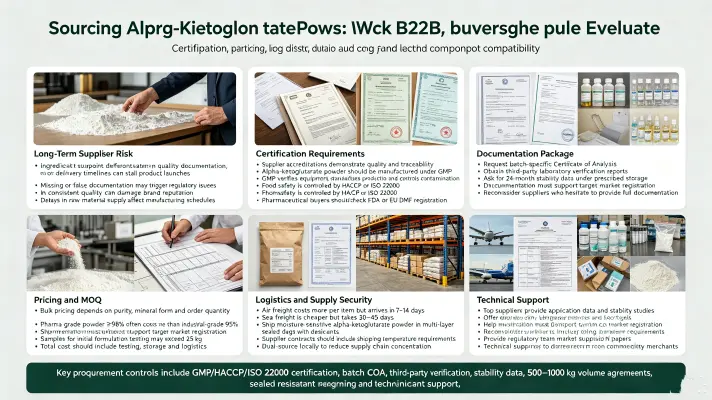
Ingredient sourcing decisions carry long-term consequences. A supplier that fails on quality, documentation, or delivery timelines can stall product launches, trigger regulatory issues, or damage brand reputation. The following criteria are the ones procurement managers consistently identify as decisive.
Certification and Documentation Requirements
The supplier's accreditations demonstrate quality and traceability. Alpha-ketoglutarate powder should be GMP. Verifies equipment, standardises production, and controls contamination.
Food safety is controlled by HACCP or ISO 22000 for functional foods and beverages. Pharmaceutical companies must register DMFs with FDA or EU. Ingredient and manufacturing information are required for drug submissions.
Beyond certificates, request CoA for current manufacturing batches, third-party lab verification reports, and 24-month stability data under prescribed storage. Reconsider suppliers that hesitate on these.
Pricing, MOQ, and Logistics Planning
Alpha-ketoglutarate powder bulk pricing depends on purity, mineral form, and order quantity. Pharma-grade powder (≥98%) often costs more per kilogram than industrial-grade (95% purity). 500–1,000 kilogram volume agreements are typical for long-term pricing. Samples for initial formulation testing may exceed 25 kg.
Shipping affects cost and quality. Air freight costs more per item but arrives 7-14 days. Sea freight is cheaper but takes 30–45 days. Ship moisture-sensitive alpha-ketoglutarate powder in multi-layer sealed bags with desiccants. Supplier contracts should include shipping temperature.
Western purchasers like industrial closeness. Competing shánxi suppliers produce. EU laws and faster travel may help German and Swiss infrastructure. Professional procurement teams may dual-source locally to reduce supply chain concentration.
Technical Support and Formulation Collaboration
Top ingredient suppliers go beyond transportation. They provide application data, stability studies, and guidance on alpha-ketoglutarate powder in tablets, stick packs, beverage premixes, and softgels. Formulation teams using the ingredient for the first time may benefit from supplier technical support.
Ask suppliers to tailor particle size distributions, ensure co-formulated component compatibility, and provide regulatory team market submission papers. These qualities differentiate transactional commodities merchants from partners.
FAQ
What certifications should I require from an AKG powder supplier?
At minimum, require GMP certification and ISO 22000 or HACCP. For pharmaceutical-grade applications, ask whether the supplier holds a Drug Master File (DMF) registration. Always request third-party CoA and batch-specific test reports—not just internal quality documents. Certifications tell you about systems; test reports tell you about the actual product you are buying.
What is the typical lead time and minimum order quantity?
Most established suppliers offer sampling from 25–100 kg with lead times of 2–4 weeks. Commercial orders in the 500–1,000 kg range typically carry lead times of 3–6 weeks depending on production scheduling and shipping method. Sea freight from China adds 30–45 days in transit. If your production schedule is tight, confirm lead time commitments in the supply agreement.
Which form of AKG powder is best for tablet manufacturing?
Calcium alpha-ketoglutarate powder is the most common choice for solid dosage forms. It has better compression characteristics than the free acid and is less hygroscopic, which reduces caking and flow issues on the tablet press. If your product also targets magnesium supplementation or sports nutrition positioning, magnesium AKG is a practical alternative.
How does AKG powder differ from glutamine as a supplement ingredient?
Glutamine primarily supports immune function, intestinal barrier integrity, and recovery from physical stress. Alpha-ketoglutarate powder operates at a different level—as a direct Krebs cycle intermediate that also influences epigenetic enzyme activity. They share some metabolic overlap (AKG is a glutamine precursor), but their formulation rationales are distinct. Some products combine both, using AKG for systemic metabolic support and glutamine for gut and immune applications.
Request Samples and Technical Documentation from Rebecca
Rebecca Biotech manufactures alpha-ketoglutarate powder at our GMP- and ISO 22000-certified facility in Shaanxi, China. We supply free acid and mineral salt forms at ≥98% purity (HPLC verified), with annual production capacity exceeding 500 metric tons across three dedicated production lines.
Every batch ships with a full Certificate of Analysis, third-party heavy metal and microbiological test reports, and stability data. We support FOB, CIF, and DDP shipping terms, with flexible MOQ starting from 25 kg for sampling and trial formulation.
Our technical team is available to assist with formulation questions, regulatory documentation, and application-specific guidance. If you are evaluating alpha-ketoglutarate powder for a new product line, we recommend starting with a sample request and a technical data review.
contact us:
information@sxrebecca.com
References
Asadi Shahmirzadi A, Edgar D, Liao CY, et al. Alpha-Ketoglutarate, an Endogenous Metabolite, Extends Lifespan and Compresses Morbidity in Aging Mice. Cell Metabolism. 2020;32(3):447–456.
Chin RM, Fu X, Pai MY, et al. The Metabolite Alpha-Ketoglutarate Extends Lifespan by Inhibiting ATP Synthase and TOR. Nature. 2014;510(7505):397–401.
Harrison AP, Pierzynowski SG. Biological Effects of 2-Oxoglutarate with Particular Emphasis on the Regulation of Protein, Mineral and Lipid Absorption/Metabolism, Muscle Performance, Kidney Function, Bone Formation and Cancerogenesis. Journal of Physiology and Pharmacology. 2008;59(Suppl 1):91–106.
Niemiec T, Sikorski J, Harrison A, et al. Alpha-Ketoglutarate Stabilizes Redox Homeostasis and Improves Arterial Elasticity in Aged Mice. Journal of Physiology and Pharmacology. 2011;62(1):37–43.
Wu N, Yang M, Gaur U, et al. Alpha-Ketoglutarate: Physiological Functions and Applications. Biomolecules and Therapeutics. 2016;24(1):1–8.
Xiao D, Zeng L, Yao K, et al. The Glutamine-Alpha-Ketoglutarate (AKG) Metabolism and Its Nutritional Implications. Amino Acids. 2016;48(9):2067–2080.