Does fucoxanthin help with weight loss?
fucoxanthin powder is one of the most talked about marine chemicals in the weight control sector. This naturally occurring carotenoid from brown seaweeds such as Laminaria japonica has captured the interest of supplement companies, researchers and consumers looking for non-stimulant solutions for metabolic wellness.
Fucoxanthin is not your standard caffeine-based or appetite-suppressing weight loss drugs; it works via a different biochemical process. Research suggests it may aid with energy expenditure via effects on adipose tissue metabolism, particularly in visceral fat deposits. Yet many still ask the same thing, does fucoxanthin truly help with weight loss and what does the studies really say?
The answer is cautiously optimistic. Research now reveals that fucoxanthin, together with a healthy diet and lifestyle, may aid with weight management. Animal findings have proved encouraging, however clinical data in people are extremely limited. If one is thinking about its usage in weight loss formulations, it is crucial to understand the benefits and limitations of this component.
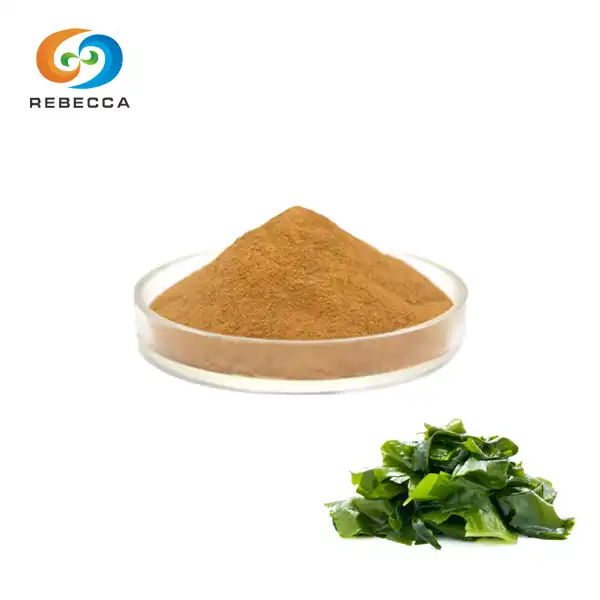
Fucoxanthin Powder
【English name】: Fucoxanthin Powder
【Used part】: Whole Part
【Particle Size】: 80 mesh
【Active ingredients】: Fucoxanthin
【CAS No.】: 3351-86-8
【Molecular Formula】: C42H58O6
【Molecular Weight】: 658.91
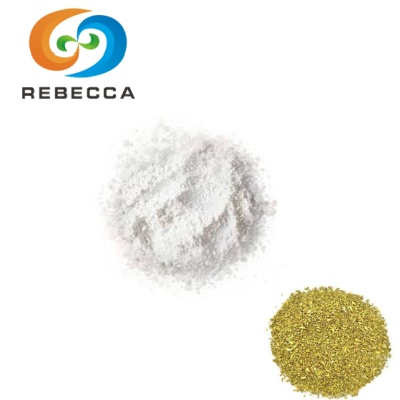
【Specification】: 5% 10% 20% 30% 40% 50% Fucoxanthin
【Appearance】: Yellow or Green Powder
【Test Method】:UV
Fucoxanthin Powder Mechanism in Weight Loss
To appreciate the attention that fucoxanthin has received, one needs to look at how it varies from many traditional weight loss agents.
What Makes Fucoxanthin Different from Other Carotenoids?
Fucoxanthin is a xanthophyll carotenoid that is mostly present in brown seaweeds. Its chemical structure has numerous peculiarities: an allenic link and a 5,6-monoepoxide group. These are traits not shared by other common carotenoids such as beta-carotene and lutein.
The fucoxanthin used in commercial manufacture is obtained from Laminaria japonica and standardised to concentrations of 5–50%. Depending on the purity and on processing processes the product produced may be of varying hue, from yellow-orange to brown-green.
What is interesting about fucoxanthin is that its biological function is not only protection of antioxidants. Its putative impacts on energy metabolism, lipogenesis and glucose homeostasis have been investigated by researchers.
How Does Fucoxanthin Affect Fat Metabolism?
Fucoxanthin powder is metabolised to fucoxanthinol in the digestive system after ingestion. Many of the metabolic actions of the chemical are thought to be due to this metabolite.
One of the most well investigated pathways includes uncoupling protein 1 (UCP1). UCP1 is generally found in brown fat, which burns stored energy to create heat. Studies have shown that fucoxanthin may increase UCP1 expression in white adipose tissue, hence increasing energy expenditure.
In plain English: You may be able to burn more calories as heat instead of storing them as fat. This is a very different process from stimulant based chemicals that work largely by increasing the activity of the neurological system.
Studies in animals have shown that fucoxanthin administration leads to reduced formation of abdominal fat, especially visceral fat. Visceral fat is regarded one of the most metabolically damaging fat depots due to its location around internal organs and its association with insulin resistance and cardiovascular risk.
The results are promising, but scientists now need to find out if the same benefits will be seen consistently in bigger groups of people.

Scientific Evidence and Health Benefits of Fucoxanthin Powder
“While it is important to understand the mechanism, the practical effectiveness depends ultimately on clinical evidence. The reviewed literature gives important insights, but also highlights areas where additional study is needed.
What Do Human Studies Show About Weight Loss?
The most often cited human study was 16 weeks of treatment with a supplement containing fucoxanthin and pomegranate seed oil in obese premenopausal women. Participants decreased weight, body fat mass and liver fat compared to the placebo group.
The researchers also saw improvements in resting energy intake. This suggests that the body was utilising more energy at rest on the supplement.
Nevertheless, the limitations of this study need to be acknowledged. There were a variety of active chemicals in the product therefore it was hard to identify exactly how much of the improvement noticed was attributable to the fucoxanthin alone.
Other human studies have also shown improvements in metabolic markers and body composition, but the number of major clinical trials remains relatively limited. Which is why ethical formulators never sell fucoxanthin as a one-stop weight loss solution.
Potential Benefits Beyond Weight Management
Some research shows that fucoxanthin may do more than merely burn fat. Glucose metabolism and insulin sensitivity have been shown to improve in several animal trials.
Less fat accumulating in the liver and better lipid metabolism could be responsible for the advantages, scientists suggest. Given the significance of excess liver fat for metabolic illnesses, this has brought a lot of attention to this field of study.
Antioxidant effects of fucoxanthin have been proven in various investigations. Obesity, chronic inflammation and the metabolic decline associated with ageing have been linked to oxidative stress. Fucoxanthin may aid to neutralise free radicals, enabling you to keep your overall wellbeing.
Preliminary evidence also suggests some cardiovascular advantages, however these findings need to be confirmed in clinical settings before any judgements can be reached.
What Are the Limitations of Current Research?
So far, so good on this data, but we need to keep expectations low.
Most of the mechanistic studies have been undertaken in cell culture or animal models. There are less human research and comparably little studies, smaller studies.
Researchers still need to determine proper dose, long term safety profile and effectiveness in varied populations. Age, diet, genetics and the baseline metabolic health may all impact outcomes.
Because of these factors, fucoxanthin is more of a supportive factor rather than a conclusive weight loss therapy.

Comparing Fucoxanthin to Alternative Weight Management Ingredients
Many supplement manufacturers consider other prominent elements before they choose a formulation strategy to fucoxanthin. These differences may assist marketers in selecting the appropriate application.
Fucoxanthin vs. Green Tea Extract
Green tea extract remains one of the most popular weight management solutions. Its active catechins like EGCG are often combined with caffeine to trigger thermogenesis.
These products are beneficial for many people. Caffeine products are not for everyone. People who are sensitive to stimulants may have a faster heartbeat, nervousness or difficulties sleeping.
The approach by fucoxanthin is different. It’s not a CNS stimulant and is generally considered to be a non-stimulant ingredient. This makes it attractive for use in formulations for the consumer seeking a caffeine free product.
Fucoxanthin vs. Spirulina and Other Algae Ingredients
Spirulina is loaded in protein, vitamins, minerals and antioxidant compounds. But its primary role is to provide nutritional support, not to specifically target fat metabolism.
Fucoxanthin powder is a little more specific. Research Interests: Adipose tissue regulation, thermogenesis and metabolic health.
Hence many formulators employ a wide range of marine-sourced chemicals to develop broader health treatments supporting nutrition, metabolism and antioxidant defence simultaneously.
Formulation Considerations for Product Developers
For commercial application fucoxanthin is usually paired with substances such as chromium picolinate, berberine, L-carnitine, green tea extract or omega-3 fatty acids.
Formulation teams should also consider stability. Fucoxanthin is sensitive to light, heat and oxidation. The product’s quality can be maintained only when it is properly encapsulated, packed in protective packaging and produced under controlled circumstances.
Manufacturers with expertise in the sector frequently conduct stability testing to ensure that the active content is within specification throughout the shelf life of the product.

Conclusion
Research has shown that fucoxanthin may be a valuable compound for weight management, in a different manner than traditional stimulant-based compounds. Its effects on energy expenditure, visceral fat metabolism and metabolic health indicators have made it an increasingly desirable ingredient for dietary supplements and functional nutrition products.
But the question of scientific openness is important. The human data is still evolving and fucoxanthin powder should not be advertised as a miracle weight-loss substance. The most sensible assumption is that it may be a supporting element of a broader diet and lifestyle strategy.
Quality standardised extracts are equally important for supplement firms and product makers. The success of the final product is determined by all these elements from the type of extraction utilised to the level of purity, consistency of batch-to-batch, regulatory compliance and technical help.
With growing demand for natural non-stimulant solutions for metabolic health among consumers, fucoxanthin will continue to be a major element in next generation weight management formulations.
FAQ
What dosage of fucoxanthin is commonly used in supplements?
Most commercial formulations contain 2 mg to 8 mg of active fucoxanthin daily. The right dose relies on the concentration of the extract, the goals of the formulation and the consumer groups it is aimed at.
How long does it take to see potential results?
The majority of clinical trials with meaningful results were between 8 and 16 weeks in duration. Results might vary from person-to-person based on their diet, exercise habits, and general state of health.
Is fucoxanthin safe for long-term use?
From the available literature, fucoxanthin seems to be usually well tolerated at usual dosages . However, there is a lack of long-term safety evidence in humans. If you have a medical condition or are on drugs, check your doctor before usage.
Can fucoxanthin be combined with other weight management ingredients?
Yes. Fucoxanthin is commonly coupled with other substances like green tea extract, chromium picolinate, berberine, CLA and omega-3 fatty acids. § Product development requires tests of compatibility and stability of the formulation.
Partner with Rebecca for Premium Kelp Extract Solutions
Rebecca’s speciality is the production of fucoxanthin powder with high purity derived from Laminaria japonica by modern supercritical CO2 technique. Our plant in Shaanxi province has 3 GMP-certified manufacturing lines with 500+ metric tonne yearly capacity, to provide steady supply for bulk buying requirements. We provide customised requirements from 5% to 50% fucoxanthin content, supported by thorough quality documentation including heavy metal screening, microbiological testing, and batch-to-batch consistency verification. We are a long-time provider of fucoxanthin powder to pharmaceutical R&D teams, supplement brands and functional beverage makers in North America and Europe and understand the vital role that regulatory compliance and formulation assistance plays. For samples, specification sheets or unique extraction needs for your product development aims, consult with our technical team at information@sxrebecca.com. Our flexible service strategy and variable MOQ rules are designed to serve new businesses as well as established manufacturers looking for trusted partners in kelp extract.
References
1. Abidov M, Ramazanov Z, Seifulla R, Grachev S. The effects of Xanthigen in the weight management of obese premenopausal women with non-alcoholic fatty liver disease and normal liver fat. Diabetes, Obesity and Metabolism. 2010;12(1):72-81.
2. Maeda H, Hosokawa M, Sashima T, Miyashita K. Fucoxanthin and its metabolite, fucoxanthinol, suppress adipocyte differentiation in 3T3-L1 cells. International Journal of Molecular Medicine. 2006;18(1):147-152.
3. Miyashita K, Nishikawa S, Beppu F, Tsukui T, Abe M, Hosokawa M. The allenic carotenoid fucoxanthin, a novel marine nutraceutical from brown seaweeds. Journal of the Science of Food and Agriculture. 2011;91(7):1166-1174.
4. Woo MN, Jeon SM, Kim HJ, Lee MK, Shin SK, Shin YC, Park YB, Choi MS. Fucoxanthin supplementation improves plasma and hepatic lipid metabolism and blood glucose concentration in high-fat fed C57BL/6N mice. Chemico-Biological Interactions. 2010;186(3):316-322.
5. Nishikawa S, Hosokawa M, Miyashita K. Fucoxanthin promotes translocation and induction of glucose transporter 4 in skeletal muscles of diabetic mice. Molecular Nutrition and Food Research. 2012;56(4):554-563.
6. Peng J, Yuan JP, Wu CF, Wang JH. Fucoxanthin, a marine carotenoid present in brown seaweeds and diatoms: metabolism and bioactivities relevant to human health. Marine Drugs. 2011;9(10):1806-1828.