How much alpha lipoic acid for neuropathy?
If you’re wondering how much Alpha-lipoic acid (ALA) to take for neuropathy, most clinical studies show that 600 mg per day is the most beneficial and most well-researched amount. Studies have shown that this quantity may assist with symptoms such as burning, tingling, numbness, and nerve irritation, particularly in those with diabetic peripheral neuropathy.
However, the optimal dose may vary based on individual health circumstances, symptom intensity, and the desired treatment outcome. Knowing how alpha lipoic acid works, the research behind it, and how to take it safely will help you make educated choices.
We will look at clinical data, dose recommendations, safety issues and quality elements to consider when picking an alpha lipoic acid supplement in this article.
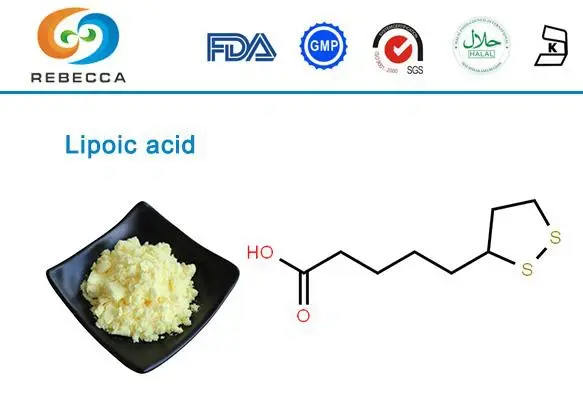
Product Name:alpha lipoic acid
CAS No.:1077-28-7
Specification:99%
Test Method:HPLC
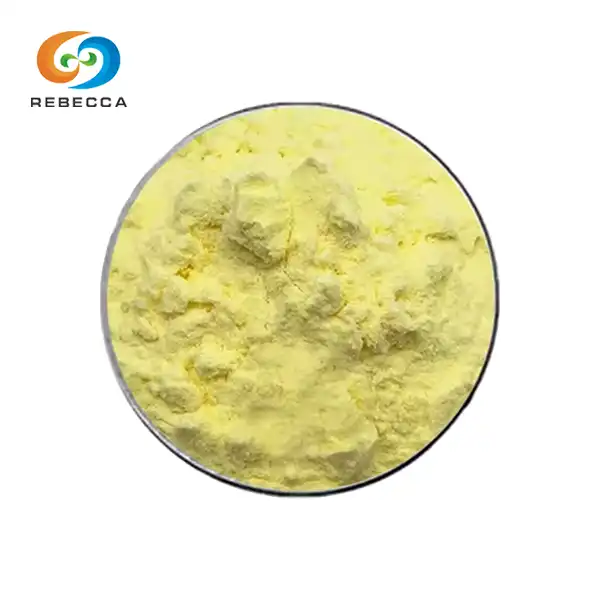
Appearance:Light yellow to yellow powder
What Is the Recommended Alpha Lipoic Acid Dosage for Neuropathy?
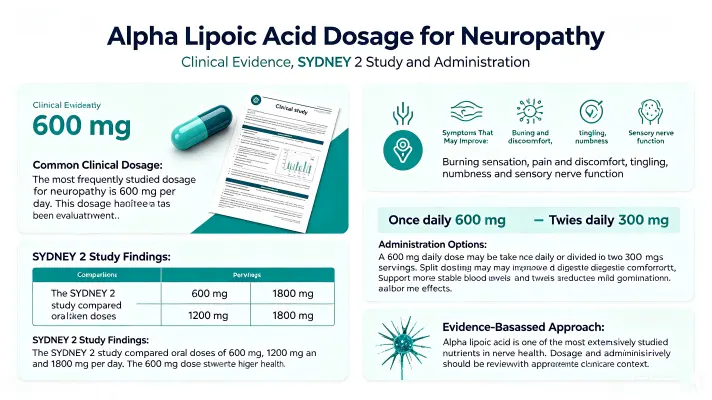
Clinical Studies Most Commonly Use 600 mg Per Day
600 milligrams per day is the average therapeutic dosage for neuropathy support, and this is true across all doses that were evaluated. Following the administration of alpha lipoic acid, a significant improvement in symptoms has been seen in a number of clinical investigations conducted at this level, which included patients who suffered from diabetic peripheral neuropathy.
A number of different oral doses of alpha lipoic acid were investigated in the SYDNEY 2 study, which is one of the most acknowledged sources of research. After putting 600 mg, 1200 mg, and 1800 mg through its paces on a daily basis, the researchers discovered that 600 mg not only provided a substantial reduction in the severity of symptoms, but it was also more well tolerated.
The study observed improvements in:
· Burning sensations
· Pain and discomfort
· Tingling sensations
· Numbness
· Sensory nerve function
Dosage Recommendations by Usage Scenario
|
Daily Dose |
Purpose |
Evidence Level |
|
300 mg |
Entry-level supplementation |
Moderate |
|
600 mg |
Neuropathy symptom support |
Strong |
|
1200 mg+ |
Used in some clinical trials |
Limited additional benefit |
For most adults, healthcare professionals generally consider 600 mg daily the optimal balance between effectiveness and safety.
Should You Take Alpha Lipoic Acid Once or Twice Daily?
Many supplements provide the full 600 mg dose in a single serving. However, some individuals prefer dividing the dosage into two 300 mg servings.
Splitting the dose may help:
· Improve digestive comfort
· Maintain steadier blood levels
· Reduce mild gastrointestinal side effects
ALA is typically absorbed best when taken on an empty stomach approximately 30 minutes before meals.
Now that we've established the commonly recommended dosage, it is equally important to understand why alpha lipoic acid powder has become one of the most researched nutrients for nerve health.
How Does Alpha Lipoic Acid Support Nerve Health?
Oxidative Stress Plays a Major Role in Neuropathy
There is a connection between oxidative stress and inflammation and a number of different forms of neuropathy. The accumulation of an excessive amount of free radicals over a period of time may result in damage to nerve cells, changes in normal nerve transmission, and decreased circulation.
The powerful antioxidant known as alpha lipoic acid is responsible for neutralising these harmful compounds.
Antioxidant ALA, in contrast to many other antioxidants, is soluble in both water and fat. Because it has this unique feature, it is able to work wherever it is needed throughout the body and is not restricted to certain tissues.
ALA Helps Protect Nerve Cells
Research suggests that alpha lipoic acid may support nerve function through several mechanisms:
· Reducing oxidative damage
· Supporting mitochondrial energy production
· Improving blood flow to nerves
· Helping regenerate other antioxidants
· Supporting healthy inflammatory responses
These effects may collectively contribute to healthier nerve function and improved symptom management.
What Types of Neuropathy Have Been Studied?
The strongest evidence currently exists for diabetic peripheral neuropathy. However, researchers have also explored alpha lipoic acid in other situations, including:
· Metabolic neuropathy
· Age-related nerve dysfunction
· Chemotherapy-related nerve damage
· General nerve discomfort associated with oxidative stress
The results will depend on the aetiology of the neuropathy. Hence, it is advisable for people to seek advice from healthcare specialists before to supplementing.
alpha lipoic acid shows promise, but the result isn’t only a matter of dose. Also of importance are safety and correct use.

Is Alpha Lipoic Acid Safe for Neuropathy? Potential Side Effects and Precautions
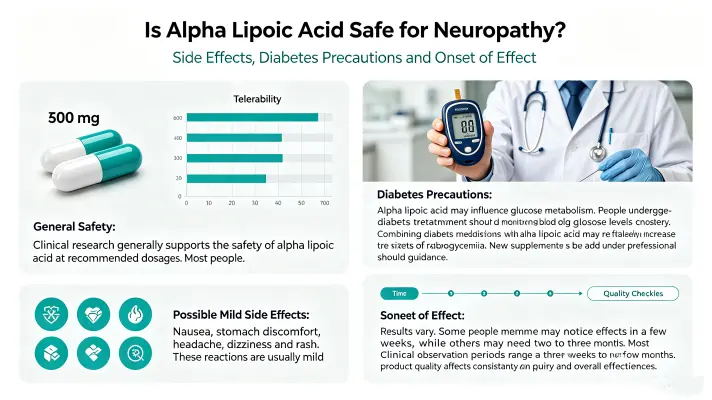
Most People Tolerate 600 mg Well
Clinical research generally reports a favorable safety profile for alpha lipoic acid powder when used at recommended doses.
Most participants taking 600 mg daily experience few or no significant side effects.
However, individual responses may differ.
Possible Side Effects
Some users may experience mild side effects, including:
· Nausea
· Upset stomach
· Headache
· Dizziness
· Skin rash
These effects are typically mild and often improve as the body adjusts.
Special Considerations for People with Diabetes
Alpha lipoic acid may affect glucose metabolism, thus anyone using diabetic treatments should check their blood sugar carefully.
In rare situations, the combination of glucose-lowering medicines with ALA may raise the risk of hypoglycemia.
Adding any new supplement to an established treatment regimen is best done under medical supervision.
How Long Does It Take to See Results?
Results will vary from person to person.Some get results in only a few weeks, while others may need to take the supplement regularly for two to three months before seeing any changes. Most clinical trials look at results across durations ranging from three weeks to six months. Apart from dose and safety, product quality may have a major impact on consistency, purity and overall supplement efficacy.
Conclusion
Based on current clinical data, the most frequently researched and effective dose for neuropathy support is 600 mg of alpha lipoic acid powder daily. This dose has shown to be helpful in relieving symptoms such as burning, tingling, numbness and nerve pain while also retaining a good safety profile.
For those just beginning on the supplement, 300 mg could be sufficient, while greater dosages typically provide no extra benefit and may raise the risk of negative effects.
When choosing an alpha lipoic acid product, it is important to consider quality, purity, testing standards and production procedures. Whether you’re a customer seeking help with symptoms or a supplement brand seeking raw ingredients, it’s critical to choose a provider you can trust in order to get consistent results.
FAQ
What is the safest starting dosage for alpha lipoic acid powder in supplement formulations?
Clinical evidence supports 300 mg daily as a conservative starting point, with gradual titration to 600 mg based on individual response. This approach minimizes potential gastrointestinal adjustment periods while establishing therapeutic blood levels. Divided dosing (200 mg three times daily) often improves tolerability compared to single larger doses.
Can alpha lipoic acid powder be combined with other neuropathy-supporting ingredients?
Yes, combination formulations frequently pair alpha lipoic acid with B-complex vitamins (particularly B1, B6, B12), acetyl-L-carnitine, and omega-3 fatty acids. These ingredients address complementary pathways supporting nerve health through distinct mechanisms. Formulation scientists should verify compatibility and stability testing when developing multi-ingredient products.
How do I verify the quality of bulk alpha lipoic acid powder from suppliers?
Request complete certificates of analysis documenting HPLC purity assay, heavy metal screening, microbial testing, and pesticide residue analysis. Verify manufacturing certifications including GMP and ISO compliance. Reputable suppliers provide batch-specific documentation, maintain traceability systems, and welcome third-party verification testing. Establishing relationships with suppliers demonstrating transparent quality systems reduces supply chain risk substantially.
Partner with Rebecca for Premium Alpha Lipoic Acid Powder
Rebecca is a specialist in the production of pharmaceutical grade alpha lipoic acid powder made to strict GMP and ISO22000 standards guaranteeing the batch consistency and purity your formulas need. Our Shaanxi manufacturing facilities use sophisticated extraction technology and extensive quality testing to offer 99% HPLC confirmed material that meets International standards.
Our knowledgeable staff is attentive to your product development goals, whether you need bulk wholesale quantities, bespoke specifications or technical formulation help. We have extensive stock reserves ensuring delivery times and we can negotiate flexible arrangements to suit both established manufacturers and up and coming firms.
Contact our procurement specialists at information@sxrebecca.com or visit sxrebecca.com to request detailed product specifications, certificates of analysis, and competitive pricing for alpha lipoic acid powder supplier partnerships. Our global logistics expertise ensures seamless delivery with FOB, CIF, or DDP terms matching your operational requirements.
References
1. Ziegler D, Ametov A, Barinov A, et al. "Oral Treatment with Alpha-Lipoic Acid Improves Symptomatic Diabetic Polyneuropathy: The SYDNEY 2 Trial." Diabetes Care, 2006; 29(11): 2365-2370.
2. Shay KP, Moreau RF, Smith EJ, et al. "Alpha-Lipoic Acid as a Dietary Supplement: Molecular Mechanisms and Therapeutic Potential." Biochimica et Biophysica Acta, 2009; 1790(10): 1149-1160.
3. Goraca A, Huk-Kolega H, Piechota A, et al. "Lipoic Acid—Biological Activity and Therapeutic Potential." Pharmacological Reports, 2011; 63(4): 849-858.
4. Rochette L, Ghibu S, Muresan A, Vergely C. "Alpha-Lipoic Acid: Molecular Mechanisms and Therapeutic Potential in Diabetes." Canadian Journal of Physiology and Pharmacology, 2015; 93(12): 1021-1027.
5. Bilska A, Wlodek L. "Lipoic Acid—The Drug of the Future?" Pharmacological Reports, 2005; 57(5): 570-577.
6. Han T, Bai J, Liu W, Hu Y. "A Systematic Review and Meta-Analysis of α-Lipoic Acid in the Treatment of Diabetic Peripheral Neuropathy." European Journal of Endocrinology, 2012; 167(4): 465-471