Pterostilbene Bioavailability VS Resveratrol
The absorption difference between pterostilbene and resveratrol is one of the most important things to think about when considering bioactive molecules for supplement development. Pterostilbene powder is better at being absorbed; it has a gastric bioavailability of about 80%, while resveratrol's is only 20%. This higher absorption is because pterostilbene has a special chemical structure with two methoxy groups that make metabolic stability and cell entry much better. Using the dimethylated version gives procurement managers a scientifically sound way to make high-performance antioxidant mixtures that need less doses and make customers happier.
It is important for buying workers who work in today's competitive supplement market to understand the changes in absorption between pterostilbene and resveratrol. The changes to the molecules that make these substances different make big differences in how quickly they are absorbed, how stable they are in the body's metabolism, and how well they work overall. This information gives buyers the power to make smart choices about where to buy things that meet quality standards and customer demands while also keeping them competitive in the nutritional sector.
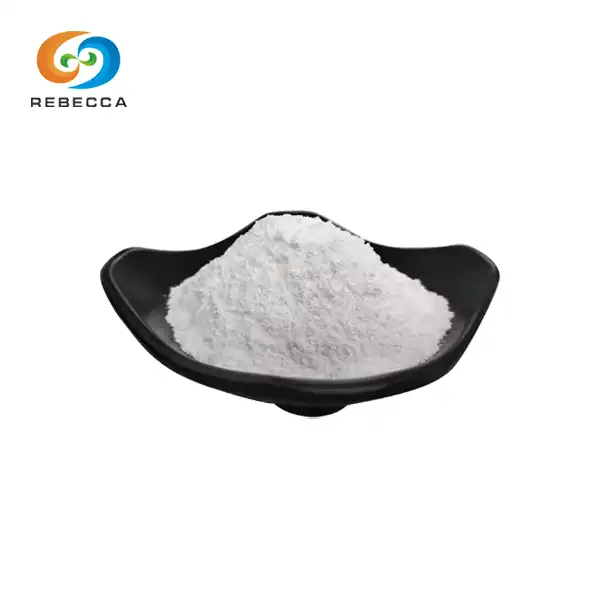
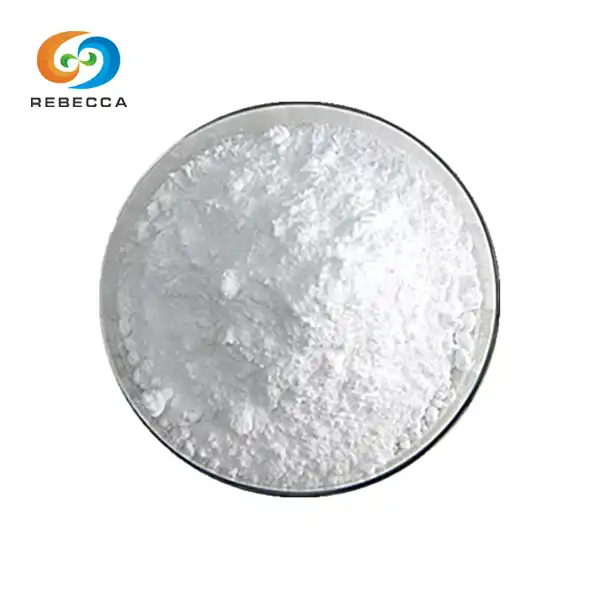
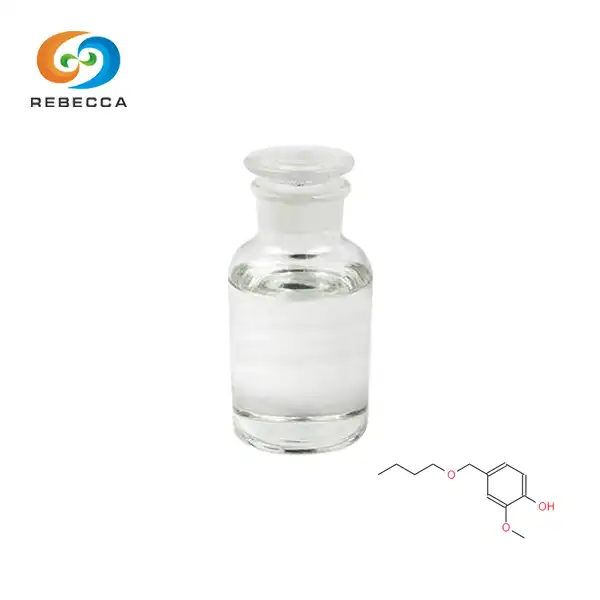
Pterostilbene Powder
Product: Pterostilbene
CAS No.: 537-42-8
Specification: Pterostilbene , Min 99%, HPLC.
Test Method: HPLC
Latin Name:Vaccinium uliginosum L.
Shelf Life: 2 years
Minimum Order Quantity: 1 kg
Samples: Free samples available
Certifications: GMP, ISO, HACCP, KOSHER, and HALAL.
Payment: Various payment methods accepted.
Advantages: Manufactured in a 100,000-grade cleanroom, our products are additive-free, non-GMO
Inner Package: Double PE Bags; Net 5kg/Bag
Understanding Pterostilbene and Resveratrol
Chemical Structure and Natural Sources
Resveratrol and pterostilbene are both stilbenoid polyphenolic substances, but their molecular structures make them work in different ways. Resveratrol (trans-3,5,4'-trihydroxystilbene) features three hydroxyl groups that contribute to its potent antioxidant properties but also render it susceptible to rapid metabolic degradation. This chemical is found naturally in grape skins, red wine, and some berries, especially when the plants are stressed by things in the environment.
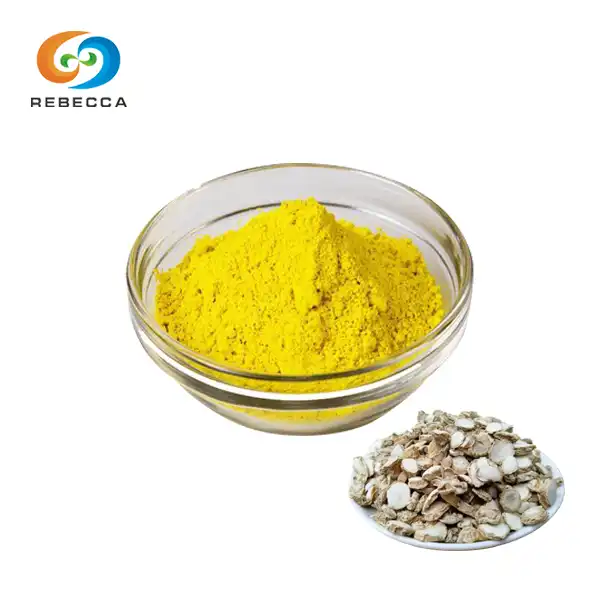
Pterostilbene, also known as trans-3,5-dimethoxy-4'-hydroxystilbene (CAS: 537-42-8), is a naturally occurring dimethylated form of resveratrol that can be found in blueberries (Vaccinium uliginosum L.) and Pterocarpus marsupium heartwood. Changing two hydroxyl groups to methoxy groups changes the drug's pharmacokinetic profile in a basic way. This change to the structure makes it more lipophilic (LogP value of about 3.54) than resveratrol, which is more hydrophilic.
Chemical synthesis or microbial fermentation methods are usually used to make commercial-grade pterostilbene powder that is at least 99% pure. With a freezing point range of 89°C to 92°C, the solid white to off-white powder stays stable when stored properly.

Applications in Supplement Manufacturing
The nutrition business uses these substances in a lot of different types of products. Resveratrol is already commercially available in vitamins for heart health, anti-aging goods, and general wellness. Because customers are familiar with it, brands that want to use well-known ingredients can benefit from its marketing benefits.
Pterostilbene is mostly used in high-end anti-aging goods, recipes that protect neurons, and products that support brain health. Its high solubility makes the higher ingredient costs worth it. Because the substance makes the blood-brain barrier more permeable, it is very useful for nootropic and brain health products.
Bioavailability Comparison: Pterostilbene vs Resveratrol
Absorption and Metabolic Stability
One of the most important differences in the stilbenoid market is that pterostilbene is more bioavailable than resveratrol. Clinical tests show that pterostilbene powder has an oral bioavailability rate of almost 80%, while resveratrol only hits 20% of the time in the same situations. This fourfold difference comes from the way metabolism works being very different.
Resveratrol is quickly broken down in Phase II by glucuronidation and sulfation pathways in the liver and the wall of the intestine. With a plasma half-life of about 14 minutes, these conjugation processes quickly stop the molecule from working and get it ready to be flushed out of the body. Because it leaves the body quickly, it needs to be dosed more often or in much higher amounts to keep appropriate levels.
The methoxy groups in pterostilbene act as steric hindrance, which stops liver enzymes from breaking it down. Because of this protection, the plasma half-life is now about 105 minutes, which is seven times longer than resveratrol. Because it is more stable, it can be given less often, and the blood levels stay the same throughout the day.
Impact on Formulation Strategies
The changes in solubility between these chemicals have a direct effect on how they need to be formulated and how they should be dosed. Formulations with resveratrol need doses between 250 mg and 500 mg to reach the right blood levels. Formulations with pterostilbene can have similar benefits with doses between 50 mg and 100 mg. This lower amount has several benefits for suppliers, such as lower costs per effective dose, smaller pill sizes, and better obedience from consumers.
Because pterostilbene is more lipophilic, it is also easier to incorporate into different transport methods. Resveratrol needs special ways to be made or to be given with substances that help the body absorb it better. But pterostilbene dissolves easily in fat-based systems and has better membrane permeability without any extra help.
Performance and Effectiveness: Which Antioxidant Is Superior?
Antioxidant Capacity and Cellular Protection
Both substances are very good antioxidants that work in a number of ways, such as directly removing free radicals, chelating metals, and starting up the body's own antioxidant systems. Bioavailability limits, on the other hand, make them very different in how well they work in living systems.
According to research, pterostilbene is better at getting into cells and staying there than resveratrol. Because the membranes are less dense, pterostilbene can build up in specific tissues at higher amounts. This could mean that cells are better protected by antioxidants. This benefit is especially useful in cells like brain tissue that have walls made of lipids.
The molecule also shows better activity of cellular defense systems, such as Nrf2 signaling and SIRT1 pathways (sirtuin 1). These pathways control how cells react to stress and may help explain why experimental studies have shown that they can make people live longer.
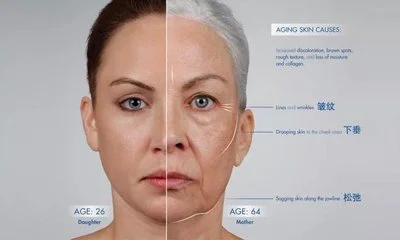
Neuroprotective Benefits and Cognitive Support
The better ability of pterostilbene powder to pass through the blood-brain barrier makes it very useful for cognitive health. Resveratrol is water-loving and breaks down quickly, so it doesn't get into the brain very well. But pterostilbene gets into brain tissue easily and may help neurons work better and stay safe.
Clinical studies that looked at the brain benefits of pterostilbene supplements showed that they might work. Healthy people who took 215 mg of pterostilbene every day showed changes in their working memory and cognitive flexibility in a randomized controlled study. These results happened without any major side effects, which supports the compound's safety profile for use in market products.

Safety Profiles and Regulatory Considerations
In human tests, both substances have been shown to be very safe, with no major side effects seen at normal supplement doses. A lot of research and business use over many years has shown that resveratrol is safe. On the other hand, safety studies on pterostilbene show that it can be used at doses of up to 250 mg per day without major problems.
Because pterostilbene is more powerful, it's important to follow the dosing instructions and quality control steps very carefully. To keep product safety and performance uniform, procurement managers must make sure that sellers provide correct data on stable and strength tests.
Procurement Insights: Sourcing High-Quality Pterostilbene Powder
Quality Parameters and Testing Requirements
To find high-quality pterostilbene powder, you have to pay close attention to quality standards that make sure the product works and follows the rules. HPLC research is used to check the purity, which is the main quality factor. Pharmaceutical-grade products must reach at least 99% purity levels. This high standard for clarity gets rid of any possible impurities that could make the product less stable or raise safety issues.
Important testing factors include more than just measuring purity; they also include a full study of any remaining liquids, heavy metals, or bacterial toxins. The levels of methanol and ethanol leftovers must stay below 3000ppm and 5000ppm, which are the levels used in industrial production for synthesis or extraction. To meet international safety guidelines, the total amount of heavy metals should not be more than 10ppm, and there should be defined rules for lead, mercury, cadmium, and arsenic.
High-quality pterostilbene has a certain melting point range and a white to off-white solid look of its molecules. If the freezing point isn't between 89°C and 92°C as predicted, it could mean that there are impurities or inactive cis-isomers in the product that could make it less effective.
Supplier Evaluation and Certification Standards
To find trusted providers, you need to look at their producing skills, quality processes, and compliance with regulations. The best providers keep a number of international certificates, such as GMP (Good Manufacturing Practices), ISO quality management systems, HACCP (Hazard Analysis Critical Control Points), and special certifications like KOSHER and HALAL for a range of market uses.
Standards for manufacturing facilities are very important for making sure that products are of high quality. Premium providers have cleanrooms with a rating of 100,000 or higher, which makes sure that there is little to no pollution during the production and packing processes. The fact that pterostilbene is sensitive to light and oxidation makes these controlled conditions even more important.
Transparency and tracking in the supply chain are two more rating factors that help build long-term buying relationships. Reliable sellers give a lot of information about where the raw materials come from, how the products are made, the results of quality tests, and stable studies. With this paperwork, buying teams can do their research thoroughly and stay in line with regulations in a number of different market areas.
Packaging and Storage Considerations
For pterostilbene to stay stable during shipping and storage, it needs to be packed and stored in the right way. Because the molecule is sensitive to UV light, it needs to be packed in dark materials that stop photoisomerization from changing the form from the active trans form to the less active cis form. Double PE bag packing methods effectively keep out wetness while keeping the consistency of the product during long times of storing.
Most storage temperature guidelines say that the space should be cool, dry, and below 25°C. The relative humidity should also stay below 60%. When properly packed and kept, these conditions help keep the product's effectiveness for the usual two years. Specific keeping and handling rules should be written into procurement contracts to protect the quality of the product from the time it is made until it is delivered to the end user.
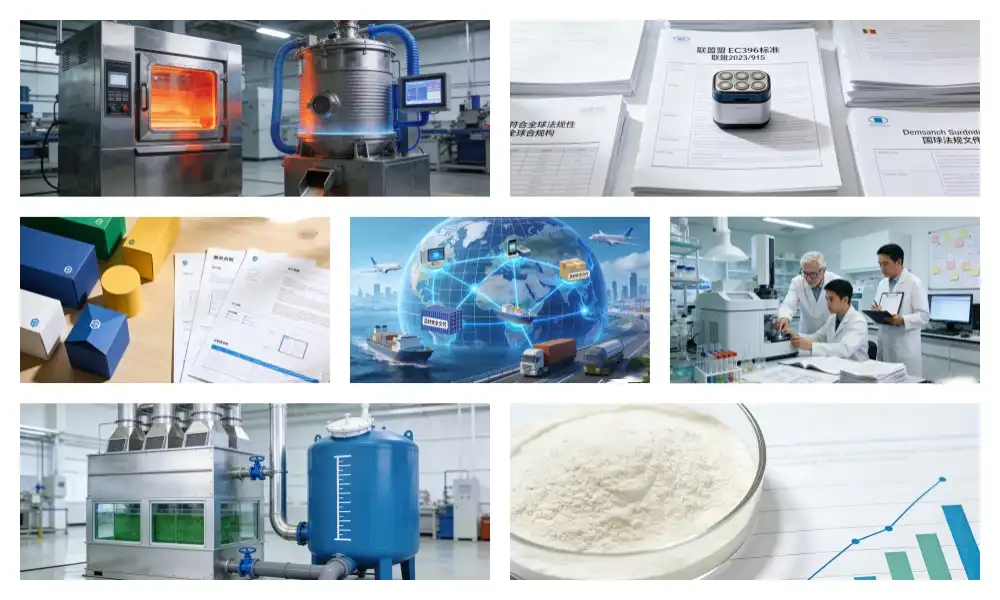
Conclusion
A study of the solubility of pterostilbene and resveratrol shows that pterostilbene is much more useful in most business settings. Resveratrol is only 20% bioavailable when taken by mouth, but pterostilbene powder is 80% bioavailable, making it a scientifically better ingredient for making high-performance supplement mixtures. Better cellular uptake, improved metabolic stability, and longer plasma half-life are all great benefits that make it worth paying more for in competitive markets. Because of these benefits, quantity needs go down, customer happiness goes up, and there are more ways to differentiate products in the brain health, anti-aging, and luxury wellness areas.
Partner with Rebecca for Premium Pterostilbene Powder Supply
Rebecca is a reliable source for pterostilbene powder. It only sells pharmaceutical-grade products that meet the highest quality standards in the nutrition business. Our cutting-edge factory follows strict GMP, ISO, HACCP, KOSHER, and HALAL rules, so the quality of your recipes will stay the same from batch to batch. Our goods meet the performance and dependability standards of your brand thanks to HPLC testing that confirms they are at least 99% pure and detailed quality documentation.
Our production setting is a 100,000-grade laboratory that makes additive-free, non-GMO pterostilbene that is very stable and bioavailable. We help with product creation from the idea stage to large-scale production, starting with flexible 1 kg minimum orders and free trials. Rebecca's technical knowledge goes beyond just supplying ingredients. She can also help with manufacturing, legal issues, and custom package solutions that cut down on your time to market while keeping your competitive edge in high-end supplement categories.
Contact our team at information@sxrebecca.com to discuss your specific requirements and discover how our premium pterostilbene solutions can enhance your product portfolio's performance and market positioning.
FAQ
What is the optimal dosage range for pterostilbene powder in supplement formulations?
Clinical studies support pterostilbene dosages ranging from 50mg to 250mg daily, with most cognitive health applications utilizing 100-150mg doses. The enhanced bioavailability allows for significantly lower doses compared to resveratrol while maintaining comparable or superior efficacy levels.
How can buyers verify the purity and authenticity of pterostilbene before purchase?
Reputable suppliers provide comprehensive certificates of analysis including HPLC purity testing, residual solvent analysis, heavy metal screening, and microbiological testing. Third-party testing through independent laboratories offers additional verification for high-value purchases.
Can pterostilbene be safely combined with other antioxidants in formulations?
Pterostilbene powder demonstrates excellent compatibility with other antioxidants including vitamin C, vitamin E, and various polyphenolic compounds. Combination formulations may provide synergistic benefits through complementary antioxidant mechanisms and different tissue targeting profiles.
What quality certifications should buyers prioritize when sourcing pterostilbene?
Essential certifications include GMP manufacturing compliance, ISO quality management systems, and HACCP implementation. Additional certifications such as KOSHER, HALAL, and organic status may be required depending on target market requirements and brand positioning strategies.
How does storage and packaging affect pterostilbene stability and shelf life?
Pterostilbene requires protection from UV light, moisture, and excessive heat to maintain stability throughout its two-year shelf life. Double PE bag packaging in opaque containers, combined with cool storage conditions below 25°C, preserves potency and prevents degradation during storage and transportation.
References
1. McCormack, D. & McFadden, D. (2013). A Review of Pterostilbene Antioxidant Activity and Disease Modification. Oxidative Medicine and Cellular Longevity, 2013, 575482.
2. Kapetanovic, I.M., Muzzio, M., Huang, Z., Thompson, T.N. & McCormick, D.L. (2011). Pharmacokinetics, oral bioavailability, and metabolic profile of resveratrol and its dimethylether analog, pterostilbene, in rats. Cancer Chemotherapy and Pharmacology, 68(3), 593-601.
3. Riche, D.M., McEwen, C.L., Riche, K.D., Sherman, J.J., Wofford, M.R., Deschamp, D. & Scheff, M. (2013). Analysis of safety from a human clinical trial with pterostilbene. Journal of Toxicology, 2013, 463595.
4. Joseph, J.A., Fisher, D.R., Cheng, V. & Rimando, A.M. (2008). Cellular and behavioral effects of stilbene resveratrol analogues: implications for reducing the deleterious effects of aging. Journal of Agricultural and Food Chemistry, 56(22), 10544-10551.
5. Remsberg, C.M., Yáñez, J.A., Ohgami, Y., Vega-Villa, K.R., Rimando, A.M. & Davies, N.M. (2008). Pharmacometrics of pterostilbene: preclinical pharmacokinetics and metabolism, anticancer, antiinflammatory, antioxidant and analgesic activity. Phytotherapy Research, 22(2), 169-179.
6. Chang, J., Rimando, A. & Pallas, M. (2012). Low-dose pterostilbene, but not resveratrol, is a potent neuromodulator in aging and Alzheimer's disease. Neurobiology of Aging, 33(9), 2062-2071.