
Skullcap Extract Benefits
Skullcap extract comes from Chinese skullcap, also known as Scutellaria baicalensis. It is well-studied in botanical and medicinal research because to its flavonoid-rich composition. Main chemicals include baicalin, baicalein, and wogonin. They are commonly linked with antioxidant and inflammatory related pathways.
Skullcap extract is employed in current applications in nutraceuticals, cosmetics and functional formulations. However, the effects of this drug are based mostly on preclinical and limited clinical studies and should be regarded with caution.、
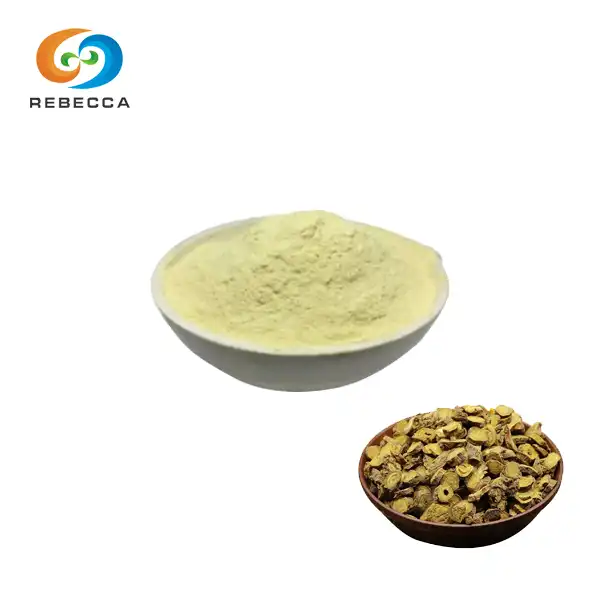
Baical Skullcap Root Extract
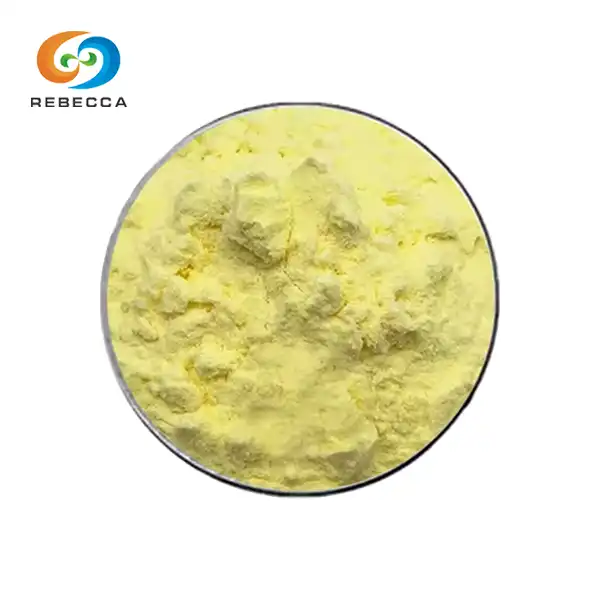
【English name】: Baicalein
【Another name】: Scutellaria Baicalensis Extract
【Latin name】:Scutellaria baicalensis Georgi
【CAS No.】: 491-67-8
【Active ingredients】: Baicalein
【Molecular Formula】: C15H10O5
【Molecular Weight】: 270.24
【Specification】: Baicalein Min 98%, HPLC
【Appearance】: Yellow crystalline powder
【Test Method】: HPLC
【Solubility】: Soluble in DMSO (slightly) and methanol (slightly).
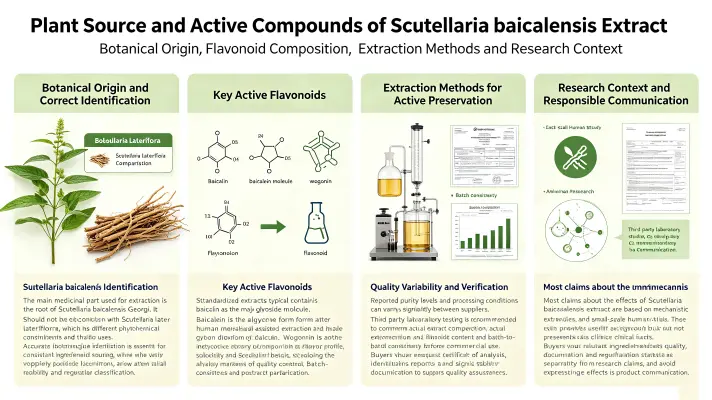
Botanical Origin and Active Compounds
The main medicinal part utilised for extraction is the root of Scutellaria baicalensis Georgi. This is not to be confused with Scutellaria lateriflora, which contains distinct phytochemicals and traditional applications.
Standardised extracts usually include baicalin as the major glycoside molecule. Baicalein is the aglycone form that results from metabolic conversion in the human body. Wogonin is another bioactive flavonoid, which adds to the total phytochemical profile.
Extraction procedures such as ethanol extraction, ultrasonic-assisted extraction and supercritical CO 2 techniques are utilised to retain the active ingredients. Reported purity levels and processing conditions vary widely amongst providers however and should be validated with third party testing.
Having understood the botanical basis, it is crucial to look at the way these substances are addressed in biological and functional studies. Most of the purported advantages of skullcap extract are based on mechanistic research, animal studies and small human trials. These results are contextualised here, although not clinically definite.
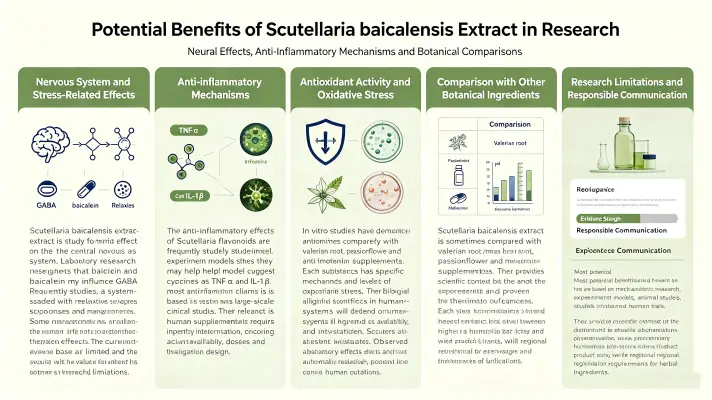
Proposed Benefits of Skullcap Extract in Research Contexts
Neurological and Stress-Related Effects
The extract from skullcap is often researched for possible impacts on the central nervous system. In laboratory experiments, baicalin and baicalein have been demonstrated to affect GABA-related pathways. This system is linked to relaxation responses and stress management.
There are several animal and tiny human studies that show potential relaxing benefits. But such data are not adequate to show a therapeutic effectiveness. The evidence base remains early, and should be regarded within the constraints of research.
Anti-Inflammatory and Antioxidant Mechanisms
The anti-inflammatory effects of skullcap flavonoids are often studied. Experimental models have shown some evidence of a possible regulation of cytokines such as TNF-α and IL-1β.
Also an antioxidant activity in vitro has been demonstrated. These chemicals might scavenge reactive oxygen species and thereby counteract oxidative stress. But their biological significance in human systems will be determined by bioavailability and dose (currently under research).
It should be noted that most anti-inflammatory claims are based on laboratory settings, not large scale clinical studies.
Comparative Context with Other Botanical Ingredients
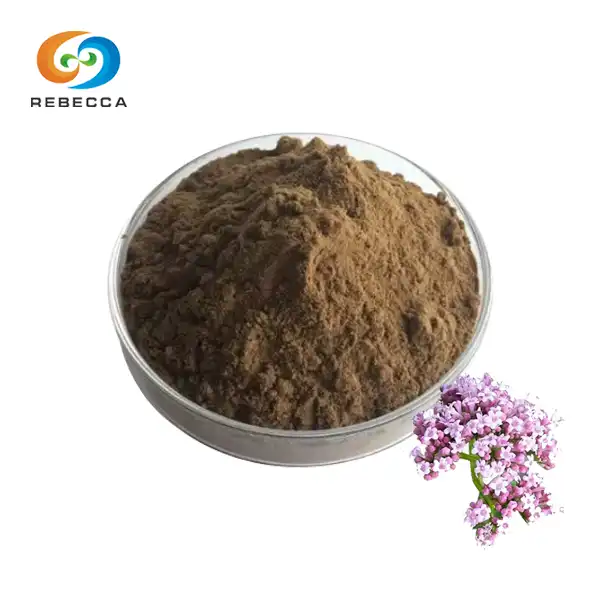
Skullcap extract is frequently likened to botanicals like valerian root, passionflower and melatonin supplements. Each substance has a particular mode of action and level of evidence.
For example, valerian includes volatile chemicals that may impact sleep pathways, but must be formulated in a unique manner to be stable . Skullcap extracts are often more chemically stable over a broader range of pH which may be advantageous for product formulation in drinks and capsules.
However, there is a lack of direct comparative clinical data amongst these botanicals. So, it is not appropriate to claim supremacy in terms of positioning but to focus on the formulation features.
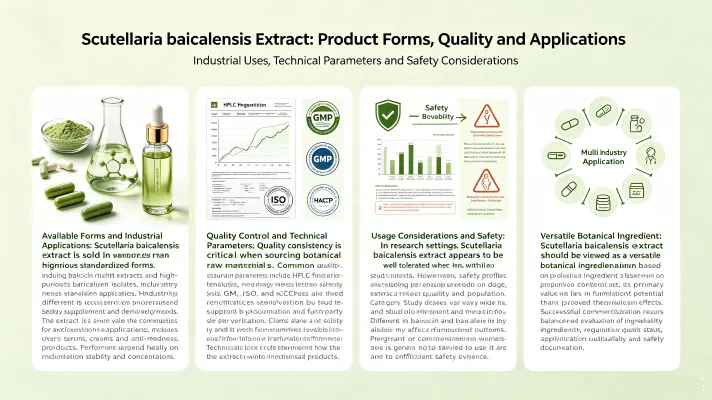
Product Forms, Quality Considerations, and Usage Context
Available Forms and Industrial Applications
Skullcap extract is sold in a number of standardised forms, including extracts that are rich in baicalin and isolates of high-purity baicalein. distinct industries have distinct needs when it comes to using these forms.
High purity isolates are commonly desired in pharmaceutical research and formulation development. In nutritional supplements and functional meals, standardised extracts are increasingly often employed.
Skullcap extract is also appreciated in cosmetics for its antioxidant effects, for example in serums, creams and products that fight redness. But the effectiveness is strongly reliant on the stability of the formulation and its concentration.
Quality Control and Technical Parameters
Quality consistency is a key element when purchasing botanical ingredients. Commonly used parameters for quality assurance include HPLC fingerprinting, testing of heavy metals and microbiological safety analysis.
GMP, ISO and Haccp certifications are vital but they need to be backed by clear documentation and third party verification. Without this certification claims alone are not adequate indications of product dependability.
Particle size, solubility and purity levels can have an impact on formulation performance. The technical aspects decide the degree to which the extract is included in the final goods.
Usage Considerations and Safety Context
In research settings, skullcap extract seems to be well tolerated when used in researched ranges. But safety profiles differ based on dose, extract quality and demographic category.
Research doses vary greatly and should not be taken as medical advice. Differences in bioavailability between baicalin and baicalein also influence functional results.
Pregnant or breastfeeding people are often excluded from supplementing because of insufficient safety evidence.
Based on the forms of the product and the biological environment, it is obvious that skullcap extract should be considered a multi-functional botanical element. The main value of this medicine is in its formulation potential rather than demonstrated therapeutic effects.
Conclusion
Scientific Positioning and Practical Value
Skullcap extract is a bioactive plant with potential, yet nascent, science behind it. The flavonoids present are responsible for the antioxidant and anti-inflammatory action shown in experimental studies.
However, present data does not support its clinical validation as a therapeutic agent. Its best defined uses are in the field of functional nutrition, cosmetic formulation and early-stage drug discovery.
Final Considerations for Developers and Formulators
Skullcap extract should be examined by product developers on quality consistency, extraction procedure and transparency of source. Third-party testing and regulatory compliance are important for safety and trust.
When used appropriately, skullcap extract may play a versatile role as a plant-based component in science-based products. Its usefulness is maximised if the claims are consistent with existing levels of evidence and regulatory frameworks.
FAQ
What potential side effects should formulators consider?
Published safety data indicates skullcap extract demonstrates favorable tolerability profiles at typical usage levels. Rare instances of gastrointestinal discomfort have been reported, typically associated with high-dose consumption. Product developers should include appropriate usage instructions and consult regulatory guidelines for specific markets. Quality concerns historically stemmed from adulteration with hepatotoxic Teucrium species—emphasizing the importance of supplier authentication protocols and third-party testing.
Can skullcap extract be used during pregnancy or with medications?
Pregnancy and lactation represent contraindications for most botanical supplements absent specific safety data. Procurement teams supplying consumer-facing brands should ensure appropriate labeling warnings. Potential interactions with CNS-acting medications warrant professional healthcare consultation—information typically included in product disclaimers. These considerations highlight the importance of comprehensive safety documentation from ingredient suppliers.
How does efficacy compare to synthetic anxiety remedies?
While direct comparisons require careful interpretation, research suggests baicalin's GABA-receptor modulation offers functional benefits through different mechanisms than benzodiazepines, potentially with reduced dependency risk. This positions skullcap-containing products as complementary wellness ingredients rather than pharmaceutical replacements. Marketing claims must reflect regulatory guidelines for structure-function statements versus disease treatment assertions—an area where experienced suppliers provide valuable guidance to ensure compliant product positioning.
Partner with Rebecca for Premium Skullcap Extract Supply
Rebecca specialises in high purity botanical substances made to pharmaceutical standards, including baicalein to 98% specification and standardised skullcap root extracts for a variety of purposes. We are GMP, ISO, HACCP, KOSHER and HALAL certified, enabling worldwide regulatory compliance. Our 100,000 grade cleanroom manufacturing environment offers additive free, non-GMO products with excellent batch to batch consistency. Whether you need small-volume samples for formulation development or bulk supply with customised requirements, our technical staff is attentive to your needs throughout the sourcing process. As a veteran producer of skullcap extract for pharmaceutical R&D organisations, supplement brands and ingredient distributors worldwide, we understand the crucial necessity of supply dependability and quality of documentation. Contact our dedicated procurement professionals via e-mail at information@sxrebecca.com to discuss your unique needs and get technical dossiers or schedule a no-cost examination of your samples – let us show you how our knowledge can help you reach your product innovation goals.
References
1. Awad R, Arnason JT, Trudeau V, et al. Phytochemical and biological analysis of skullcap (Scutellaria lateriflora L.): a medicinal plant with anxiolytic properties. Phytotherapy Research. 2014;28(5):692-698.
2. Brock C, Whitehouse J, Tewfik I, Towell T. American skullcap (Scutellaria lateriflora): a randomised, double-blind placebo-controlled crossover study of its effects on mood in healthy volunteers. Phytotherapy Research. 2014;28(5):692-698.
3. Shang X, He X, He X, et al. The genus Scutellaria an ethnopharmacological and phytochemical review. Journal of Ethnopharmacology. 2010;128(2):279-313.
4. Zhang Y, Li X, Wang Z. The mechanisms of flavonoids in alleviating oxidative stress and inflammation. Molecules. 2018;23(4):762.
5. Liao JF, Hung WY, Chen CF. Anxiolytic-like effects of baicalein and baicalin in the Vogel conflict test in mice. European Journal of Pharmacology. 2003;464(2-3):141-146.
6. Woo KJ, Lim JH, Suh SI, et al. Differential inhibitory effects of baicalein and baicalin on LPS-induced cyclooxygenase-2 expression through inhibition of C/EBPbeta DNA-binding activity. Immunobiology. 2006;211(5):359-368.
 EXTRACT_1756803389333.jpg)