What is ectoine in skincare?
In the era of skin care with the rise of ingredient parties, more and more "niche but combatable" active ingredients have entered the public eye. Among them,ectoine has become the "new favorite" of sensitive and damaged skin with its gentle and comprehensive skin care effects, and is even called a "smart repair factor" in the industry. But what exactly is it? Why can skin protection energy be "extracted" in extreme environments?
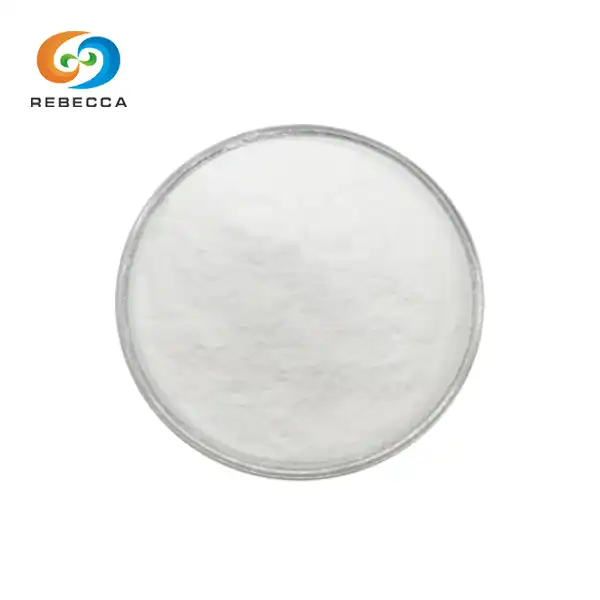
Ectoine
【English name】:Ectoin
【Nicknames】:Tetrahydropyrimidine, Tetrahydromethylpyrimidine Carboxylic Acid
【CAS No.】:96702-03-3
【Molecular Formula】: C6H10O2N2
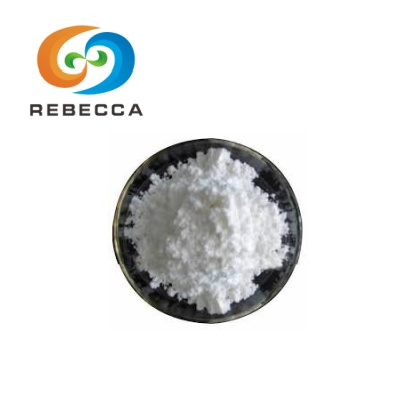
【Specification】: 99%
【Appearance】: White to Off-white Powder
【Test Method】: HPLC
The Science Behind Ectoine's Protective Powers
The core needs of the skin are "intact barrier, sufficient hydration, and resistance to damage", and the efficacy of ectoine revolves around these three points and the mechanism of action has a clear scientific basis:
Cell-level protection: Wear "invisible protective clothing" for skin cells
Ectoine's molecular structure has a unique "amphiphilicity" (affinity for both water and lipids), which allows it to quickly penetrate into the stratum corneum of the skin and even into the epidermal cells. It will combine with proteins, nucleic acids and other biological macromolecules in the cell to form a "hydration film", like putting a breathable "protective suit" on each skin cell.
The core functions of this membrane are: to resist external stimuli, isolate the invasion of cells by ultraviolet rays, polluting particles, allergens, etc., and reduce the production of free radicals.
· Stabilize cell structure: Even if the skin faces stress such as dryness and temperature difference, it can maintain cell morphological integrity and avoid cell damage and apoptosis.
· Scientific Basis: Studies have shown that ectoin can inhibit UV-induced DNA damage in skin cells, reduce the release of inflammatory factors (e.g., IL-6, TNF-α), and reduce the likelihood of skin redness and sensitivity.
Strong water locking: A more "long-lasting" moisture anchor than ordinary moisturizers
Ordinary moisturizers (such as glycerin, hyaluronic acid) mostly achieve hydration by "absorbing water", while ectoin has a more advanced moisturizing mechanism - it can form a stable "hydration complex" with water molecules, which locks water firmly in the skin stratum corneum like an "anchor", while promoting the synthesis of lipids (such as ceramides) in the skin stratum corneum and strengthening the "water-locking ability" of the skin barrier.
To put it simply: ordinary moisturizing is "temporary hydration", and ectoin is "allowing the skin to lock in moisture on its own". Experimental data shows that skincare products with 0.5% ectoine can increase the moisture content of the skin's stratum corneum by more than 30%, and the moisturizing effect lasts 2-3 times longer than glycerin alone.
Barrier repair: "repair accelerator" for sensitive and damaged skin
The core problems of damaged skin barrier (such as seasonal sensitivity, redness after acid brushing, UV burns) are: loss of stratum corneum lipids and broken intercellular connections. Ectoin repairs the barrier in two dimensions:
· Promotes keratinocyte proliferation: accelerates the metabolism of damaged stratum corneum, allowing healthy keratinocytes to quickly replace damaged cells;
· Repair intercellular lipids: stimulate the skin to synthesize key barrier components such as ceramides and cholesterol, fill the "gaps" between cells, and make the barrier tight again.
· Clinically validated: Experiments with sensitive skin have shown a 40% reduction in skin redness and a 25% reduction in transepidermal water loss (TEWL, a core indicator of barrier damage) after 28 days of continuous use of the serum with 1% ectoine.
Mild antioxidant: Reduce the "chronic damage" of free radicals to the skin
Free radicals are the "culprits" of skin aging and dullness, and although ectoin is not an "antioxidant" in the traditional sense (e.g., vitamin C, vitamin E), it can indirectly exert antioxidant effects by stabilizing cell structure and inhibiting the source of free radical production. At the same time, it can also enhance the skin's own antioxidant system (such as the activity of SOD enzyme), allowing the skin to actively resist oxidative stress caused by UV rays and pollution, delaying collagen loss and dull skin tone.
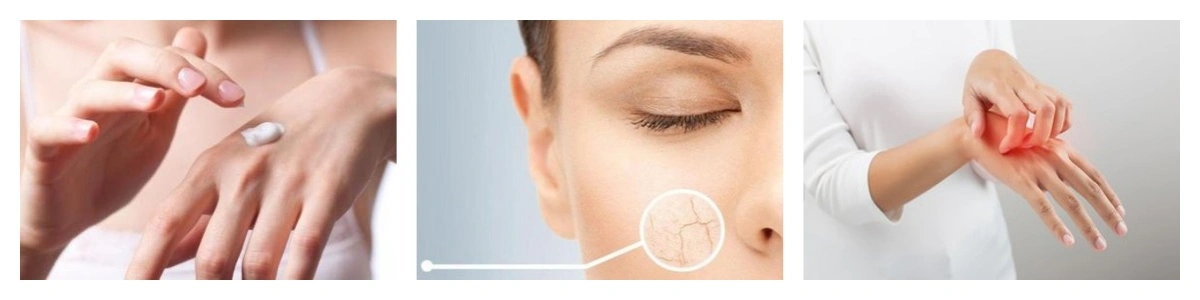
How Ectoine Transforms Your Skincare Routine?
Strategic incorporation of this protective ingredient maximizes skincare benefits while minimizing potential irritation. Ectoine's molecule enhances other actives' performance, allowing stronger formulations without typical side effects. Retinoid users particularly appreciate how it reduces associated dryness and peeling. This buffering effect enables sensitive individuals to access powerful anti-aging ingredients previously too harsh for their skin. The synergy between ingredients creates superior results compared to single-active products.
Morning skincare routines gain substantial protective advantages from ectoine's inclusion. Before facing daily environmental challenges, applying an ectoine-enriched serum creates invisible armor. Layer it after cleansing but before heavier moisturizers and sun protection. This sequencing optimizes absorption while building multiple defensive layers. Users frequently notice improved makeup application and longevity when incorporating this step.
Nighttime application leverages natural repair processes occurring during sleep. Skin cells regenerate most actively overnight, making this an ideal time for restorative treatments. Products containing ectoine support cellular renewal by maintaining hydration and reducing oxidative damage accumulated throughout the day. Regular use results in visible improvements including softened lines and refined texture. Many notice enhanced radiance after just weeks of consistent application.
Weather transitions no longer require complete routine overhauls when using formulations with ectoine. Its molecular properties adjust to environmental conditions, providing appropriate protection year-round. Winter dryness diminishes without heavy, pore-clogging creams. Summer humidity becomes manageable with lightweight yet effective hydration. Frequent travelers especially value this versatility when moving between different climates.
Reactive complexions find particular relief through ectoine. Conventional anti-aging treatments often trigger inflammation in sensitive skin. However, this alternative delivers comparable benefits without irritation or redness. Dermatologists routinely recommend it for rosacea, post-procedure care, and compromised barriers. The compatibility with vulnerable skin distinguishes it from harsher alternatives, making advanced skincare accessible to previously excluded individuals.
Extended use reveals progressive improvements beyond initial hydration benefits. First applications bring immediate moisture relief. Continued use over weeks strengthens barrier function and reduces reactivity. Months of regular application yield visible anti-aging results including increased firmness and diminished wrinkles. This graduated improvement pattern encourages adherence while delivering lasting transformation rather than temporary effects.

Choosing the Right Ectoine Products for Your Skin?
Selecting appropriate formulations requires understanding concentration and complementary ectoine. Products typically contain 0.5% to 2% of this active compound. Research shows efficacy plateaus around 2%, making higher concentrations unnecessary. More important than percentage alone is the complete formula composition. Hyaluronic acid creates synergistic hydration when paired with this molecule. Ceramides further enhance barrier strengthening properties. Antioxidants like vitamin E provide additional environmental protection.
Different skin types benefit from varying product textures and delivery systems. Oily complexions generally prefer lightweight serums or gel-creams that absorb rapidly. These formulations provide protection without adding shine or congestion. Dry skin responds better to richer creams combining the protective molecule with nourishing lipids. Combination skin may require zone-specific application, using lighter textures on oily areas while applying richer formulas to dry patches.
Budget considerations shouldn't prevent access to quality formulations containing ectoine. While luxury brands offer elaborate combinations with exotic additions, effective options exist across price points. Examine ingredient lists carefully, prioritizing products where the protective compound appears prominently. Simple, well-formulated products often outperform complex mixtures where key actives become diluted. Smart shopping means investing in efficacy rather than packaging or marketing promises.
Proper application techniques maximize product benefits regardless of formulation type. Misting products work best on slightly damp skin for enhanced penetration. Serums respond well to gentle pressing motions that encourage absorption. Creams may require warming between hands before spreading evenly across facial contours. Each product type has optimal application methods, so following specific instructions ensures maximum effectiveness. Small details in technique can significantly impact results.
Preliminary testing prevents adverse reactions despite ectoine's excellent safety profile. Other formula components might trigger sensitivities in certain individuals. Begin by applying products to inner forearm skin, monitoring for 48 hours. Watch for redness, itching, or irritation signs before facial application. This precautionary step identifies compatibility issues before risking facial reactions. Patient testing saves both money and potential skin damage from unsuitable products.
Ectoine Supplier: Rebecca Bio-Tech
Quality sourcing determines formulation success when incorporating ectoine into professional skincare products. Rebecca Bio-Tech provides pharmaceutical-grade Ectoin (also recognized as Tetrahydropyrimidine or Tetrahydromethylpyrimidine Carboxylic Acid). Our product specifications include CAS No. 96702-03-3 with molecular formula C6H10O2N2, meeting stringent industry requirements at 99% purity. The white to off-white powder format ensures seamless integration into diverse formulation types, while HPLC testing validates consistent batch quality.
Shaanxi Rebecca Bio-Tech specializes in the production, research and development, and sales of plant extracts, herbal active ingredient separation, and traditional Chinese herbal medicine functional compound research. As a high-tech export-oriented company, we dedicate ourselves to providing superior natural herbal extracts. Our facilities serve customers worldwide in pharmaceutical, health products, beverage, and cosmetic industries. Three state-of-the-art production lines manufacture over 100 plant extracts with an impressive annual production capacity exceeding 500MTS.
Whether developing cutting-edge skincare innovations or maintaining existing product lines, Rebecca Bio-Tech ensures reliable supply and technical expertise. Our commitment extends beyond basic distribution to include formulation consultation and development support. We help clients optimize their products for maximum efficacy and market appeal. For comprehensive specifications, competitive pricing, and expert technical guidance, connect with our team at information@sxrebecca.com. Experience how premium-quality ingredients elevate skincare formulations to meet evolving consumer demands for scientifically-proven, protective solutions.
References
1. Journal of Dermatological Science - "Anti-inflammatory effects of ectoine on human keratinocytes" (2019)
2. International Journal of Cosmetic Science - "Ectoine: an effective natural substance in skin protection" (2018)
3. Skin Pharmacology and Physiology - "Clinical efficacy of ectoine-containing cream in atopic dermatitis" (2020)
4. Archives of Dermatological Research - "Photoprotective properties of ectoine against UV-induced skin damage" (2021)
5. European Journal of Dermatology - "Ectoine as a natural cell protectant in skincare applications" (2019)