What is l-menthol?
l-menthol">L-Menthol powder is what makes us feel cool and refreshed when we consume icy drinks, chew gum, or use calming and pain-relieving ointments in the heat. It is not a secret chemical process; it is an active substance that is found in many places in nature and has many uses. So, what is it, exactly? Where does its coolness come from? What are the unknown practical values?
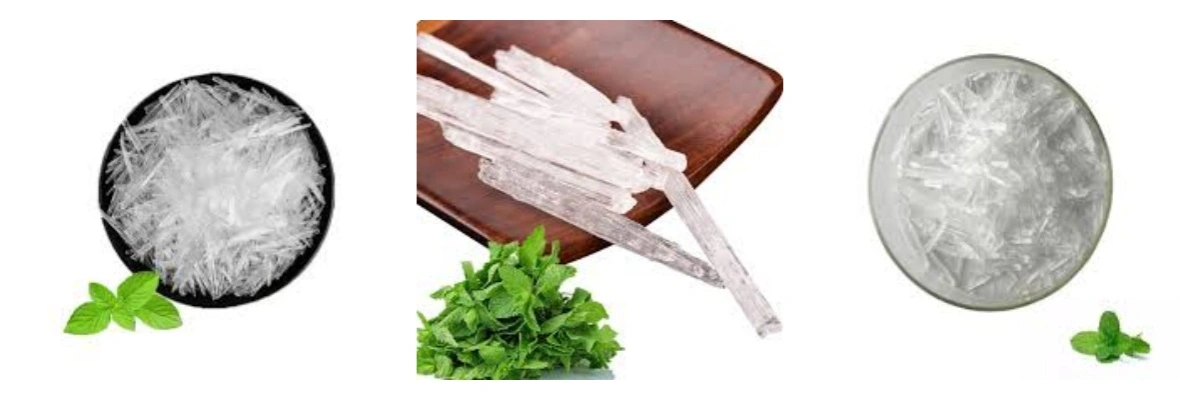
L-menthol: Source And Essence
L-menthol, often known as menthol, is one of the four optical isomers of menthol. The other three are d-menthol, racemic menthol, and isomenthol. It is also the only one that feels cool naturally and is the most common. It is a monoterpene alcohol with the formula C₁₀H₂₀O, which means it has a unique molecular structure.
①Natural source: The peppermint plant's "cooling essence"
Natural L-menthol is mostly taken from plants in the Lamiaceae family, with peppermint (Mentha piperita) and spearmint (Mentha spicata) having the most of it. The extraction procedure normally involves steam distillation to get peppermint oil from the stems and leaves of peppermint. Then, the peppermint oil is frozen and crystallized, separated by centrifugal force, and refined to get high-purity L-menthol crystals. This L-menthol that was naturally extracted not only keeps the plant's inherent smell, but it is also more popular in the food and daily chemicals industries because it comes from a "natural source."
②Synthetic: Meeting large-scale application needs
With the expansion of market demand, synthetic L-menthol has gradually become an important source. The synthesis method is mainly prepared from limonene (extracted from citrus peel) or pinene (extracted from turpentine) as raw materials, through a series of chemical reactions such as catalytic hydrogenation and isomerization. Synthetic L-menthol has more advantages in purity and cost, can meet the needs of large-scale applications in medicine, industry and other fields, and its chemical properties are basically the same as natural products.
Why does L-menthol bring a "cooling sensation"?
The most notable property of L-menthol is its strong cooling sensation, which does not come from a decrease in temperature, but from its special mechanism of action on cold sensation receptors (TRPM8 channel proteins) on the skin and mucous membranes.
When L-menthol comes into contact with the skin or oral mucosa, it binds to the TRPM8 channel protein and activates the channel, simulating the transmission of low-temperature stimuli to the brain, which receives the signal and produces a "cool" perception. This "pseudo-cooling" not only does not really lower body temperature, but also produces long-lasting comfort after stimulation, accompanied by a slight anesthetic and soothing effect, which is why it is widely used in soothing and analgesic products.
In addition, L-menthol also has the following characteristics:
①Strong volatility: It is volatile at room temperature, and a small amount of heat will be taken away during the volatilization process, further enhancing the cooling sensation;
②Good solubility: soluble in organic solvents such as ethanol, ether, grease, etc., and can also be soluble in water in small amounts, which is easy to mix in various products;
③Natural Aroma: It has a fresh mint scent, which is both cool and aromatic, and is a natural spice ingredient.
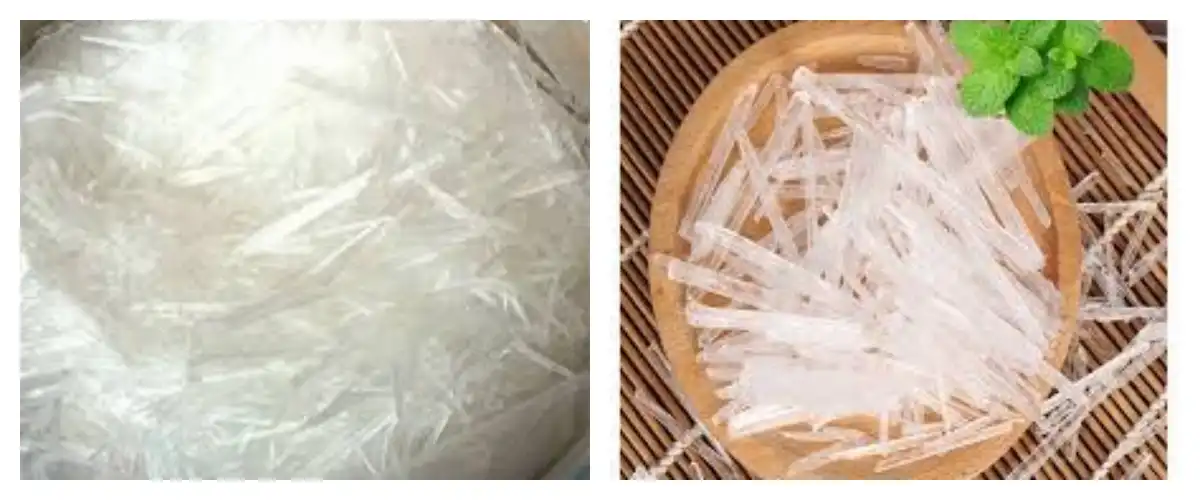
L-Menthol in Daily End Products: From Cosmetics to Over-the-Counter Medications
L-menthol’s versatility makes it a staple across multiple industries. Cosmetic brands blend it into lip balms, facial toners, and body washes. It adds a refreshing feel that signals “clean” or “invigorating” to users. For example, many acne products pair L-menthol with salicylic acid. It counteracts the drying sting of the active acne-fighting ingredient.
Over-the-counter (OTC) medications depend on L-menthol, too. Topical pain relievers, like creams and patches, use its cooling properties to distract from muscle or joint discomfort. Throat lozenges and cough syrups also feature it. It soothes irritated tissues and leaves a fresh, calming sensation in the throat. Nasal inhalers rely on L-menthol as well; it helps open airways and eases congestion, per guidelines from the American Thoracic Society.
Beverage and food manufacturers aren’t left out of the L-menthol trend. A 2023 Grand View Research report notes that the food and beverage sector accounts for 32% of global demand. This is driven by consumer preference for refreshing, sensory-enhanced products. Soda brands, iced teas, and even functional waters add small amounts. It enhances the perception of coldness, making drinks feel more refreshing on hot days.
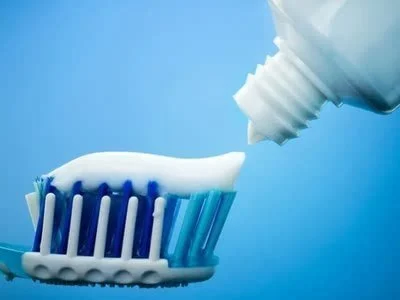
Common end products that feature L-menthol include:
· Oral care items (toothpaste, mouthwash, chewing gum)
· Topical skincare and cosmetics (lip balm, facial mist, body scrub)
· OTC medications (muscle rubs, throat lozenges, nasal inhalers)
· Beverages (carbonated sodas, iced teas, functional waters)
· Confectionery (mints, hard candies, breath strips)
Chewing gum and mints rely most heavily on their sensory appeal. A 2022 survey by the National Confectioners Association found that 68% of consumers prefer minty gum with a “strong, long-lasting cooling effect”, a trait only high-purity L-menthol can consistently deliver.

Sensory and Functional Benefits of L-Menthol That Elevate End Products
L-menthol offers more than just a temporary cooling feel. It interacts with TRPM8 receptors in the skin and mucous membranes. These receptors send signals to the brain that mimic cold, even at room temperature. A 2021 study published in PubMed Central confirms this mechanism. It also notes that L-menthol is 3 to 4 times more effective than other menthol isomers.
Functionally, It has mild antimicrobial properties. The U.S. Food and Drug Administration (FDA) includes it on its Generally Recognized as Safe (GRAS) list for oral care uses. It helps reduce bacteria that cause bad breath and plaque. For skincare, it can temporarily reduce redness and soothe minor irritations like sunburn or razor burn.
From a marketing perspective, L-menthol adds a recognizable sensory cue. Consumers associate its tingle with freshness, relief, or cleanliness. This association can boost product loyalty. A leading global skincare brand reported a 15% increase in lip balm sales after switching to 99% purity. The brand cited improved consumer feedback on the product’s cooling longevity (source: Private Label Manufacturer Association, 2022).
It also works well with other active ingredients. It can mask the bitter taste of some pharmaceutical compounds. It can enhance the absorption of certain skincare ingredients into the skin. This makes it a versatile additive for formulators looking to balance efficacy and user experience.
FAQ
Q1: Is L-menthol different from regular menthol?
A: Yes, L-menthol is distinct from regular menthol. Menthol refers to a group of chemical isomers, but L-menthol is the only naturally occurring, biologically active form. It delivers the strongest and most consistent cooling sensation, making it the preferred choice for most consumer and healthcare end products.
Q2: What purity level do most end products require for L-menthol?
A: Most pharmaceutical, cosmetic, and food-grade applications require a minimum of 99% purity. This level ensures the product performs consistently and meets global safety standards. Lower purity levels can introduce unwanted impurities or reduce the compound’s cooling effectiveness.
L-Menthol Supplier: Rebecca Bio-Tech
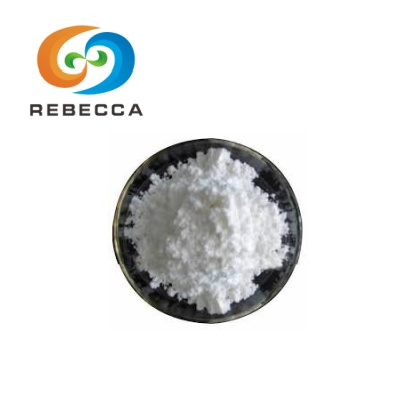
Rebecca Bio-Tech is the best choice for organizations that need high-purity L-menthol for pharmaceutical, health product, beverage, or cosmetic uses since they always produce consistent quality and have the most experience in the field. We are a high-tech export-oriented firm that makes, researches, develops, and sells plant extracts. We provide customized solutions to customers all over the world. We have three innovative production lines, more than 100 different plant extracts, and a yearly production capacity of over 500 MTS. This means we can handle both large and small requests. Our product meets strict international quality standards: the specification is 99%. The CAS number is 2216-51-5, the molecular formula is C10H20O, the appearance is a white crystal, and the test technique is HPLC. contact us immediately at information@sxrebecca.com to talk about your sourcing needs, ask for a sample, or find out more about what we can do in terms of manufacturing.
References
· Grand View Research. (2023). Global Menthol Market Size, Share & Trends Analysis Report by Type (Natural, Synthetic), Application (Food & Beverage, Pharmaceuticals, Cosmetics), and Segment Forecasts, 2024–2030.
· PubMed Central. (2021). TRPM8 Receptor Activation by L-Menthol: Molecular Mechanisms and Sensory Outcomes.
· U.S. Food and Drug Administration. (2024). Food Additive Status List: Menthol (L-Menthol).
· American Thoracic Society. (2022). Clinical Guidelines for Topical Menthol Use in Respiratory Congestion Relief.
· Private Label Manufacturer Association. (2022). Consumer Preference Trends in Skincare Additives.