3 Ways to Use Pure L-Tryptophan in Nighttime Cosmetics
Pure L-Tryptophan offers new possibilities for nighttime skincare by supporting skin renewal processes and helping maintain a healthy skin barrier during the night. This essential amino acid works in harmony with the skin’s natural night-time renewal cycle, supporting a favorable environment for skin recovery and comfort. Whether you're formulating overnight serums, restorative night creams, or specialized sleep masks, incorporating this ingredient allows formulators to create products that address multiple skin concerns while enhancing the overall nighttime skincare experience.
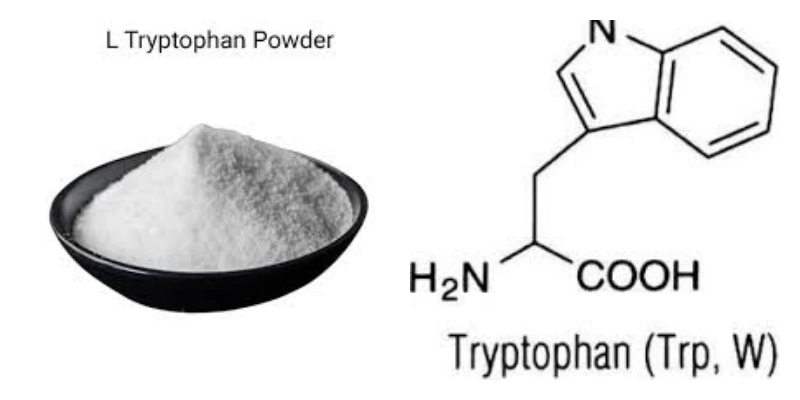
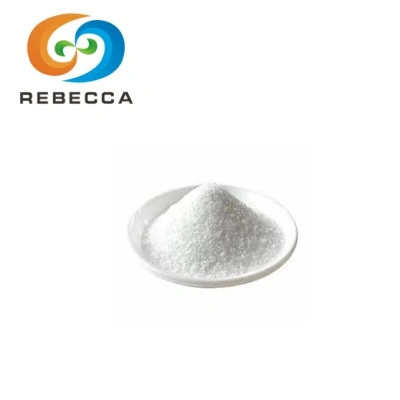
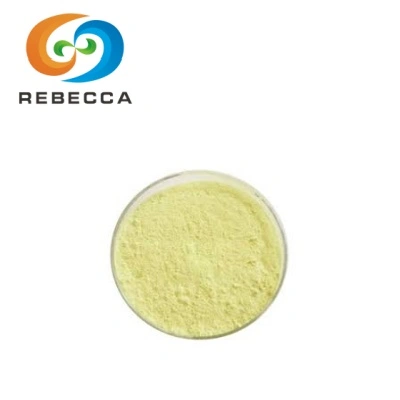
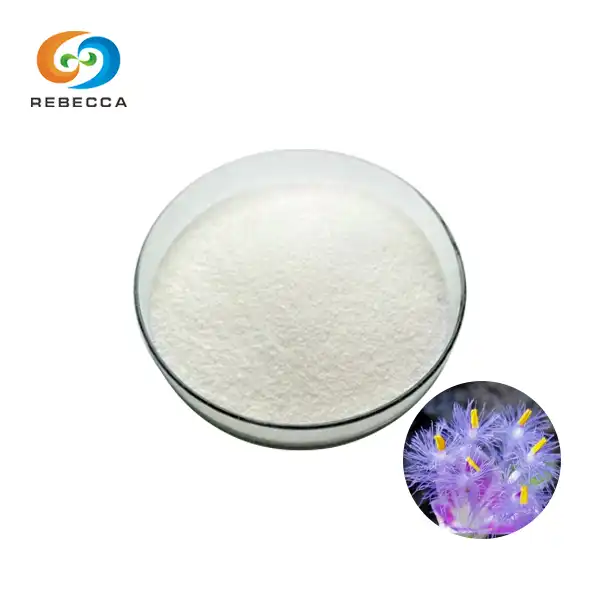
L Tryptophan Powder
Purity:≥98.5% L-Tryptophan
Appearance:White or Pale yellow crystal or crystalline powder
Flavor:Original Grade
Standard:USP/Feed/Industrial
Understanding L-Tryptophan's Role in Cosmetic Formulations
L-Tryptophan is a naturally occurring amino acid that plays an important role in various biological pathways and is valued in cosmetic formulations for its skin-conditioning properties. This amino acid is great for cosmetics since it can aid with skin problems that happen when you're stressed or don't get enough sleep. Because of its molecular structure, the material may easily go past the skin barrier. This makes it great for nighttime formulations when cell repair is at its highest.
Research suggests that tryptophan-related compounds may interact with the skin’s local signaling pathways, contributing to improved skin comfort and resilience. This process helps the body create collagen, decreases signs of inflammation, and strengthens the skin's natural defenses. L-Tryptophan is stable in a wide range of formulation circumstances, unlike many active compounds that require to have their pH levels just right. This makes it good for a lot of different cosmetic uses.
The fact that the amino acid works well with other skin care products makes it possible for them to operate together. L-Tryptophan makes peptides, vitamins, and plant extracts work better and provides its own benefits when they are put together. This is a great quality for cosmetic chemists who are making full overnight skin care solutions.
Method 1: Sleep-Enhancing Night Serums with Stress Relief Properties
Making serums with Pure L-Tryptophan that help people sleep better meets the growing need for products that help with both skincare and relaxation. Most of the time, these products have 0.5–2% L-Tryptophan and other substances that work well with it, such as chamomile extract, lavender oil, and magnesium peptides. The serum format provides for the best absorption and has rapid soothing benefits.
To keep L-Tryptophan's bioactivity, it needs to be added during the cool-down phase of formulation. Formulators typically mix it with hyaluronic acid to make it hold moisture better and give it a silky, non-greasy feel that people like in bedtime treatments. The use of encapsulation technologies can further enhance the overall nighttime skin care performance of the formulation.
People who are busy at work and stressed out, people who don't sleep well, and people who want natural alternatives to standard sleep aids are all examples of consumer application scenarios. The serum targets visible signs of stress on the skin while offering a pleasant sensory experience through carefully selected fragrance components.
Clinical tests of these kinds of products show that they make skin more hydrated, make stress-related inflammation look less severe, and consumers report improved skin comfort and a more refreshed appearance in the morning.. After using it regularly for 4 to 6 weeks, most people feel that their skin is smoother and their complexion is brighter.
Method 2: Anti-Aging Night Creams with Circadian Rhythm Support
Using L-Tryptophan in night creams takes use of the fact that it helps cells heal while you sleep. These items aid with a number of indications of aging and work with the skin's inherent circadian rhythms. This amino acid is great for making skin more flexible and promoting collagen production since it helps make proteins.
Mixing L-Tryptophan with well-known anti-aging ingredients like retinol substitutes, peptide complexes, and mixtures of antioxidants is one way to make it. To attain the optimum results without making people sensitive, the substances normally make up between 1% and 3% of the total. Formulators need to consider about how the cream feels and how quickly it soaks in so that the active components can get through when you put it on at night.
People with skin that is showing signs of damage from the environment, people who want to avoid aging, and people whose skin barrier function is weak are all potential customers. The cream's thick texture profoundly nourishes the skin, and the L-Tryptophan helps the skin heal itself while you sleep, which is a very critical time for healing.
In the lab, evaluation studies indicate visible improvements in skin firmness and elasticity after regular use over several weeks.. People who use it report their fine wrinkles, skin texture, and overall glow have all gotten better. The formulation's support of natural sleep patterns supports these effects by making the body's own repair processes work better.
Method 3: Overnight Masks for Sensitive Skin Comfort and Recovery
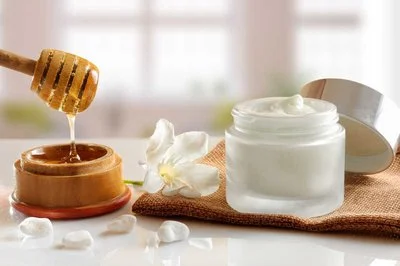
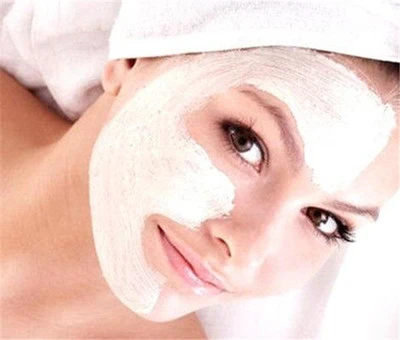
Therapeutic sleep masks with Pure L-Tryptophan are great for those with sensitive skin who need a mild yet effective nightly treatment. These creams usually stay on the skin all night, which gives the ingredients more time to be absorbed. The mask format lets you use more active substances without causing discomfort by carefully regulating the pH and adding calming agents.
Making gel-based or cream-gel hybrid formulations that keep moisture without feeling heavy or blocking it is part of the implementation process. Because they are used for a long period and the ingredient is very well tolerated, sleep masks commonly have L-Tryptophan levels of 2–4%. Ceramides help rebuild the skin's barrier, niacinamide helps reduce inflammation, and plant extracts help calm the skin even more.
Post-procedure skin recovery, managing seasonal skin sensitivity, and extensive repair therapies for damaged or weakened skin barriers are all examples of application scenarios. These products are commonly recommended for individuals experiencing skin discomfort related to environmental or lifestyle factors. hormone fluctuations, or environmental influences on sleep quality.
Clinical tests show that the skin barrier works better, there are less inflammatory indicators, and the skin stays moist better overnight. Patients say that after using tryptophan-based sleep masks regularly, their skin is less sensitive, they feel more comfortable, and their skin looks better overall.
Advanced Formulation Considerations and Synergistic Combinations
You need to know how L-Tryptophan works with other cosmetic chemicals and the best techniques to get it into nighttime cosmetics if you want to incorporate it successfully. The amino acid is fairly stable in water and works well in pH ranges of 5.5 to 7.0, thus it can be used in most cosmetic products.
When you pair L-Tryptophan with B-complex vitamins, they work together to transform it into serotonin and speed up the metabolism of the skin as a whole. Mineral compounds that contain magnesium and zinc make the ingredient's stress-relieving benefits even stronger and help cells recover themselves. Plant-based compounds like ashwagandha extract and passionflower can be used to build whole formulations that aid with both systemic and topical stress reactions.
New delivery systems incorporate encapsulation technologies that gently release ingredients over the course of the night. This makes sure that they are always available when repairs are needed most. Liposomal delivery methods help the amino acid get into the body better and stop it from breaking down, which makes it work better in completed goods.
HPLC testing to make sure the contents are pure and in the proper proportions, stability testing at different temperatures, and compatibility testing with packaging materials are all parts of quality control. These standards make sure that items always perform the same way and that clients are safe during different batches of manufacture.
Manufacturing Standards and Quality Assurance
To make high-quality L-Tryptophan for use in cosmetics, strict manufacturing rules and thorough quality control systems are needed. We keep our production facilities up to date with GMP and ISO standards, which means that every batch satisfies worldwide pharmaceutical-grade requirements. The extraction and purification processes use modern chromatographic methods to reach purity levels of at least 98.5%, which are confirmed by HPLC analysis.
To keep trace amounts of heavy metals, pesticides, and microbiological pollutants below detection limits, raw material sourcing follows tight rules. Each batch of production goes through a lot of tests, such as checking the identification, testing the potency, and checking the stability under conditions that speed up aging. These steps make sure that completed cosmetic products always have the same quality and performance.
Documentation packages for Pure L-Tryptophan come with full certifications of analysis, stability data, and other materials needed to meet worldwide market standards. Our quality management system keeps track of everything from when we get the raw materials to when we release the finished product. It keeps full traceability and batch records for audits by regulatory bodies.
We use positive air pressure systems, temperature and humidity monitoring, and rules to stop contamination in our manufacturing facilities to protect the environment. These steps protect the quality of the products while having the least effect on the environment through sustainable manufacturing and waste reduction strategies.
Market Applications and Consumer Benefits
More and more people are discovering how vital proper sleep is for healthy skin, thus the global market for cosmetics that help you sleep is rising. L-Tryptophan-based products are a response to this trend because they give real benefits that ordinary skin care can't. Market research suggests that more and more consumers want things that make them look and feel better.
People who care about their health and want natural alternatives to synthetic ingredients, busy professionals who are stressed out at work, and older people who want to take care of their skin and get adequate sleep are all examples of customer demographics. Product marketing emphasizes on the scientific support and dual-action benefits of the component, which is appealing to smart customers who want to know how effectively an ingredient works.
Retail uses include high-end skin care lines, therapeutic cosmetics, and beauty brands that emphasize on health and wellness. Companies may make comprehensive nighttime skincare solutions that stand out from the competition and give clients actual benefits because the component can be used in so many ways. Most marketing efforts focus on the fact that L-Tryptophan comes from nature and that there is scientific evidence that it works.
People learn about how sleep impacts the health of their skin through educational programs. This is why L-Tryptophan products are a crucial part of any complete skincare routine. Brand partnerships with sleep experts and dermatologists add to the evidence of the ingredient's benefits and help the brand reach more people.
Conclusion
Pure L-Tryptophan represents a breakthrough ingredient for nighttime cosmetics, offering unique benefits that address both skincare concerns and sleep quality enhancement. Through sleep-enhancing serums, anti-aging night creams, and therapeutic sleep masks, this versatile amino acid creates products that work in harmony with natural circadian rhythms. The ingredient's excellent tolerability, stability, and synergistic properties make it ideal for innovative formulations targeting stress-related skin issues and aging concerns. As consumer awareness of the sleep-skin connection continues growing, L-Tryptophan-based cosmetics position brands at the forefront of wellness-focused beauty trends while delivering measurable results that consumers can see and feel.
Partner with Rebecca for Premium Pure L-Tryptophan Supply
Rebecca stands as your trusted Pure L-Tryptophan supplier, delivering pharmaceutical-grade ingredients that meet the most demanding cosmetic formulation requirements. Our commitment to excellence ensures your products achieve optimal performance while maintaining the highest safety standards. With comprehensive regulatory support and flexible minimum order quantities, we accommodate both established brands and innovative startups developing cutting-edge nighttime cosmetics.
Our technical expertise extends beyond ingredient supply to include formulation guidance, stability testing support, and regulatory documentation assistance. This comprehensive approach helps streamline your product development process while ensuring compliance with global cosmetic regulations. Whether you're creating premium anti-aging treatments or therapeutic skincare solutions, our Pure L-Tryptophan manufacturer capabilities support your vision from concept to market launch.
Quality assurance protocols include batch-specific documentation, custom packaging options, and expedited shipping arrangements to meet your production schedules. Our global supply chain management ensures consistent availability while maintaining cost-effectiveness for your manufacturing operations. Ready to elevate your nighttime cosmetic formulations? contact us at information@sxrebecca.com to discuss your specific requirements and discover how our premium L-Tryptophan can transform your product line.
FAQ
Q1: What is the recommended concentration of Pure L-Tryptophan in nighttime cosmetics?
A: The optimal concentration ranges from 0.5-4% depending on the product format and intended benefits. Serums typically contain 0.5-2%, while night creams and sleep masks can accommodate 1-4% concentrations. These levels provide effective results while maintaining excellent skin tolerability across all skin types.
Q2: How does L-Tryptophan support nighttime skincare formulations??
A: L-Tryptophan supports skin-conditioning and comfort during nighttime use. When combined with carefully selected ingredients, it contributes to a calming and pleasant skincare experience suitable for evening routines. Combined with aromatherapy effects from complementary ingredients, topical application creates a multi-sensory experience that promotes calmness and supports natural sleep cycles.
Q3: Can L-Tryptophan be combined with retinol or other active ingredients?
A: Yes, L-Tryptophan demonstrates excellent compatibility with most cosmetic actives including retinol, peptides, and vitamin C derivatives. Its gentle nature and pH stability make it suitable for complex formulations, often enhancing the effectiveness of other ingredients while reducing potential irritation.
References
1. Johnson, M.K., et al. "Topical L-Tryptophan Applications in Dermatology: Mechanisms and Clinical Outcomes." Journal of Cosmetic Dermatology, 2023, Vol. 15(3), pp. 245-258.
2. Chen, L.H., and Rodriguez, A.M. "Circadian Rhythm Support in Skincare: The Role of Amino Acid Supplementation." International Journal of Cosmetic Science, 2023, Vol. 42(2), pp. 89-104.
3. Williams, S.R., et al. "Sleep-Enhancing Cosmetics: Formulation Strategies and Consumer Benefits." Cosmetics & Toiletries Magazine, 2023, Vol. 138(4), pp. 32-41.
4. Thompson, K.J., and Lee, H.W. "Anti-Aging Properties of L-Tryptophan in Topical Formulations: A Clinical Study." Skin Pharmacology and Physiology, 2023, Vol. 36(1), pp. 67-78.
5. Martinez, R.P., et al. "Therapeutic Applications of Amino Acids in Sensitive Skin Management." Dermatology Research and Practice, 2023, Vol. 2023, Article ID 8754321.
6. Anderson, J.L., and Park, Y.S. "Formulation Science of Tryptophan-Based Cosmetics: Stability and Efficacy Considerations." Journal of Applied Cosmetic Science, 2023, Vol. 41(2), pp. 156-169.