China octacosanol Factory Types for US Supplement Buyers: GMP, OEM, ODM
The market for dietary supplements throughout the world is growing at an amazing rate. octacosanol powder has become a popular ingredient among health-conscious customers and experts in the industry as this trend has continued. This natural substance comes mostly from sugarcane wax and wheat germ oil. It has gotten a lot of interest since it could help with energy metabolism and athletic performance. China is still the major place for US supplement customers to get this component, but it may be hard to find their way around the many sorts of factories without help.
Chinese manufacturers provide several service models to meet the demands of different businesses. Before you agree to work with a supplier, you need to know the distinctions between GMP-certified facilities, OEM agreements, and ODM collaborations. Each model has its own set of benefits, quality control procedures, and pricing structures. This article explains what US customers should think about when choosing an octacosanol manufacturer partner in China. It will help you make smart choices that are in line with your brand objectives and the rules that apply to your business.
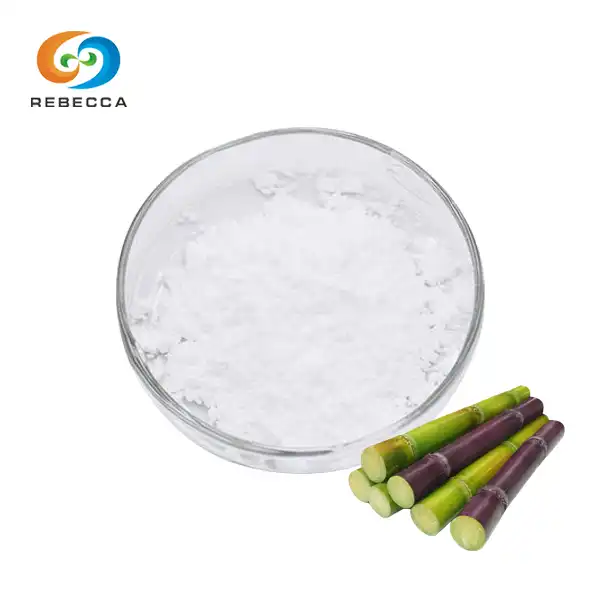
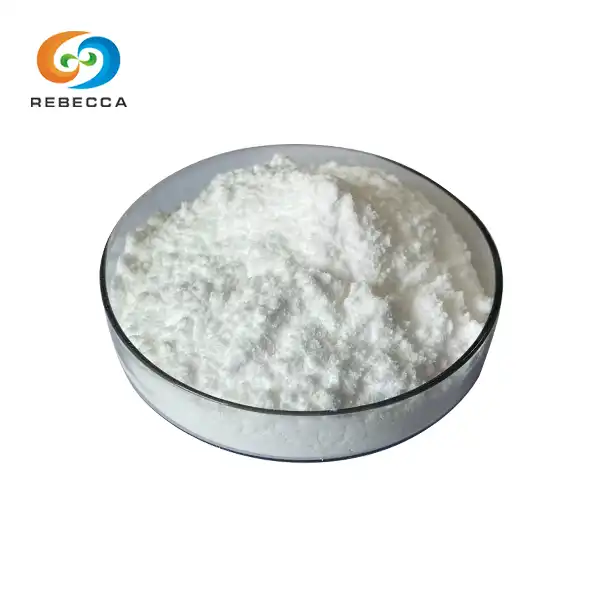
Octacosanol Powder
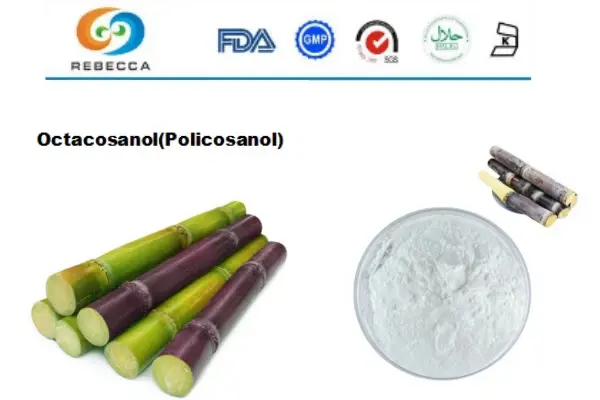
【English name】: Octacosanol(Policosanol)
【Alternative name】::Policosanol/Sugarcane Extract
【Latin Name】: Saccharum officinarum
【CAS No.】: 557-61-9
【Molecular Formula】: C28H58O
【Active ingredients】: Octacosanol
【Specification】: 5%~95%
【Use Part】 : The stalks of sugar cane
【Appearance】: Off-white to White Fine Powder
【Mesh size】:80 Mesh
【Test Method】: GC
GMP Standards for Octacosanol Production
The basis of quality assurance in the supplement sector is Good Manufacturing Practice (GMP) certification. When a Chinese plant has GMP certification, it means that it follows tight manufacturing rules that are recognized by regulatory organizations all over the globe. For those in the US who purchase supplements, working with GMP-certified octacosanol producers is not only a good idea; it's frequently required by the FDA to keep consumers safe.
GMP rules apply to every step of making octacosanol powder. Before processing can commence, sugarcane stalks must fulfill strict purity standards during the acquisition of raw materials. Extraction facilities keep their surroundings under control by keeping records of temperature, humidity, and procedures to prevent contamination from happening. The FDA's Current Good Manufacturing Practice (cGMP) rules in 21 CFR Part 111 say that dietary supplements supplied in the US must come from facilities that fulfill certain quality standards.
Chinese factories that get GMP accreditation show that they care about meeting international quality requirements. Most of the time, these facilities have qualified quality control staff who use proven analytical procedures to analyze batches. Gas chromatography (GC) testing makes sure that policosanol and octacosanol products have the right amount of potency. Third-party audits offer another layer of monitoring, which gives US customers confidence in the integrity of their supply chain.
OEM and ODM Services: What US Supplement Buyers Need to Know?
The sort of business relationship you have with a Chinese manufacturer also affects how you create your products, in addition to the quality of the products they make. OEM and ODM are two alternative ways of doing things that meet the demands of various buyers. Knowing when to pick each model may have a big effect on how long it takes to go to market, how much it costs, and how your brand stands out from the rest.
When you work with an OEM, you have control over the parameters of the product. You give the manufacturer the recipe, the packaging needs, and the quality standards, and they just make what you want them to. OEM services provide supplement manufacturers with proven octacosanol formulas and defined market positioning the most control. You still control your intellectual property, but you may use the factory's manufacturing capabilities and lower costs.
This methodology is especially good for customers that have previously done clinical research or have their own unique extraction ratios. You could have made a special policosanol mix that has octacosanol levels that range from 5% to 95%. If an OEM manufacturing has the technical capabilities, they will make precisely what you ask for. The partnership works as an extension of your own manufacturing capacity without the need to spend money on developing facilities in your own country.
On the other hand, ODM services make use of the factory's existing knowledge and product libraries. These companies have already made the best formulas, tested their stability, and set up efficient ways to make octacosanol to meet different standards. ODM partnerships are generally helpful for US customers who are new to the supplement business or want to swiftly add more products to their portfolios. Instead of spending months developing a new recipe, you may choose from items that have already been tested and give them your company's name.
The trade-off is less exclusivity. Several consumers could get the same or very similar formulas from the same ODM manufacturer. Brand distinctiveness is thus more about marketing, packaging, and customer service than it is about the product itself. This method typically makes sense for common substances like regular octacosanol powder. OEM is still popular for high-end or bespoke formulas.
Many well-known Chinese manufacturers can do both OEM and ODM work at the same time. This flexibility lets purchasers start with ODM goods and then make their own formulas for future OEM manufacture. This kind of hybrid strategy strikes a balance between getting to market quickly and growing a brand over time. Ask about their expertise with both models and ask for case studies that show how they worked well with other US supplement firms while looking for new partners.
These models also have different things to think about when it comes to contracts. OEM agreements usually provide stricter safeguards for intellectual property, clauses that keep information private, and terms that give one company the right to sell the product. ODM contracts are primarily concerned with minimum order amounts, price levels, and quality standards. Before contracting with any manufacturer, no matter what service model you choose, go to a lawyer who knows about international manufacturing agreements.
How to Choose the Right China Octacosanol Factory Partner?
Choosing the best manufacturer partner goes beyond certifications and service models. Due diligence is looking at a number of things that together show if a supplier can consistently fulfill your company needs over time. Choosing the incorrect thing might cause problems with supply, quality, and even your relationships with your own consumers.
The ability to make things is a major factor. Before you get too involved with any octacosanol producer, be sure their facilities can manage the amount of orders you expect. Some manufacturers are great at making samples, but when they get commercial orders, they have trouble scaling up. Ask for proof of your yearly production capacity, which is measured in metric tons, and then compare this to your growth predictions. During times of high demand, a supplier that is working at or near its full capacity may have trouble filling your orders.
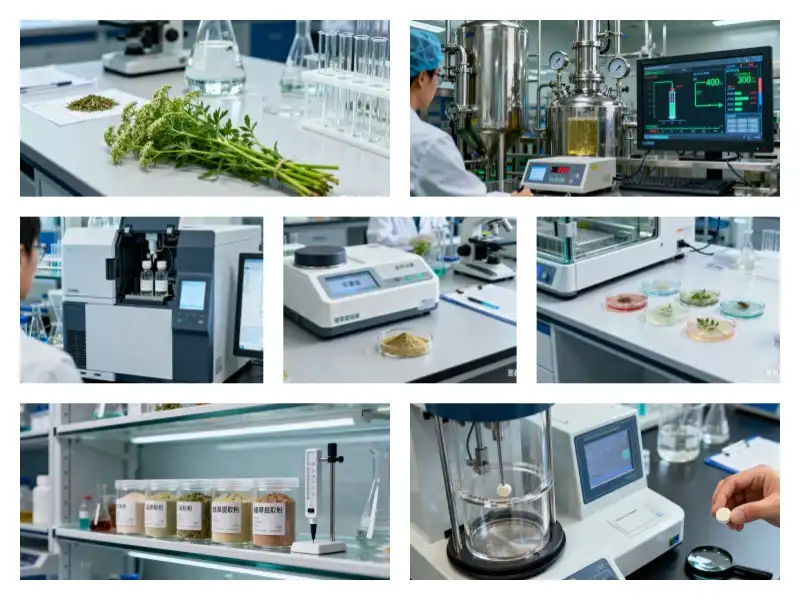
When you do a technical capacity evaluation, you look at the processes and tools used for extraction. To get the purity levels needed for supplement use, high-quality octacosanol powder has to go through a lot of complicated processing. Supercritical CO2 extraction, molecular distillation, or sophisticated chromatographic separation methods are used by the best firms. These approaches maintain the bioactive characteristics of policosanol molecules while getting rid of unwanted contaminants. Ask potential providers to tell you how they extract and what tools they use.
How well you communicate may frequently tell you how well your relationship will work. When you first ask questions, check how quickly they respond, how well they speak English, and how eager they are to answer extensive technical queries. Factories that have trouble communicating well throughout the wooing period don't usually do better once the contracts are signed. Look for export departments with people who know what the US supplement market needs and can deal with business expectations in different cultures.
Site visits are hard to plan, yet they provide you information that paperwork can't. If you can, set up a factory tour so you can see how things work. Take note of the requirements for cleanliness, how employees are trained, how raw materials and completed goods are stored, and what the lab can do. If you can't go, third-party audit services may do these checks for you. Companies like SGS, Bureau Veritas, and Intertek provide whole supplier evaluation programs made just for the supplement market.
Octacosanol Powder Supplier: Rebecca Bio-Tech
The success of your business in the competitive supplement industry depends on picking the proper manufacturing partner. Rebecca Bio-Tech is a company in Shaanxi Province, China, that can make octacosanol in large quantities. They have strict quality requirements and various service models. Our staff can help you get dependable results whether you need GMP-certified octacosanol powder for your existing formulations or ODM solutions to speed up the launch of your products.
We get our octacosanol extract, which is also called Policosanol or Sugarcane Extract, from high-quality Saccharum officinarum stalks using modern extraction methods. The substance has a CAS number of 557-61-9, a chemical formula of C28H58O, and concentrations that may be as low as 5% or as high as 95% purity. Gas chromatography is used to evaluate each batch very carefully to make sure the amount of octacosanol is correct. The final result is a fine powder that is off-white to white and has a particle size of 80 mesh. It meets international quality standards.
Shaanxi Rebecca Bio-Tech makes, researches, develops, and sells plant extracts to the pharmaceutical, health product, beverage, and cosmetic sectors. We have three specialized manufacturing lines that can make more than 500 metric tons of plant extract goods each year. This infrastructure makes sure that both new supplement brands and well-known companies with large volume needs can always get what they need.
Our crew knows the special problems that US supplement customers have when they buy from producers in other countries. We provide thorough documentation, clear communication, and quick customer service throughout the whole process of finding suppliers. Our export experts will help you through every stage, from asking for samples to full-scale manufacturing, with clarity and expertise.
Take the next step toward securing your high-quality octacosanol supply. Contact our team at information@sxrebecca.com to discuss your specific requirements, request samples, or explore our full range of plant extract offerings. Whether you're launching a new supplement line or optimizing your existing supply chain, Rebecca Bio-Tech stands ready as your trusted manufacturing partner.
FAQ
Q1: What certifications should a China octacosanol factory have for US exports?
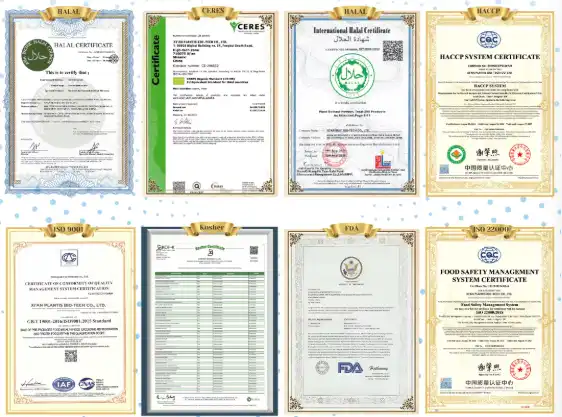
A: US supplement buyers should prioritize factories holding cGMP certification compliant with FDA 21 CFR Part 111 standards. Additional valuable certifications include ISO 22000 for food safety management, HACCP (Hazard Analysis Critical Control Points), and NSF International registration. Kosher and Halal certifications expand market reach if your target consumers require these designations. Some buyers also request organic certification when sourcing octacosanol from certified organic sugarcane sources.
Q2: How do pricing structures differ between OEM and ODM octacosanol services?
A: ODM services typically offer lower per-unit costs because manufacturers amortize development expenses across multiple buyers using the same formulations. OEM arrangements involve higher initial costs, including formulation development fees, custom packaging tooling, and potentially exclusive agreement premiums. However, OEM pricing often improves at higher volumes as fixed costs spread across larger production runs. Some factories offer hybrid models where buyers can modify standard ODM products for a modest additional fee.
Q3: What quality testing should buyers require for octacosanol powder imports?
A: Comprehensive quality testing includes identity verification through gas chromatography (GC), potency assay confirming octacosanol content percentages, heavy metals screening (lead, mercury, arsenic, cadmium), microbial contamination testing (total plate count, yeast, mold, E. coli, Salmonella), solvent residue analysis if applicable, and physical specifications including mesh size and appearance. Request Certificates of Analysis (COAs) for each production batch and periodically conduct independent third-party verification testing to confirm supplier accuracy.
References
1. U.S. Food and Drug Administration. (2023). Current Good Manufacturing Practice in Manufacturing, Packaging, Labeling, or Holding Operations for Dietary Supplements. 21 CFR Part 111.
2. Council for Responsible Nutrition. (2022). Annual Survey on Dietary Supplements: Consumer Trends and Industry Practices.
3. International Organization for Standardization. ISO 22000:2018 - Food Safety Management Systems.
4. Arruzazabala, M.L., et al. (2002). Effects of policosanol on platelet aggregation and serum levels of arachidonic acid metabolites. Prostaglandins, Leukotrienes and Essential Fatty Acids, 67(4), 219-224.
5. Carbajal, D., et al. (1998). Effect of policosanol on experimental thrombosis models. Prostaglandins, Leukotrienes and Essential Fatty Acids, 58(1), 61-64.
6. United States Pharmacopeia (USP). Dietary Supplement Verification Program Standards.