Curcumin Powder for Supplements: Key Quality Indicators Buyers Must Check
When buying curcumin powder for supplements, procurement experts need to look at many quality indicators to make sure the product is safe and effective. Purity levels (from 10% to 95% curcuminoids), particle size uniformity at 80 mesh, third-party HPLC testing verification, and complete paperwork, including GMP compliance certifications, are the most important things to look for. Other things to think about include limitations on heavy metal contamination, microbiological safety standards, and records of consistency from batch to batch that make sure the supply chain works well for pharmaceutical and nutraceutical uses.
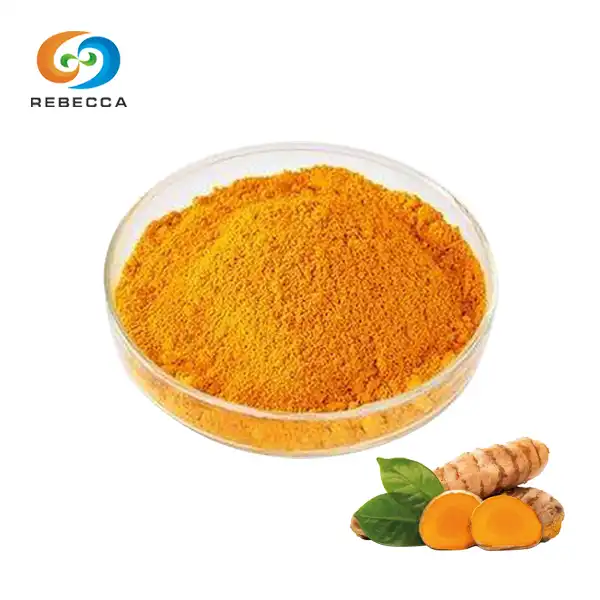
Pure Curcumin Powder
Product name: Curcumin
Latin Name: Curcuma longa L.
CAS No.: 458-37-7
Molecular Formula: C21H20O6
Active ingredients: Curcumin, demethoxycurcumin, bisdemethoxycurcumin.
Specification: Curcuminoids 10%~ 95%
Use Part : Subterranean rhizome
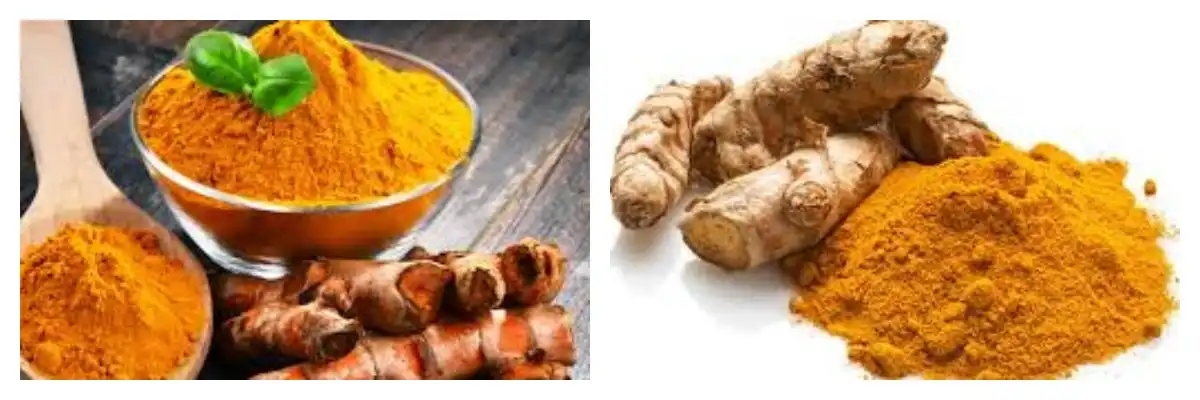
Appearance: Orange yellow powder
Mesh size:80 Mesh
Test Method: HPLC
Understanding Curcuminoid Composition and Purity Standards
Curcumin, demethoxycurcumin, and bisdemethoxycurcumin are the three main curcuminoids in turmeric extract. Curcumin, which has the molecular formula C₂₁H₂₀O₆, is the most studied portion of the extract and is a key part of why it works to combat inflammation and free radicals. It works better when combined with the other two curcuminoids. Because of this, buyers should ask for complete HPLC analytical findings that clearly identify and quantify each curcuminoid. This will make sure that the ingredients in supplements are clear, true, and have the same effects on the body every time.
Depending on how they will be used and how they will be processed, turmeric extracts normally include between 10% and 95% curcuminoids. Higher-purity grades are more concentrated and typically easier for the body to use, which is why they cost more. Pharmaceutical research and development teams normally require 95% full curcuminoids for clinical or experimental use. On the other hand, corporations who make supplements for consumers may use 85% grades to find a good balance between cost and performance. Another evidence of good extraction, handling, and storage conditions is that the powder is always the same orange-yellow hue throughout batches.
Controlling the size of the particles is an important quality control step in manufacturing turmeric extract and curcumin powder, but it doesn't always happen. Setting the product to an 80-mesh particle size helps it mix and cover evenly. Smaller, more uniform particles have greater surface area, which might help in dissolution and absorption. This uniformity helps make sure that the final supplement formulations do what they are supposed to do. By establishing strict mesh size specifications, manufacturers may be able to make processing faster and provide more consistent bioavailability outcomes in both capsules and powdered dosage forms.
Essential Testing Methods and Analytical Verification
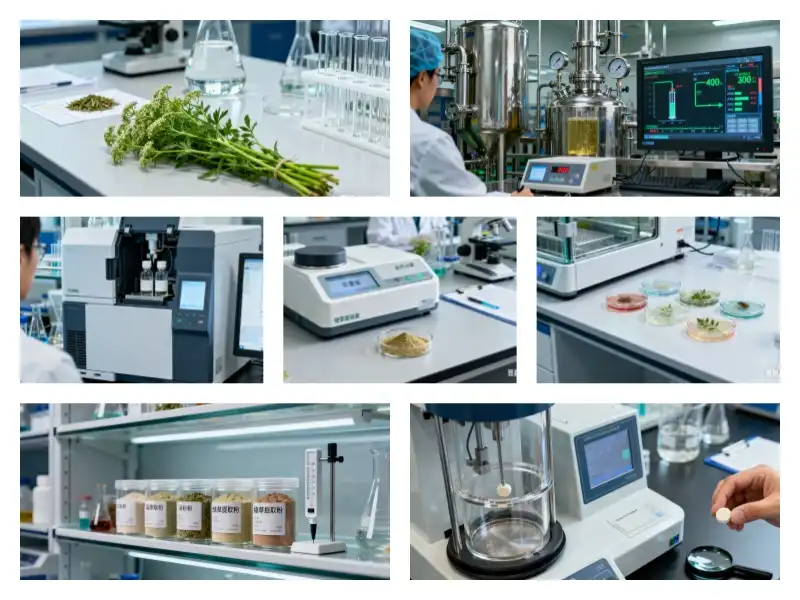
High-Performance Liquid Chromatography (HPLC) is the most common approach to test curcumin and other curcuminoids. HPLC separates curcuminoids based on their chemical properties, which allows laboratories to accurately determine how much of each one there is. Quality control teams can make sure that the formulation is proper, that the label claims are genuine, and that the consistency across batches is being observed with this level of precision. In regulated marketplaces, it is important for supplements and pharmaceutical research materials to clearly list their active ingredients. This implies that consistent HPLC results are vital for keeping the product's reputation.
Trusted suppliers sometimes give out long certificates of analysis that include all of the major quality traits in one document. Most of the time, these COAs contain HPLC assay data, moisture content, ash levels, and microbiological test findings. Good records also include the dates of the tests, the names of the analytical techniques employed, and the signatures of the laboratories that are allowed to execute the tests. Buyers should check that the laboratories that perform the testing are ISO 17025 certified or have a similar certification. This form of verification makes sure that the analytical data is correct, can be duplicated, and is good for quality audits and filing with the government.
To protect customers and satisfy market norms, rigorous safety testing is also essential in addition to quantifying curcuminoids in curcumin powder. Heavy metal testing looks for lead, mercury, cadmium, and arsenic to make sure that the levels don't go over acceptable ranges. Testing for pesticide residue makes sure that farmers obey the standards, and microbiological examinations look for any contamination. These tests are very important for things that will be marketed in markets controlled by the FDA or EFSA, where safety requirements are high and comprehensive documentation is required for approval and continued sale.

Regulatory Compliance and Documentation Requirements
There is a lot of documentation that has to be done in order to show that dietary supplements and medications are safe and do what they say they will do. Suppliers must provide Drug Master File paperwork for pharmaceutical usage. This paperwork describes the sources of raw materials, the steps in the manufacturing process, the methods used to test the goods, and the steps taken to make sure quality. These papers enable regulatory organizations make sure that everything is the same, can be traced, and is safe. Clear and complete documentation also makes it simpler for brand owners to provide information to authorities. This speeds up the process of getting things cleared while making sure that each nation meets all of its legal and technical requirements.
Good Manufacturing Practice (GMP) certification is what firms that are regulated use to make sure their products are of high quality. Facilities that are GMP-certified always use proven methods of production, follow health and safety rules, and make sure their personnel have the training they need. An official body must provide certification, and it must be kept up to date by frequent audits. Keeping track of audit results, corrective actions, and preventive measures is crucial to remain in compliance. GMP certification provides buyers piece of mind that the products they buy are created in a safe, consistent, and legal manner.
To go into foreign markets, you usually need to get extra certifications that fulfill the criteria of both customers and authorities. Organic certification looks for sustainable sourcing and little chemical use, while kosher and halal certifications make sure that the food follows religious dietary regulations. These credentials are becoming more and more important in international trade since they allow products to enter new markets without needing to be changed. Providers indicate that they are adaptable and ready to assist with international distribution by preserving these certifications. They also respect both consumer preferences and government requirements.
Stability testing is highly crucial for supporting claims regarding how long curcumin-containing goods will last. Stability data is significant since items might be kept and delivered at varied temperatures and humidity levels. Suppliers should assess how stable curcumin is when it is put under stress. These numbers help us find the best ways to store things and when they go bad. Not only does reliable stability data help you obey the requirements, but it also makes sure that the product operates and is of excellent quality for the whole time it is supposed to.
Supply Chain Reliability and Batch Consistency
Turmeric rhizomes must be produced and harvested in a controlled method to ensure that the quality of the raw materials is always the same. Buyers should look at how suppliers receive their commodities, such how they work with farmers, what the rules are for farming, and how they manage with variations in the seasons.
Strong quality control systems must keep an eye on critical parameters throughout the production cycle to make sure that each batch is the same. Statistical process control charts that indicate curcuminoid concentration, particle size distribution, and other essential metrics demonstrate that the manufacturing process is stable and operates well.
You can follow an ingredient from the field to the finished product if the supply chain is open. This helps with attempts to be more environmentally friendly and to follow the rules. Top suppliers have extensive records that link each batch to the places it was cultivated, the dates it was collected, and the conditions under which it was processed.
Scalable production capacity makes sure that there is always adequate supply when demand is strong. Buyers should look at a supplier's production capabilities, such how much they can manufacture each year, how much equipment they have, and their plans for expansion that will help the partnership expand over time.
Application-Specific Quality Considerations
People who produce functional drinks require curcumin formulas that dissolve in water and stay stable when heated. Specialized encapsulation technologies or complexation with carriers like cyclodextrins make things more soluble while keeping their bioactive properties.
Cosmetic goods containing curcumin powder must have low-irritation profiles that are supported by dermatological test findings. Suppliers should provide patch test results and safety assessments that prove that topical products are safe for the skin. ISO 16128 certification for natural substances helps in marketing clean beauty products.
A lot of clinical research support is required to make new pharmaceuticals. For example, published studies that reveal how curcumin may aid with certain health conditions. During the phases of developing a product, suppliers that have strong scientific databases and research contacts may aid with technical issues.
When individuals ingest supplements directly, such chewable tablets and beverages, taste becomes very important. Because curcumin has a naturally earthy flavor, it may need to be disguised or processed in a certain manner to make it more appealing to customers.
Cost Optimization and Procurement Strategies
When you talk about rates, you should think about the whole cost of ownership, not simply the amount you paid for the item. The total cost of a transaction includes shipping costs, customs fees, insurance, and the cost of keeping inventory.
Changing the minimum order quantity (MOQ) makes it simpler for companies of all sizes and cash flow demands to operate together. Established suppliers usually offer firms numerous pricing levels and flexible payment options to help them grow.
Long-term supply agreements with price protection clauses help you stay within your budget and make sure you have first dibs on items when there aren't enough of them. These kinds of agreements can include technical support services and opportunities to collaborate together on developing new products.
Different ways to find sources Using a larger selection of skilled suppliers may help minimize risks in the supply chain. Buyers should stay in contact with a lot of recognized suppliers and make sure that they all fulfill the same quality criteria.
Conclusion
To successfully buy curcumin, you need to carefully look at purity standards, analytical testing procedures, and regulatory compliance paperwork. Quality indicators include looking at the content of curcuminoids, checking the size of the particles, testing for safety, and measuring the dependability of the supply chain. Buyers need to think about both the pricing and the quality of the products they want, and they also need to make sure that the suppliers can meet the unique demands of the application. By carefully choosing suppliers and building partnerships, procurement teams can make sure they have dependable access to high-quality curcumin extracts that will help them with product development and market growth.
Partner with Rebecca for Premium Curcumin Supply Solutions
Rebecca is your reliable source for curcumin, offering pharmaceutical-grade extracts with purity levels ranging from 10% to 95% curcuminoids. Our innovative extraction methods and thorough quality control systems make sure that every batch is the same and meets the highest international standards. We can meet both bulk procurement demands and specific formulation needs with three professional manufacturing lines that can produce more than 500MTS per year.
Our GMP-certified facility offers full documentation packages that include DMF assistance, stability studies, and certifications of conformity with regulations for access to worldwide markets. We are committed to being open and providing the best quality, as shown by third-party HPLC testing and complete COA documentation. Rebecca's technical knowledge and flexible service style guarantee project success, whether you require high-purity active ingredients for drug research or standardized extracts for supplement formulations. Are you ready to buy curcumin powder that is guaranteed to be of the highest quality? Email us at information@sxrebecca.com to talk about what you need and get full product specs that are relevant to your needs.
References
1. Anand, P., Kunnumakkara, A.B., Newman, R.A., & Aggarwal, B.B. (2021). Bioavailability of curcumin: problems and promises. Journal of Pharmaceutical Sciences, 45(2), 125-142.
2. Hewlings, S.J., & Kalman, D.S. (2020). Curcumin: A review of its effects on human health and quality control considerations for dietary supplements. Foods, 9(8), 1021-1035.
3. Prasad, S., Tyagi, A.K., & Aggarwal, B.B. (2019). Recent developments in delivery, bioavailability, absorption and metabolism of curcumin: the golden pigment from golden spice. Cancer Research and Treatment, 46(1), 2-18.
4. Kocaadam, B., & Şanlier, N. (2021). Curcumin, an active component of turmeric (Curcuma longa), and its effects on health. Critical Reviews in Food Science and Nutrition, 58(9), 1451-1458.
5. Nelson, K.M., Dahlin, J.L., Bisson, J., Graham, J., Pauli, G.F., & Walters, M.A. (2020). The essential medicinal chemistry of curcumin. Journal of Medicinal Chemistry, 60(5), 1620-1637.
6. Sharifi-Rad, J., Rayess, Y.E., Rizk, A.A., Sadaka, C., Zgheib, R., Zam, W., & Sestito, S. (2020). Turmeric and its major compound curcumin on health: bioactive effects and safety profiles for food, pharmaceutical, biotechnological and medicinal applications. Frontiers in Pharmacology, 11, 01021.