Does brown algae contain fucoxanthin?
Fucoxanthin is an important marine color that is found in large amounts in nature. Brown algae definitely have it. Brown algae species like wakame (Undaria pinnatifida), kelp (Laminaria japonica), and saccharina longicruris naturally make the primary color fucoxanthin extract. This color gives brown algae their brown color. One of the most important parts of photosynthesis and photoprotection for these sea creatures is this xanthophyll pigment. The amounts of fucoxanthin in the different types of brown algae are very different. Up to 0.5% of the dry weight of some blue-green algae is this useful chemical.
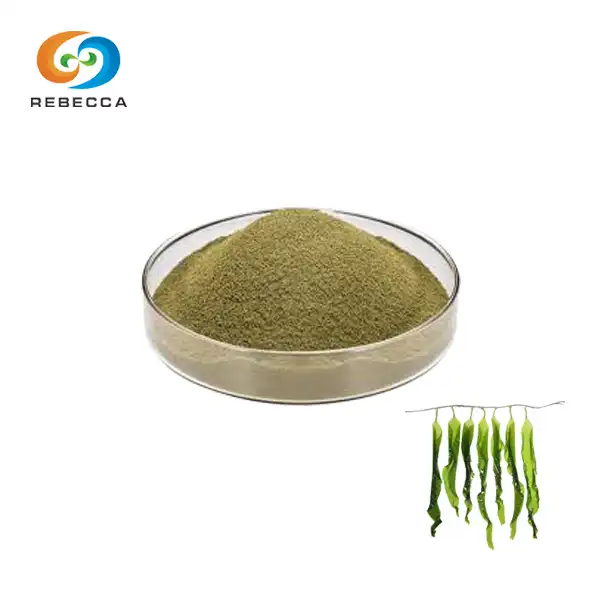
Fucoxanthin Extract
【English name】: Kelp Extract
【Latin Name】: Laminaria japonica.
【CAS No.】: 3351-86-8
【Molecular Formula】: C42H58O6
【Active ingredients】: Fucoxanthin,Fucoidan sulfate, Laminarin /Laminaria japonica polysaccharides /Kelp Polysaccharides.
【Specification】: Fucoxanthin 5%~50% UV; Fucoidan sulfate 10%~95% GC; Kelp Polysaccharides 10%~95% UV.
【Use Part】 : Laminaria japonica thallus.
【Appearance】: Fucoxanthin(Brown green yellow powder);Fucoidan(Off-white to light yellow powder);Kelp Polysaccharides(Brown yellow to white powder)
【Mesh size】:80 Mesh
【Test Method】:UV,GC.
Understanding Fucoxanthin and Its Presence in Brown Algae
Chemical Identity and Natural Origin
Fucoxanthin is a unique xanthophyll pigment that is found in marine environments. Its chemical formula is C42H58O6 and its CAS number is 3351-86-8. This molecule is different from most carotenoids found in land plants because it has a 5,6-monoepoxide structure and a special allenic link. This chemical in brown algae holds on to cells and protects them from toxic damage. It also absorbs light.
Fucoxanthin is produced by brown algae within chromoplasts, which are specialized chloroplasts. In these chloroplasts, fucoxanthin and chlorophyll cooperate to effectively absorb light energy for photosynthesis. This pigment is very effective in absorbing blue-green light wavelengths, therefore brown algae are often seen in deeper oceanic regions.
Variability Across Brown Algae Species
Scientists have found that different types of brown algae have considerably different quantities of fucoxanthin. The concentration of fucoxanthin in Undaria pinnatifida may reach between 0.4 and 0.6 percent, but the proportion of fucoxanthin in Laminaria japonica, often known as kombu kelp, is typically between 0.1 and 0.3 percent by dry weight. The final yield of fucoxanthin extract from different marine sources depends on a variety of factors, including seasonality, geographic location, water temperature, and harvesting methods.
Researchers studying marine biology have found that brown algae collected during peak growth seasons had higher fucoxanthin concentrations. The water's depth also has a big impact. Due to the increased light stress adaptation requirements, algae living at intermediate depths—between 10 and 30 meters—often generate more fucoxanthin than their counterparts growing in shallow water.
Health and Commercial Benefits of Fucoxanthin Extract from Brown Algae
Proven Health Benefits for Industry Applications
Fucoxanthin extract is widely sought after in the nutraceutical and functional food sectors due to the fact that its bioactive characteristics have been clinically proven. The specific method that fucoxanthin uses to activate uncoupling protein 1 (UCP1) in white adipose tissue has been shown to be responsible for the capacity of fucoxanthin to enhance metabolic health in research that has been published in publications that are subject to peer review. Because this technique stimulates thermogenesis without having an effect on the central nervous system, it provides a method of weight control formulations that does not include the use of stimulants.
Studies conducted in clinical settings have shown that fucoxanthin has powerful antioxidant properties, as evidenced by ORAC (Oxygen Radical Absorbance Capacity) values that are much greater than those of vitamin E or beta-carotene. Due to its antioxidant properties, it is an excellent ingredient for anti-aging cosmetic formulations as well as nutritional supplements that aim to reduce oxidative stress.

Differentiation from Comparable Ingredients
In comparison to astaxanthin, which is another marine carotenoid, fucoxanthin has a number of distinguishing benefits that are advantageous for certain applications. Fucoxanthin extract displays higher metabolic activity and fat-targeting capabilities, in contrast to astaxanthin, which excels in formulations for cardiovascular and eye health. In contrast to green tea extract, which is dependent on caffeine for its metabolic benefits, fucoxanthin offers metabolic support that does not result in stimulant effects, making it ideal for populations that are sensitive to caffeine.
An examination of the market finds that there is an increasing demand for natural bioactives, with fucoxanthin being positioned as a premium element that allows it to fetch higher pricing than synthetic equivalents. The worldwide market for fucoxanthin has been seeing consistent expansion, which may be attributed to the growing awareness among consumers of marine-derived nutraceuticals and their preferences for purchasing products with clean labels.
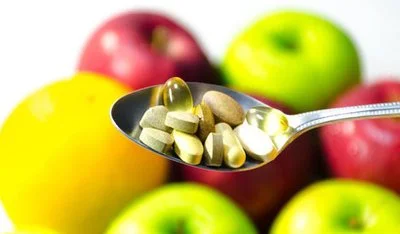
Procurement Insights: Buying and Sourcing Fucoxanthin Extract from Brown Algae
Critical Supplier Qualifications
To ensure the professional purchase of fucoxanthin of a high quality, it is necessary to conduct a thorough review of the suppliers based on a number of important aspects. Manufacturing facilities are required to show compliance with GMP (Good Manufacturing Practice), as well as comply with ISO certification and implement extensive quality management systems. Each batch should be accompanied by a comprehensive certificate of analysis (COA) from the supplier, which should include information on the levels of purity, the heavy metal content, the microbiological safety, and the pesticide residue tests.
Sustainable buying is becoming more and more important for business-to-business sellers, especially those who are trying to sell to environmentally conscious customers. Some things that sustainable sellers do are use responsible gathering methods, keep track of paperwork for tracking, and often have organic or marine stewardship certificates.
Form Factors and Packaging Considerations
The form factors of fucoxanthin extract that are available to choose from are determined by the applications that are intended to be used and the processing requirements. As far as industrial procurement is concerned, the following are the key choices available:
- Standardized powder extracts are available in quantities ranging from 5% to 50% fucoxanthin content, making them ideal for applications involving tablet compression and capsule filling
- Formulations that are the microencapsulated. Offer improved stability and water solubility for use in the beverage and functional food production industries
- Concentrates created from oil: The provision of enhanced bioavailability for use in cosmetic applications and softgel formulations
The pharmaceutical, nutraceutical, and cosmetic sectors all have different formulation requirements, and these numerous form factors are able to meet those requirements. Aluminum foil bags that are resistant to moisture and have nitrogen flushing are often included in the standards for packaging. This helps to avoid oxidation during storage and transit.
There is a great amount of variation in the minimum order numbers across suppliers. For example, established manufacturers often need minimum orders ranging from 25 to 100 kg for bespoke requirements. When it comes to amounts that are more than 500 kg on an annual basis, bulk pricing arrangements often provide considerable cost benefits. This makes long-term supply agreements appealing to customers who make frequent purchases.
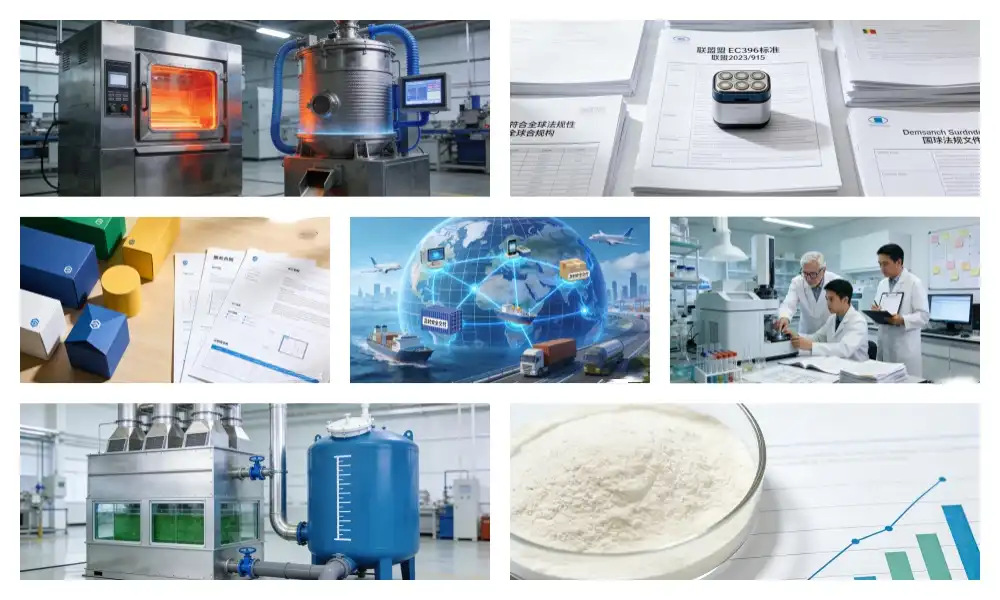
How to Use Fucoxanthin Extract Safely and Effectively?
Industry Best Practices for Formulation
Understanding the stability properties of fucoxanthin extract and determining whether or not it is compatible with other constituents is necessary for successful formulation applications. Due to the fact that the molecule is photosensitive and oxidatively unstable when it is exposed to light, heat, and oxygen, it is imperative that it be handled with extreme care throughout the processing and storage activities. For optimal storage conditions, temperatures should be kept below 25 degrees Celsius, relative humidity should be kept below 60 percent, and direct sunlight should be avoided.
In the context of dietary supplement applications, the average dose ranges for finished products lie between 2 and 8 milligrams per day. However, industrial formulations are required to take into consideration bioavailability parameters and distribution modalities. As a result of the lipophilic nature of fucoxanthin, softgel formulations often exhibit greater absorption as compared to hard capsules.
Regulatory and Safety Certifications
The complete testing processes that address purity, potency, and contamination threats are included in the quality control criteria for commercial fucoxanthin extract. Important analytical techniques include high-performance liquid chromatography (HPLC) purity analysis, microbiological testing, heavy metal screening, and inspection of solvent residue. The FDA requires that products that are intended for use in food applications comply with the GRAS (Generally Recognized as Safe) criteria, while cosmetic applications must comply with the requirements that are applicable in the relevant area.
There are a number of documents that must be submitted in order to comply with international trade regulations. These include allergy statements, sanitary certifications, non-GMO declarations, and country-specific import licenses. In order to simplify the approval process for new product development and market entrance, suppliers that keep complete regulatory paperwork are essential.
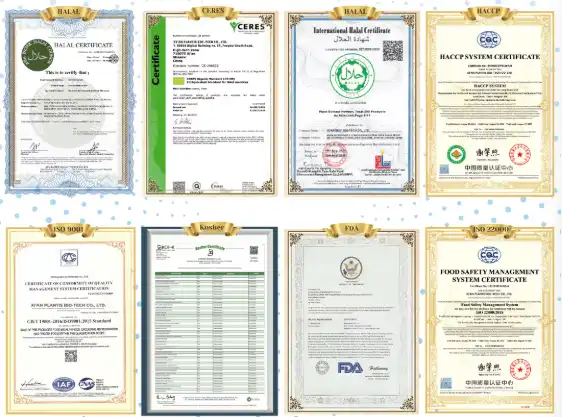
Strategic Benefits of Procuring Fucoxanthin Extract from Brown Algae for B2B Clients
Competitive Advantages and Innovation Opportunities
It is possible to gain significant competitive advantages in product differentiation and market positioning by opting for fucoxanthin extract rather than other natural substances. Formulators are able to develop fresh methods to weight management products because to the one-of-a-kind metabolic process. These solutions do not depend on stimulants or thermogenic ingredients, which may potentially cause unpleasant effects in populations who are particularly sensitive.
Innovation trends suggest that there is a growing demand for ingredients obtained from marine sources as customers look for alternatives to botanicals derived from terrestrial sources. Fucoxanthin is becoming increasingly accessible for use in mainstream applications as a result of the continued improvement of bioavailability and reduction in manufacturing costs brought about by advanced extraction methods. These technologies include ultrasonic-assisted processing and supercritical CO2 extraction.
Future market estimates say that it will be used in more ways in the healthy foods, sports nutrition, and anti-aging makeup markets. It is becoming more and more important to build smart relationships with providers to ensure consistent quality and prices as demand rises across many industries. When you work with well-known makers for a long time, you may be able to get a lot of benefits, such as priority access during times when supplies are low, expert help, and services for custom creation.
Conclusion
There is little doubt that brown algae includes fucoxanthin, which is one of the most concentrated sources of this vital marine pigment that can be found in nature. Brown algae is the principal commercial source of fucoxanthin extract, according to the vast majority of the scientific data. Species such as Laminaria japonica produce constant yields and have been shown to have demonstrated bioactivity. The knowledge of the link between brown algae and fucoxanthin content is vital for procurement experts working in the pharmaceutical, nutraceutical, and cosmetic sectors. This information is necessary for making educated choices about sourcing and developing product development strategies.
Partner with Rebecca for Premium Fucoxanthin Extract Supply
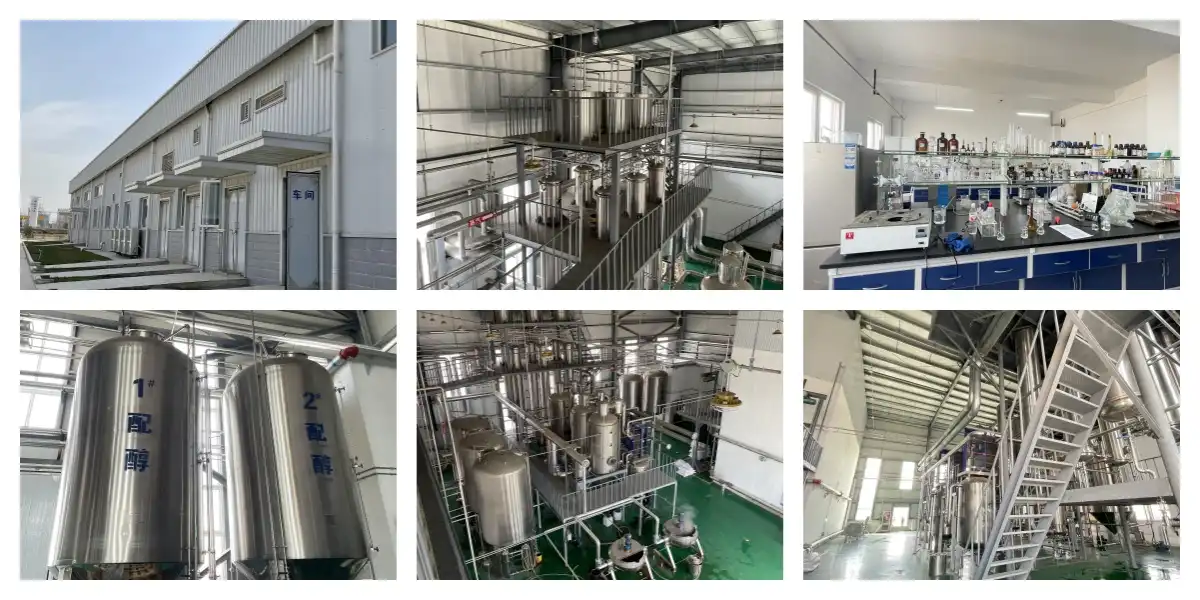
Rebecca is a reliable supplier of fucoxanthin extract, and she has more than a decade of experience in the processing of ingredients originating from marine sources. Our cutting-edge facility in Shaanxi, China, makes use of cutting-edge technologies such as ultrasonic-assisted extraction and supercritical CO2 extraction in order to provide kelp extract with fucoxanthin concentrations ranging from 5% to 50%, which has been verified for its purity using ultraviolet light. In addition to providing extensive documentation support, which includes DMF files, regulatory compliance certificates, and batch-specific certificates of analysis, we maintain thorough GMP and ISO certifications throughout the process. Because our yearly production capacity is more than 500MTS, we can guarantee a consistent supply to meet your formulation requirements.Contact our technical team at information@sxrebecca.com to discuss your specific requirements and receive detailed product specifications for our fucoxanthin extract portfolio.
FAQ
What is the typical fucoxanthin content in brown algae?
Brown algae species typically contain 0.1% to 0.6% fucoxanthin by dry weight, with Laminaria japonica averaging 0.1-0.3% and Undaria pinnatifida reaching up to 0.6%. Seasonal variations and harvesting conditions significantly influence final concentrations.
How does extraction method affect fucoxanthin quality?
Advanced extraction methods like supercritical CO2 and ultrasonic-assisted extraction preserve fucoxanthin integrity while minimizing degradation. These techniques maintain higher purity levels compared to traditional solvent extraction methods and reduce contamination risks.
What storage conditions are required for fucoxanthin extract?
Fucoxanthin extract requires storage below 25°C with relative humidity under 60%, protected from light and oxygen exposure. Nitrogen-flushed packaging and refrigerated storage extend shelf life up to 24 months while maintaining potency.
References
1. Miyashita, K., & Hosokawa, M. (2018). Beneficial health effects of seaweed-derived fucoxanthin: Molecular mechanisms and bioavailability. Marine Drugs, 16(4), 123.
2. Zhang, H., Tang, Y., Zhang, Y., Zhang, S., Qu, J., Wang, X., & Kong, R. (2015). Fucoxanthin: A promising medicinal and nutritional ingredient. Evidence-Based Complementary and Alternative Medicine, 2015, 723515.
3. Peng, J., Yuan, J. P., Wu, C. F., & Wang, J. H. (2011). Fucoxanthin, a marine carotenoid present in brown seaweeds and diatoms: Metabolism and bioactivities relevant to human health. Marine Drugs, 9(10), 1806-1828.
4. Mikami, K., & Hosokawa, M. (2013). Biosynthetic pathway and health benefits of fucoxanthin, an algae-specific xanthophyll in brown seaweeds. Journal of Functional Foods, 5(4), 1547-1567.
5. Willstatter, R., & Page, H. J. (1914). Untersuchungen uber Chlorophyll. XXV. Uber die Pigmente der Braunalgen. Justus Liebigs Annalen der Chemie, 404, 237-271.
6. Haugan, J. A., & Liaaen-Jensen, S. (1994). Algal carotenoids 54. Carotenoids of brown algae (Phaeophyceae). Biochemical Systematics and Ecology, 22(1), 31-41.