Extraction Technology of Gastrodin
gastrodin powder is an important active ingredient. It is naturally present in the traditional Chinese medicinal plant Gastrodia elata. Over the years, the scientific interest in this chemical has expanded dramatically. Researchers and pharmaceutical businesses are looking at its possible advantages. As the demand for this develops, the requirement for effective extraction techniques is crucial. It is not an easy process to extract this chemical. It’s a really complicated thing. It needs a lot of chemical understanding. It also requires rigorous control of temperature and solvent. Modern extraction method guaranties the preservation of the active compounds. And it ensures the final extract is free from hazardous residues.
This essay will walk you throughout the whole manufacturing process. We shall discuss basic technology utilized in current extraction plants. Having this knowledge you will comprehend how highly refined extracts are derived from raw plant roots. Every aspect counts, from the raw material processing to the final crystallization Eventually, it is this accuracy that makes a superior gastrodin powder for the worldwide markets.
To appreciate the full capabilities of this technology we need to start at the very beginning. The finished result is only as good as the basic elements.
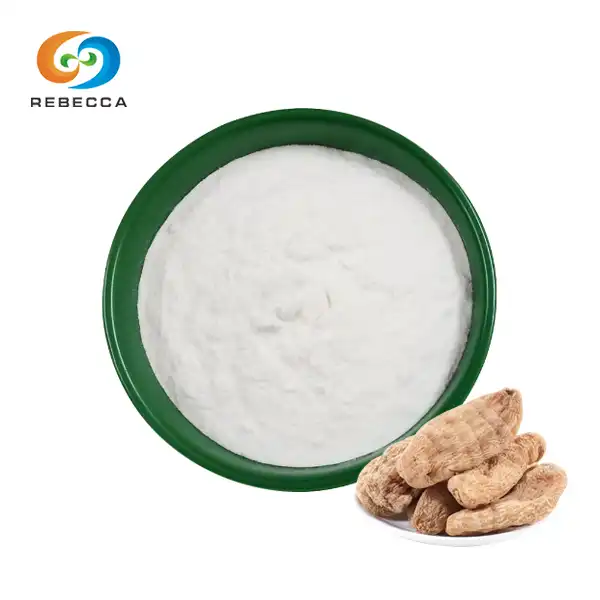
Gastrodin Powder
【English name】:Gastrodin
【Latin Name】:Gastrodiae Rhizoma
【CAS No.】:62499-27-8
【Molecular Formula】: C13H18O7
【Active ingredients】: Gastrodin
【Specification】: 99% Gastrodin
【Use Part】 :Rhizome
【Appearance】: Brown yellow to white powder
【Test Method】: HPLC
Raw Material Processing And Preliminary Extraction
The whole extraction starts well before the raw ingredients arrive at the laboratory. It begins in the fields. Careful selection and preparation of the rhizomes of Gastrodia elata are important initial stages. If the input material is bad then the final extraction will fail. There must be tight cooperation between factory engineers and agricultural specialists.
Harvesting and Pre-treatment of Gastrodia Elata
Timing of harvest is very important. Gastrodia elata rhizomes are usually gathered when the plant has grown for two or three years. At this exact stage the content of the active chemical is at its absolute maximum. The rhizomes are cleaned thoroughly after harvesting. Workers should remove all soil, dirt, and agricultural waste. This prevents external contamination from the extraction tanks. Any residual dirt can ruin the purity of the final product.
The rhizomes are overly wet after washing. They must be dried at once to avoid decomposition and compound degradation. Drying chambers are widely used in factories with regulated temperature. The temperature is typically maintained <60°C to avoid damaging heat sensitive molecules. The hard roots, after drying fully, are sent to industrial grinding equipment. The machines grind the roots into extremely small particles. Smaller particles have a larger surface area. This ensures maximum contact between the solvent and the cells of the plant. This fine raw material base is the absolute prerequisite for the production of a high-yield gastrodin powder.
Traditional and Modern Extraction Methods
Once the raw powder is ready, the real process of extraction starts. This step is called solid-liquid extraction. The goal is to extract the compounds of interest from the cells of the plant and into some liquid solvent. Water and varying concentrations of ethanol (usually 50% to 70%) are the most common solvents. They are safe, effective, and widely approved for use in pharmaceutical manufacturing.
Reflux extraction is a typical traditional technique. In large stainless-steel tanks, the plant powder and solvent are mixed and heated. The solvent boils and turns into vapor. A cooling condenser turns the vapor back into liquid. This continuous cycle washes the plant material repeatedly. It is a very reliable method.
However, modern factories increasingly use ultrasound-assisted extraction. This technique introduces high-frequency sound waves into the solvent tank. The sound waves create millions of microscopic bubbles. These tiny bubbles rapidly expand and collapse. This physical phenomenon is called cavitation. The violent collapse of the bubbles breaks the tough plant cell walls wide open. This allows the solvent to penetrate instantly. Ultrasound saves time and uses less heat. Lower heat protects the molecular structure of the active compounds. Using these advanced techniques ensures a highly potent crude liquid, which is the foundation of premium gastrodin powder.
At this stage, we only have a dark, crude liquid extract. It contains our target compound, but it is mixed with sugars, proteins, and plant pigments. To achieve extreme purity, we must move to the next highly technical phase.
Advanced Purification and Refining Techniques
The crude extract is a very complex mixture. Purification is the process of removing everything that is not the target compound. This requires a series of precise chemical engineering steps. Each step strips away different types of impurities. This stage separates average manufacturers from top-tier extraction experts.
Liquid-Liquid Extraction Process
The first major step in purification is liquid-liquid extraction. This technique uses two different liquids that do not mix together. Think of oil and water. Usually, the crude aqueous extract is mixed with an organic solvent, such as ethyl acetate or n-butanol. The mixture is violently shaken or stirred in a separation funnel or tank.
Because different molecules have different chemical structures, they prefer different liquids. Plant pigments and unwanted fats might move into the organic solvent. Meanwhile, our target water-soluble compounds stay in the water phase. The two liquids are then allowed to separate into distinct layers. The factory simply drains the unwanted layer away. This clever use of solubility is a crucial step. It removes heavy impurities and gets us one step closer to a refined gastrodin powder.
High-Performance Column Chromatography
After liquid-liquid extraction, the solution is much cleaner, but still not pure enough. It must pass through column chromatography. This is the heart of modern purification. A large industrial glass or steel column is filled with a stationary phase. Macroporous resin is a very common and highly effective filler for this purpose.
The liquid extract is slowly poured into the top of the column. As the liquid drips down through the resin, a molecular race begins. Different compounds stick to the resin with different strengths. Some molecules wash out quickly. Others get trapped and move very slowly. By carefully changing the concentration of the washing solvent (the eluent), engineers can collect the exact drops that contain the target compound. Preparative High-Performance Liquid Chromatography (Prep-HPLC) takes this to a micro-level. It uses high pressure and highly sensitive detectors to separate molecules with surgical precision. This chromatography step is non-negotiable for anyone trying to produce 99% pure gastrodin powder.
Crystallization for Final Product Preparation
The liquid collected from the chromatography column is highly pure, but it is still a liquid. The final goal is a stable, dry product. Crystallization is the beautiful chemical process that achieves this. The pure liquid solution is moved to a vacuum concentration tank. Heat and low pressure gently remove most of the solvent.
The solution becomes super-saturated. Engineers then slowly lower the temperature under very strict controls. As the liquid cools, the target molecules can no longer stay dissolved. They begin to link together, forming highly ordered, solid crystals. The liquid is then filtered away. The fresh crystals are washed with a tiny amount of cold solvent to remove surface impurities. Finally, the crystals are placed in a vacuum drying oven. All remaining moisture is entirely pulled away. What remains is a brilliant white, highly stable gastrodin powder.
Having a beautiful white powder is an excellent achievement. However, in the pharmaceutical and botanical extract industry, looks are not enough. We must scientifically prove what is inside the product.
Stringent Quality Control and Analysis
Quality control (QC) is the ultimate gatekeeper in extract manufacturing. You cannot claim purity without data. Modern factories invest heavily in analytical laboratories. These labs run continuous checks throughout the extraction, purification, and final packing stages.
Monitoring Purity with HPLC
The most important tool in the QC laboratory is the analytical High-Performance Liquid Chromatography (HPLC) machine. This machine can detect exact chemical concentrations down to the microgram. A small sample of the final product is dissolved and injected into the HPLC system. It flows through an analytical column.
A UV detector at the end of the column reads the molecules as they exit. It draws a graph called a chromatogram. A perfectly pure product will show one massive, sharp peak on the graph. If there are other small peaks, it means impurities are present. The computer calculates the exact area of the peak to determine the percentage of purity. This rigorous HPLC testing ensures that every single batch of gastrodin powder perfectly matches its strict purity claims, often hitting 98% or 99%.
Physical Characteristic and Safety Testing
Chemical purity is only one part of the equation. The physical qualities of the powder are equally essential. Lab personnel measure the bulk density and tap density. These parameters inform manufacturers how the powder will flow within capsule-filling machines. Solubility tests are undertaken to verify the powder dissolves readily in water or stomach acid.
Safety testing is completely required. The powder is examined for heavy metals like lead, arsenic, and mercury using atomic absorption spectroscopy. Microbial limits are carefully monitored. The powder is put on petri dishes to guarantee there is zero presence of hazardous germs like E. coli or Salmonella. Passing all these physical and microbiological testing implies the gastrodin powder is entirely safe for worldwide human use.
The combination of modern extraction technology, precision purification, and thorough lab testing delivers a product of unrivaled quality. This degree of commitment is precisely what industry leaders deliver.
Conclusion
The extraction of plant chemicals is a very complicated science. As we have seen, transitioning from raw plant roots to a crystalline, 99% pure gastrodin powder demands enormous technological competence. Raw material selection, ultrasonic cavitation, macroporous resin chromatography, and HPLC testing must all function in perfect harmony. When any of these phases are compromised, the ultimate result suffers.
FAQ
1. What is the best solvent used for extracting gastrodin?
The most common and effective solvents are purified water and ethanol. Usually, a mixture of 50% to 70% ethanol in water is used during reflux or ultrasound extraction. This specific ratio provides the best balance of safety, cost, and high extraction yield for gastrodin powder.
2. How do you guarantee the 99% purity of your product?
We guarantee purity through multi-stage purification using macroporous resin chromatography and final crystallization. The final confirmation is always done using advanced HPLC (High-Performance Liquid Chromatography) testing. Every batch of our gastrodin powder comes with a detailed COA (Certificate of Analysis) proving its purity.
3. Can I request a sample before placing a bulk order?
Yes, absolutely. We highly encourage researchers and purchasing managers to test our products first. You can email us directly to request a free sample of our gastrodin powder. We want you to verify our quality in your own laboratory.
4. What is the standard shelf life of the finalized powder?
When stored correctly in a cool, dry place away from direct sunlight, our high-purity gastrodin powder has a standard shelf life of 24 months. We package it securely in sealed drums with moisture-barrier bags to ensure maximum stability.
Partnering with Rebecca Bio-Tech
For scientific researchers and pharmaceutical developers, purity is absolutely critical. If you are conducting clinical trials or formulation research, you cannot have unknown impurities interfering with your results. A clean product guarantees accurate data. For supplement brands, high purity means higher potency and better results for the end consumer. Using an expertly extracted gastrodin powder elevates the value of your final retail product.
At Rebecca Bio-Tech, we have mastered every step of this extraction technology. We are a leading source factory dedicated to natural botanical extracts. Our flagship product is the High Purity Gastrodin 99%. We do not compromise on our solvents, our machinery, or our lab testing. We provide full transparency to our partners.
Are you looking for a reliable, factory-direct supply of premium extracts? Do you need verifiable testing data? contact us today at information@sxrebecca.com. Our team is ready to send you a free sample and our latest Certificate of Analysis (COA). Let Rebecca Bio-Tech be your trusted partner in securing the highest quality gastrodin powder for your next major project.
References
1. Wang, J., Zhao, Y. M., & Zhang, X. (2014). Optimization of ultrasound-assisted extraction of gastrodin and p-hydroxybenzyl alcohol from Gastrodia elata Blume by response surface methodology. Food Chemistry, 142, 35-42.
2. Li, Y., & Chen, X. (2011). Simultaneous determination of gastrodin and parishin in Gastrodia elata by high-performance liquid chromatography. Journal of Pharmaceutical and Biomedical Analysis, 55(4), 853-857.
3. Zhang, H., Wang, Z., & Liu, O. (2018). Preparative separation of gastrodin from Gastrodia elata by macroporous resin and high-speed counter-current chromatography. Journal of Chromatography B, 1086, 120-126.
4. Chen, L., & Huang, G. (2020). Deep eutectic solvent-based ultrasonic-assisted extraction of gastrodin from Gastrodia elata. Separation and Purification Technology, 238, 116402.
5. Ma, H., & Sun, L. (2016). Microwave-assisted extraction of gastrodin from Gastrodia elata Blume and its antioxidant activity. Industrial Crops and Products, 89, 423-429.
6. Wang, C., & Tang, Y. (2019). Quality evaluation of Gastrodia elata using HPLC fingerprinting combined with chemometrics. Phytochemical Analysis, 30(2), 170-178.