How big is the l ergothioneine market?
l-ergothioneine (EGT) is becoming recognised as a novel antioxidant with promise for development in nutraceutical, cosmetic and medicinal applications. Suppliers, investors and procurement experts need to understand the size of the market, the regional characteristics and the growth factors.
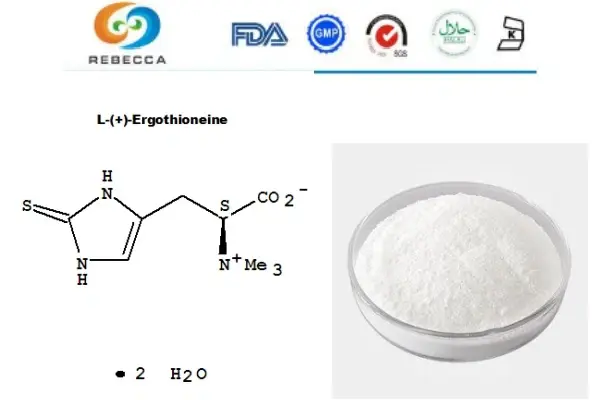
【English name】:L-Ergothioneine
【Chemical Name】:2-mercaptohistidine trimethylbetaine, EGT
【CAS No.】:497-30-3
【Molecular Formula】: C9H15N3O2S
【Specification】: 99%
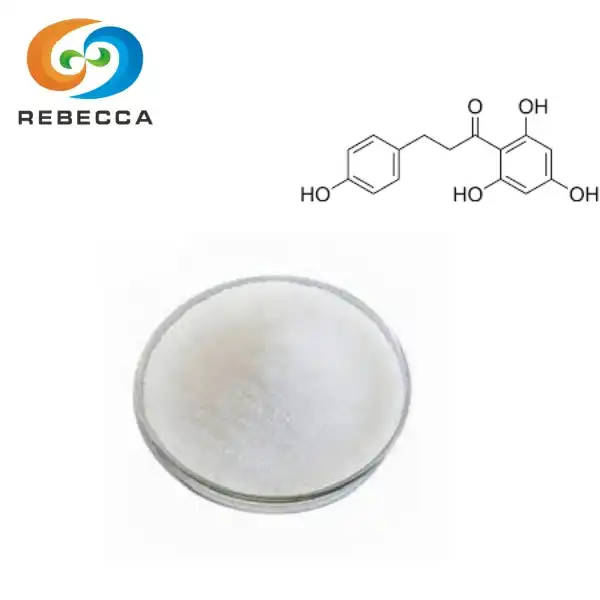
【Appearance】: White Crystalline Powder
【Test Method】: HPLC
【Solubility】:Soluble in Water (up to 10 mg/ml)
【Function】Remove stains, whiten skin, delay aging and prevent various diseases etc.
【Application】Food and health care,Cosmetic,Medicine etc.
Overview of the Global L-Ergothioneine Market
Current Market Size
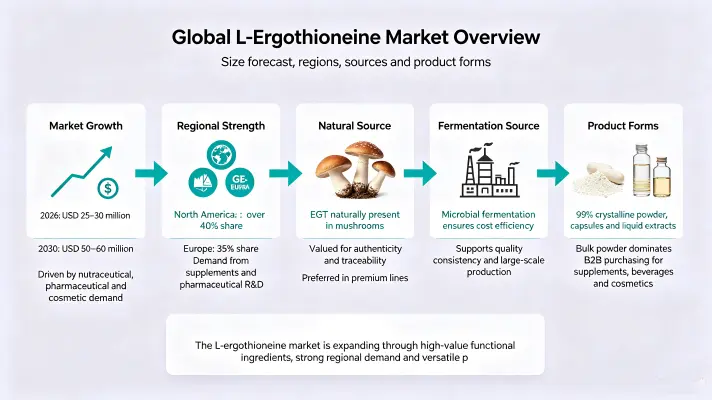
The worldwide L-ergothioneine market is projected to reach USD 25-30 million in 2026. Analysts anticipate consistent development to USD 50-60 million by 2030. The expansion reflects the growing demand of the nutraceutical, pharmaceutical and cosmetic industries for high purity functional ingredients.
The increased consumer awareness of oxidative stress, anti-aging and cognitive health is expected to propel the growth trend. The research investigations verifying the antioxidant capabilities of EGT and its protective impact at the cellular level is further driving the market acceptance.
Regional Market Dynamics
North America commands world consumption with a share of over 40%. High demand is being driven by supplement brands and pharma R&D projects. Europe comes second with 35%, thanks to strict quality standards and regulatory frameworks. The Asia-Pacific region accounts for 25% and is growing rapidly due to the increase of health supplement manufacturing and biotechnology capabilities.
Such geographical variances indicate potential for providers to modify manufacturing and marketing tactics accordingly. North America prefers high-purity, standardised EGT. The Asia-Pacific region prefers scalable fermentation-based manufacturing, while Europe is more concerned with regulatory compliance and traceable natural extraction.
Market Segmentation by Source and Format
l ergothioneine (EGT) may be found naturally in mushrooms or manufactured by microbial fermentation. Natural extraction is attractive for luxury product lines since it is seen by the customer as real and traceable. Fermentation ensures cost effectiveness and consistent quality, fulfilling large scale manufacturing requirements.
Product forms White crystalline powder (usually 99% purity), capsules and liquid extracts Bulk powder is the largest product type in B2B purchases due to its flexibility in formulations for nutritional supplements, drinks and cosmetic items.
Given the size and structure of the industry, it is crucial to understand the drivers of this development and the underlying demand.
Key Growth Drivers and Market Trends
Demographic and Consumer Health Trends
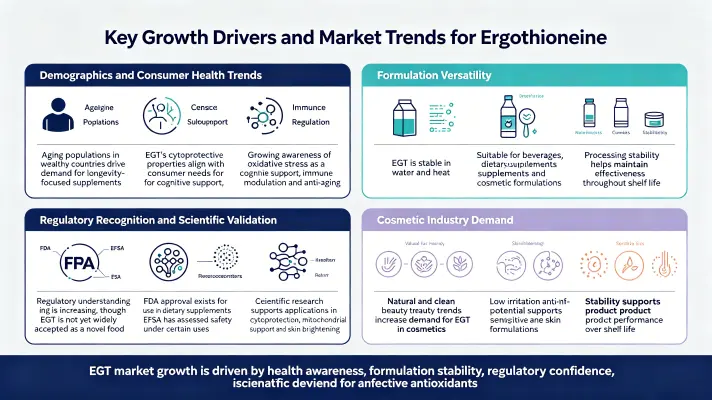
Population ageing in affluent nations boosts demand for supplements focusing on lifespan. EGT’s cellular protective qualities fit well with consumer health needs, including cognitive support, immunological modulation and anti-aging.
The increased understanding of oxidative stress as one of the aetiologies of chronic diseases has led to an increased need for effective antioxidant supplements. EGT is stable in water and heat, hence a suitable candidate for formulation in drinks, supplements and cosmetics.
Regulatory Acceptance and Scientific Validation
While EGT is not widely accepted as a new food, awareness with the regulations is increasing. Its inclusion in dietary supplements is claimed by the FDA and its safety has been evaluated by EFSA for certain uses. This regulatory recognition gives confidence to formulators and procurement managers.
EGT’s scientific research show promise for cellular protection, mitochondrial support and skin lightening. The interest of pharmacological R&D is suggested by blood pressure control and oxidative stress reduction in animals and in vitro models.
Cosmetic Industry Adoption
Cosmetic adoption driven by natural, clean beauty trends. EGT is widely appreciated for its anti-inflammatory, skin brightening and antioxidant benefits. It is very low in irritation and may be used in sensitive skin formulations. Processing stability guarantees product effectiveness during shelf life.
These developments combine to produce strong demand across numerous industries and position EGT as a critical functional element.
Now that we have looked at the drivers, it is important to understand who is buying EGT and how the purchasing habits influence the market.
Procurement Patterns and Key B2B Buyers
Primary Industrial Applications
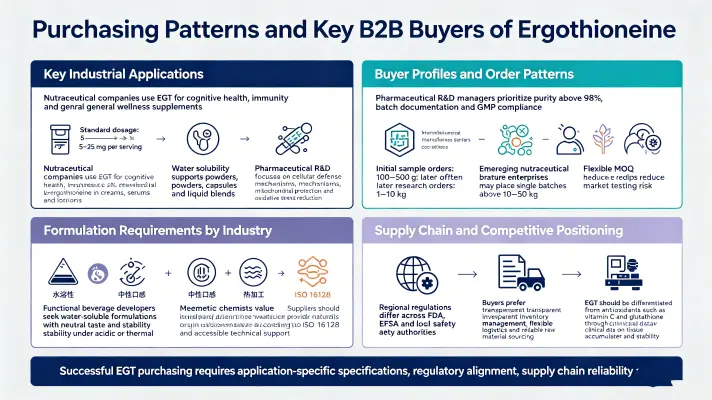
Nutraceutical companies employ EGT to develop supplements that improve cognitive health, immunity and overall wellbeing. Standard dosages are 5-25 mg per serving. Water solubility permits integration into powders, capsules and liquid mixtures.
Cosmetic manufacturers use l ergothioneine (EGT) at 0.5-2% concentrations in creams, serums and lotions. The chemical inhibits pigmentation, decreases environmental stresses and has minimal irritation potential. It is stable under normal processing circumstances – a major benefit for the product creators.
Pharmaceutical R&D is focused on the cellular defence mechanisms of EGT. While there are limited medicinal claims, the high purity material is used by researchers to examine mitochondrial protection and decrease of oxidative stress in pre-clinical animals.
Buyer Profiles and Order Patterns
The three most needed requirements for pharmaceutical R&D managers are purity > 98%, complete batch documentation, and GMP compliance. Initial sample orders are 100-500g with scalability to 1-10 kilogram for continuing study.
Health supplement companies vet suppliers on quality certifications, safety testing and regulatory backings. Emerging brands order at 10-50 kg. Established firms may purchase 200+ kg/batch. Minimum order numbers are flexible and assist to minimise the risks of market testing.
“Functional beverage developers are seeking water-soluble formats that have a neutral taste and stability in acidic or heat-processed products. Cosmetic chemists like ISO 16128 documentation for natural origin, and timely technical support when they have formulation difficulties.
Supply Chain and Procurement Challenges
Buyers are also facing variable regulation across areas. The FDA, EFSA and regional safety agencies may apply various regulations. Suppliers should provide jurisdiction-specific compliance documents.
Supply chain dependability is very important. Global supply chain disruptions can impact cost and lead times. Procurement experts like suppliers with transparent inventory management, flexible logistics (FOB, CIF, DDP) and dependable procurement of raw materials.
Should be clearly distinguished from competing products like antioxidants (vitamin C, glutathione etc.). • Use clinical data to demonstrate EGT’s unique benefits of tissue accumulation and stability.
Understanding these procurement trends allows stakeholders to make educated sourcing choices and successfully manage market expansion.
Conclusion
The L-ergothioneine market globally is set for significant growth. Currently the market size is USD 25-30 million and is expected to reach USD 50-60 million by 2030. Nutraceutical, cosmetic and pharmaceutical uses stimulate demand, underpinned by scientific validation and demographic trends.
The L-ergothioneine market so has significant growth potential. Understanding market size and drivers, regional dynamics, and procurement trends allows organisations that want to tap into this developing functional element to make educated choices and gain a competitive edge.
FAQ
Is ergothioneine safe for use in supplements and cosmetics?
Ergothioneine demonstrates a strong safety profile supported by toxicological studies and extensive use history in dietary supplements and topical cosmetic formulations. The compound occurs naturally in common foods including mushrooms and legumes, with typical dietary intake estimated at 1-5 mg daily in populations consuming these foods regularly. Cosmetic safety assessments document excellent skin tolerance with minimal irritation potential at standard use concentrations. Regulatory bodies including FDA recognize ergothioneine's use in supplements, while cosmetic applications comply with relevant safety standards. Buyers should verify suppliers provide comprehensive safety documentation including toxicological summaries and irritation testing results for their specific material.
How does ergothioneine compare to other antioxidants like glutathione or vitamin C?
Ergothioneine offers distinct advantages through its unique cellular accumulation mechanism via the OCTN1 transporter, enabling preferential concentration in tissues experiencing oxidative stress. Unlike vitamin C, ergothioneine remains stable across broad pH ranges and resists oxidation during processing and storage. Compared to glutathione, ergothioneine demonstrates superior bioavailability when administered orally and maintains antioxidant activity in diverse cellular compartments. Each antioxidant serves complementary roles, with many formulators combining ergothioneine with other antioxidants to create comprehensive protection systems. Procurement decisions should consider application-specific requirements, stability needs, and desired positioning rather than viewing these compounds as direct substitutes.
What dosage ranges are supported by clinical research?
Published research examining ergothioneine supplementation employs dosages ranging from 5 mg to 25 mg daily, with most studies utilizing 10-15 mg to evaluate physiological effects. These ranges inform typical supplement formulations targeting general wellness applications. Cosmetic applications incorporate 0.5-2% ergothioneine in finished products, translating to topical exposure levels well below oral supplementation amounts. Buyers developing new formulations should consult available clinical literature and consider engaging regulatory consultants to ensure proposed dosages align with safety data and regional regulatory expectations. Suppliers offering technical support can assist in reviewing relevant research and recommending evidence-based concentration ranges for specific application categories.
Partner with Rebecca for Premium L-Ergothioneine Supply
Shaanxi Rebecca Biotechnology stands ready to support your ergothioneine procurement requirements with pharmaceutical-grade material meeting the most demanding specifications. As an established l ergothioneine supplier, we maintain production capacity exceeding 500 metric tons annually across our specialized extraction lines, ensuring reliable supply for both development quantities and commercial-scale orders. Our 99% purity white crystalline powder undergoes rigorous HPLC testing with comprehensive documentation including certificates of analysis, safety data sheets, and GMP compliance certification.
Rebecca's dedicated R&D team, comprising chemistry and pharmacology specialists, provides formulation support and application guidance tailored to your specific product development needs for l ergothioneine. We understand the critical importance of batch consistency, regulatory compliance, and supply chain reliability for pharmaceutical R&D companies, supplement brands, and cosmetic manufacturers. Whether you require flexible minimum order quantities for market testing or secure long-term supply agreements with volume pricing, our team delivers customized solutions.
Contact our ingredient specialists at information@sxrebecca.com to discuss your ergothioneine requirements, request product samples, or explore how Rebecca's technical capabilities and quality systems can support your product innovation goals. Visit sxrebecca.com to review our complete portfolio of standardized botanical extracts and active ingredients serving global markets.
References
1. Cheah, I.K. and Halliwell, B. (2021). "Ergothioneine, recent developments." Redox Biology, Vol. 42, examining market applications and biological mechanisms.
2. Servillo, L. et al. (2020). "An overview of ergothioneine: Chemistry, biosynthesis, and therapeutic potential." Amino Acids, Vol. 52, discussing production methods and quality considerations.
3. Global Market Insights (2023). "Ergothioneine Market Size Analysis Report 2023-2030." Industry analysis covering regional dynamics and application segments.
4. Kato, Y. et al. (2022). "Transport and accumulation of ergothioneine in tissues." Journal of Nutritional Biochemistry, Vol. 98, detailing cellular uptake mechanisms.
5. Markova, N.G. et al. (2020). "Ergothioneine in dermatology and skincare applications." International Journal of Cosmetic Science, Vol. 42, reviewing cosmetic formulation approaches.
6. Paul, B.D. and Snyder, S.H. (2021). "The unusual amino acid L-ergothioneine as a physiologic antioxidant." Cell Death & Differentiation, Vol. 28, examining comparative antioxidant mechanisms and clinical research.