How can I tell if pure creatine monohydrate is working?
When individuals do study on pure creatine monohydrate powder performance they often mix up two different questions. But the regular gym-goers want to see some hard evidence that creatine really helps their bodies physically. B2B ingredient purchasers require concrete quality markers to confirm that a raw creatine powder will perform consistently in finished supplements and beverages. This book presents both sides of the coin. It begins with solid, human-centric evidence that pure creatine monohydrate delivers real, physical results for end customers. It then discusses industrial testing standards that verify the potency of raw material. It also has formulation matching guidelines to get consistent outcomes.
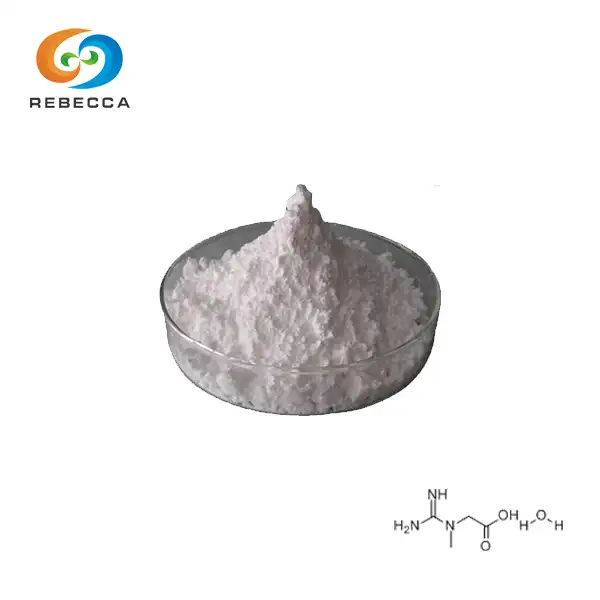
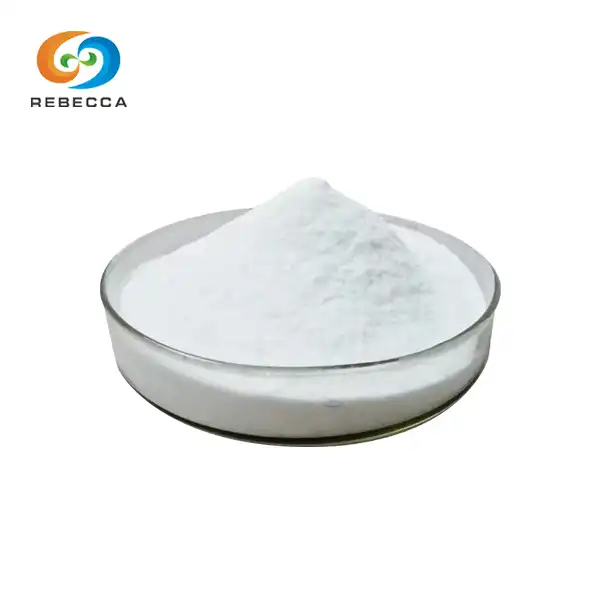
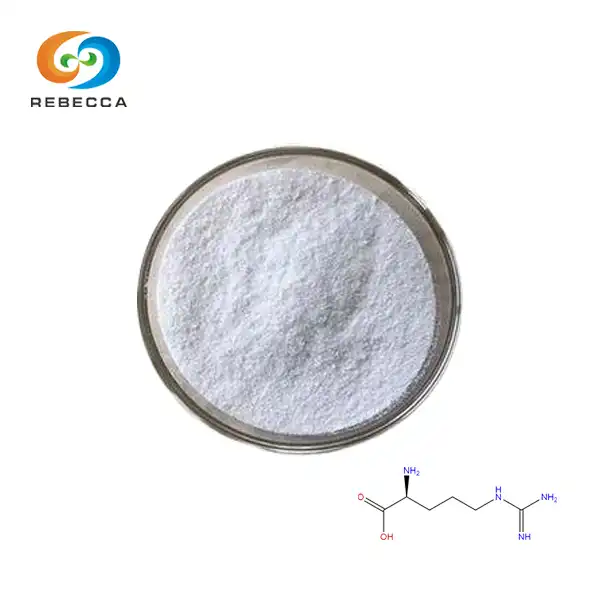
Micronized Creatine Monohydrate
【Product name】: Creatine Monohydrate
【Specification】 99.5%-102.0% 【CAS No.】: 6020-87-7
【Molecular Formula】: C4H11N3O3
【Appearance】:White crystal or white powder
【Test Method】: HPLC
Shelf Life: 2 years
Minimum Order Quantity: 1 kg
Samples: Free samples available
Certifications: GMP, ISO, HACCP, KOSHER, and HALAL.
Payment: Various payment methods accepted.
Advantages: Manufactured in a 100,000-grade cleanroom, our products are additive-free, non-GMO
Inner Package: Double PE Bags; Net 5kg/Bag
Outside Package: Paper Drums, Net 25kg/Drum
Storage:Store in a cool, dry place away from Light and Heat.
Tangible Physical Signs Pure Creatine Monohydrate Works For End Consumers
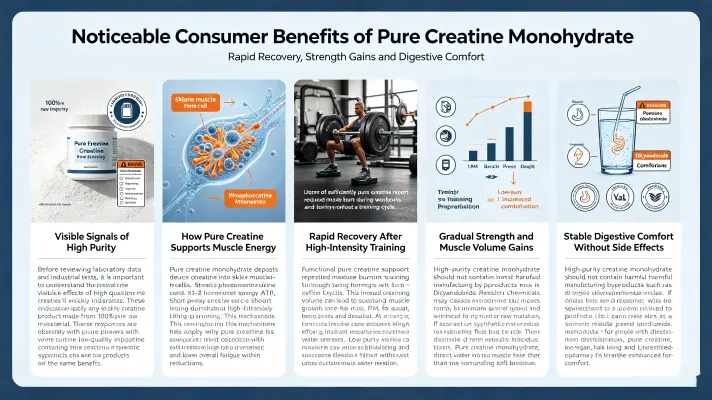
Before you start looking at lab data and industrial testing, it’s important to know the actual, visible impacts that show high-quality creatine monohydrate is working the way it should. These indicators are valid for the use of any finished creatine product generated from 100% raw material. These reactions are constant for pure creatine and do not occur for low-grade creatine with extra creatinine or byproducts of synthesis.
Rapid Recovery From High-Intensity Training Sessions
Pure creatine monohydrate deposits phosphocreatine into the skeletal muscle cells. Stored chemical rapidly refills ATP, the main energy source required for brief bursts of vigorous lifting or running. Those using adequately purified creatine report reduced muscle burn throughout a workout. They also experience reduced overall weariness 1 to 2 hours after workout. This rapid recovery does not seem to happen with impure preparations of creatine that breakdown to inactive creatinine after storage. The impure forms lack active, utilisable creatine molecules that can rapidly restore muscular energy reserves.
Usually, one to two weeks of daily dose is enough to demonstrate improvement in post-workout recovery with regular use. Users report being able to do greater repetitions on complex exercises. They help reduce muscular pain that lasts for many days after vigorous activity. These are little everyday changes, basic real world evidence that the creatine product they are taking is made of genuine working creatine monohydrate raw material.
Gradual Strength And Lean Muscle Volume Gains
Repeated maximum effort during training cycles is supported by functional pure creatine. That increased work adds up to consistent muscle gain throughout a four to eight week period. End users utilising high-purity creatine show meaningful increases in one-rep max values for squats, bench presses, and deadlifts. They also get improved muscle definition with no undesired extra water retention beneath the skin.
Low grade creatine tends to leave you bloated and unevenly gaining water weight. This negative effect is related to the fact that the unfiltered synthesis residues disturb the fluid equilibrium in the body. This is not a problem with pure creatine monohydrate. It pushes water into the muscular tissue, not into the soft tissue around it. The extra strength and clean muscular fullness are a clear everyday sign that the creatine mixture works as it’s supposed to.
Stable Digestive Comfort Without Negative Side Effects
The well purified creatine monohydrate is free of hazardous by-products of manufacture like dicyandiamide. These residual chemical residues may cause stomach cramps, bloating, and minor renal strain for sensitive individuals. Pure creatine mixes well in drinks without leaving any grainy residue. Absorbed easily via the digestive system with little GI irritation even at normal loading levels.
If you’re getting an upset stomach from taking creatine on a regular basis, it’s nearly certainly because you’re using a product made from low-purity raw material. If you never have stomach troubles again, it’s a simple personal litmus test that your supply of creatine monohydrate has been purified to exacting standards. This comfort effect is further extended with pure creatine that is also vegan, halal and kosher approved for those with limited dietary regimens.
The real consumer physical outcomes are 100% dependent on the chemical composition of the raw creatine powder brands buy. Fitness customers cannot separate the outcome of the completed product from the quality of the ingredients below. Raw material potency must be verified using standardised lab testing criteria prior to producing consumer products for B2B customers. The next part will provide proven test indicators that show raw creatine monohydrate will give consumers consistent outcomes over the long run.
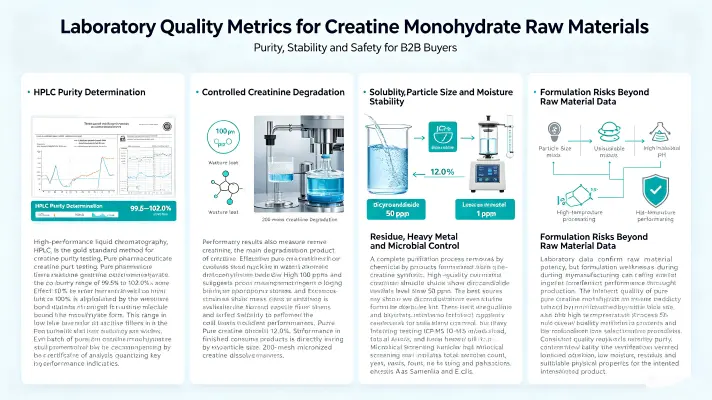
Laboratory Quality Markers That Prove Raw Creatine Monohydrate Effectiveness For B2B Buyers
Visible consumer body impacts link back to observable chemical and physical features inside bulk creatine monohydrate powder. Third-party lab testing is how B2B ingredient suppliers document these identifiers. You get a Certificate of Analysis with every batch of pure creatine monohydrate that quantifies all the key performance metrics. These lab numbers directly indicate how the final supplement or beverage will behave with end-users.
HPLC Purity Assay And Controlled Degradation Limits
HPLC is the gold standard test for creatine purity, and stands for High performance liquid chromatography. Pure pharmaceutical grade creatine monohydrate will be between 99.5% and 102.0%. The top limit over 100% is caused by the bonded water molecule in the monohydrate form. This range indicates a little amount of inactive filler inside the bulk powder.
Lab results also detect levels of creatinine, the major breakdown product of creatine. It is effective in pure creatine and will keep creatinine levels below 100 parts per million. High creatinine levels are indicative of inadequate moisture management or unsuitable long-term storage. Too much creatinine means there is less active creatine available to build up the body’s energy stores for muscle. Brands that buy powder with elevated creatinine levels are giving their consumers worthless and useless goods.
Controlled Solubility, Particle Size And Moisture Stability
The performance of creatine in the final consumer items is directly affected by the mesh size. 200-mesh micronised creatine dissolves rapidly in water for ready-to-drink drinks and flavoured powder mixes. It cuts out concerns about rough texture from end customers. The normal creatine of 80 mesh is able to pass through the capsule filling & tablet pressing equipment without clogging the manufacturing gear.
Moisture stability is directly related to shelf life and continued performance. Pure creatine monohydrate has loss-on-drying values below 12.0%. The tight restriction delays hygroscopic water uptake during storage in warehouses. Humidity at a high level quickens the conversion to useless creatinine. Stable low moisture levels provide constant product performance from date of manufacture to customer expiry date.
Zero Harmful Synthesis Residues And Low Heavy Metal Content
The complete purification procedure eliminates any residual chemical by-products from the creatine synthesis process. Premium grade raw creatine restricts dicyandiamide to below 50 parts per million. The best sources provide non-detectable levels. Traces of dihydrotriazine are also rigorously screened. These residues may cause renal stress on long-term customers, and raise regulatory compliance problems for supplement firms.
Heavy metal testing using ICP-MS showed lead, arsenic, cadmium and mercury are below 1 part per million combined. The microbiological screening is quite strict, checking for total plate count, yeast, mould and hazardous pathogens such as salmonella and E. coli. Clean lab findings help avoid expensive product recalls and maintain brand confidence with health-conscious customers throughout the world.
Lab data validates the raw creatine potency, however the manufacturing process still has formulation obstacles that wipe off component efficacy throughout production. Quality built into pure creatine monohydrate may be cancelled out by particle size mismatches, unstable pH levels and high temperature processing. The following section addresses formulation modifications that manufacturers use to ensure consistent performance of creatine across all final product types.
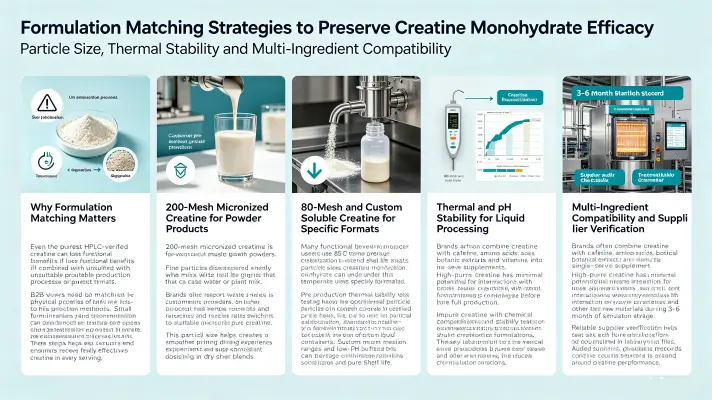
Formulation Matching Strategies To Preserve Pure Creatine Monohydrate Effectiveness In Finished Goods
Even the purest HPLC-verified creatine loses functional advantages when combined with unsuitable manufacturing processes or product forms. B2B buyers need to match raw material physical characteristics with their production process. Small formulation changes avoid precipitation, textural difficulties, and degradation during pasteurisation or storage on shelves. These stages ensure that the final consumer gets fully functional creatine in every serving.
Mesh Size Customization For Supplement Powders, Capsules And Beverages
Micronised 200 mesh creatine is needed for flavoured mixes of pre-workout and muscle growth powders. When blended with water or plant-based milk, the tiny particle size disperses evenly. It removes gritty texture that results in bad customer feedback. Brands selling these powder brands find fewer customer complaints and more repeat sales after upgrading to appropriately micronized pure creatine.
Production runs for capsules and tablets use a coarser 80-mesh creatine powder. When filled automatically, this grade produces less fine dust. It maintains a continuous flow through hoppers without bridging or obstructions that slow down production productivity. The correct mesh size for the manufacturing equipment will save waste in production and provide a uniform creatine dose in each and every capsule or tablet unit.
Ready-to-drink sports hydration drinks need customised soluble creatine grades. Regular creatine particles sink to the bottom of liquid vessels without specific particle calibration. Custom mesh size and low pH buffers minimise sediment building during pasteurisation and months of retail shelf life.
Thermal And pH Stabilization For Liquid Product Processing
Many functional beverage manufacturers utilise heat pasteurisation at 85°C to increase the shelf life of the product. Standard creatine monohydrate will break down at this heat without special formulation assistance. We verify pure creatine batches with our suppliers for heat stability before manufacture. These tests determine the optimum particle size and co-solvent that does not lead to creatine separation after heating.
The pH level also effects the long-term performance of creatine in liquid products. In very acidic or basic liquid conditions , the conversion to inactive creatinine is faster . Suppliers provide scientific formulation help to bring the pH range of the beverage within the stable window of pure creatine. The joint testing procedure prevents costly, last-minute reformulation cycles for beverage makers.
Cross-Ingredient Compatibility Testing For Multi-Component Blends
Brands tend to blend creatine with caffeine, amino acids, plant extracts and vitamins in single-serve supplements. If formulation testing is done before full production runs, high purity creatine has the least unfavourable interaction on stimulant compounds. Impure creatine containing chemical residues may interact unexpectedly with the other ingredients in the mix, and degrade texture or flavour over time.
Compatibility stability testing for bespoke multi-ingredient formulae are performed by the supplier technical teams. These lab tests demonstrate how pure creatine interacts with the other raw materials in the mix throughout 3-6 months of simulated storage. Brands use such testing before they begin mass manufacturing so they don't end up wasting production batches and provide uneven outcomes to consumers.
Consistent lab measurements and optimised formulation methods are only as good as the brands sourcing from compliant, traceable creatine producers. Often vendors that are not qualified change the test findings or bypass steps in the purifying process. Trusted supplier verification processes guarantee that every bulk creatine shipment provides the full efficacy guaranteed on lab paperwork. The last part explains the authorised supplier and certification inspections to ensure dependable creatine performance throughout the year.
FAQ
How can I verify authentic supplier certifications?
Request original certification documents directly from issuing bodies rather than relying solely on supplier-provided copies. Cross-reference supplier facility information with certification registries maintained by organizations like NSF International or SGS. Legitimate suppliers welcome verification inquiries and provide contact information for their quality assurance departments. Be cautious of certifications without verifiable registration numbers or those from unfamiliar organizations lacking industry recognition.
What purity level is sufficient for different applications?
Pharmaceutical and clinical research applications typically require 99.9% purity minimum with stringent impurity controls. Sports nutrition supplements generally specify 99.5%-102.0% (the range accounts for the monohydrate water content), which balances performance with cost-effectiveness. Functional beverages may accept slightly broader ranges if dissolution and stability characteristics meet formulation needs. Always align purity specifications with your target market's regulatory expectations and quality positioning.
Why does mesh size matter in procurement decisions?
Mesh size directly affects manufacturing efficiency and end-product quality. Fine micronized powders (200-mesh) increase production costs but improve consumer experience in powder blends through better mouthfeel and dispersion. Coarser grades (80-mesh) reduce dust generation during handling, improve flow properties in automated equipment, and may offer cost advantages for encapsulated products. Matching mesh specifications to your production equipment and final product format prevents unnecessary complications and waste.
Partner With Rebecca for Premium Creatine Monohydrate Supply
Shaanxi Rebecca Bio-Tech Co., Ltd. is committed to offering B2B customers worldwide with pharmaceutical quality creatine monohydrate that satisfies the strict requirements. Our material requirements routinely meet 99.5%-102.0% purity by HPLC analysis with full testing for heavy metals, microbiological contaminants and synthesis leftovers such as Dicyandiamide. Manufacturing under GMP and ISO-certified methods provides you with the batch-to-batch uniformity that is crucial to your formulation stability and regulatory filings.
We have a manufacturing capability of over 500 metric tons/year and can accommodate bulk purchases and variable minimum order quantities for expanding product lines. We have a technical staff that supports applications for beverage formulas, supplement mixes and specialised delivery methods. Stability testing data is available and we can customise to your mesh size needs. Whether you require normal 80-mesh for encapsulation or micronised 200-mesh for instant-dissolving powders, we provide exactly specified material with complete traceability documentation.
For a discussion of your unique needs please contact our procurement professionals at information@sxrebecca.com We give free samples with MSDS paperwork so your QC may verify performance before placing significant purchases. As a reputable producer of creatine monohydrate for pharmaceutical firms, supplement brands and ingredient distributors worldwide, Rebecca blends technical competence with dependable logistics to boost your supply chain. Get in touch immediately to develop a solid collaboration for your creatine monohydrate sourcing requirements.
References
1. Kreider, R.B., et al. "International Society of Sports Nutrition Position Stand: Safety and Efficacy of Creatine Supplementation in Exercise, Sport, and Medicine." Journal of the International Society of Sports Nutrition, 2017.
2. Butts, J., Jacobs, B., and Silvis, M. "Creatine Use in Sports." Sports Health: A Multidisciplinary Approach, 2018.
3. Hultman, E., and Greenhaff, P.L. "Skeletal Muscle Energy Metabolism and Fatigue During Intense Exercise in Man." Science & Progress, 1991.
4. Persky, A.M., and Rawson, E.S. "Safety of Creatine Supplementation." Subcellular Biochemistry: Creatine and Creatine Kinase in Health and Disease, 2007.
5. Wyss, M., and Kaddurah-Daouk, R. "Creatine and Creatinine Metabolism." Physiological Reviews, 2000.
6. Harris, R.C., Söderlund, K., and Hultman, E. "Elevation of Creatine in Resting and Exercised Muscle of Normal Subjects by Creatine Supplementation." Clinical Science, 1992.