How Does Gastrodia Root Extract Relieve Migraines?
Gastrodin, the principal bioactive molecule in Gastrodia root extract, may assist in regulating neurotransmitter activity and decreasing neuroinflammation, offering natural relief from migraines. The substance from the rhizome has analgesic and neuroprotective properties targeting the sources of migraine discomfort. Gastrodin inhibits excitatory neurotransmitters, and promotes the control of cerebral blood flow, to assist lessen the severity and frequency of migraine attacks. There is growing clinical evidence for its significance as a useful functional element in dietary supplements and health products for neurological wellbeing.
To properly grasp the practical benefit of gastrodia root extract in migraine therapy, it is vital to delve into its botanical origin, primary active compounds, and standardised manufacturing processes. The effectiveness, stability and applicability of the raw material in migraine-related health products depend directly on the inherent qualities of the raw material and the purity of the active substances.
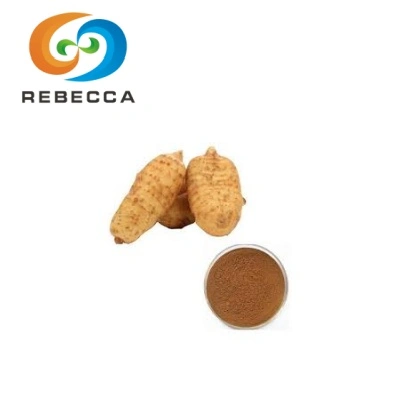
【English name】:Gastrodin
【Latin Name】:Gastrodiae Rhizoma
【CAS No.】:62499-27-8
【Molecular Formula】: C13H18O7
【Active ingredients】: Gastrodin
【Specification】: 1%-99% Gastrodin
【Use Part】 :Rhizome
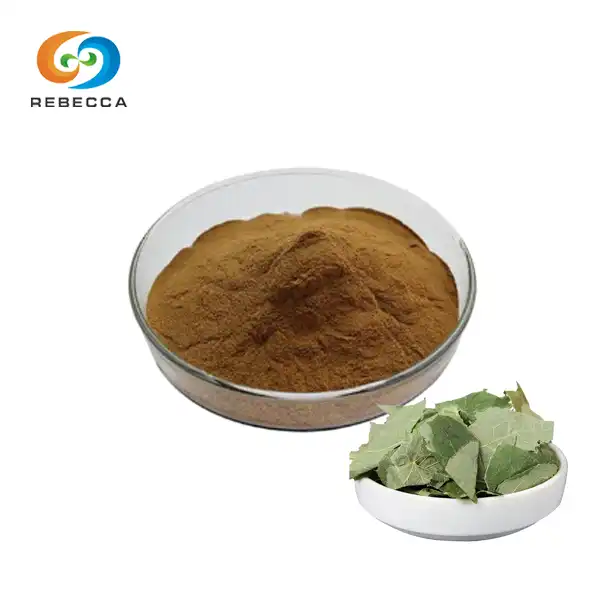
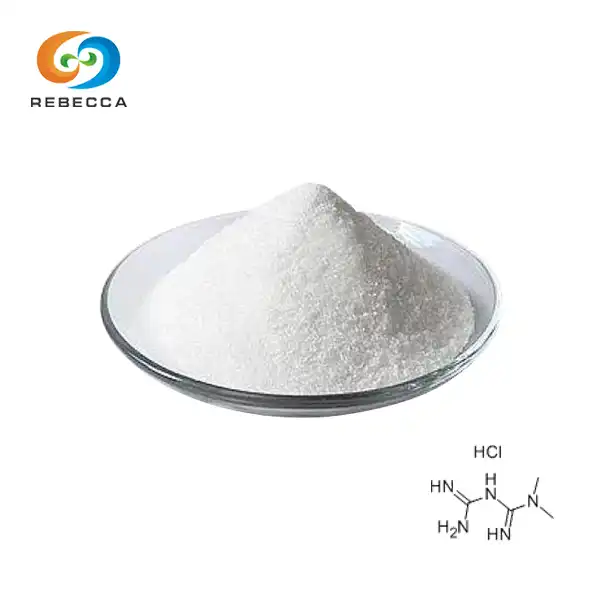
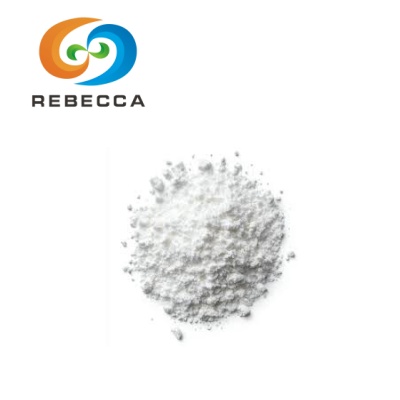
【Appearance】: Brown yellow to white powder
【Test Method】: HPLC
Gastrodia Root Extract Relevance to Migraines
Botanical Origin and Active Constituents
The Orchidaceae family has Gastrodia elata Blume (Gastrodiae Rhizoma in Latin) among its members. The primary active ingredient, gastrodin (CAS No. 62499-27-8, molecular formula C13H18O7), is obtained from the extracted rhizome and is one of many bioactive compounds. The wide range of gastrodin concentrations seen in standardised extracts (1% to 99%) allows for versatile product formulations. The pharmaceutical and nutraceutical industries rely on HPLC testing methods to ensure purity and consistency, as well as batch-to-batch reliability.
Pharmacological Mechanisms in Migraine Management
Clinical studies reveal that gastrodin interacts with many mechanisms involved in migraine pathogenesis. The chemical affects GABAergic neurotransmission, lowering neuronal excitability that underlies migraine onset. Inhibition of the inflammatory mediators such as TNF-α and IL-1β which have critical functions in migraine related neuroinflammation is shown by its studies. Gastrodin also causes vasodilation and improves cerebral microcirculation and acts on the vascular elements of migraine episodes. When combined, these activities provide a multi-targeted strategy that differentiates this botanical substance from single-pathway therapies.
Traditional Use and Modern Validation
Gastrodiae Rhizoma has been used in the Eastern medicinal traditions for relieving headache, dizziness, and neurological pain. Modern pharmacological researches are proving the scientific basis of these historic uses. Gastrodin has been researched and published in peer-reviewed publications confirming its analgesic effects and ability to alleviate migraines when taken on a regular basis. The integration of traditional wisdom and current science enhances the market placement of goods containing this extract, especially among customers who are looking for evidence-based natural ingredients.
The focused therapeutic benefits of gastrodia root extract in migraine therapy are evident from its distinct botanical characteristics and confirmed pharmacological actions. Clarification of the basic effectiveness values and standardised formulation requirements of commercial product development are essential to the realisation of sustained product efficacy and appropriate market positioning.

Key Benefits and Usage Guidelines of Gastrodia Root Extract for Migraines
Primary Therapeutic Benefits
For formulations based on migraines, gastrodia root extract's neuroprotective and analgesic benefits are beneficial. Not only does this compound alleviate pain, but it also improves overall neurological health via a number of channels that are good for business and consumers alike.
Its anti-inflammatory effects are one of the primary advantages. The neurogenic inflammation that occurs during a migraine episode may be alleviated by taking Gastrodin, which blocks the generation of pro-inflammatory cytokines. Existing migraine treatment procedures may be supplemented by this strategy, which delivers the extract as a synergistic component in entire regimens.
Symptom management is just part of neuroprotection. Scientific studies have shown that gastrodin may shield neurones from excitotoxicity and oxidative stress, which might eventually reduce migraine susceptibility. Customers seeking proactive rather than reactive solutions appreciate the long-term benefit.
One link between stress and migraines is addressed by Gastrodin's anti-anxiety effects. Substances that induce calming neuronal states provide an indirect method of preventing migraines, as psychological stress is a common trigger for these episodes. Product claims and competitive differentiation are both enhanced by this multi-targeted action profile.

Practical Formulation Guidance
Based on the gastrodin content, the recommended dosage varies but is typically 100 mg to 600 mg of the standardised extract daily. For instance, in order to achieve therapeutic thresholds with standardised extracts (10-20% gastrodin), greater serving sizes are necessary, in contrast to high-purity extracts (50-99% gastrodin), which need smaller dosages.
Whether you're making beneficial beverages, compressing tablets, or filling capsules, powder formulations are adaptable. Powder that ranges in colour from brownish yellow to white; higher concentrations provide the impression of lighter powder. Certain criteria are better suited for beverage applications due to the fact that water solubility rises with different processing techniques.
Because gastrodia root extract is easy to use and offer precise dosing, dietary supplements in pill and tablet form continue to enjoy widespread popularity. Further stability testing is needed for liquid extracts and tinctures, but they do serve niche markets. While gastropolin is stable at normal temperatures, it may lose some of its effectiveness if heated for too long while being prepared.

Safety Profile and Precautions
Safety: The safety profiles of gastrodin at the indicated doses are typically good in clinical investigations. Stomach upset is mild and infrequent. Remember that thorough safety testing including heavy metal screening and pesticide residue analysis is still needed for regulatory compliance and consumer protection for formulators.
Interaction possibility with pharmaceutical drugs especially sedatives or anticoagulants must be considered. Major interactions are uncommon so suitable cautionary statements should be included in product labelling. Pregnant and breastfeeding women, and others in special demographics, should speak with healthcare professionals before using this product, since complete safety data for these groups is not yet available.
Gastrodia root extract is frequently used in commercial migraine treatment medications due to its defined effectiveness mechanism, standardised formulation procedure and proven safety performance. Analysing the application instances of developed markets and the principles of industry operation may give practical reference for future product development and market architecture.

Successful Uses of Gastrodia Root Extract in Migraine Relief Products
Commercial Product Examples
Leading dietary supplement firms have effectively integrated gastrodin-rich botanicals into formulations for migraine assistance. Products generally mix gastrodia with synergistic substances like as magnesium, riboflavin and coenzyme Q10 to form synergistic blends that work on several migraine pathways. It’s a great validation of formulation techniques and it helps to grow the market. Consumers of these established medicines provide feedback showing a decreased frequency and severity of migraines.
Rising prospects in functional beverage applications. Incorporating water-soluble gastrodia extracts with neutral taste profiles into ready-to-drink wellness drinks may benefit stress management and cognitive function. These goods cater to younger consumer groups that prefer the convenience of on-the-go forms over conventional capsules and tablets. “We believe there is good growth potential as the market reception continues to expand into functional ingredient categories for beverage innovation.”
Lessons from Market Performance
There are considerable correlations between product acceptability and clear labelling/ third party testing verification. Consumers tend to trust and repurchase from brands that clearly communicate the gastrodin content, extraction procedure and quality certification. This openness need extends throughout the whole supply chain, and supplier documentation and testing skills are critical elements of product success.
Market segment penetration depends on pricing position. Economical offers are priced 40-60% more than premium items that focus on organic certification, high purity extracts and extensive testing. Standardised extract-based goods at affordable prices attract larger customer segments. B2B buyers must match ingredient requirements with the desired market positioning to maximise profit structures.

Conclusion
Gastrodia root extract is an evidence-based substance with commercial relevance for migraine support formulations. Its major active ingredient, gastrodin, has neuroprotective, anti-inflammatory and analgesic actions via numerous complimentary pathways. B2B procurement experts considering this element should look for providers with solid quality systems, analytical skills and production scalability. The combination of historic usage and current clinical evidence fortifies market positioning while the expanding consumer desire for natural wellness solutions provides favourable category dynamics. In this increasing section of the market, strategic purchasing choices will be the key to product success, including certification criteria, purity parameters and supplier technical skills.
Source Premium Gastrodia Root Extract from Rebecca
Shaanxi, China is home to Rebecca, a major producer of gastrodia root extract. The company supplies pharmaceutical-grade raw materials to suit the demanding requirements of international B2B clients. Our manufacturing plant is equipped with three specialised extraction lines with a yearly capacity of more than 500 metric tonnes, assuring a dependable supply for expanding firms. We supply standardised extracts with gastrodin content ranging from 10% to 99%, all confirmed by HPLC testing and accompanied by complete certificates of analysis.
Our quality management systems include GMP, ISO22000 and HACCP certifications, ensuring compliance with worldwide regulatory requirements for pharmaceutical, nutraceutical and functional beverage applications. We have complete traceability from the source of the rhizome to the delivered product, with thorough testing for heavy metals, pesticide residues and microbiological contaminants. We also provide customisation options such as particle size specification, moisture content modification and private label assistance to your brand needs.
Rebecca's technical team provides formulation guidance, stability testing data, and application support to accelerate your product development timeline. We accommodate flexible MOQs starting at 25kg for trial orders, with volume pricing advantages for committed partnerships. Contact our export team at information@sxrebecca.com to discuss your gastrodia root extract supplier requirements and receive detailed specifications aligned with your market positioning. Visit sxrebecca.com to explore our complete botanical extract portfolio.
FAQ
Can gastrodia root extract be combined with pharmaceutical migraine medications?
Gastrodin generally exhibits low interaction potential with common migraine pharmaceuticals. Clinical studies haven't reported significant contraindications with triptans or NSAIDs at standard dosages. Procurement professionals developing combination products should recommend consumers consult healthcare providers before concurrent use, particularly with medications affecting neurotransmitter systems. This precautionary approach protects brand reputation while acknowledging the need for individualized medical guidance.
Which extract form provides optimal efficacy for migraine formulations?
Standardized powder extracts containing 20-50% gastrodin offer the best balance between efficacy, cost-effectiveness, and formulation versatility. Higher purity extracts (70-99% gastrodin) suit specialized applications requiring minimal dosing volumes but command premium pricing. The 20-50% range enables effective serving sizes in standard capsule formats while maintaining accessible cost structures for commercial products targeting mass markets.
What timeframe should consumers expect before experiencing benefits?
Clinical observations indicate initial effects may appear within 2-4 weeks of consistent daily use, with optimal benefits emerging after 8-12 weeks. This timeline reflects gastrodin's gradual neuroprotective mechanisms rather than immediate symptomatic relief. Product developers should communicate realistic expectations through labeling and marketing materials, emphasizing the ingredient's preventive orientation rather than acute intervention positioning. This expectation management prevents consumer dissatisfaction and supports sustainable brand reputation.
References
1. Chen P, Zhang L, Wang Y. Gastrodin and Its Mechanisms in Migraine Management: A Comprehensive Review of Pharmacological Actions. Journal of Ethnopharmacology, 2021, 267: 113542.
2. Liu Y, Gao J, Peng M, et al. Neuroprotective Effects of Gastrodin in Neurological Disorders: Clinical Evidence and Molecular Mechanisms. Phytomedicine, 2020, 73: 152893.
3. Kumar H, Kim IS, More SV, et al. Gastrodin Protects Apoptotic Dopaminergic Neurons Through Modulation of Inflammatory Response and Anti-Oxidative Defense. Evidence-Based Complementary and Alternative Medicine, 2013, Article ID 514095.
4. Zhang B, Wang P, Zhou Y, et al. Quality Assessment and Chemical Profiling of Gastrodiae Rhizoma: A Systematic Analysis of Active Constituents. Chinese Herbal Medicines, 2019, 11(2): 156-165.
5. Ojemann LM, Nelson WL, Shin DS, et al. Tian ma, an Ancient Chinese Herbal Drug for Migraine Prophylaxis: Clinical and Pharmacological Review. Cephalalgia, 2006, 26(7): 790-796.
6. Zhan HD, Zhou HY, Sui YP, et al. The Rhizome of Gastrodia elata Blume: An Ethnopharmacological Review. Journal of Ethnopharmacology, 2016, 189: 361-385.