How is the specification of curcumin powder defined?
In an effort to clarify the entire specification system of curcumin powder, it is necessary to specify the basic product features and key active indications.pure curcumin powder is a concentrated herbal extract, not the same as regular culinary turmeric powder. The definition of the specification is based on active curcuminoids and is adjusted to the criteria of standardized chemical parameters. This is the primary basis for differentiation in product grade and application circumstances.
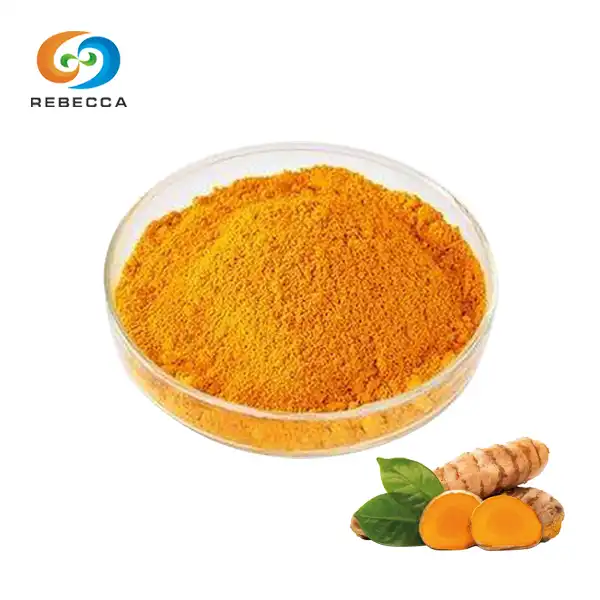
Pure Curcumin Powder
Product name: Curcumin
Latin Name: Curcuma longa L.
CAS No.: 458-37-7
Molecular Formula: C21H20O6
Active ingredients: Curcumin, demethoxycurcumin, bisdemethoxycurcumin.
Specification: Curcuminoids 10%~ 95%
Use Part : Subterranean rhizome
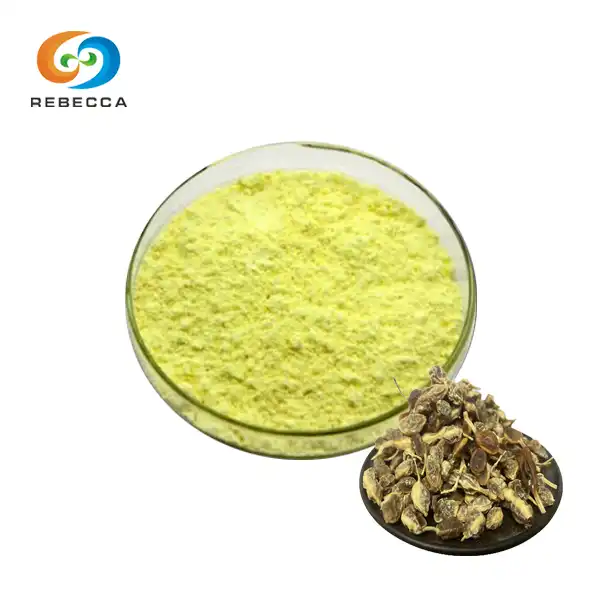
Appearance: Orange yellow powder
Mesh size:80 Mesh
Test Method: HPLC
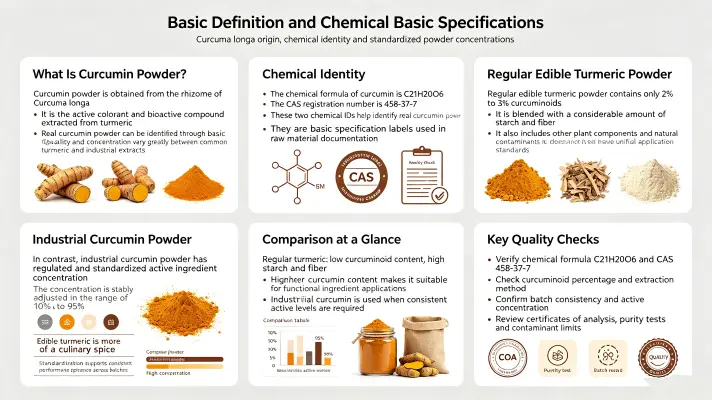
Basic Definition and Chemical Basic Specifications
Curcumin powder is obtained from the rhizome of Curcuma longa. The chemical formula is C21H20O6 and the only CAS registration number is 458-37-7. These two chemical IDs are basic specification labels to identify real curcumin powder. The regular edible turmeric powder includes only 2% to 3% curcuminoids. And it is blended with a considerable amount of starch, fiber and other plant contaminants, so it does not have unified industrial application standards. In contrast, the concentration of active ingredient in industrial curcumin powder is regulated and standardized. The concentration is stably adjusted in the range of 10%-95%, adapting to the diverse needs of different sectors.
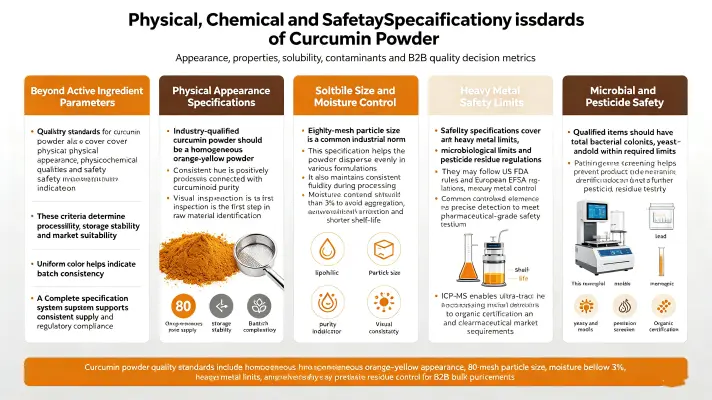
Physical, Chemical and Safety Specification Standards of Curcumin Powder
In addition to the core active ingredient parameters, the quality standards for whole curcumin powder also cover physical appearance, physical and chemical qualities and safety purity indicators. These auxiliary criteria determine the processing adaptability, storage stability and market adaptability of items. They are the key decision making metrics for B2B bulk buying.
Physical and Chemical Attribute Specifications
Industry qualified curcumin powder has standardized physical criteria. Good quality items have homogeneous orange yellow powder in appearance. The consistency of the hue is positively connected with the purity of the curcuminoids. As for particle size, 80-mesh particle size is the industrial norm. The specification can evenly scatter the powder in varied formulae, and keep constant fluidity during production and processing.
In the industry and pharmacopoeia, the uniform standard for moisture control is that the moisture content should be less than 3%. Excess moisture will promote aggregation of the powder and deterioration of the active substance. It will also lower the shelf-life of products. Regular curcumin powder is lipophilic and has low solubility in water; therefore, it has low solubility. Not applicable for watery beverage formula. The application standards of water soluble curcumin powder have been enlarged by microencapsulation and complexation technique of cyclodextrins. It can be stably added to clear functional beverages and has more diverse use situations.
Safety and Contaminant Limit Specifications
Safety specifications are the bottom-line criterion for pure curcumin powder to enter worldwide markets. It largely covers heavy metal limits, microbiological limits and pesticide residue regulations. It adheres completely to the US FDA rules and European EFSA regulations for heavy metal control. It limits the levels of lead, arsenic, mercury, cadmium and other dangerous heavy metals. Heavy metal detection: Inductively coupled plasma mass spectrometry (ICP-MS). It can be used for ultra-trace precise detection to meet pharmaceutical-grade safety criteria.
Microbial safety: items, which are qualified, should have the total number of bacterial colonies, yeast and mold within the required range. They also have to do pathogen screenings to prevent product degradation and safety issues. Organic-grade curcumin powder also needs further necessary definition of pesticide residue testing. It ensures that the raw material planting and processing links may meet the organic certification standards and the needs of high-end clean-label markets.
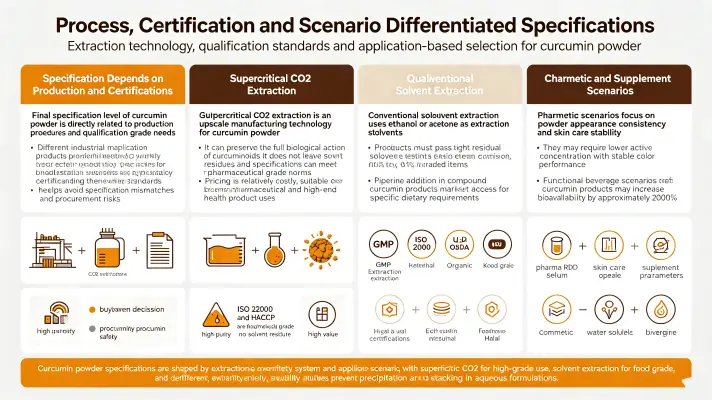
Process, Certification and Scenario Differentiated Specifications
The final specification level of curcumin powder is directly related to the different production procedures and qualification certifications. In the meantime, several industrial application scenarios have various specification needs. By mastering these varied standards, buyers can more accurately choose matched products, avoiding specification mismatches and procurement risks.
Specification Differences Caused by Extraction Processes
The important factor for the product specification quality is extraction technology. Supercritical CO2 extraction is an upscale manufacturing technology for curcumin powder. It can preserve the full biological action of the curcuminoids. It does not leave any solvent residues and the product specifications are totally within the norms of pharmaceutical grade. The pricing is relatively costly for high standard pharmaceutical and high-end health product uses.
In the conventional solvent extraction, ethanol or acetone is used as extraction solvents. Low cost of production, although the residual solvent detection specification is rigorous. Products must pass tight residual solvent testing for a Pharmacopoeia admission. This technique is mostly utilized for conventional food grade curcumin powder. It cannot achieve the very high safety standards of pharmaceutical grade items.
Qualification Certification Specification Standards
Complete certification is the ultimate assurance that curcumin powder meets the specifications. GMP certification is the basic qualification of pharmaceutical grade items. It standardizes the whole production process and guarantees a consistent batch quality. ISO 22000 and HACCP certifications are required food-grade safety standards. They ensure food safety of raw ingredients.
USDA and the EU Organic certificates are premium grade tags for organic curcumin powder. They restrict the planting and processing procedures. They are valid in the high-end organic health product sectors. The product market is more versatile with the Kosher and Halal certifications. They satisfy the dietary specifications of some regional groupings. For all qualifying products, batch specific CoA analysis reports have to be provided. Full traceability is achieved through recording all specification detection data in the reports.
Scenario-Based Differentiated Specification Requirements
In the case of pharmaceutical R&D, the specifications required are the greatest. They must utilize 95% high purity pure curcumin powder meeting CP/EP/USP pharmacopoeia criteria. The product must pass the full-item safety detection, and support drug registration and filing. Health supplement scenarios are about the balance between effectiveness and cost. As per formula design they might choose 10% to 95% graded items. The addition of piperine in the usual optimal specification of compound curcumin products can increase the bioavailability of curcumin by roughly 2000%.
Cosmetic scenarios pay more attention to the consistency of the appearance of powder and the stability of skin care efficacy. They require little active concentration. Water-soluble curcumin powder parameters take precedence for functional beverage scenarios. They prevent precipitation and stacking in aqueous formulations and guarantee product stability.
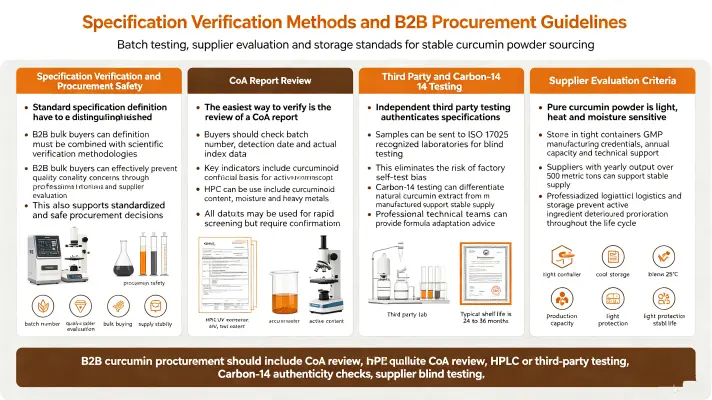
Specification Verification Methods and B2B Procurement Guidelines
The standard specification definition must be combined with the scientific verification methodologies. B2B bulk buyers can effectively prevent quality concerns, maintain long-term supply stability and realize standardized and safe procurement by professional specification verification and supplier evaluation.
Batch Specification Verification Methods
The easiest way to verify is the review of a CoA report. Buyers should check the batch number, the detection date and the actual index data in the report. They should verify that the curcuminoid content, moisture and heavy metal indicators are meeting the goal criteria. The methods of detection have to be distinguished. The HPLC detection data is more accurate than that of UV spectroscopy, and it can be utilized as the official basis for active content.
Independent third party testing is a good way to authenticate specs. Samples can be sent to ISO 17025 recognized laboratories for blind testing, to eliminate the mistake of plant self test data. Carbon-14 testing can differentiate natural curcumin extract from manufactured product. It successfully overcomes the problem of adulteration and provides the validity of raw material standards.
Supplier Evaluation and Storage Specification Standards
Good vendors have standardized production and quality control systems. Buyers should look for the supplier’s GMP manufacturing credentials, the annual production capacity and technical support skills. Suppliers with yearly output of more than 500 metric tons can make sure of stable supply and prevent risks of out of stock in busy seasons. Professional technical teams can provide formula adaption advise for firms to maximize product formula.
Storage after procurement is a normal process to preserve stability of the specification. Light, heat and moisture sensitive.Pure curcumin powder is stored in tight containers, in a cool place, below 25C, protected from light. The perfect shelf life is 24 to 36 months. Standardized logistics and storage can avoid the deterioration of active ingredients and guarantee that the product always fulfills the stipulated quality standards across the complete life cycle .
FAQ
What curcuminoid percentage defines high-quality curcumin powder?
Pharmaceutical and dietary supplement applications typically specify 95% total curcuminoids meeting USP or EP monograph standards. This concentration delivers maximum potency in minimal dosage volumes. Functional food and beverage applications may utilize 10%-30% concentrations where milder potency suits formulation goals. The "right" percentage depends on your end-product efficacy targets and cost structure.
How do additives like piperine affect specification and bioavailability?
Piperine addition creates combination products rather than pure curcumin extracts. Specifications must separately define curcuminoid content and piperine percentage (commonly 5% piperine to 95% curcumin). This addition significantly enhances bioavailability through metabolic pathway modulation, justifying premium pricing. Regulatory classification may shift from single-ingredient to combination product, affecting compliance requirements.
Which certifications should procurement managers prioritize?
GMP certification proves pharmaceutical-grade manufacturing controls essential for supplement applications. Organic certifications (USDA, EU) verify agricultural practices and command price premiums in natural product markets. ISO 22000 or HACCP certification demonstrates food safety management for edible applications. Kosher and Halal certifications expand market access. Prioritization depends on your target markets and positioning strategy.
Partner With Rebecca for Premium Curcumin Powder Supply
Rebecca offers pharmaceutical-grade pure curcumin powder that adheres to the rigorous standards demanded by B2B purchasers. Our Shaanxi, China production facility adheres to stringent GMP and ISO 22000 standards and is equipped with state-of-the-art supercritical CO2 extraction technology to maintain the bioactive integrity and free of solvent residues.
We have a variety of curcumin powders available, ranging from 10% to 95% curcuminoid content. Each batch is tested for HPLC, heavy metals and microbiological analysis with full CoA paperwork to satisfy your regulatory filing obligations. Our 500+ metric ton annual production capability provides continuous supply even during peak demand.
We are a leading supplier of curcumin powder to pharmaceutical firms, supplement brands and cosmetic producers across North America and Europe and we understand the regulatory problems you encounter. Our technical staff provides formulation support, stability testing data and application support that speeds up your product development timeframe.
If you would like to discuss your specifications for the curcumin powder, request samples, or discuss solutions for custom formulation, please contact our team at information@sxrebecca.com. Our goal is to be your trusted ingredient partner for the long haul, with constant quality, transparent documentation and timely service.
References
1. Aggarwal B B, Harikumar K B. Potential therapeutic effects of curcumin, the anti-inflammatory agent, in neurodegenerative diseases[J]. Molecular Pharmaceutics, 2009, 6(5): 1543-1567.
2. European Pharmacopoeia Commission. European Pharmacopoeia (10th Edition)[S]. Strasbourg: European Directorate for the Quality of Medicines & HealthCare, 2020.
3. Hewlings S J, Kalman D S. Curcumin: A review of its effects on human health[J]. Foods, 2017, 6(10): 92.
4. Nelson K M, Dahlin J L, Bisson J, et al. The essential medicinal chemistry of curcumin[J]. Journal of Medicinal Chemistry, 2017, 60(5): 1620-1637.
5. Prasad S, Gupta S C, Tyagi A K, et al. Curcumin, a component of golden spice: From bedside to bench and back[J]. Biotechnology Advances, 2014, 32(6): 1053-1064.
6. United States Pharmacopeial Convention. United States Pharmacopeia (USP 44-NF 39)[S]. Rockville: United States Pharmacopeial Convention, 2021.