Is pure creatine monohydrate ok to take every day?
Understanding Pure Creatine Monohydrate and Its Safety Profile
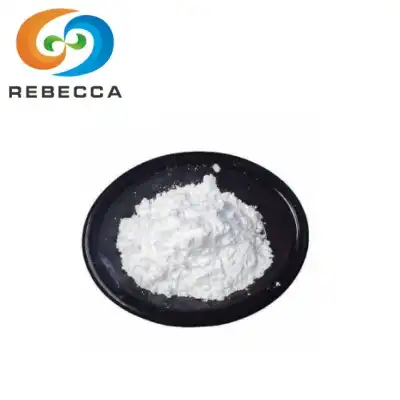
Full Name: β-Nicotinamide Mononucleotide
Abbreviation: β-NMN
CAS No. : 1094-61-7
Raw Material & Synthesis Route: Chemical enzymatic synthesis using nicotinamide riboside, ribose and phosphate as starting materials; multi-step purification via ultrafiltration & recrystallization
Core Active Marker: β-NMN
Main Specifications: 98%, 99% HPLC
Appearance: White crystalline fine powder, slight characteristic odor
Available Certifications: ISO22000, cGMP, HACCP, HALAL, KOSHER, COA & SDS per batch
What Defines Pure Creatine Monohydrate?
Pure creatine monohydrate powder, 1 creatine molecule with 1 water molecule attached, is about 87.9% active creatine by weight. (You will commonly see the figure “88%” quoted, but the actual number is the molecular weight of creatine (131.13) divided by the weight of the monohydrate (149.15).) This chemical is known by the CAS number 6020-87-7.
It is prepared by reacting sarcosinate with cyanamide under controlled circumstances. The product is a white crystalline powder and has no odor. If a label claims “pure,” it should indicate HPLC-verified purity of 99.5% to 102.0%.
Why do we care about purity? You may find production byproducts such as dicyandiamide (DCD) and dihydrotriazine (DHT) in lower-grade material. These contaminants don’t only diminish effectiveness. They can pose safety risks in vulnerable groups.
How Creatine Works in Your Body?
When you take creatine every day, your muscles store it as phosphocreatine. It is like a reserve battery for ATP, the energy currency your cells utilize while you are exercising hard. When ATP levels are low (like in sprints or heavy lifts) phosphocreatine comes to the rescue to help restore ATP levels.
This is why studies routinely indicate improvements in explosive power, sprint performance and resistance training volume. The consequences are not minor, but genuine and measurable. For most users, using supplements everyday for the first 2-3 weeks results in strength gains.
More recent research is looking at possible cognitive benefits outside athletics. In a meta-analysis in 2022, creatine supplementation has been shown to enhance memory and reasoning in older adults and in sleep-deprived individuals. This topic needs additional study, but early findings are intriguing.
What Decades of Research Say About Long-Term Safety?
This is where the evidence starts to get compelling. A number of controlled trials (daily supplementation of pure creatine monohydrate powder >12 months) demonstrated no deleterious effects on kidney function, liver enzymes or cardiovascular indicators in healthy persons.
The ISSN’s most comprehensive position stand came out in 2022 and reviewed over 1,000 studies. The bottom line: creatine monohydrate is safe for healthy populations to take on a regular basis over the long term. The FDA has designated it as GRAS (Generally Recognized as Safe) and the EFSA (European Food Safety Authority) reached the same conclusion.
Take a look at what the research actually measured:
|
Safety Parameter |
Finding |
Study Duration |
|
Kidney function (eGFR, creatinine clearance) |
No adverse changes |
Up to 5 years |
|
Liver enzymes (ALT, AST) |
Within normal range |
Up to 12 months |
|
Blood pressure & heart rate |
No significant change |
Up to 12 months |
|
Blood glucose & lipid profile |
Stable |
Up to 12 months |
|
Bone mineral density |
No negative impact |
Up to 12 months |
Important caveat: If you have pre-existing kidney disease, are pregnant, or take medications that affect kidney function, talk to your doctor before starting. This applies to any supplement, not just creatine.
So the science is clear on safety. But how much should you actually take, and when? Let us break down the practical side.
Proper Dosage and Usage Guidelines for Daily Consumption
Standard Dosing Protocols
You have two main options. The first is a loading phase: 20 grams per day, split into four 5-gram servings, for 5-7 days. This saturates your muscles quickly. The second is a simpler approach: just take 3-5 grams every day from the start. You reach the same saturation level within 3-4 weeks.
Here is a side-by-side comparison:
|
Protocol |
Daily Dose |
Duration |
Time to Saturation |
Best For |
|
Loading |
20g (4 x 5g) |
5-7 days |
5-7 days |
Athletes wanting fast results |
|
Maintenance (no loading) |
3-5g |
Ongoing |
3-4 weeks |
Most users; easier on digestion |
Loading gets you there faster, but it is not necessary. Many people skip it to avoid the digestive discomfort that sometimes comes with 20g per day. If you do load, split the dose into four servings spread throughout the day.
Timing and Administration Tips
Timing is important? Not much. You can also take pure creatine monohydrate powder with a carb-rich meal or post-workout smoothie for better uptake through insulin response. But the truth is, it’s the consistency of daily ingestion that matters so much more than the exact timing. Missed a day? Don't double up. Take your usual dose on your next day.
Hydration is crucial, too. Creatine draws water into your muscle cells so drink plenty of water Some users have reported moderate cramping if they don’t hydrate well enough, however research has not conclusively connected creatine to muscle cramps.
Micronized versions (200 mesh) of a powder blend better in liquid and feel less gritty than ordinary 80-mesh powder. For capsules users it is hardly noticeable.
Who Should Not Take Creatine Daily?
While creatine is safe for most healthy adults, certain groups should exercise caution:
· People with kidney disease: consult a nephrologist first. Creatine is metabolized by the kidneys, and impaired function requires medical supervision.
· Pregnant or breastfeeding women: limited safety data exists. Avoid unless specifically recommended by your healthcare provider.
· Those on nephrotoxic drugs (e.g., high-dose NSAIDs, certain antibiotics): check with a pharmacist about potential interactions.
· Minors under 18: generally safe, but consult a pediatrician before starting any supplement regimen.
Now you know it is safe and how to take it. But what about all those other creatine forms on the market: hydrochloride, ethyl ester, buffered? Are they better? Short answer: no.
How Pure Creatine Monohydrate Compares to Other Forms?
The Main Competitors
Walk into any supplement store and you will see creatine hydrochloride (HCl), creatine ethyl ester (CEE), buffered creatine (Kre-Alkalyn), and liquid creatine. Each one claims to be "better absorbed" or "more stable." Here is what the actual science says:
|
Creatine Form |
Claimed Advantage |
Actual Evidence |
Cost vs. Monohydrate |
|
Monohydrate |
Gold standard |
500+ studies; decades of safety data |
Baseline ($8-15/kg bulk) |
|
Hydrochloride (HCl) |
Better solubility |
No proven performance advantage |
2-3x more expensive |
|
Ethyl ester (CEE) |
Better absorption |
Converts to creatinine faster; less effective |
3-4x more expensive |
|
Buffered (Kre-Alkalyn) |
pH-stable, less degradation |
No superiority in controlled trials |
4-5x more expensive |
|
Liquid creatine |
Convenient, ready-to-drink |
Degrades rapidly in solution; largely ineffective |
5-8x more expensive |
Why Monohydrate Wins on Value?
The ISSN assessed every major type of creatine in its 2022 position stand . Their conclusion: monohydrate is as good as or better than all the others in effectiveness and bioavailability. No other form even comes close to the volume of supportive research.
That really counts in everyday use. You’re doing this every day, for possibly years. From a health and budget perspective, it does not make sense to pay 3-4x for an unproven alternative to pure creatine monohydrate powder. Simple math: monohydrate gets you the same outcomes with a fraction of the expense.
Want to see specs side by side? Download our free Creatine Monohydrate Specification Sheet (PDF) discusses purity criteria, particle sizes and CoA requirements for all major forms of creatine.
If you are a consumer that is all you need to know. But if you are sourcing creatine for a brand or product line, then quality and supplier choice become important.
Sourcing Guide: Partner with Rebecca for Premium Creatine Monohydrate
Why Supplier Quality Directly Affects Safety?
Remember those impurities we mentioned earlier? DCD, DHT, heavy metals? They come from cutting corners in manufacturing. When you source creatine for a supplement brand, the supplier quality controls are your first line of defense.
Look for suppliers who provide:
· Batch-specific Certificates of Analysis (CoA), not generic spec sheets
· HPLC purity results confirming 99.5%-102.0% range
· Heavy metal screening (lead, arsenic, mercury, cadmium all below 1ppm)
· Microbiological testing for yeast, mold, and pathogens
· GMP and ISO 22000 certifications from recognized audit bodies
What Sets Rebecca Apart?
Shaanxi Rebecca Bio-Tech has three dedicated lines for pharmaceutical-grade creatine monohydrate with an annual capacity of over 500 metric tons. Purity is guaranteed to be 99.5%-102.0% by HPLC testing of each batch. Each shipment includes full CoA paperwork.
We don’t simply ship pure creatine monohydrate powder. Our technical staff can provide formulation recommendations, stability testing results, and regulatory documents for your target markets. Order in flexible quantities, with affordable bulk prices on 25kg drums or 1,000kg supersacks – we work to suit you.
Trusted by 200+ supplement brands worldwide. Over 500 tons shipped annually with zero quality recalls.
How to Get Started?
Three ways to connect with us:
· Request a free sample: we ship within 48 hours, complete with full CoA documentation.
· Download our spec sheet: full technical specifications, pricing tiers, and packaging options.
· Book a consultation: speak directly with our formulation team about your product goals.
Email: information@sxrebecca.com Website: sxrebecca.com

FAQ
Can I take creatine every day without cycling?
A: Yes. Research shows no benefit to cycling creatine. Continuous daily use of 3-5g maintains saturated muscle stores indefinitely. There is no "tolerance" build-up.
Will creatine cause hair loss?
A: A single 2009 study suggested a possible link to increased DHT levels, but no study has actually documented hair loss in creatine users. The ISSN considers this concern unfounded based on current evidence. If you are genetically predisposed to hair loss, consult a dermatologist.
Does creatine cause bloating?
A: You may experience slight water weight gain (0.5-1.5kg) as creatine draws water into muscle cells. This is intracellular, not subcutaneous. It actually makes muscles look fuller, not puffy. The effect stabilizes after 2-3 weeks.
Is creatine safe for women?
A: Absolutely. The safety profile is identical across sexes. Women may see proportionally greater performance gains since they typically start with lower natural creatine stores.
References
1. Kreider, R.B., Kalman, D.S., Antonio, J., et al. (2022). International Society of Sports Nutrition Position Stand: Safety and Efficacy of Creatine Supplementation in Exercise, Sport, and Medicine. Journal of the International Society of Sports Nutrition, 19(1), 13.
2. Cooper, R., Naclerio, F., Allgrove, J., & Jimenez, A. (2012). Creatine Supplementation with Specific View to Exercise/Sports Performance: An Update. Journal of the International Society of Sports Nutrition, 9(1), 33.
3. Persky, A.M. & Rawson, E.S. (2007). Safety of Creatine Supplementation. Subcellular Biochemistry, 46, 275-289.
4. Antonio, J., Candow, D.G., Forbes, S.C., et al. (2021). Common Questions and Misconceptions about Creatine Supplementation: What Does the Scientific Evidence Really Show? Journal of the International Society of Sports Nutrition, 18(1), 13.
5. Forbes, S.C., Cordingley, D.M., Candow, D.G. (2022). The Effects of Creatine Supplementation on Cerebral Creatine and Cognitive Function: A Systematic Review and Meta-Analysis. Nutrients, 14(3), 521.