How much echinacea extract per day?
One of the most popular herbal components to strengthen the immune system is echinacea. But many folks don’t know how much echinacea extract they should take every day. The response varies based on a number of criteria such as the kind of extract, concentration of active chemicals, and the purpose of use, whether for everyday wellbeing or short-term immune boost for seasonal problems.
Most clinical studies advise that people generally take 300 mg to 500 mg of standardised echinacea extract per dosage, two or three times daily, when further immune support is required. The typical daily doses for continued maintenance of wellbeing are often lower.
This article outlines suggested dose ranges, variables that impact consumption levels, safety concerns and practical recommendations on how to choose a high-quality echinacea extract.
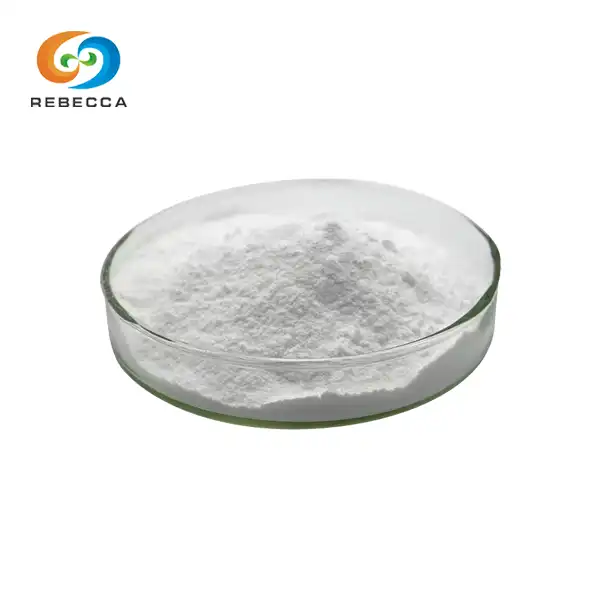
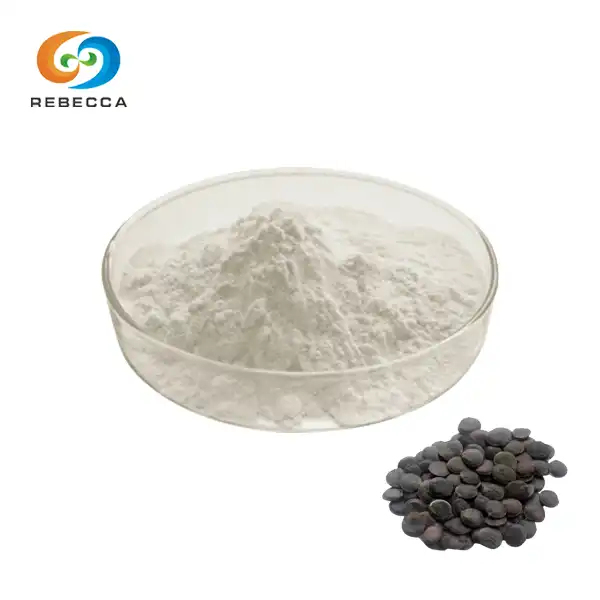
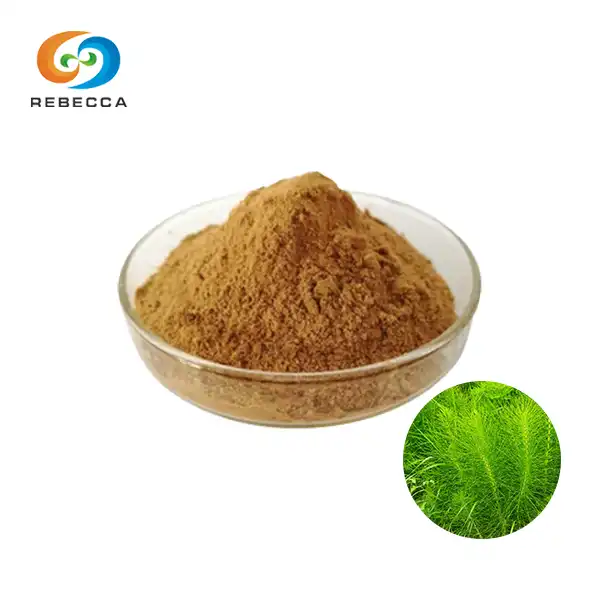
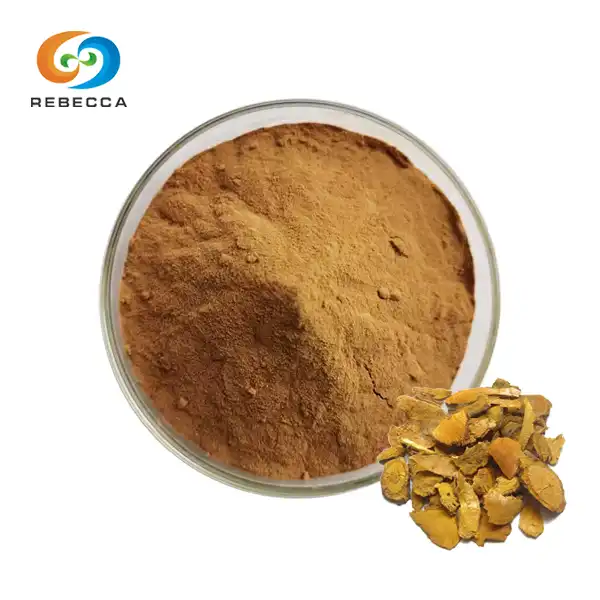
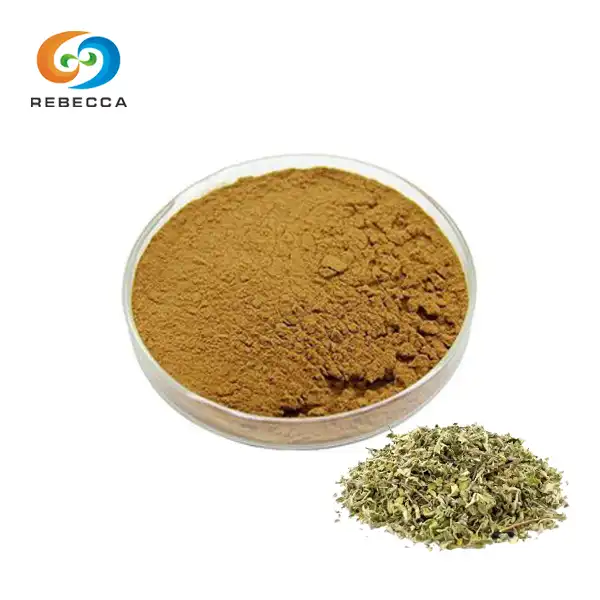
Echinacea Purpurea Herb Extract
English name: Echinacea purpurea extract
Latin Name: Echinacea purpurea
CAS No.: 90028-20-9 /70831-56-0
Molecular forula:C22H18O12
Molecular Weight:474.37
Active ingredients: Polyphenols
Specification: Polyphenols 4%
Use Part : flower
Appearance: yellow brown powder
Mesh size:80 Mesh
Test Method: UV
Recommended Echinacea Extract Dosage for Adults
It is crucial to be aware that there is variation in the concentration of active ingredients in all echinacea preparations before selecting a dose. Standardised extracts are often recommended, since they contain constant quantities of beneficial phytochemicals.
Daily Dosage for General Wellness Support
Standardised echinacea extract (150 mg to 300 mg daily) is advised in several research and herbal monographs for regular immune health maintenance. This is commonly taken during periods of elevated stress, seasonal changes, or when people wish to boost general immunological function.
· 150–300 mg per day
· Typically taken once daily
· Suitable for short-term preventive use
· Often used for 8–12 weeks followed by a break
Dosage During Acute Immune Challenges
Higher doses are sometimes used in times when more immunological support is sought. The total dose in clinical research is often 900 mg to 1,500 mg daily. These quantities are frequently split into many portions throughout the day to provide a continuous exposure to active chemicals.
· 300–500 mg per serving
· 2–3 servings daily
· Total daily intake: 900–1,500 mg
· Typically used for 7–10 days

Quick Dosage Reference Table
|
Purpose |
Recommended Daily Amount |
Typical Duration |
|
General Wellness Support |
150–300 mg |
8–12 weeks |
|
Seasonal Immune Support |
900–1,500 mg |
7–10 days |
|
Liquid Extract |
6–10 mL daily* |
According to concentration |
|
Powdered Formulations |
200–400 mg per serving |
As directed |
*Always calculate dosage based on standardized extract content rather than total liquid volume.
Now that we have established common dosage ranges, the next question is why recommendations vary between products and individuals.
Factors That Affect the Right Echinacea Dosage
A dosage recommendation should never be viewed in isolation. Several variables can significantly influence the amount of echinacea extract a person may choose to take.
Type of Echinacea Species
The three most commonly used species are:
· Echinacea purpurea
· Echinacea angustifolia
· Echinacea pallida
Among these, Echinacea purpurea is the most extensively studied and is frequently used in dietary supplements and functional foods. Different species contain different phytochemical profiles, which can influence recommended serving sizes.
Standardization of Active Compounds
Quality extracts are typically standardised to certain quantities of polyphenols, cichoric acid or alkamides. Standardisation guarantees uniformity batch to batch. For instance, a 300 mg extract standardised to a certain active content may give much more bioactive chemicals than a higher dose of non-standardized powder. Therefore, customers should concentrate on standardised active content and not on capsule weight.
Product Format
Echinacea is available in several forms:
· Capsules
· Tablets
· Powders
· Liquid extracts
· Tinctures
· Functional beverages
Each format has different concentrations and serving recommendations. Liquid extracts, for example, may provide concentrated active compounds in relatively small volumes.
Individual Health Considerations
Dosage may be determined by individual factors such as body weight, age, health state, and general supplement usage.
People with autoimmune diseases, chronic medical problems, or those using prescription drugs should talk to their healthcare provider before taking echinacea supplements.
Knowing these characteristics helps to understand why dosing recommendations may vary from one product to another. Equally crucial is knowing how to utilise echinacea safely.

How to Use Echinacea Extract Safely and Effectively?
Although echinacea has a long history of traditional use and is generally well tolerated, responsible use remains essential.
Recommended Duration of Use
Many herbalists suggest not using echinacea purpurea herb extract for more than 8-12 weeks continuously and then taking a brief vacation. This represents the usual patterns of use in clinical studies and traditional herbal medicine. Most studies have examined the most common situation, short-term usage.
Possible Side Effects
Most healthy adults tolerate echinacea well. When side effects occur, they are usually mild.
Reported reactions may include:
· Digestive discomfort
· Nausea
· Mild dizziness
· Skin irritation
· Allergic reactions
People with allergies to plants in the Asteraceae family, including ragweed, should exercise caution.
Combining Echinacea With Other Ingredients
Echinacea is frequently formulated alongside other immune-support ingredients.
Common combinations include:
· Vitamin C
· Zinc
· Elderberry extract
· Astragalus extract
· Medicinal mushroom extracts
These ingredients are often selected because they support immune health through different biological mechanisms.
Choosing a High-Quality Echinacea Extract
Not all echinacea supplements offer the same level of quality. When evaluating an extract, consider the following factors:
· Botanical species identification
· Standardized active compounds
· Third-party laboratory testing
· Heavy metal testing
· Pesticide screening
· Microbiological safety testing
· GMP manufacturing standards
These quality indicators help ensure consistency, safety, and reliable product performance.
With dosage, safety, and quality considerations covered, let's address some of the most common questions consumers ask.

Conclusion
For most individuals, the typically suggested dosages for standardised echinacea extract are 150–300 mg daily for overall wellness support and 900–1,500 mg daily for short-term immune support during seasonal difficulties. The optimum dose depends on the strength of the extract, the concentration of active compounds, the form of the product, and the individual’s health status.
When choosing an echinacea supplement or ingredient, look for standardised extracts, clear testing data and recognised production procedures. Quality sourcing and evidence-based dosage are still the keys to safe, successful usage of echinacea.
FAQ
Can I Take Echinacea Every Day?
Many adults use echinacea daily for short periods. Most experts recommend limiting continuous use to approximately 8–12 weeks before taking a break.
Is 1,000 mg of Echinacea Per Day Too Much?
A total daily intake of 900–1,500 mg appears in numerous clinical studies evaluating short-term immune support. However, dosage should always follow product-specific instructions.
What Is the Best Time to Take Echinacea?
Echinacea can be taken with meals or between meals. Dividing larger daily amounts into multiple servings may improve convenience and consistency.
Can Echinacea Be Taken With Vitamin C?
Yes. Echinacea and vitamin C are commonly combined in dietary supplements designed for immune support.
Which Form of Echinacea Is Most Effective?
The effectiveness of a product depends more on extract quality and standardization than on whether it is sold as a capsule, powder, or liquid.
Partner With Rebecca for Premium Echinacea Extract Supply
Shaanxi Rebecca is specialised in producing pharmaceutical-grade Echinacea purpurea extract standardised to 4% polyphenols under GMP and ISO-certified settings. We have a yearly capacity of 500 metric tonnes, which allows for initial research quantities as well as transition to commercial volumes. We can work with you on flexible minimum order requirements for different project stages. The extraction plant employs state of the art separation technology assuring batch-to-batch uniformity of active polyphenols, validated by UV spectrophotometry and backed by extensive certificates of analysis screening heavy metals, pesticides and microbiological contaminants.
Whether you are developing seasonal wellness supplements, functional immunity drinks or researching cosmetic uses for botanical anti-inflammatory substances, our technical team will help you formulate and provide regulatory paperwork assistance. We understand the procurement problems R&D managers, sourcing specialists and product developers face in pharmaceutical firms, supplement brands and beverage makers in North America, Europe and Asia-Pacific regions.
Reach out to our team at information@sxrebecca.com to request specifications, discuss customization options, or arrange sample evaluation of our echinacea extract powder. As an established botanical ingredient manufacturer and supplier, we're positioned to support your product development goals with reliable quality, transparent communication, and responsive service.
References
1. Barrett, B. (2003). Medicinal properties of Echinacea: A critical review. Phytomedicine, 10(1), 66-86.
2. Karsch-Völk, M., Barrett, B., Kiefer, D., Bauer, R., Ardjomand-Woelkart, K., & Linde, K. (2014). Echinacea for preventing and treating the common cold. Cochrane Database of Systematic Reviews, (2), CD000530.
3. Manayi, A., Vazirian, M., & Saeidnia, S. (2015). Echinacea purpurea: Pharmacology, phytochemistry and analysis methods. Pharmacognosy Reviews, 9(17), 63-72.
4. Barnes, J., Anderson, L. A., Gibbons, S., & Phillipson, J. D. (2005). Echinacea species (Echinacea angustifolia, E. pallida, E. purpurea): A review of their chemistry, pharmacology and clinical properties. Journal of Pharmacy and Pharmacology, 57(8), 929-954.
5. Shah, S. A., Sander, S., White, C. M., Rinaldi, M., & Coleman, C. I. (2007). Evaluation of echinacea for the prevention and treatment of the common cold: A meta-analysis. The Lancet Infectious Diseases, 7(7), 473-480.
6. Woelkart, K., & Bauer, R. (2007). The role of alkamides as an active principle of echinacea. Planta Medica, 73(7), 615-623