How to extract thymol from thyme extract?
Several tried-and-true methods have been used to get thymol out of thyme extract. The most financially successful methods are steam distillation and liquid extraction. The process usually starts with uniform thyme material that has 5–10% thymol in it. Next, temperature-controlled distillation or targeted solvent systems are used to separate the different parts. Through multiple stages of processing, modern facilities can get 85–95% pure rates for this medicinal chemical. This makes it perfect for use in pharmaceutical, cosmetic, and functional products in many different industries.
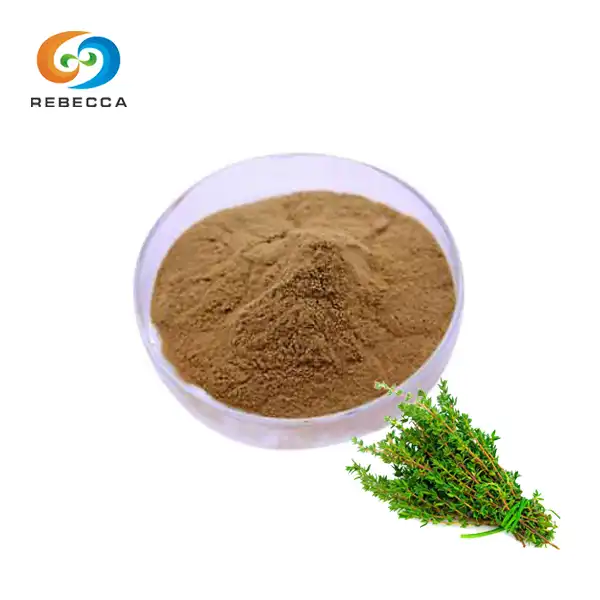
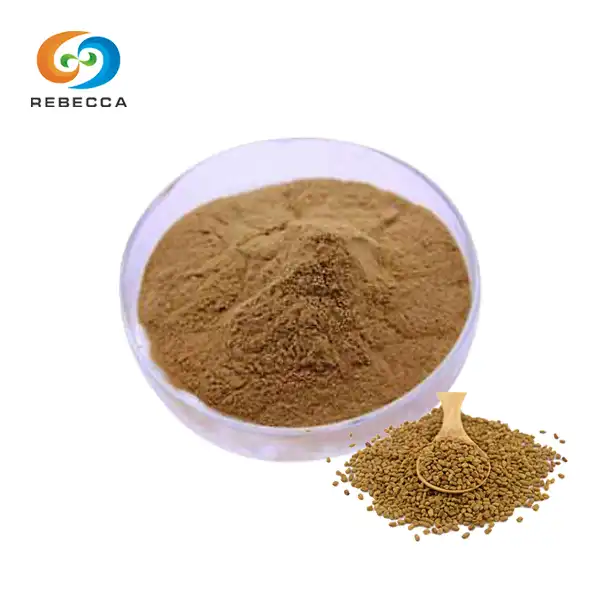
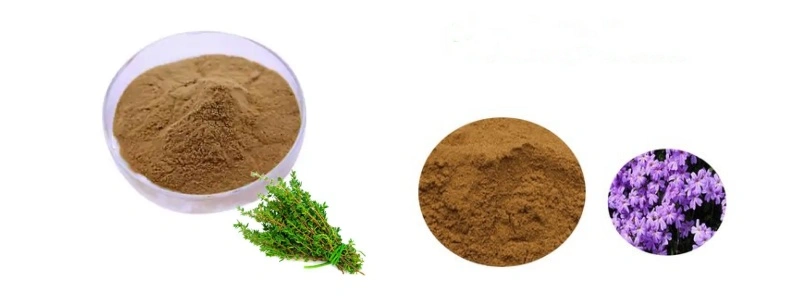
Thyme Fruit Extract
Product Name:thyme fruit extract
Latin name:Thymus mongolicus Ronn
Part of Plant Used: Whole plant
Specifications:5:1 10:1 20:1,thymol 5%-10%
Testing Method:TLC
Active ingredients: Thymol
Appearance:Brown Fine Powder
Understanding Thymol and Thyme Extract
Thymol is a monoterpene phenol with the molecular formula C10H14O. It is one of nature's most powerful antibacterial chemicals. This biological ingredient is very stable at a wide range of temperatures and pH levels, which makes it very useful for pharmaceutical products, cosmetic storage systems, and farming uses. According to research, thymol is effective against a wide range of microbes, including both gram-positive and gram-negative bacteria. It is also very effective against fungi.
Chemical Profile and Industrial Relevance
The way thymol is structured chemically gives it special benefits in manufacturing settings. It can effectively pass through bacteria cell walls because it is lipophilic, and its phenolic hydroxyl group helps it be an antioxidant. The quality of industrial-grade thymol is usually between 85 and 99%, but this depends on the purpose and the extraction method used.
Thyme extract from Thymus mongolicus Ronn or a similar species is used as the main base material. This plant material has different amounts of thymol and other chemicals that work well with it, such as carvacrol, p-cymene, and γ-terpinene. The combined effect of these chemicals often makes the general bioactivity higher than when thymol is used alone, which is why choosing the right extract is so important for people who work in procurement.
Raw Material Variations and Quality Assessment
The end thymol level is greatly affected by the type of thyme used and the conditions under which it is grown. Concentrations of essential oils in Mediterranean varieties are usually higher, ranging from 20 to 54% of the total, while amounts in northern European types may be much lower. Potency is also affected by the time of year when it is harvested; peak amounts happen during blooming times.
As part of quality control procedures, the amount of water, the percentage of essential oils, and the amount of pollution, such as heavy metals and chemical leftovers, should all be checked. Standardized thyme extract goods, like 5:1 or 10:1 concentrated ratios, give more uniform starting materials for methods that extract thymol.
Challenges in Extracting Thymol from Thyme Extract
Industrial thymol extraction has to deal with a number of technical problems that have an effect on both the cost and standard of production. Over 200 known chemicals make up the complex matrix of thyme, which makes it hard to separate and requires complex processing methods. Because of these problems, yields often vary by 15 to 25 percent between runs, which makes it harder for B2B buyers to plan their supply chains.
Technical Obstacles and Cost Implications
The hardest part of thymol extraction is dealing with the complexity of the matrix. Carvacrol and p-cymene are physically similar chemicals that make separation methods more difficult and need multiple distillation steps or advanced chromatographic techniques. When compared to easier plant extractions, these extra steps of cleaning raise the cost of processing by about 30 to 40 percent.
Another big problem is that people are very sensitive to changes in temperature. Too much heat during extraction can break down thymol through oxidation or isomerization, which lowers both the yield and the quality. This means that the temperature has to be carefully controlled throughout the whole process, which usually takes a long time and special tools.
Supply Chain and Quality Consistency Issues
Changes in the quality of the raw materials cause problems for the businesses that use them. The amount of thymol in dried plants can change from 3 to 12 percent depending on the season. To keep the output steady, the process has to be changed all the time. This range of values is especially problematic in pharmacy settings that need exact thymol amounts to meet legal standards.
Controlling contamination is another very important problem. Heavy metals, agricultural waste, and bacteria pollution must be removed during extraction so that the purity of the thymol is not compromised. These problems can be fixed with more advanced cleaning systems, but they need a lot of money and technical know-how.

Proven Methods for Extracting Thymol from Thyme Extract
There are different ways to separate thymol today, and each has its own benefits based on the amount needed, the quality standards, and the cost. When buying workers understand these methods, they can choose the best partners and negotiate good terms based on technical skills.
Traditional Extraction Approaches
The most common way to get thymol out of thyme extract is still through steam distillation. In this method, very hot steam is passed through the plant matter, which releases vital oils that contain thymol. The gas mixture condenses and separates, making crude thymol that needs to be cleaned up even more.
The benefits of steam distillation are that it doesn't require a lot of expensive equipment, it can be scaled up for large-scale production, and it gets rid of liquid leftovers. Usually, though, the method only recovers 60–75% of the thymol, and it takes a lot of energy to make steam.
Using organic solvents like ethanol or hexane to dissolve thymol-rich parts makes solvent extraction more efficient. This method gets better extraction rates (80–90%), but it needs more steps to collect the solvent and has environmental concerns that raise the cost of doing business.
Advanced Extraction Technologies
For making high-purity thymol, supercritical CO2 extraction is the best way to do it. This method uses carbon dioxide at certain temperatures and pressures to specifically remove thymol while reducing heat damage as much as possible. The process makes goods that are very clean and can be used in pharmaceuticals and high-end cosmetics.
Advantages include working without solvents, fine control of selectivity, and little heat stress on the chemicals being removed. However, the high initial cost and difficulty of operation mean that it can only be used in specific situations where the higher price is worth it.
Microwave-assisted extraction (MAE) is a cheaper option that cuts the time needed for extraction by 70–80% compared to traditional ways. This technology uses controlled microwave energy to break up the structures of plant cells. This makes the release of thymol more efficient while keeping the quality of the product high.
Step-by-Step Process to Extract High-Purity Thymol
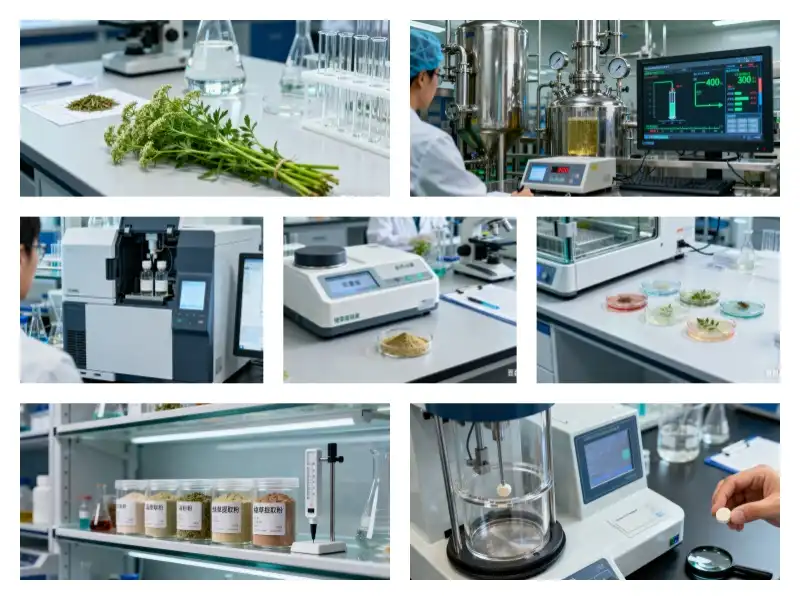
To get thymol out of plants, you have to pay careful attention to every step of the process, from getting the raw materials ready to cleaning them up at the end. The operating framework below gives workers in the field step-by-step instructions for improving extraction processes.
Raw Material Preparation and Quality Assessment
The first step in the extraction process is a full analysis of the thyme extract source. The goal for moisture content is less than 10%, and the amount of essential oils and pollution levels should be checked. As part of the pre-processing steps, the particles are ground to the best size (usually between 0.5 and 2 mm) to get the most surface area while avoiding making too much heat.
Consistent feed quality is ensured by standardization procedures. To get the same amount of thymol, you might have to mix different lots. This is especially true when handling seasonal yields that have different levels of strength. Keeping track of the features of the fuel allows for process improvement and quality assurance all the way through the extraction process.
Extraction Parameter Optimization
Controlling the temperature is the most important process variable. Steam distillation works best at temperatures between 100°C and 120°C, while solvent extraction usually works best at temperatures between 60°C and 80°C. More extraction happens at higher temperatures, but there is a chance of heat damage, so it's important to find the right mix based on purity goals.
Pressure adjustment changes both how well extraction works and how much energy it uses. A small increase in pressure (1.2 to 1.5 atmospheres) helps heat move better during steam distillation, and keeping a reasonable vacuum during condensation makes the separation process more effective.
Contact time has a direct effect on output, but it also makes handling more expensive. Depending on the method used and the recovery rates that are wanted, extraction processes usually last between 2 and 6 hours. Processing that goes beyond the best time frames almost never makes the extra energy investment worthwhile.
Purification and Quality Control Stages
Through filtering and spinning, primary separation gets rid of most of the plant core materials. At this point, 70–80% of the thymol is usually pure, which is good for farming uses but needs more work to be ideal for pharmaceutical use.
To get purity levels high enough for pharmaceutical use, secondary filtering uses fractional distillation or crystallization. Vacuum distillation at low temperatures keeps the purity of thymol while getting rid of any remaining impurities. At this stage, quality control testing makes sure that the requirements of the standard are met.
A top extraction plant in Europe put in place process improvement methods that raised the yield of thymol by 22% while lowering the amount of energy used by 15%. Standardization of the pre-treatment, temperature tracking, and automatic quality monitoring tools that let process changes be made in real time were some of the benefits.
Quality Control and Compliance in Thymol Extraction
Not breaking the rules and making sure the quality is good are essential for making thymol for sale. When procurement teams understand these standards, they can better evaluate sellers and lower the legal risks that come with doing business in global markets.
Essential Quality Control Metrics
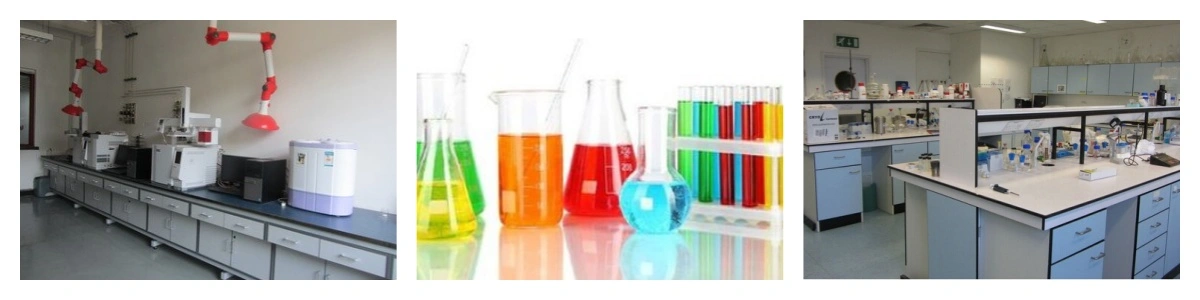
Purity requirements are very different depending on the purpose. Pharmaceutical-grade thymol needs to be at least 99% pure, and it can't have any other chemicals that are similar to it. Industrial-grade thymol can be 85–95% pure. Gas chromatography and high-performance liquid chromatography are both efficient ways to find contaminants and figure out how pure something is.
Microbial testing makes sure that products are safe, especially when they are used in cosmetics and medicines. Total oxygen numbers, yeast, mold, and harmful bacteria must all stay within strict limits set by government regulators. For uses that can't handle heat, you may need to use special cleaning methods that keep the bioactivity of thymol.
Heavy metals research checks for pollution that comes from farming or handling equipment. Levels of arsenic, cadmium, mercury, and lead must meet international pharmacopoeial standards or customer-specific requirements, which are usually higher than the bare minimums set by the government.
International Regulatory Frameworks
REACH rules in European markets require a lot of safety paperwork to be sent in and out with thymol. Suppliers must give complete dossiers that include chemical data, estimates of the effects on the environment, and safe handling instructions. This paperwork has a big impact on how European buyers choose suppliers.
In the US, FDA rules are mostly about making sure that Current Good Manufacturing Practices (cGMP) are followed when making medicines. To keep their market access, facilities must show that their processes have been tested and that they have thorough recording systems and regular third-party checks.
For food-grade uses, ISO 22000 and HACCP approval add to the product's trustworthiness. ISO 16128 requirements are specific to natural beauty ingredients. These licenses show that quality management and risk control are done in a planned way throughout the whole production line.
Conclusion
To be successful in business, getting thymol out of thyme extract takes a lot of technical know-how and careful quality control. Because plant layouts, legal requirements, and market needs are so complicated, it's important to choose the right provider and make sure the process is running as smoothly as possible. Modern extraction technologies are more efficient and better for the environment, and high-tech quality control systems make sure that products always meet the standards. To successfully buy thymol, you need to be aware of these technical issues and work with providers who can show they can handle extraction, processing, and compliance management. Putting money into good relationships and cutting edge technologies pays off in the end with better products that meet the strict needs of pharmaceutical, beauty, and industrial uses.
Partner with Rebecca for Premium Thyme Extract Solutions
Rebecca stands as your trusted thyme extract supplier, delivering pharmaceutical-grade botanical ingredients that meet the most stringent international quality standards. Our state-of-the-art extraction facilities utilize advanced supercritical CO2 and ultrasonic-assisted technologies to achieve consistent 5-10% thymol content in our standardized Thymus mongolicus extracts. With GMP certification, ISO compliance, and comprehensive analytical testing capabilities, we provide the quality assurance and technical support that discerning B2B buyers demand. Contact our experienced team at information@sxrebecca.com to discuss your specific requirements and discover how our premium fresh thyme vanilla extract for sale can enhance your product formulations.
FAQ
What factors most significantly influence thymol quality in extracted products?
Raw material quality, extraction methodology, and purification processes represent the primary factors affecting thymol quality. Seasonal harvesting conditions can alter thymol content by 40-60%, while extraction temperature control prevents thermal degradation that reduces bioactivity. Advanced purification techniques, including fractional distillation and chromatographic separation, determine final purity levels and compliance with pharmaceutical standards.
How do different extraction methods impact cost-effectiveness and purity trade-offs?
Steam distillation offers the lowest capital investment but achieves moderate purity levels (60-75%) suitable for industrial applications. Supercritical CO2 extraction provides premium purity (>99%) but requires substantial equipment investment, making it economical only for high-value pharmaceutical applications. Solvent extraction balances cost and performance, achieving 80-90% purity at moderate investment levels suitable for cosmetic and supplement markets.
What are the key considerations for selecting reliable thymol suppliers in global markets?
Supplier evaluation should prioritize regulatory compliance documentation, including GMP certification and analytical testing capabilities. Production capacity scalability, quality consistency across batches, and technical support capabilities determine long-term partnership viability. Geographic location affects logistics costs and regulatory complexity, while established track records in target markets reduce procurement risks and regulatory delays.
References
1. Rota, M. C., Herrera, A., Martínez, R. M., Sotomayor, J. A., & Jordán, M. J. (2008). Antimicrobial activity and chemical composition of Thymus vulgaris, Thymus zygis and Thymus hyemalis essential oils. Food Control, 19(7), 681-687.
2. Borugă, O., Jianu, C., Mişcă, C., Goleţ, I., Gruia, A. T., & Horhat, F. G. (2014). Thymus vulgaris essential oil: chemical composition and antimicrobial activity. Journal of Medicine and Life, 7(3), 56-60.
3. Marchese, A., Orhan, I. E., Daglia, M., Barbieri, R., Di Lorenzo, A., Nabavi, S. F., & Nabavi, S. M. (2016). Antibacterial and antifungal activities of thymol: A brief review of the literature. Food Chemistry, 210, 402-414.
4. Bakkali, F., Averbeck, S., Averbeck, D., & Idaomar, M. (2008). Biological effects of essential oils–a review. Food and Chemical Toxicology, 46(2), 446-475.
5. Zhai, H., & Maibach, H. I. (2004). Antipruritic agents: An overview. Skin Pharmacology and Physiology, 17(4), 143-152.
6. Šegvić Klarić, M., Kosalec, I., Mastelić, J., Piecková, E., & Pepeljnak, S. (2007). Antifungal activity of thyme (Thymus vulgaris L.) essential oil and thymol against moulds from damp dwellings. Letters in Applied Microbiology, 44(1), 36-42.