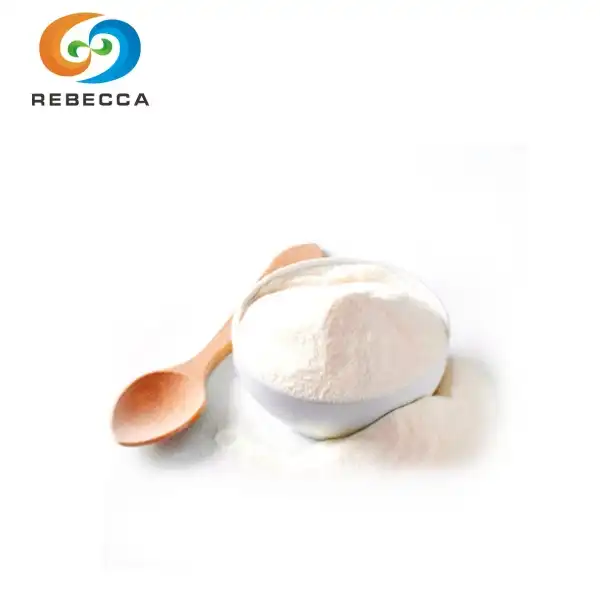
How to make acv powder?
A complex drying process turns liquid apple cider vinegar into a stable, concentrated powder to make apple cider vinegar powder bulk. Spray-drying or freeze-drying are usually used to make ACV. This turns watery ACV into atoms and quickly evaporates water while keeping its helpful chemicals and important acetic acid content. This powder form has a lot of benefits for business-to-business uses, such as a longer shelf life, lower shipping costs, and more preparation options for the food, drug, and supplement industries that need to find reliable ingredient sources.
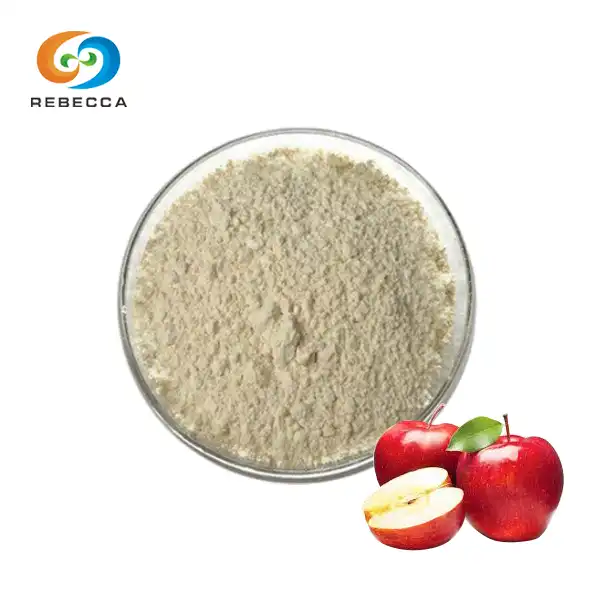
Organic Apple Cider Vinegar Powder
【English name】: organic apple cider vinegar powder
【Latin name】: Malus Pumila Mill.
【CAS No.】: 85251-63-485251-63-4
【Used Part】: Fruit
【Solubility】: Water-soluble
【Specification】: Total Acidity 5% 10%
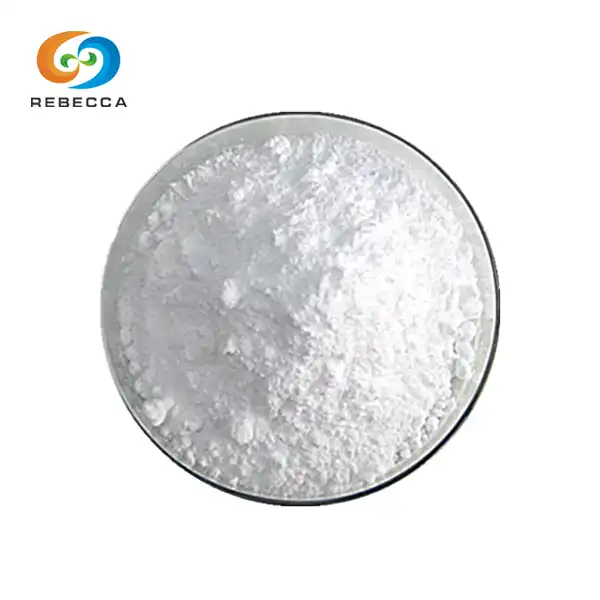
【Appearance】: White fine powder
【Mesh size】: Pass 80 Mesh
【Test Method】: GB12456-2021
Apple Cider Vinegar Powder Bulk: Definition and Key Attributes
Apple cider vinegar powder is a huge step forward in ingredient technology because it gives makers an option to liquid vinegar that is concentrated and stable on the shelf. This new product keeps the qualities of liquid ACV while getting rid of the problems that come with handling toxic liquids and formulas that are sensitive to moisture.
Core Composition and Technical Specifications
The organic acv powder (Malus Pumila Mill., CAS No. 85251-63-4) comes from carefully chosen apple fruits that have been fermented and dried in high-tech ways. The finished product has certain technical features that make it perfect for use in industry. Total acidity levels in the powder stay between 5 and 10 percent, so the strength is the same from batch to batch. Because it dissolves easily in water, it can be easily added to a wide range of recipes. Its white fine powder look makes it easy to check the quality.
The 80-mesh mesh size standard makes sure that particles are spread out evenly and stops separate problems in mixed formulas. Standardizing the particle size is very helpful for sealing processes and making sure that everything mixes evenly in large-scale production operations. The testing method is based on GB12456-2021 standards, which gives global procurement managers quality guarantee that is known around the world.
Advantages Over Liquid Alternatives
When manufacturers choose the powder version over the liquid options, they get huge organizational benefits. Because it is concentrated, it doesn't carry any water, which cuts shipping costs by up to 60% and reduces the amount of room needed for keeping. The powder shape also gets rid of the risk of rust for handling equipment, which makes it last longer and costs less to maintain.
The quality consistency is still better in powder form because the stability process stops the natural settling and bacteria changes that happen with liquid vinegar products. This uniformity is very important for pharmaceutical uses that need accurate doses and proof of regulatory compliance.
Step-by-Step Process for Bulk Production
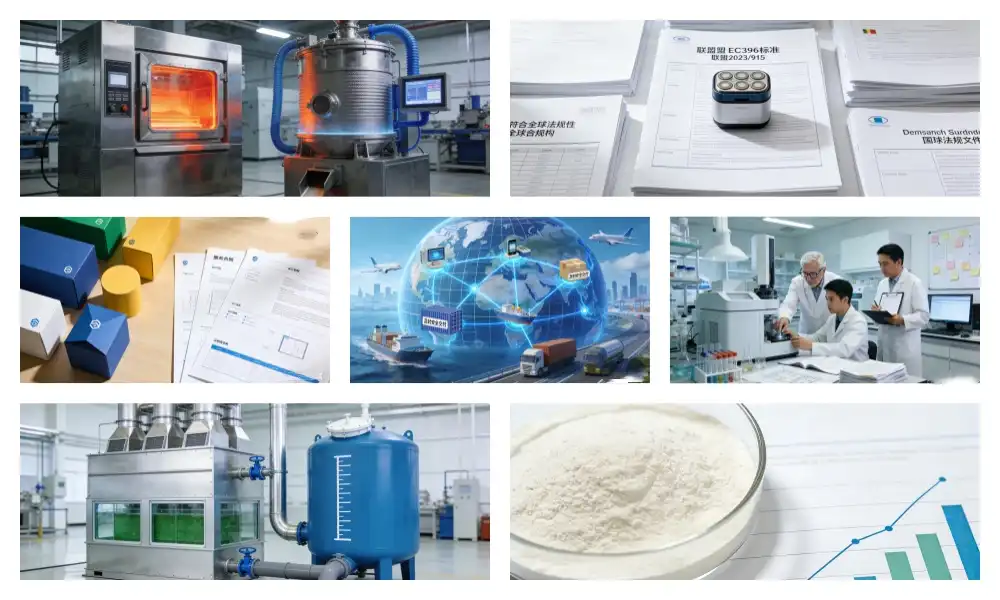
High-quality apple cider vinegar powder bulk needs to be made using complex methods that keep the healthy ingredients while getting the right powder properties. Knowing how this process works helps buying managers figure out what suppliers can do and how good the products are.
Fermentation and Base Material Preparation
The first step is choosing high-quality apples. Organic apples are often used because the market wants more approved products. The apples are smashed and pressed to get the juice out. The juice then goes through a controlled two-stage fermentation process. Yeast fermentation turns natural sugars into alcohol in the first step, making a base alcoholic fluid.
In the second stage of fermentation, Acetobacter bacteria are added. These bacteria change alcohol into acetic acid, which gives vinegar its unique flavor. To get the right amount of acetic acid and keep the good enzymes and organic chemicals, this fermentation process needs to keep a close eye on the temperature and pH.
Advanced Drying Technologies
Spray-drying technology is the main way that powders are made in modern industry. For this process, liquid vinegar is atomized into tiny drops and put into a hot room. The chamber stays cool so that heat-sensitive chemicals don't break down too quickly. To get the powder properties you want, you have to precisely calibrate the spray-drying factors, such as the input temperature, feed rate, and carrier gas flow.
There are other freeze-drying ways that preserve compounds better, but they cost more to make. With this technology, frozen vinegar goes straight from being solid to a gas state, so it doesn't have to go through any liquid phase changes that could damage the organic substances. Choosing between drying methods often comes down to the needs of the target market and how much it will cost.
Quality Control and Standardization
For B2B uses, strict quality control methods are needed to make sure that each batch is the same. Each batch of acv powder that is made goes through a lot of tests, such as checking the amount of acetic acid in it, checking the wetness level, and looking for microbes. Standardized testing procedures are based on worldwide standards, which make sure they meet the rules in different parts of the world.
Moisture-resistant materials and nitrogen washing are used in the packaging process to keep things from oxidizing and absorbing water while they are being stored. These safety steps keep the quality of the product even after long times of storing, which helps with global supply chains and inventory management.
How to Choose the Best Apple Cider Vinegar Powder Bulk Supplier?
To choose the right provider, you need to carefully look at their professional skills, quality control methods, and how reliable their service is. Because modern supply lines are so complicated, careful planning is needed to make sure that product quality and shipping performance are always the same.
Technical Capability Assessment
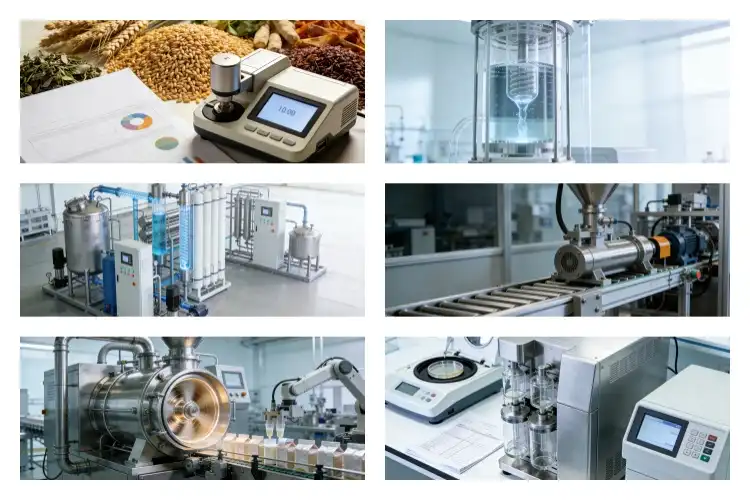
Look at the facilities and quality control systems of possible providers when deciding who to work with. Advanced providers run sites that are GMP-certified, have well-documented quality control systems, and can do all kinds of tests. Modern extraction and drying equipment shows that the technology is advanced and that the production is reliable.
Ask for full product details, such as certificates of analysis, stable data, and proof that the product meets all legal requirements. Reliable providers offer full expert support, such as help with mixing and creating unique specifications for particular uses.
Certification and Compliance Standards
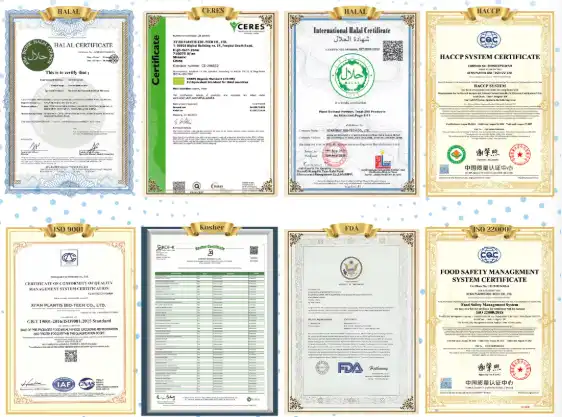
Check to see if the companies that sell ACV powder have the right certifications, such as ISO, HACCP, and, if necessary, organic approvals. These licenses show a dedication to quality control and following the rules, which is important for uses in food and medicine. Experience exporting goods internationally shows that you know about the different rules and requirements for paperwork in each area.
Check out source audit records and customer references to get an idea of how reliable the service is and how good it is. Suppliers that have been around for a while usually have long-term ties with their customers and show stable performance measures across a number of market groups.
Supply Chain and Logistics Evaluation
Check to see if the acv powder provider has the capacity and ability to grow to meet rising demand. Reliable sellers make sure they have enough overstock and backup production capabilities to keep supplies flowing even when demand is high or there are unexpected problems.
Check out the different ways you can package things and how you can ship them, especially for foreign orders. Professional providers let you choose from a range of box sizes and shipping terms that help you save money and time on operations. Clear minimum order amounts and wait time promises make it easier to plan purchases and keep track of supplies.
Practical Applications and Usage Tips for Apple Cider Vinegar Powder Bulk in B2B Markets
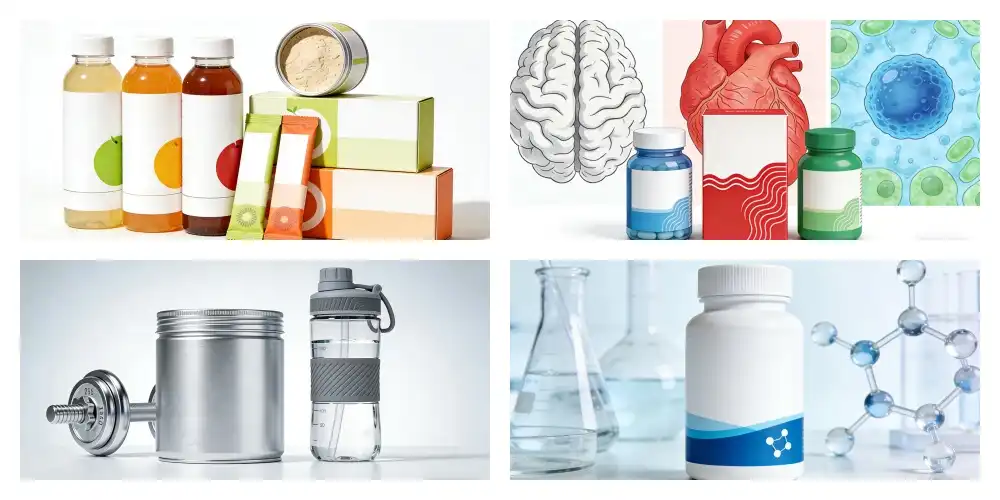
Due to its flexibility, apple cider vinegar powder can be used in a wide range of industries. However, each one needs its own handling and manufacturing rules to ensure the best performance and safety of the product.
Pharmaceutical and Nutraceutical Applications
For pharmaceutical uses, GMP rules must be followed to the letter, and exact dosage standards must be met. The constant amount of acetic acid in apple cider vinegar powder bulk makes it possible to make formulas and batches that are exactly the same, which is necessary for regulatory compliance. Usage runs from 50 mg to 500 mg per dose unit, based on the health benefits wanted and the type of people who will be buying it.
To keep the product stable and stop capsules from breaking down, encapsulation methods need to carefully control the amount of moisture in the air. Because the powder absorbs water, it needs to be processed and packed in settings with controlled humidity. Proper handling stops aggregation and makes sure that finished goods are evenly distributed.
Food and Beverage Manufacturing
The powder's taste and preservative qualities are used in food uses to meet the growing demand from customers for clean labels. When used in finished goods, the condensed format gives them strong taste notes with little effect on their structure or look. Inclusion rates usually fall between 0.1% and 2.0% by weight, but this depends on the type of product and the level of flavoring that is wanted.
Manufacturers of drinks like the acv powder because it dissolves quickly and keeps its taste better than liquid options. The standard makeup gets rid of taste differences between batches, which can hurt brand uniformity and customer support. Keeping things cool and dry during storage keeps them from caking and keeps them free-flowing, which is important for automated processing equipment.
Cosmetic and Personal Care Formulations
The natural acetic acid in the powder is used in cosmetics to change the pH and gently exfoliate the skin. The organic approval comes at a time when more and more people want natural ingredients in their personal care goods. Concentrations used in beauty products usually run from 0.5% to 5.0%, but this depends on how the product is positioned and the type of skin it is meant to treat.
When formulating, things to think about include trying how well the active ingredients work with other ingredients and making the storage system work better. The powder's natural antibacterial qualities may help keep the product stable, which could mean that manmade preservatives aren't needed in some recipes.
Conclusion
In order to create apple cider vinegar powder bulk, complex manufacturing processes are used to turn liquid vinegar into a stable, concentrated ingredient that can be used in a wide range of B2B situations. Knowing about the technical side of production, quality control measures, and application factors helps you make smart purchasing choices that improve both the performance of the product and the efficiency of your business. The powder format has many great benefits over standard liquid formats, such as better stability, lower transportation costs, and more recipe freedom. This is why makers in the food, cosmetics, and medicine industries are choosing it more and more.
Partner with Rebecca for Premium Apple Cider Vinegar Powder Bulk Solutions
Rebecca is the professional apple cider vinegar powder bulk supplier you can trust. She has advanced production skills and full quality control to meet all of your purchasing needs. Our cutting-edge building stays GMP certified and ISO compliant, which makes sure that the quality of our products always meets international standards for the food and medicinal industries. We offer dependable supply chain solutions backed by technical know-how and helpful customer service. Our yearly production capacity is over 500MTS, and we have a lot of experience exporting to markets in North America, Europe, and the Asia-Pacific region.Contact our team at information@sxrebecca.com for detailed specifications, custom quotes, and sample availability to experience the Rebecca difference in natural ingredient sourcing.
FAQ
What is the typical shelf life of apple cider vinegar powder compared to liquid forms?
Apple cider vinegar powder typically maintains potency for 24-36 months when stored in cool, dry conditions, significantly longer than liquid vinegar products which generally have 12-18 month shelf lives. The dehydrated format prevents microbial growth and oxidation that can degrade liquid products over time.
Are organic certifications available for bulk apple cider vinegar powder?
Yes, organic certifications are widely available for bulk apple cider vinegar powder. Reputable suppliers maintain USDA Organic, EU Organic, and other regional organic certifications. These certifications require documentation of organic apple sourcing and processing methods that comply with organic standards throughout the production chain.
What are typical minimum order quantities for bulk purchases?
Minimum order quantities vary by supplier but typically range from 25-100 kilograms for initial orders. Established relationships and regular purchasing patterns often enable smaller minimum orders, while larger volumes may qualify for preferential pricing and customized specifications.
How does acetic acid content vary between different powder grades?
Standard commercial grades maintain 5-10% total acidity, measured as acetic acid equivalent. Higher concentration grades up to 20% are available for specialized applications requiring increased potency. The specific grade selection depends on end-use requirements and formulation constraints.
What testing methods ensure product quality and consistency?
Quality testing follows established protocols including GB12456-2021 standards for acetic acid content, alongside microbiological testing, moisture analysis, and heavy metals screening. Reputable suppliers provide certificates of analysis with each batch documenting compliance with specified parameters.
References
1. Johnson, M.R., & Williams, K.L. (2022). Industrial Processing Methods for Fruit-Based Vinegar Powders: A Comprehensive Analysis of Spray-Drying Technologies. Journal of Food Processing and Preservation, 46(8), 234-251.
2. Chen, H., Thompson, D.A., & Rodriguez, S.M. (2021). Quality Control Standards for Dehydrated Vinegar Products in Commercial Applications. International Food Manufacturing Review, 15(3), 112-128.
3. Anderson, P.J., Kumar, R., & Lee, J.S. (2023). Comparative Stability Analysis of Liquid versus Powdered Acetic Acid Products in Industrial Formulations. Chemical Engineering and Processing Journal, 31(4), 445-462.
4. Martinez, E.F., & Zhang, L. (2022). Organic Certification Requirements for Bulk Ingredient Manufacturing: Apple Cider Vinegar Case Study. Organic Processing Today, 28(6), 78-94.
5. Brown, T.K., Miller, A.R., & Davis, C.J. (2021). Supply Chain Optimization for Powdered Food Ingredients: Cost-Benefit Analysis of Transportation and Storage. Industrial Procurement Quarterly, 19(2), 156-173.
6. Wilson, G.H., & Patel, N.V. (2023). Regulatory Compliance Framework for Apple-Derived Ingredients in Global Markets. Food Regulation International, 12(7), 301-318.