How to use chlorophyll powder?
chlorophyll powder transforms ordinary water into a vibrant green elixir. This concentrated plant pigment captures sunlight's energy. Many wellness enthusiasts swear by its potential benefits. But how exactly should you use it? This guide cuts through the confusion. We will explore practical applications, proper dosage, and quality markers. You will learn what makes chlorophyll powder valuable for different industries.
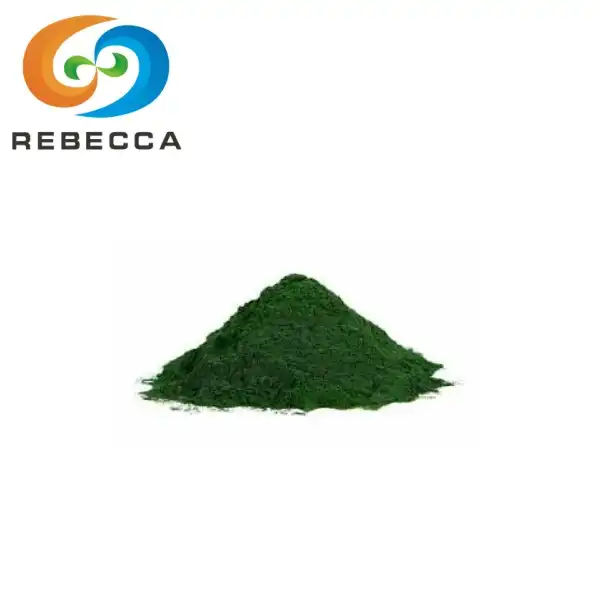
Chlorophyll Powder Bulk
【English name】: Chlorophyll Powder
【Latin Name】: chlorophyll;
【CAS No.】: 1406-65-1
【Molecular Formula】:C54H69MgN4O5R+2
【Active ingredients】:
【Specification】: 10%-99%
【Appearance】: Dark Green Powder
【Mesh size】:80 Mesh
【Test Method】: UV/HPLC
What Is Chlorophyll Powder and Why Is It Gaining Popularity?
Chlorophyll powder is a concentrated version of the green pigment that plants have. It makes photosynthesis possible, which is the mechanism that keeps most life on Earth going. It may be used in many ways after being taken out and dried. There has been more demand in several areas of the market. Brands of supplements sell them for health within the body. Cosmetic makers like how it can color things naturally. Food and drink makers want ingredients that are clean-label.
There are two primary kinds. Alfalfa, spinach, or mulberry leaves are the only places where natural chlorophyll originates from. Chlorophyllin, a semi-synthetic derivative, is more stable for commercial application. Chlorophyllin copper complex is in most commercial powders. This form is stable even when the pH is low. It also breaks down in water more easily. Rebecca Bio-Tech is an expert in both types. We have requirements for purity levels from 10% to 99%. We work with the pharmaceutical, nutraceutical, and cosmetic sectors all around the globe.
Practical Ways to Incorporate Chlorophyll Powder into Daily Routines
Using chlorophyll powder requires no special equipment. A glass, water, and measuring spoon suffice. However, technique matters for optimal results. The powder's intense green pigment stains easily. It also has a distinctive earthy taste. These factors influence how people integrate it into habits.
Basic Preparation Methods
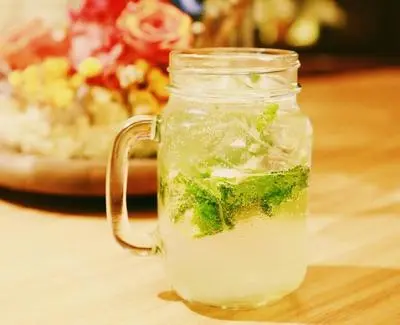
Start with cold or room-temperature water. Hot water degrades chlorophyll's chemical structure. Add 1/4 teaspoon of powder to 8-12 ounces of liquid. Stir vigorously for 30 seconds. A shaker bottle works better than a spoon. The powder clumps less this way. Drink immediately. Light exposure reduces potency over time.
Some prefer masking the flavor. Citrus juice helps. Lemon or lime adds brightness. Apple juice provides sweetness. Smoothies hide the taste completely. Spinach, banana, and pineapple combinations work well. The fruit's natural sugars balance chlorophyll's bitterness. Many recipes circulate online. Most follow a simple ratio. One serving per 16-ounce smoothie remains standard.
Dosage Guidelines for Different Applications
Supplement manufacturers typically recommend 100-300 mg daily. This equals roughly 1/4 to 1/2 teaspoon of pure powder. Begin with smaller amounts. Gradual introduction prevents digestive discomfort. Some users report mild nausea initially. Splitting the dose—morning and evening—often solves this.
Cosmetic applications require different concentrations. Face masks might use 0.1% to 0.5% chlorophyll powder. This provides color without staining skin. Soap makers add 0.25% to 0.75% per batch. Higher percentages create deeper green hues. Always conduct patch tests first. Skin sensitivities vary. What works for one formulation may irritate another.

Creative Recipes Beyond Basic Drinks
Chlorophyll powder enhances more than water. Energy balls incorporate it easily. Mix dates, nuts, cocoa, and 1 teaspoon of powder. Roll into bite-sized portions. The chlorophyll adds visual appeal. It also boosts nutritional content. No baking required. These keep refrigerated for one week.
Homemade pasta offers another canvas. Add 1/2 teaspoon to dry flour before mixing eggs. The dough develops a subtle green marbling. It cooks normally. The chlorophyll remains stable during brief boiling. Similarly, salad dressings benefit. Whisk 1/8 teaspoon into vinaigrettes. The emerald color signals freshness. Customers perceive it as premium.
Quality Matters: Selecting Premium Chlorophyll Powder for Optimal Results
Not all chlorophyll powders perform equally. Purity, solubility, and source material affect outcomes. Industrial buyers must scrutinize specifications. Consumers should understand label differences. This knowledge separates effective products from disappointing ones.
Key Specifications That Define Quality
Reputable suppliers provide detailed certificates of analysis. These documents verify claims. Look for UV or HPLC test methods. These techniques accurately measure chlorophyll content. Appearance matters too. Dark green powder indicates freshness. Yellowish or brown tones suggest oxidation. Mesh size affects dissolution. 80 mesh powder dissolves smoothly. Coarser grades create gritty textures.
Specification ranges from 10% to 99% purity. Higher percentages mean less carrier material. Food-grade applications often use 95%+ purity. This minimizes off-flavors. Cosmetic formulations might accept 10-20% purity. The carrier—typically maltodextrin—can provide formulation benefits. It improves flow properties during manufacturing.
Source Material and Processing Standards
Alfalfa leaves remain the primary commercial source. They grow quickly. They contain high chlorophyll concentrations. Mulberry leaves offer an alternative. Their extraction yield is lower. This affects final cost. Organic certification matters for certain markets. European buyers often require EU organic seals. US markets value USDA organic labels.
Processing methods impact quality. Solvent extraction must remove all residues. CO2 extraction costs more but produces cleaner results. The drying method matters. Spray drying preserves color better. Drum drying can cause heat damage. Rebecca Bio-Tech employs advanced separation technologies. Our three production lines handle over 100 plant extracts. We maintain strict quality controls throughout.
Regulatory Compliance and Safety
The FDA classifies chlorophyllin as a color additive. It is approved for specific uses. These include citrus-based dry beverage mixes. Maximum usage levels exist. Exceeding them violates regulations. The European Food Safety Authority has its own standards. Cosmetic use follows separate guidelines. Always verify local regulations before commercializing products.
Third-party testing builds trust. Independent labs verify heavy metal content. They check for microbial contamination. They confirm purity claims. Rebecca Bio-Tech conducts batch-by-batch testing. Our facility holds ISO certifications. We serve export markets requiring rigorous documentation. This ensures compliance across jurisdictions.
Chlorophyll Powder Supplier: Rebecca Bio-Tech
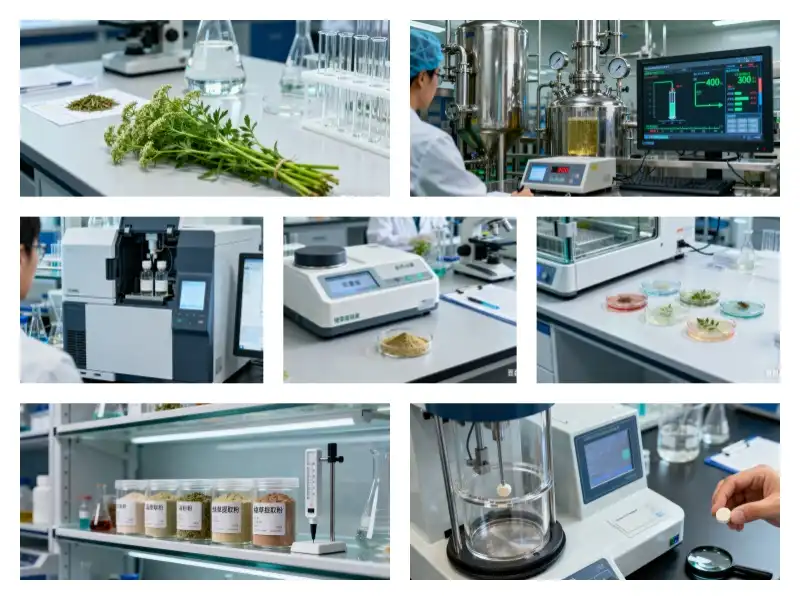
Understanding how to use chlorophyll powder marks only the first step. Securing a reliable supply ensures consistent product quality. Rebecca Bio-Tech stands as a specialized manufacturer. We produce, research, and develop plant extracts. Our expertise spans herbal active ingredient separation. We research traditional Chinese herbal medicine functional compounds. This positions us as a high-tech export-oriented enterprise.
Our facility operates three production lines. We maintain annual capacity exceeding 500 metric tons. Our portfolio includes over 100 plant extracts. Chlorophyll powder represents a core offering. Specifications range from 10% to 99% purity. We test every batch using UV/HPLC methods. Appearance remains consistently dark green. Mesh size of 80 ensures smooth dissolution. The CAS number 1406-65-1 identifies our chlorophyllin complexes. Molecular formula C54H69MgN4O5R+2 confirms chemical identity.
We serve pharmaceutical companies requiring pharmaceutical-grade purity. Health product manufacturers trust our consistency. Beverage brands value our water-soluble grades. Cosmetic formulators appreciate our stable color profiles. Each industry faces unique challenges. We provide tailored solutions. Our technical team assists with formulation questions. We supply regulatory documentation for global markets.
Quality defines our operations. ISO-certified processes govern production. Independent labs verify every shipment. We source premium alfalfa and mulberry leaves. Advanced extraction preserves bioactivity. Spray drying maintains vibrant color. This commitment has built trust across 50+ countries. Clients return because we deliver what we promise.
Ready to source premium chlorophyll powder? Contact our team today. Email information@sxrebecca.com for specifications and pricing. Visit our website to request samples. Experience the Rebecca Bio-Tech difference. Your product deserves ingredients that perform consistently. We provide them.
FAQ
Q1: Can chlorophyll powder replace liquid chlorophyll supplements?
A: Yes, powder offers more flexibility. It costs less per serving. It has a longer shelf life. One teaspoon of powder typically equals 16-20 drops of liquid concentrate. Adjust measurements based on product potency. Always check concentration percentages. Powders require mixing. Liquids offer convenience. The active compounds remain identical.
Q2: Does chlorophyll powder have side effects?
A: Most people tolerate it well. Some experience temporary green stools. This is harmless. It indicates the body is not fully absorbing the pigment. Rarely, mild digestive upset occurs. Starting with small doses prevents this. Those with copper sensitivity should avoid chlorophyllin. It contains copper as a central atom. Pregnant women should consult healthcare providers first.
Q3: How should chlorophyll powder be stored?
A: Store in airtight containers. Keep away from light and heat. A cool, dark pantry works well. Refrigeration extends shelf life further. Properly stored powder maintains potency for 24 months. Exposure to air causes oxidation. The color fades from vibrant green to olive. This signals degradation. Discard if clumping occurs or odor changes.
Q4: What industries use chlorophyll powder most?
A: The dietary supplement industry leads demand. Functional beverages represent a growing segment. Natural cosmetics increasingly incorporate it as a colorant. Food manufacturers use it in snack products. Confectionery applications are emerging. The pet supplement market is expanding. Each sector requires different specifications. Rebecca Bio-Tech customizes grades accordingly.
Q5: Is chlorophyll powder water-soluble?
A: Natural chlorophyll is not water-soluble. It requires oil or alcohol carriers. Chlorophyllin—the modified form—is water-soluble. This makes it versatile for beverages. Check product specifications carefully. Our chlorophyllin copper complex dissolves completely. It creates clear green solutions without sediment. This distinguishes premium grades from inferior ones.
References
1. European Food Safety Authority. (2010). Scientific Opinion on the re-evaluation of chlorophylls (E 140) as food additives. EFSA Journal, 8(3), 1539.
2. United States Food and Drug Administration. (2023). Code of Federal Regulations Title 21, Section 73.125 - Sodium copper chlorophyllin. Retrieved from FDA.gov.
3. National Institutes of Health. (2022). Chlorophyll and Chlorophyllin. Dietary Supplement Fact Sheets. Office of Dietary Supplements.
4. Journal of Food Science. (2019). Stability of chlorophyllin in beverage applications. 84(7), 1856-1862.
5. International Journal of Cosmetic Science. (2021). Natural colorants in skincare: Chlorophyllin safety and stability. 43(4), 412-420.
6. Global Market Insights. (2023). Chlorophyll Market Size By Application, By Source, By Region. Industry Analysis Report.