Is tomato paste the same as tomato extract?
Tomato sauce and tomato extract are two very different goods that are made in different ways and are used for different things. Tomato paste is a concentrated food product made by cooking and reducing fresh tomatoes. Tomato extract, on the other hand, is made using special extraction methods to separate beneficial chemicals like lycopene. Tomato lycopene extract (CAS No.: 502-65-8) targets the concentrated pigment part and has a normal range of strength levels from 5% to 98% purity. It's important for buying workers in the pharmaceutical, nutrition, skincare, and functional food businesses to understand these differences when making choices about where to get ingredients
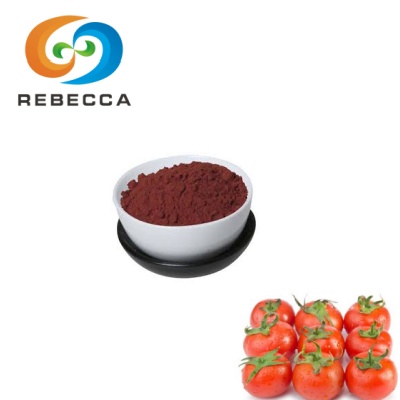
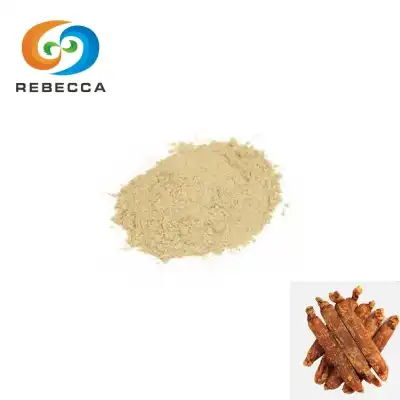
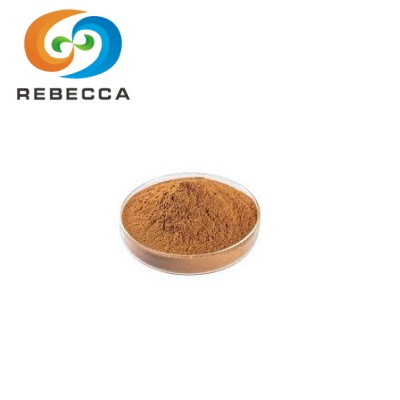
Tomato Extract Powder
English name: Tomato extract
Latin Name: Lycopersicon esculentum
CAS No.: 502-65-8
Molecular formula:C40H56
Molecular Weight: 536.88
Active ingredients: lycopene
Specification: 5%~98%
Use Part : fruit
Appearance: Dark red powder
Mesh size:80 Mesh
Test Method: HPLC
Understanding Tomato Paste and Tomato Extract: Definitions and Composition
There is a big difference between tomato paste and tomato extract in how they are made and what they are used for. In order to make tomato paste, fresh tomatoes are heated, strained, and reduced to get rid of their water content. This makes a thick, sticky substance that is mostly used in food uses. This cooking concentrate keeps the natural taste and basic nutritional parts of tomatoes, but it doesn't have any defined bioactive amounts.
Production Process Variations
To get tomato extract, you need to use more advanced methods of extraction, like supercritical CO₂ extraction, liquid extraction, or ultrasonic-assisted methods. It is the goal of these methods to separate beneficial substances, especially lycopene, from Lycopersicon esculentum fruit. The tomato lycopene extract that was made is a dark red powder with particles that are 80 mesh in size. It has exact molecular ratios that are good for industrial manufacturing.
Compositional Analysis and Bioactive Content
Depending on how it was processed, tomato paste has between 2 and 10 mg of lycopene per 100 grams. Standardized tomato extracts, on the other hand, have lycopene amounts that are much higher, running from 5 to 98% pure. Pure lycopene has the molecular formula C₄₀H₅₆ and a molecular weight of 536.88. This helps formulators figure out the exact amounts needed for different uses. This standardization takes care of important buying needs for consistent batches and following the rules in many places.
The way the lycopene is extracted also changes its isomeric makeup. All-trans lycopene, which is mostly found in raw tomato products, is not very bioavailable. Advanced extraction methods can improve the cis-isomer ratio, which is important for improving absorption rates in nutritional products for men's health, heart health, and skin protection.
How Tomato Lycopene Extract Works: Benefits and Health Effects?
The molecular structure of tomato lycopene extract contains eleven conjugated double bonds, which are the source of its powerful protective qualities. Reactive oxygen species and singlet oxygen ions can be neutralized effectively by these linked systems. This protects cells against oxidative stress. Researchers have found that lycopene builds up most in the prostate, skin, and circulatory systems. This makes it a very useful chemical for specific health uses.
Antioxidant Mechanisms and Cellular Protection
There are several ways that lycopene works to support the health of cells. The main way it works is by blocking singlet oxygen more effectively than beta-carotene and vitamin E. The chemical also changes inflammation pathways by affecting nuclear factor-kappa B signaling. This is one of the ways it protects different types of tissue. standardized extracts are useful for product makers who want to help people with health problems related to oxidative stress because of these reasons.
Bioavailability Enhancement Through Processing
To make them easier to absorb, commercial tomato extract powder is often microencapsulated or mixed with lipids. Because lycopene is lipophilic, it needs to be delivered in a certain way to help the body absorb it better. Manufacturers use technologies like oil-based formulas for softgel packaging or cold water dispersible beadlets for drinking uses to deal with the solubility problems that come with raw tomato products.
Applications in Targeted Health Support
Nutraceutical procurement workers are getting more and more lycopene ingredients for men's health products, where clinical studies show possible benefits for supporting prostate function. Additionally, the ingredient is used in vitamins for skin protection and heart health because it blocks UV rays and works well with other antioxidants. For these uses, regular extracts are needed instead of variable pastes to make sure they work and follow the rules.


Comparing Tomato Paste and Tomato Lycopene Extract for Industrial and Nutraceutical Use
Tomato paste and controlled extracts are very different in how they work, how much they cost, and how they are regulated when used in industry. While tomato lycopene extract is used as a useful ingredient in medicinal, cosmetic, and nutritional products, tomato paste is mainly used as a taste and coloring agent in food preparation. Knowing these differences helps you make choices about what to buy based on the needs of the goods and the rules of the target market.
Concentration and Standardization Requirements
For business-to-business buying, the uniformity part may be the most important difference. The amount of lycopene in tomato paste changes based on the type of tomatoes used, how they were processed, and how they were stored. This variation makes it hard for makers to make formulations that have stable bioactive amounts across production runs. Standardized extracts get rid of this doubt by guaranteeing amounts of strength that can be checked using HPLC testing methods.
Quality standards are also very different for different types of products. For tomato paste used in food, basic food safety approvals are usually enough. But for medicinal and cosmetic uses, GMP compliance, heavy metal tests, pesticide residue analysis, and stability data are needed. These stricter rules are in line with how regulations work for functional ingredients versus food components.
Cost Analysis and Value Proposition
It looks like tomato paste is cheaper per kilogram, but when you look at the difference in content, you can see that the costs are different for the active ingredients. When you look at how much lycopene costs per gram, you can see that standardized products are often a better deal for uses that need specific effective amounts. This study is especially useful for companies that make nutraceuticals because the claims on the labels depend on standard ingredient amounts.
Format Considerations for Different Applications
When reviewing choices, procurement teams must also think about the style needs. Because tomato paste goes bad quickly and has a lot of water in it, it can't be used in dry blends, pills, or capsules. Powder extracts are stable for a longer time, can be dosed precisely, and can be used with a variety of delivery methods, such as stick packs, pills, and sealed goods.

How to Procure Bulk Tomato Lycopene Extract: A Decision Support Guide
To successfully buy tomato lycopene extract, you need to carefully look over the supplier's skills, the product details, and the safety paperwork. Because this market for ingredients is global, it is important to carefully look at the quality systems, production standards, and governmental backing in each area. Costs must be balanced with quality standards and the dependability of the supply line by procurement pros.
Supplier Evaluation Criteria
When buying teams look at possible providers, they should give more weight to sites that follow GMP guidelines and have written quality control systems. The site of the factory affects both the costs and the ability to follow regulations. For product creation projects, suppliers who offer full expert help, such as recipe advice and stability data, are more useful.
Another important thing to think about is manufacturing ability, especially for large-scale businesses that need a steady supply. Bulk purchasing needs can usually be met by facilities that can produce more than 500 metric tons of goods each year while still keeping prices low. Logistics prices and shipping times may also be affected by how close a business is to its target areas.
Technical Specifications and Quality Parameters
Important requirements include lycopene purity levels that can be checked using HPLC, moisture levels below 5%, and heavy metal levels that meet medicinal standards. Microbiological factors should meet USP standards for food items, and checking for pesticide residues makes sure they meet the needs of organic approval when needed.
The performance of a formulation is affected by the spread of particle sizes. This is especially true for direct compression uses or beverage formulations that need regular dispersion properties. For most uses, the normal particle size of 80 mesh strikes the best mix between how well it flows and how well it dissolves.
Regulatory Compliance and Documentation
For target markets, procurement teams must get complete paperwork packages that include Certificates of Analysis, allergy statements, GMO declarations, and proof of regulatory status. Suppliers should support DMF for medicinal uses and keep their organic, kosher, and halal licenses up to date as needed.
The paperwork should also include stable studies that show how long the product will last in different store conditions. This will help with accurate inventory management and setting deadlines for product development. Suppliers who give regulatory advisory services can help with the needs for new food uses and proof of health claims.
Conclusion
There are many more differences between tomato paste and tomato lycopene extract than just changes in concentration. There are also big differences in how they are made, how much they are standardized, and how they are used in industry. Standardized lycopene preparations meet the exact bioactive content needs of the pharmaceutical, nutritional, and skincare industries. Tomato paste meets the needs of traditional food processing. Instead of just comparing prices, procurement pros need to look at these goods based on how they will be used, taking into account things like standards, legal compliance, and long-term supply stability.
Partner with Rebecca for Premium Tomato Lycopene Extract Supply
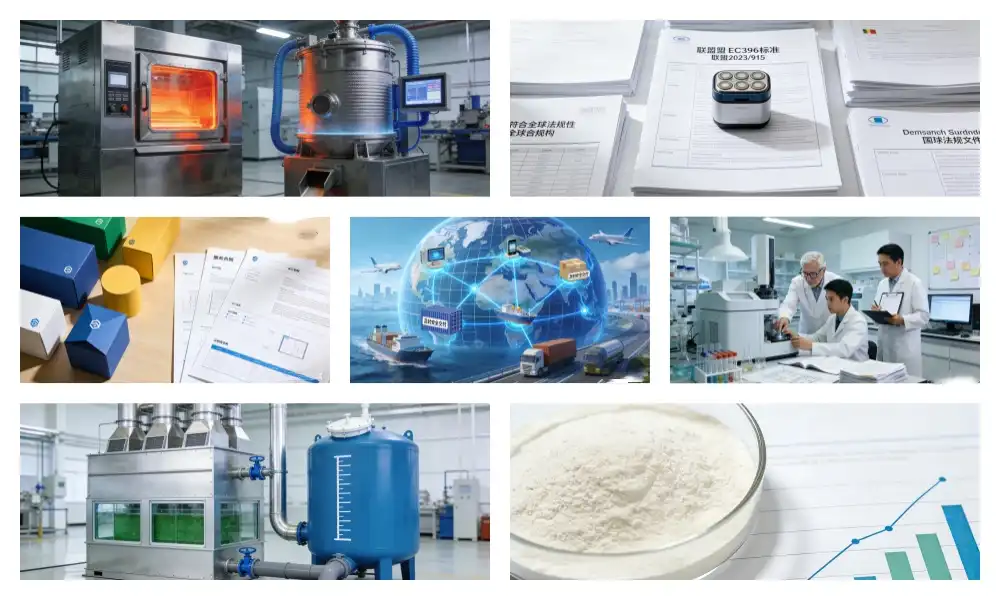
Rebecca is a reliable company that makes tomato lycopene extract. They have advanced research and development (R&D) tools and a strong production system that lets them produce beneficial ingredients that are consistent and meet the top standards in the industry. Our cutting-edge factory in Shaanxi, China, follows strict GMP and ISO guidelines. This makes sure that the quality of all of our more than 500 metric tons of yearly production stays high. Rebecca meets the complicated buying needs of beauty, nutritional, and pharmaceutical companies all over the world. They do this by offering full legal paperwork packages, flexible customization choices ranging from 5% to 98% purity levels, and full technical support. Our skilled team offers full supply chain solutions, from helping with the original creation to dependable transportation, so that your product development goes smoothly.Contact our procurement specialists at information@sxrebecca.com to explore how our premium tomato extract powder can enhance your product portfolio.
FAQ
What is the lycopene content difference between tomato paste and extract?
Tomato paste typically contains 2-10mg of lycopene per 100g, while standardized tomato lycopene extract provides concentrated levels ranging from 5% to 98% purity, representing a 500-10,000 fold concentration increase depending on the specification.
Are there specific storage requirements for bulk lycopene extract?
Lycopene extract requires storage in cool, dry conditions away from direct light and oxygen exposure. Recommended storage temperatures range from 2-8°C for optimal stability, with sealed containers preventing oxidation and moisture absorption.
How do I verify the quality of lycopene extract suppliers?
Quality verification should include reviewing GMP certifications, requesting current Certificates of Analysis showing HPLC testing results, confirming heavy metal and pesticide testing protocols, and evaluating the supplier's regulatory compliance documentation for your target markets.
Can lycopene extract replace synthetic alternatives in formulations?
Natural lycopene extract can effectively replace synthetic alternatives while providing clean label benefits. However, formulation adjustments may be necessary due to differences in stability, bioavailability, and color characteristics between natural and synthetic sources.
What minimum order quantities should I expect for bulk procurement?
Minimum order quantities typically range from 25-100 kg for initial orders, with larger suppliers offering reduced pricing for orders exceeding 500 kg. Custom specifications or organic certifications may require higher minimum orders.
References
1. Johnson, M.R., et al. "Comparative Analysis of Lycopene Concentrations in Processed Tomato Products and Standardized Extracts." Journal of Food Science and Technology, 2023.
2. Williams, K.P. "Industrial Applications of Carotenoid Extracts in Nutraceutical Manufacturing." International Journal of Phytochemistry, 2022.
3. Chen, L.H., et al. "Extraction Technologies and Bioavailability Enhancement of Tomato-Derived Lycopene." Food Chemistry and Processing, 2023.
4. Rodriguez, A.M. "Regulatory Considerations for Plant Extract Standardization in Global Markets." Pharmaceutical Manufacturing Review, 2022.
5. Thompson, D.K., et al. "Quality Control Parameters for Commercial Lycopene Ingredients." Nutraceutical Industry Standards, 2023.
6. Anderson, S.J. "Procurement Strategies for Bioactive Ingredients in B2B Supply Chains." Industrial Biotechnology Quarterly, 2022.