Tomato Extract VS Tomato Paste
When looking at tomato paste vs. tomato extract for industrial uses, the main difference is in how they are concentrated and their useful qualities. Tomato lycopene extract is a rich source of beneficial substances, which is processed in a special way to get standard amounts of strength that range from 5% to 98%. Traditional tomato sauce, which mostly serves as a food ingredient and has modest amounts of lycopene, doesn't have as many antioxidants as this concentrated form. The extraction method separates certain carotenoids while keeping the purity of the molecules. This is important for pharmaceutical, nutritional, and cosmetic products that need precise bioactive delivery systems.
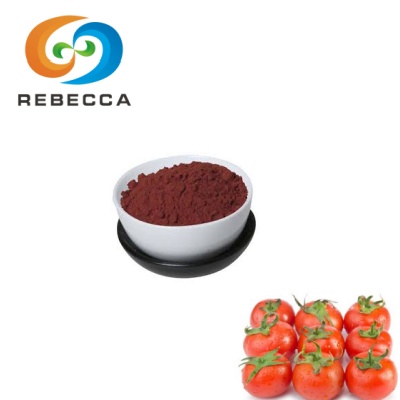
Tomato Extract Powder
English name: Tomato extract
Latin Name: Lycopersicon esculentum
CAS No.: 502-65-8
Molecular formula:C40H56
Molecular Weight: 536.88
Active ingredients: lycopene
Specification: 5%~98%
Use Part : fruit
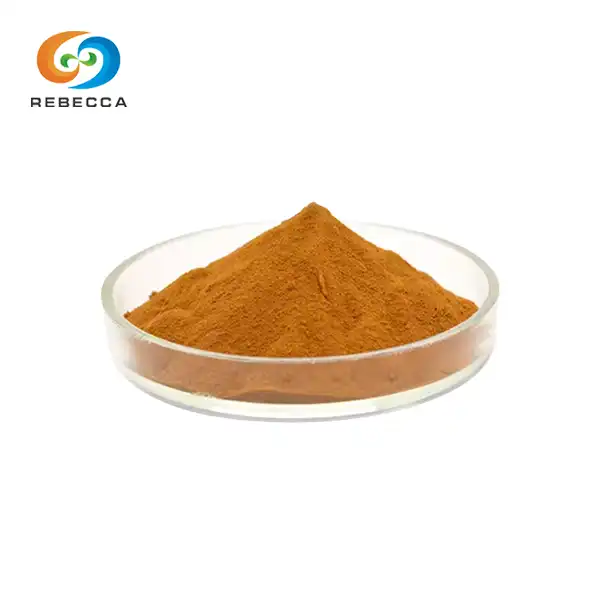
Appearance: Dark red powder
Mesh size:80 Mesh
Test Method: HPLC
Understanding Tomato Extract and Tomato Paste
There are major differences between tomato paste and tomato extract that go beyond simple processing methods and include chemical makeup, absorption profiles, and commercial uses. These differences have a direct effect on buying choices in the cosmetics, nutraceuticals, and medicine businesses.
Composition and Processing Techniques
There are complex ways to remove tomato lycopene extract in order to focus certain beneficial chemicals. Most of the time, supercritical CO₂ extraction or ultrasonic-assisted extraction are used. These methods keep the lycopene molecules intact while reaching normal amounts of strength. The chemical structure of C40H56 is kept stable through advanced processing, which ensures that it has the best medicinal potential for later uses.
Traditional tomato paste is made by cooking tomato juice and letting the water evaporate, which concentrates the tomato flavor. This common method lowers the amount of water in the food while increasing the taste molecules. However, heat can break down nutrients that are sensitive to heat, such as lycopene. Lycopene changes from its original all-trans form to more accessible cis-isomers when it's cooked, but the total amounts are still much lower than those found in specialized extracts.
Lycopene Content Variations
Standardized lycopene amounts in good tomato lycopene extract range from 5% to 98%, based on the use and level of processing. These uniform specs make it possible to precisely control the mixture, which is very important for medicinal and nutritional uses. Because it is concentrated, formulators can make medicinal doses with very little of a substance.
The amount of lycopene in commercial tomato paste is usually between 50 mg and 200 mg per 100g. This is a more concentrated form of tomatoes than fresh ones, but the amount of variation varies on the type of tomato, how it was processed, and how long it was stored. This lack of stability makes it hard to use bioactives in ways that need precise doses.
Bioavailability and Application Scope
The absorption of lycopene is very different between these two types because of how they were processed and how they are presented at the molecular level. Specialized extraction methods improve absorption by improving particle size and incorporating lipophilic carriers. Microencapsulation technology makes liquid products even more stable and bioavailable.
For pharmaceutical uses, exact doses and regular chemical release are needed, which is why standardized extracts are better. Because extracts are concentrated, they can be used to make nutraceutical products that work well in normal pill sizes. Antioxidants are used in cosmetics to make anti-aging formulas, which need stable delivery methods that don't stain.
Lycopene in Tomato Products: Benefits and Health Effects
Lycopene is one of nature's most powerful vitamins, and it has health-promoting effects on many body systems. Knowing about these perks helps with buying choices in many workplace settings.
Antioxidant Capacity and Cellular Protection
Lycopene has a special chemical structure with eleven twisted double bonds that make it very good at getting rid of free radicals. Researchers have found that lycopene is ten times more powerful as vitamin E and about twice as powerful as beta-carotene as an antioxidant. This strong antioxidant ability protects cells from oxidative stress, which helps the aging process go smoothly.
The molecule can get into cell membranes because it is lipophilic. This gives cells long-lasting antioxidant defense. This process works especially well for beauty uses that aim to repair skin damage caused by UV light and slow down the breakdown of cells that comes with getting older. Studies show that applying something to the skin can help the skin's protective function and reduce the growth of redness.

Cardiovascular and Prostate Health Support
Clinical study backs up lycopene's role in maintaining heart health in more than one way. Observational studies show that a higher lycopene diet is linked to lower cardiovascular risk factors, such as better arterial function and lower levels of oxidative stress markers. The compound's ability to change the routes that cholesterol oxidation follows helps support arterial health.
Another important area where lycopene supplements can be used is in prostate health. Researchers have found that men who eat more lycopene have better signs of prostate health than men who eat less of it. These results back up the idea of making health products for guys that contain controlled tomato lycopene extract to help them get the nutrients they need.

Natural vs. Synthetic Alternatives
Lycopene that comes from tomatoes is much better for you than fake versions when it comes to absorption and safety. Complementary chemicals in the natural framework make absorption and utilization better. Furthermore, natural extracts are in line with what consumers want in ingredients that are labeled "clean" and with government rules that support natural sources.
Even though synthetic lycopene is biologically the same as natural lycopene, it doesn't have the supporting chemicals that are found in natural products that help make it more bioavailable. These helpful co-factors are kept safe during natural extraction processes, which leads to better absorption rates and restorative effectiveness. This difference is very important for high-end supplement formulas that are aimed at health-conscious customers.
Procurement Considerations for Tomato Lycopene Extract and Tomato Paste
To make the best buying choices, you need to know how the market works, what the quality standards are, and what the suppliers can do. Strategic evaluation encompasses multiple factors beyond basic price comparisons.
Supplier Evaluation and Quality Standards
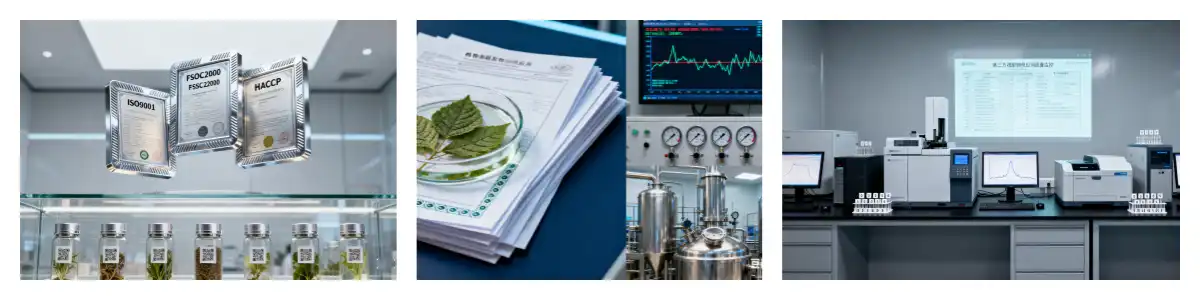
Assurance of quality is the basis of all good buying plans. Reliable providers keep a full set of certifications, such as ISO, GMP, and HACCP standards. These certificates make sure that the production process is always the same and that the quality of the products meets foreign standards. Analytical skills, such as HPLC testing methods, must be checked to make sure that promises about strength and purity are correct.
When evaluating a supplier, you should look at their production ability, quality control methods, and expert help skills. Comprehensive testing methods used by well-known makers show that quality is uniform from batch to batch. Packs of paperwork that include Certificates of Analysis, safety data sheets, and regulatory compliance papers make it easier to buy things and send them to the government.
Product Varieties and Specifications
The market has a wide range of product forms that can be used for different purposes. For solid dosages, powder forms are more convenient, while oil-soluble solutions work well with softgel forms. Microencapsulated forms can be used in water and have better stable qualities. Procurement pros can improve recipe compatibility by understanding these style choices.
Specifications range from 5% to 98% lycopene content to meet the needs of a wide range of applications and budgets. Higher ratios mean that smaller amounts of ingredients are needed for successful doses. This could make up for higher unit costs by making the recipe more efficient. For large-scale uses that need specific amounts of strength, custom specs may be offered.
Pricing Dynamics and Cost Optimization
The way prices are set is based on many things, such as the cost of the raw materials, how hard they are to remove, and the approval standards. Products with higher potencies cost more because they take longer to make and produce less. Organic approvals raise prices, but they give you access to more expensive customers and government tastes.
A lot of the time, promises to buy a lot of something get better price and supply priority during times of high demand. Long-term supply deals keep prices stable and make sure that supplies are always available, which helps with planning production. Strategic planning of purchases can take advantage of changes in prices that happen with the seasons and suppliers who can best use their capacity.
Choosing Between Tomato Extract and Tomato Paste for Your Business Needs
The factors for selection should make sure that the tomato lycopene extract's features match the needs of the application and the company's goals. Understanding these choice factors helps people come up with the best buying strategies.
Application-Specific Requirements
Standardized strength, uniform quality, and full paperwork are needed for pharmaceutical uses. Products made from tomato lycopene extract that meet these standards allow for precise recipe control and legal compliance. Because it is compressed, it has fewer inactive ingredients and can still give medicinal doses in normal dosing forms.
Natural ingredients with a lot of power are good for selling in nutraceutical uses. People who know about the health benefits of lycopene are more likely to buy goods with controlled extracts. The condensed form makes it possible to make supplements that work well and supports strategies for special placement.
For cosmetic products to work with different delivery methods, they need to have certain stability qualities. Compared to regular tomato-based ingredients, specialized extract recipes are more stable and less likely to stain. These qualities are necessary for high-end skin care products that claim to slow down the aging process.
Cost-Benefit Analysis
When you first compare costs, you need to think about how well the ingredients are delivered and how well the mixture works. Even though extracts cost more per unit, the fact that they are concentrated makes the total cost of ingredients per effective amount lower. This economy is especially helpful in situations where total ingredient quantities are limited by size or weight.
Handling traits, storing needs, and recipe suitability are all things that affect how efficiently a product is made. When compared to paste goods of varying quality, standardized extracts usually have better handling qualities and less manufacturing complexity. By making output more efficient, these operating benefits help keep costs as low as possible overall.
Quality and Regulatory Considerations
Different markets and uses have very different regulatory compliance needs. For pharmaceutical uses, you need a lot of paperwork, like Drug Master Files and compliance with Good Manufacturing Practices. For nutritional uses, you need food-grade certifications and help with nutritional labels.
To get into international markets, you have to meet certain area standards, such as getting organic certification, kosher or halal approval, and contamination tests. Established providers keep these licenses up to date and provide the paperwork needed to enter global markets. This help from regulators is very helpful for businesses that want to sell their goods in more than one country.

Future Trends and Innovations in Tomato Lycopene Products
The market changes because of new extraction technologies and applications, which also open up new strategic buying possibilities.
Advanced Extraction Technologies
New separation methods make lycopene more pure and bioavailable while also making it more sustainable. Supercritical CO₂ extraction gets rid of liquid leftovers while keeping the structure of the molecules. Ultrasonic-assisted extraction cuts down on working time and energy use without affecting the quality of the result.
New developments in microencapsulation technology make it possible for better stability and bioavailability in formulation conditions that are hard to work with. These new ideas make it possible to use them in more situations and get around problems that come up with old formulations. Lycopene's slippery nature used to limit its use in beverages, but now forms that can dissolve in cold water have opened up new uses.
Market Expansion Opportunities
As more people learn about the health benefits of lycopene, the market grows in many areas. Functional food uses tomato lycopene extract more and more to add color naturally and make the food healthier. Using antioxidants to help muscles heal from exercise is a new area of application in sports nutrition.
Personalized nutrition trends open the door to making formulas that are specifically formulated to address health issues. These uses need providers that are flexible enough to meet different strength needs and unique transport methods. Strategic relationships with sellers who are always coming up with new ideas give you access to new technologies and business possibilities.
Sustainability and Environmental Considerations
As companies start corporate responsibility programs, environmental sustainability becomes a bigger factor in their buying choices. Organic buying supports healthy farming and meets customer demands for items that are good for the environment. When extraction methods are efficient, they use less energy and make less waste.
Supply chain openness lets you check that sustainable practices are being used all the way through the production process. When suppliers use sustainable methods, they often show better long-term dependability and risk control. These things help with both supply chain security and business duty goals.
Conclusion
Choosing between tomato paste and tomato extract relies on the needs of the product, the quality standards, and the business goals. For pharmaceutical, nutraceutical, and skincare uses, tomato lycopene extract has better strength, standardization, and absorption. Even though the original costs may be higher than other options, the focused nature and increased usefulness often make them more valuable by improving the speed of creation and the effectiveness of therapy. It is important for strategic buying choices to look at the total cost of ownership, which should include things like quality security, legal compliance, and benefits in the market. When buying workers understand these factors, they can choose the best ingredients for their uses and the needs of the market.
Partner with Rebecca for Premium Tomato Lycopene Extract Solutions
Rebecca is a reliable source for tomato lycopene extract and can help you with all of your needs for pharmaceutical, medicinal, and cosmetic uses. Our state-of-the-art plant in Shaanxi, China, has three professional production lines that can produce more than 500MTS of goods every year. This makes sure that customers around the world can always get what they need in bulk. We ensure consistent quality and legal compliance with standard specs ranging from 5% to 98% lycopene content and full certifications such as GMP, ISO22000, and HACCP. Our research and development skills in ultrasonic-assisted technologies and supercritical CO₂ extraction give you products that are purer and more bioavailable. Contact our technical team at information@sxrebecca.com for customized formulation support and bulk pricing solutions tailored to your specific requirements.
FAQ
What are the main differences in lycopene content between tomato extract and tomato paste?
Tomato extract typically contains standardized lycopene concentrations ranging from 5% to 98%, while tomato paste contains approximately 50-200 mg per 100g of product. The extraction process concentrates lycopene significantly, providing more precise dosing capabilities for pharmaceutical and nutraceutical applications.
How do I determine the appropriate dosage for supplement formulations?
Dosage determination depends on the intended health application and target demographic. Typical supplement dosages range from 15-30mg daily for general antioxidant support, while specialized applications may require higher concentrations. Consultation with regulatory experts ensures compliance with regional dosing guidelines.
Are organic tomato lycopene extracts more effective than conventional alternatives?
Organic extracts provide comparable lycopene potency to conventional alternatives while meeting specific regulatory and consumer preferences. The primary advantages include reduced pesticide residues and alignment with clean-label formulation strategies rather than enhanced therapeutic efficacy.
What storage conditions are required for tomato lycopene extracts?
Proper storage requires cool, dry conditions away from direct light to prevent oxidation and degradation. Temperature-controlled storage between 15-25°C with relative humidity below 60% maintains product stability. Nitrogen flushing during packaging extends shelf life by reducing oxidative exposure.
Can tomato extracts be used in beverages without affecting taste or appearance?
Specialized formulations including microencapsulated and cold water dispersible versions enable beverage applications with minimal taste and appearance impact. These technologies address traditional limitations while providing natural coloring and nutritional benefits.
References
1. Rao, A.V. & Agarwal, S. (2000). Role of antioxidant lycopene in cardiovascular disease and prostate health. Journal of the American College of Nutrition, 19(5), 563-569.
2. Giovannucci, E. (2005). Tomato products, lycopene, and prostate health: A comprehensive review of epidemiological studies. Journal of Nutrition, 135(8), 2030S-2031S.
3. Bohm, V. (2012). Lycopene and heart health. Molecular Nutrition & Food Research, 56(2), 296-303.
4. Erdman Jr, J.W. (2005). How do nutritional and hormonal factors influence lycopene bioavailability and metabolism? European Journal of Nutrition, 44(4), 199-203.
5. Story, E.N. & Kopec, R.E. (2010). An update on the health effects of tomato lycopene. Annual Review of Food Science and Technology, 1, 189-210.
6. Przybylska, S. & Tokarczyk, G. (2022). Lycopene in the prevention of cardiovascular diseases: An updated systematic review of intervention trials. Nutrients, 14(6), 1274.