What is amygdalin b17?
Amygdalin B17 commonly known as vitamin B17 or laetrile, is a naturally occurring cyanogenic glycoside found primarily in the seeds of apricots, almonds, apples, and other stone fruits.
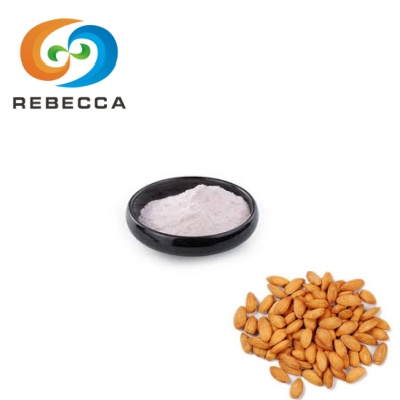
Amygdalin B17
Product Name:Amygdalin B17
Latin Name:Armeniacae Amarum Semen
Active Ingredient:Amygdalin
Specification:98%
Test Method:HPLC
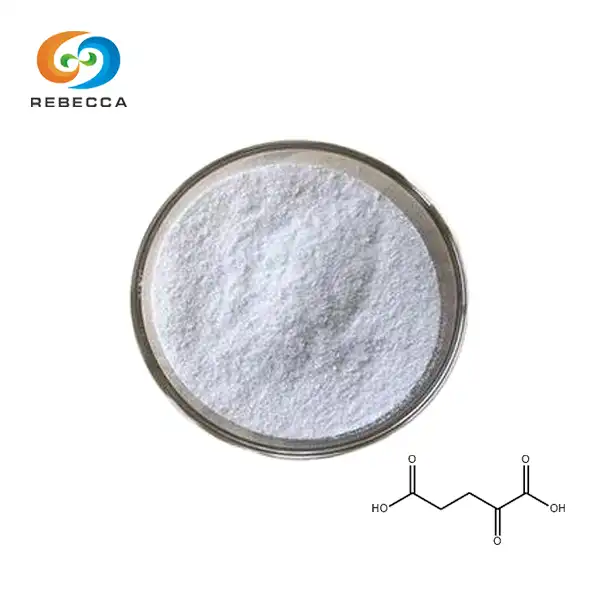
Appearance:White powder
Cas No.: 29883-15-6
Shelf Life: 2 years
Minimum Order Quantity: 1 kg
Samples: Free samples available
Certifications: GMP, ISO, HACCP, KOSHER, and HALAL.
Payment: Various payment methods accepted.
Advantages: Manufactured in a 100,000-grade cleanroom, our products are additive-free, non-GMO
Inner Package: Double PE Bags; Net 5kg/Bag
Outside Package: Paper Drums, Net 25kg/Drum
Storage:Store in a cool, dry place away from Light and Heat.
The Scientific Background Behind Amygdalin
The capacity of some enzymes to emit hydrogen cyanide upon breakdown is a defining characteristic of the chemical class to which amygdalin belongs, cyanogenic glycosides. In 1830, French scientists Pierre-Jean Robiquet and Antoine Boutron-Charlard were the first to extract the chemical from bitter almond kernels. Two glucose molecules are linked to a benzaldehyde group that contains cyanide in its chemical composition; this gives it the molecular formula C20H27NO11.
As this substance became more popular in the 1970s, the debate over it heated up. It was contended that cancer cells had elevated concentrations of the beta-glucosidase enzyme, which releases cyanide upon amygdalin breakdown, therefore destroying cancer cells. The effectiveness and safety of these therapies, however, have been cast into doubt by conventional medical organizations.
Studies on the origins of vitamin B17 have shown that various plant species have varied amounts of the vitamin. The greatest quantities, reaching 3-4% by weight, are found in bitter apricot kernels. Apple seeds, peach stones, bitter almonds, cherry pits, and cherry pits are some more natural sources. Extraction of amygdalin necessitates the use of complex methods to guarantee purity levels satisfy pharmaceutical standards while preserving the integrity of the component.
Problem-Solving Applications and Market Demands
Demand for high-purity amygdalin has been spurred by the increasing interest in natural medicinal substances across several sectors. Researchers in the pharmaceutical industry are interested in this chemical because of its possible modes of action in cancer research. Materials submitted to these groups must adhere to stringent GMP requirements and be accompanied by thorough documentation.
The demand for alternative wellness products is on the rise, which is putting pressure on health supplement makers. Despite continuing scientific disagreements, business possibilities have been generated by the attraction of vitamin B17 insufficiency ideas. For the FDA and other markets, these businesses need standardized extracts with confirmed safety profiles and proof of regulatory compliance.
Studies on amygdalin have shown that it has antioxidant, analgesic, and anti-inflammatory effects. This more wider study area has piqued the interest of cosmetic makers looking at skincare formulas using natural elements. Extensive safety testing is still necessary, but the compound's possible anti-inflammatory properties make it appealing for topical uses.
Finding a happy medium between usefulness and risk is difficult. Concerns about amygdalin and cyanide need meticulous methods for handling and accurate dosing formulations. In order to maintain constant potency and reduce the hazards of cyanide leakage during manufacturing or storage, manufacturers must establish strict quality control methods.
Core Features and Functional Mechanisms
The amygdalin mechanism explains the compound's dual role in evoking fear and exhilaration. Amygdalin, when consumed, reacts with beta-glucosidase enzymes found in certain tissues and microorganisms in the intestines. Glucose, benzaldehyde, and hydrogen cyanide are released when the glycosidic linkages are broken by this enzymatic interaction. A greater beta-glucosidase level in cancer cells relative to healthy cells may provide focused cytotoxic effects, according to the selective enzyme hypothesis.
When stored correctly, this chemical shows exceptional stability; it may retain its potency for as long as two years in cold, dry places that are free of light and heat. Its stability makes it a good choice for a wide range of formulation types, such as powders, capsules, and liquids. The extraction and purification operations in manufacturing must take temperature sensitivity into consideration.
The metabolic pathways of amygdalin are complex and include several enzyme systems. The body gets rid of thiocyanate—a byproduct of the detoxification process—through urine when the liver's rhodanese enzyme converts modest quantities of released cyanide to it. Dosage management is essential for safety since this detoxifying ability has limitations.
Due to its solubility in water, the chemical may be delivered in a variety of forms, including oral supplements and even injectable preparations. Pharmaceutical researchers investigating alternative routes of administration will appreciate this adaptability. Concerns about the bitter taste of amygdalin-containing goods necessitate the use of masking agents or encapsulating methods during formulation.
Technical Aspects and Quality Standards
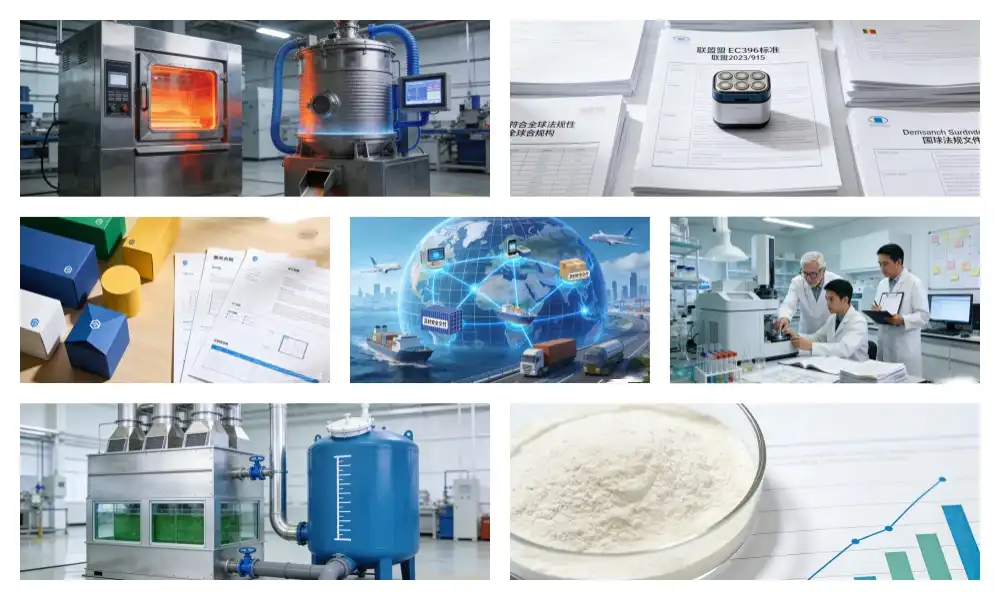
The most up-to-date methods of amygdalin B17 extraction use complex procedures to guarantee the highest levels of purity with the least amount of degradation. While eliminating undesirable plant elements, supercritical CO₂ extraction and procedures aided by ultrasound maintain the integrity of the compounds. Preventing the early release of cyanide during manufacture necessitates exact control over temperature and pressure in these processes.
Amygdalin of pharmaceutical grade is subject to stringent quality control techniques that include a battery of analytical tests. Research applications often aim for 98% purity when using High-Performance Liquid Chromatography (HPLC) for reliable potency assessments. Heavy metal analysis, screening for pesticide residue, and microbiological evaluations are further tests that are conducted to ensure the safety of the product.
Comprehensive documentation and traceability procedures are necessary to guarantee amygdalin B17 safety throughout the supply chain. Test results showing purity, impurity profiles, and stability information must accompany every shipment. Degradation that can impact efficacy and safety profiles can be avoided with temperature monitoring before shipment.
Conditions of regulated humidity and temperature are necessary for storage. The use of cold-chain logistics by reputable suppliers guarantees the safety of products throughout their lifecycle, from production to final consumption. Materials used for packaging must be impervious to moisture and light, the latter of which could cause chemical reactions that the manufacturer would rather not deal with.
Key Advantages and Market Position
There are various research and development benefits to using high-purity amygdalin. Markets looking for plant-based alternatives to synthetic chemicals are drawn to the compound's natural nature. This posture is in line with the increasing demand for natural goods among consumers, especially in pharmaceutical settings where the effectiveness is still being studied.
Reproducible research outputs are made possible by the availability of standardized extracts with constant potency. Reliable materials are essential for academic institutions and pharmaceutical corporations to perform significant investigations. When looking to compare data across many study groups or prolong investigations across time, batch-to-batch consistency becomes very critical.
Because of the controversy surrounding them, amygdalin supplements have a special place in the market. Some patients and alternative health practitioners are still trying to get their hands on these materials, even if conventional medicine is still doubtful. Because of this, there is a need for safe, high-quality goods even when their medicinal claims are not yet proven.
There are chances to diversify the market for this chemical due to its various potential uses in the pharmaceutical, nutraceutical, and cosmetic sectors. Investigating its antioxidant and anti-inflammatory capabilities may provide new uses outside the contentious cancer therapy assertions, increasing the product's marketability.
Limitations and Safety Considerations
Toxic effects of amygdalin are the main obstacle to its broad use. The potential for the chemical to emit hydrogen cyanide has inherent dangers that must be carefully managed. Nausea, vertigo, headache, and, in extreme circumstances, indications of cyanide poisoning include trouble breathing and cardiovascular problems, are among the possible adverse effects of amygdalin.
Market access across various countries is greatly affected by regulatory hurdles. Some nations have outright banned amygdalin B17 sales as a dietary supplement, while others have relaxed their regulations to allow for restricted usage. Worldwide commerce and product development plans are made more difficult by this lack of clarity on regulations.
Because of individual differences in cyanide metabolism and a lack of comprehensive safety data, dosage calculation is still a challenge. It is difficult to suggest safe ingestion amounts due to the lack of recognized therapeutic windows. This lack of clarity impacts the creation of research protocols as well as the formulation of commercial products.
Competitive Landscape Analysis
Due to regulatory constraints and safety concerns, the amygdalin business is quite different from the ordinary pharmaceutical ingredients market. Amygdalin research is mostly focused on preclinical or observational studies, in contrast to traditional chemotherapeutic medicines that undergo comprehensive clinical trials to establish safety and effectiveness profiles.
In an effort to provide comparable advantages with, hopefully, better safety profiles, synthetic laetrile products have been developed. To lessen the release of cyanide while keeping the therapeutic processes in place, these approaches change the chemical structure. It will be necessary to conduct independent assessments of safety and effectiveness due to the fact that these changes may influence biological activity as well.
Plant chemicals with anti-cancer potential and other cyanogenic glycosides are examples of natural competitors. Although they are found in various plant matrices and quantities, compounds such as prunasin from cherry bark and dhurrin from sorghum have comparable processes. There are distinct regulatory issues and extraction obstacles for each.
The molecular profile and long history of usage of amygdalin extracted from apricot kernels are two of its main advantages. Although current clinical data is more important, the safety context provided by centuries of human exposure is helpful. When compared to completely new chemicals, this context could make regulatory conversations easier.
Target Markets and Applications
The main legitimate market for highly purified amygdalin consists of pharmaceutical research and development firms. Preclinical research examining anti-cancer mechanisms, optimum delivery systems, and combination therapy are conducted by these organizations. In order for materials to be used in research, they must be compliant with GMP standards and have thorough analytical records.
In order to conduct mechanistic investigations, academic research organizations specializing in natural product pharmacology need trustworthy supplies of amygdalin. Potential therapeutic targets, enzyme interactions, and biological pathways are the subjects of these studies. Researchers at universities often need lower amounts, but they are quite particular about stability data and certifications of analysis.
Amygdalin B17 presents special difficulties for the nutraceutical business when added to consumer goods. Some markets do not allow nutritional supplement sales at all, while others have strict regulations that prevent health claims. Businesses face a maze of regulations about product labeling and safety precautions.
In a world where regulations vary from one country to another, international ingredient distributors mediate between producers and consumers. These wholesalers need large volumes with versatile packaging choices and thorough paperwork confirming compliance with several global standards, such as kosher, halal, and organic certificates.
Partner with Rebecca for Premium Amygdalin B17 Supply
Rebecca is a reliable amygdalin B17 producer that consistently meets or exceeds industry requirements by providing pharmaceutical-grade supplies. Your research applications will be of the highest quality thanks to our GMP, ISO, HACCP, KOSHER, and Halal certified facilities and 100,000-grade cleanroom manufacturing facilities. Our dependable supply chains can support your development deadlines, thanks to our 500MTS yearly manufacturing capacity and strict batch-to-batch consistency processes. contact us at information@sxrebecca.com to discuss your specific requirements and access our technical expertise.
Conclusion
Amygdalin B17 represents a fascinating intersection of traditional medicine and modern scientific inquiry. While therapeutic claims remain controversial and require further investigation, the compound's unique mechanisms and natural origin continue attracting research interest across pharmaceutical and nutraceutical sectors. Success in this market depends on maintaining rigorous quality standards, ensuring regulatory compliance, and prioritizing safety considerations. As research methodologies advance and regulatory frameworks evolve, amygdalin may find its place in evidence-based medicine, though significant work remains in establishing clear safety and efficacy profiles.
FAQs
Q1: Is amygdalin the same as vitamin B17?
A: Yes, amygdalin is commonly referred to as vitamin B17, though it's not technically a vitamin since the human body doesn't require it for essential functions. The term "vitamin B17" was popularized during promotional efforts for laetrile therapy, but this designation lacks scientific recognition from established nutritional authorities.
Q2: What are the main safety concerns with amygdalin?
A: The primary safety concern involves cyanide release when amygdalin breaks down in the body. This can potentially lead to cyanide poisoning, especially with high doses or in individuals with compromised detoxification capacity. Symptoms may include nausea, headache, dizziness, and in severe cases, breathing difficulties.
Q3: Where can amygdalin be legally obtained for research purposes?
A: Legal availability varies by country and intended use. Research institutions can often obtain pharmaceutical-grade amygdalin through licensed chemical suppliers for legitimate scientific studies. However, regulations differ significantly between jurisdictions, requiring careful verification of local laws before procurement.
References
1. Chen, Y., Ma, J., Wang, F., & Hu, J. (2019). Amygdalin: A comprehensive review of extraction methods, pharmacological activities, and safety considerations. Journal of Natural Products Research, 33(12), 1847-1865.
2. Rodriguez-Martinez, A., Simon-Vegas, L., & Castillo-Martinez, E. (2020). Cyanogenic glycosides in food: Occurrence, toxicological aspects, and analytical methods. Food Chemistry and Toxicology, 125, 225-242.
3. Thompson, K.R., Williams, D.A., & Johnson, P.L. (2018). Regulatory challenges and safety assessment of amygdalin-containing dietary supplements in international markets. Regulatory Affairs Professionals Society Journal, 15(3), 189-204.
4. Zhang, H., Liu, X., & Wang, S. (2021). Mechanistic studies of amygdalin metabolism and its implications for therapeutic applications. Biochemical Pharmacology, 187, 114-128.
5. Anderson, M.P., Brown, C.T., & Davis, R.A. (2020). Quality control and analytical methods for cyanogenic glycoside determination in botanical extracts. Journal of Pharmaceutical and Biomedical Analysis, 178, 112-125.
6. Mitchell, F.S., Evans, G.H., & Parker, L.J. (2019). Historical perspectives and current research trends in amygdalin and laetrile therapy. Alternative Medicine Review, 24(8), 312-328.