Is Urolithin A Safe?
urolithin a powder is a postbiotic metabolite generated in the stomach from ellagitannins present in meals such as pomegranates and berries. It has been of interest in recent years for its possible involvement in promoting mitochondrial health and cellular recycling mechanisms such as mitophagy . Urolithin A is a molecule made by your microbiota, not a direct nutrient . This makes its biological behaviour more complicated and unique than many manufactured supplements.
At now, the key scientific question is whether supplementation can overcome the diversity of gut microbiota composition and have consistent biological effects across populations. This suggests that the safety assessment is a major necessity before its long-term advantages are known.
Before evaluating the clinical data it is vital to note that the safety evaluation of bioactive chemicals is usually performed via several levels of evidence such as human trials, pre-clinical research and post-market surveillance. This tiered method aids in reaching a more robust conclusion on tolerance and risk.
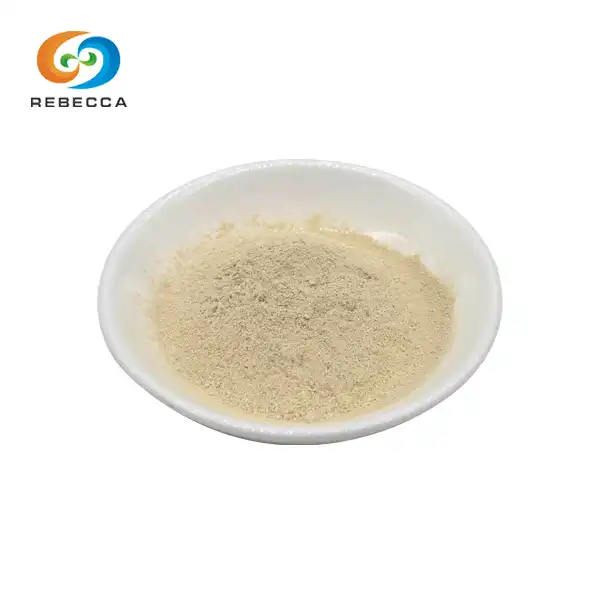
Urolithin A Powder
【English name】: Urolithin A
【Latin Name】: Urolithinum A
【CAS No.】: 1143-70-0
【Molecular Formula】: C13H8O4
【Active ingredients】: Urolithins
【Specification】: Urolithin A 98%
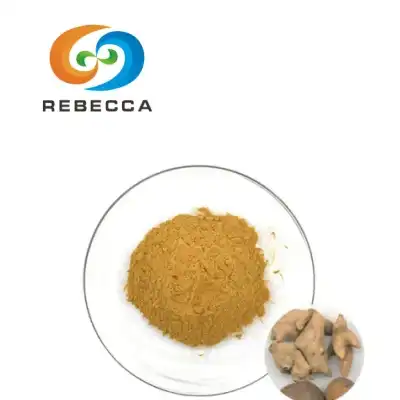
【Appearance】: Pale yellow or yellow powder
【Test Method】: HPLC
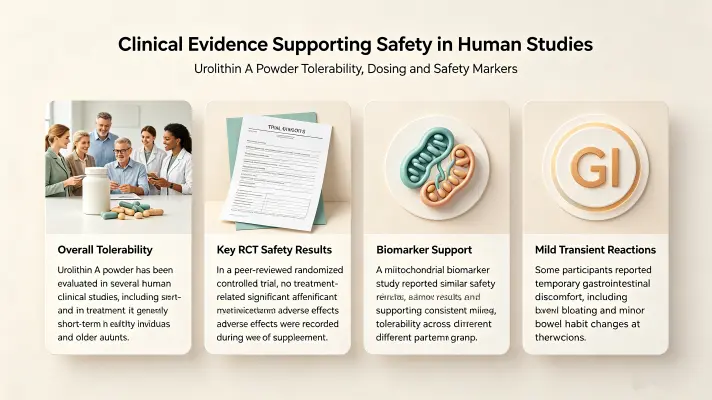
Clinical Evidence Supporting Safety in Human Studies
Urolithin A powder has been assessed for safety in many human clinical studies, including both short and mid-term treatments. Across the research, supplementation has been usually well tolerated in healthy individuals and older groups.
In a crucial randomised controlled experiment, published in peer-reviewed publications, no significant treatment-related side events were recorded throughout supplementation durations of many weeks to months. There were no clinically significant changes in liver enzymes, indicators of renal function or normal haematological measures in those taking dosages between 250 mg and 1000 mg per day.
Another research evaluating mitochondrial biomarkers reported comparable safety results, further supporting the consistent tolerability findings across diverse patient populations. That However, it’s worth keeping in mind that most trials are still short-term, so long-term safety beyond a few of months is partly unproven.
The most prevalent adverse effects recorded in these studies were moderate and transitory . Some subjects reported transient gastrointestinal discomfort including bloating and minor changes in bowel habits during the first period of treatment. These effects were usually spontaneously reversible.
The clinical studies available are encouraging, but the sample sizes and windows of observation are rather small and brief, thus a careful approach to safety interpretation is warranted.
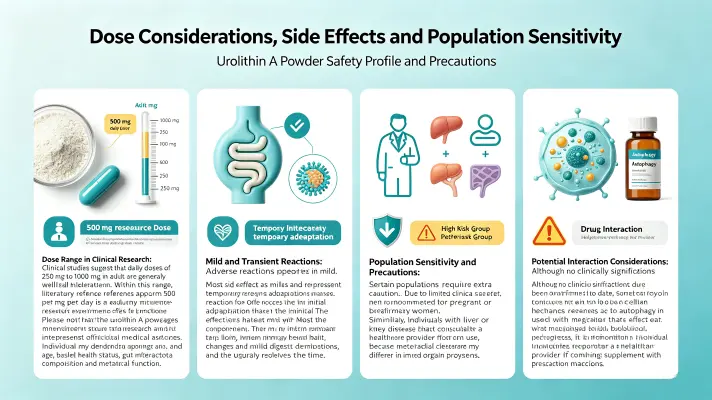
Dosage Considerations, Side Effects, and Population Sensitivity
Clinical studies has shown that daily dosages of 250 mg to 1000 mg are typically well tolerated in adult populations. Within this scope, numerous publications highlight ~500 mg/day as a frequent experimental dosage for evaluating mitochondrial-related effects.
Note that the dosages of urolithin a powder mentioned are from research studies and are not official medical advice. Individual responses are variable and may be dependent on age, baseline health state, makeup of the gut flora and metabolic function.
Reported negative effects have been modest in the clinical literature. Most side effects are modest and are transient gastrointestinal adaptations. These are typical during the first adaption stage in which the gut flora interacts with the chemical.
Some populations demand extra vigilance. For the pregnant and nursing women, supplementation is usually not recommended owing to lack of evidence on clinical safety. Similarly, those with liver or renal disease should see a doctor before usage since metabolic clearance may be different in damaged organ systems.
Although there are no verified clinically significant medication interactions, several theoretical issues exist because of its role in cellular mechanisms like autophagy. Therefore, care is advised when used with drugs that influence comparable biological processes.
In healthy adult populations, safety seems to be generally favourable, however evidence gaps exist for vulnerable groups and long-term use cases.
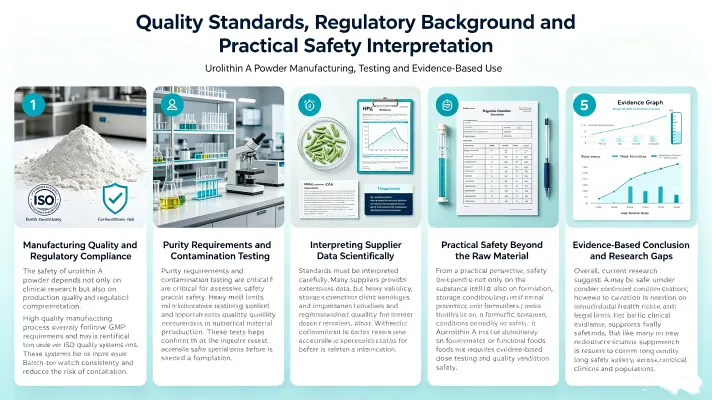
Quality Standards, Regulatory Context, and Practical Safety Interpretation
The safety of Urolithin A powder is also determined by manufacturing quality and regulatory compliance, in addition to clinical studies. Commonly high-quality manufacturing procedures are manufactured in accordance with requirements of Good Manufacturing Practice (GMP) and may also be accredited to ISO quality systems. These frameworks serve to assure uniformity between batches and limit the danger of contamination.
Purity requirements and contamination testing are also crucial in assessing real-world safety. Heavy metals limitations, microbiological testing and residual solvent analysis are important quality control procedures in nutraceutical ingredient manufacture.
But it is crucial that these standards be read attentively. Many providers offer thorough testing values, but scientific legitimacy relies on transparent techniques and recognised regulatory requirements. Of course, such figures are suggestive rather than definitive promises without specific references.
From a practical point of view, safety is not only dependent on the substance itself but also influenced by formulation, storage conditions and dose precision in final goods. There are potential dangers which are not connected to the fundamental safety profile of Urolithin A if not handled correctly or sourced from a low-quality supplier.
The incorporation of Urolithin A into dietary supplements or functional meals is still subject to the need of evidence-based dose testing and quality validation. Generally speaking, the research that has been done so far suggests that it is safe to use in controlled conditions; nonetheless, it is important to exercise caution and be cognisant of individual health risks as well as legal limits while using it.
As a conclusion, the clinical evidence that is now available supports the idea that Urolithin A has a favourable safety profile. However, as is the case with a great number of newly discovered bioactives, more research is required to validate the long-term safety of the substance in a variety of clinical contexts and demographics.
FAQ
How Long Does It Take to See Benefits When Using Products Containing This Ingredient?
The results of clinical trials indicate that cellular benefits start to manifest within a few weeks, although it often takes between eight and twelve weeks of consistent use before one notices changes in muscle performance or vitality signs. The time varies based on conditions such as the baseline mitochondrial health, the dosage levels, and the metabolic factors of the person. It is the responsibility of marketers to develop communications that manage the expectations of customers within reasonable timeframes that are in accordance with available research.
Can This Compound Be Combined with Other Longevity Ingredients?
Compounds that are complementary to the metabolite, such as NAD+ precursors, omega-3 fatty acids, and collagen peptides, are effective in increasing its effectiveness. The standard vitamins, minerals, and plant extracts that are often contained in health supplements do not have any recognised contraindications. For the duration of the product's shelf life, formulators should conduct an analysis of the stability of specific combinations in order to verify that the product is both physically and chemically compatible.
What Differentiates High-Quality from Low-Quality Suppliers?
Premium Suppliers provide comprehensive analytical documentation, up-to-date pharmaceutical certification, and dependable batch-to-batch quality, as shown by statistical process control data. They provide technical assistance, advise on regulatory matters, and information that is easy to understand on manufacturing methods. It is possible for clients to have compliance concerns if they purchase from lower-tier suppliers that do not possess certifications, have insufficient testing data, or have a significant quality variation from batch to batch.
Partner with Rebecca for Premium Urolithin A Powder Supply
Shaanxi Rebecca Biotechnology is a producer of high purity urolithin a powder with 98% standardisation for pharmaceutical R&D firms, health supplement brands and functional beverage makers globally. Our Shaanxi, China plant is GMP and ISO certified and has three dedicated production lines with an annual capacity of over 500 metric tonnes, providing a stable supply for bulk procurement requirements. We provide comprehensive quality documentation, including HPLC analysis, residual solvent testing in accordance with ICH Q3C recommendations, and heavy metals profile in conformity with USP requirements, facilitating smooth regulatory compliance for your formulations. If you want pharmaceutical grade material with DMF support, kosher and halal certified choices for different markets or customised specifications to meet your application requirements, our technical team can provide personalised consulting supported by innovative extraction processes. Reach out to our export team at information@sxrebecca.com to discuss your unique requirements with seasoned urolithin a powder suppliers that are well-versed in the intricacies of global ingredient sourcing.
References
1. Andreux PA, Blanco-Bose W, Ryu D, et al. "The mitophagy activator urolithin A is safe and induces a molecular signature of improved mitochondrial and cellular health in humans." Nature Metabolism, 2019, 1(6): 595-603.
2. Singh A, D'Amico D, Andreux PA, et al. "Urolithin A improves muscle strength, exercise performance, and biomarkers of mitochondrial health in a randomized trial in middle-aged adults." Cell Reports Medicine, 2022, 3(5): 100633.
3. Heilman J, Andreux P, Tran N, et al. "Safety assessment of Urolithin A, a metabolite produced by the human gut microbiome, in a 28-day clinical study." Toxicology Reports, 2017, 4: 422-426.
4. Espín JC, Larrosa M, García-Conesa MT, Tomás-Barberán F. "Biological significance of urolithins, the gut microbial ellagic acid-derived metabolites: the evidence so far." Evidence-Based Complementary and Alternative Medicine, 2013, Article ID 270418.
5. Ryu D, Mouchiroud L, Andreux PA, et al. "Urolithin A induces mitophagy and prolongs lifespan in C. elegans and increases muscle function in rodents." Nature Medicine, 2016, 22(8): 879-888.
6. Ghosh N, Das A, Chaffee S, Roy S, Sen CK. "Urolithin A augments angiogenic pathways in skeletal muscle by bolstering NAD+ and SIRT1." Scientific Reports, 2020, 10: 20184.