Is yeast beta-glucan a probiotic?
Yeast beta-glucan powder is not a probiotic, but rather a prebiotic. This distinction is crucial for understanding its role in gut health and overall well-being. While probiotics are live beneficial microorganisms, yeast beta-glucan is a complex carbohydrate derived from the cell walls of baker's yeast (Saccharomyces cerevisiae). It acts as a food source for beneficial gut bacteria, promoting their growth and activity. This prebiotic function makes yeast beta-glucan an essential component in supporting a healthy gut microbiome and enhancing immune function.
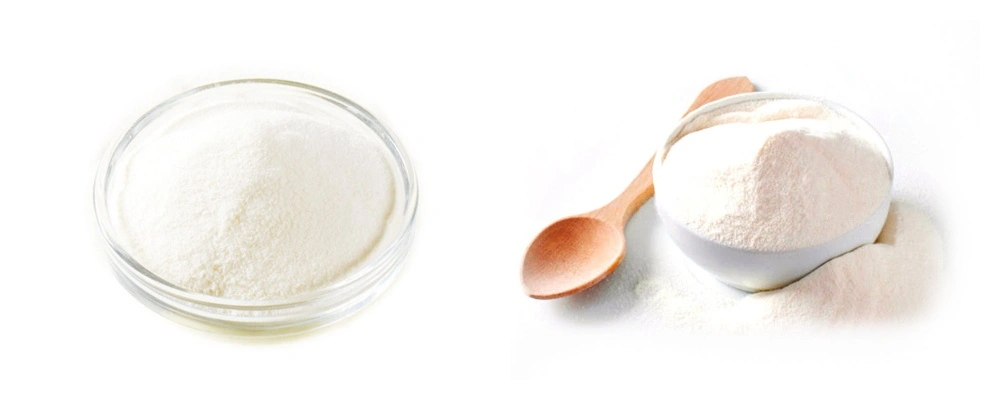
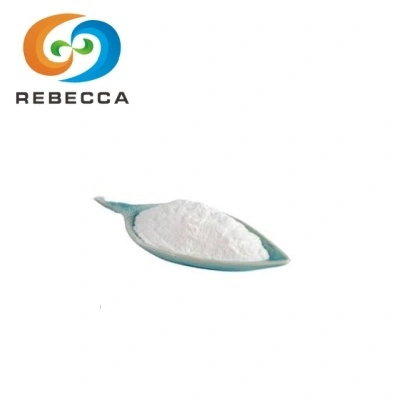
【English name】: yeast beta glucan powder
【Other name】: Beta-(1,3)-D-Glucan ; yeast dextran
【CAS No.】: 9012-72-0
【Molecular Formula】: (C 6 H 10 O 5 ) N
【Active ingredients】: Beta-1,3-1,6 Glucan
【Specification】: ≥70%
【Grade】 :Food Grade / Cosmetic Grade
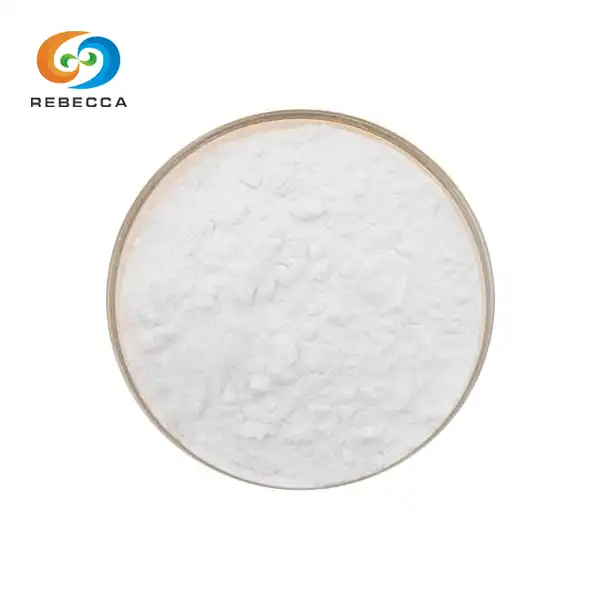
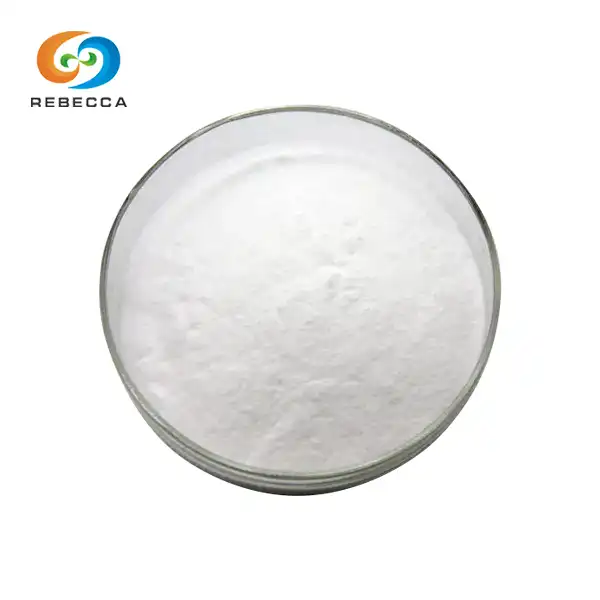
【Appearance】: Off-white or yellowish powder
【Mesh size】:80 Mesh
【Test Method】: HPLC
Prebiotics vs. probiotics: Difference
Understanding prebiotics: Fuel for gut bacteria
Prebiotics are non-digestible food components that selectively stimulate the growth and activity of beneficial gut bacteria. These compounds pass through the upper gastrointestinal tract undigested and reach the colon, where they serve as a food source for beneficial microorganisms. Yeast beta-glucan powder falls into this category, providing nourishment for probiotic bacteria in the gut.
The primary function of prebiotics is to support the growth of beneficial bacteria, such as Bifidobacteria and Lactobacilli. By doing so, they help maintain a balanced gut microbiome, which is essential for various aspects of health, including digestion, immune function, and even mental well-being. Prebiotics like yeast beta-glucan can enhance the production of short-chain fatty acids (SCFAs), which play a crucial role in gut health and have anti-inflammatory properties.
Probiotics: Live beneficial microorganisms
Probiotics, on the other hand, are live microorganisms that, when administered in adequate amounts, confer a health benefit on the host. These beneficial bacteria and yeasts are typically found in fermented foods or dietary supplements. Common probiotic strains include Lactobacillus, Bifidobacterium, and Saccharomyces boulardii.
Unlike prebiotics, probiotics are living organisms that directly contribute to the gut microbiome. They can help restore balance to the gut flora, particularly after disruptions such as antibiotic use or illness. Probiotics have been associated with various health benefits, including improved digestion, enhanced immune function, and potential alleviation of certain gastrointestinal disorders.
How prebiotics and probiotics work together
Prebiotics and probiotics work synergistically to promote gut health and overall well-being. While probiotics introduce beneficial microorganisms to the gut, prebiotics like yeast beta-glucan powder provide the necessary nutrients to support their growth and activity. This symbiotic relationship creates an optimal environment for a diverse and balanced gut microbiome.
When prebiotics and probiotics are combined, they form what is known as a synbiotic. This combination can enhance the survival and implantation of live microorganisms in the gastrointestinal tract. For instance, yeast beta-glucan powder can serve as an excellent prebiotic partner for probiotic strains, potentially increasing their effectiveness and longevity in the gut.
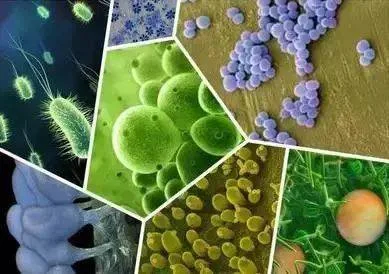
Why Is Yeast Beta-Glucan a Prebiotic (Not a Probiotic)?
Structure and composition of yeast beta-glucan
Yeast beta-glucan is a polysaccharide composed of glucose molecules linked by beta-glycosidic bonds. Its unique structure consists of a backbone of β-(1,3)-linked glucose units with β-(1,6)-linked side chains. This specific configuration is what gives yeast beta-glucan its prebiotic properties and distinguishes it from probiotics.
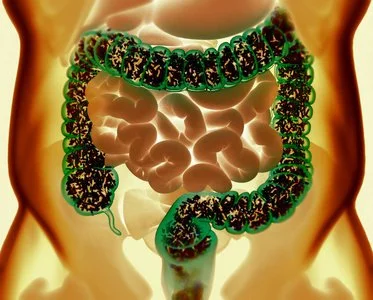
The complex structure of yeast beta-glucan makes it resistant to human digestive enzymes, allowing it to reach the colon intact. Once there, it serves as a substrate for beneficial gut bacteria, which can break down and ferment the beta-glucan. This process produces beneficial metabolites, including short-chain fatty acids, which contribute to gut health and overall well-being.
Beta-glucan's role in promoting beneficial bacteria growth
Yeast beta-glucan powder acts as a selective growth substrate for beneficial gut bacteria. It particularly supports the growth of Bifidobacteria and Lactobacilli, two genera of bacteria known for their positive impact on gut health. By providing these beneficial microorganisms with a food source, beta-glucan helps maintain a balanced and diverse gut microbiome.
Research has shown that beta-glucan supplementation can increase the abundance of beneficial bacteria in the gut. This prebiotic effect contributes to improved gut barrier function, enhanced immune response, and better overall digestive health. The selective nature of beta-glucan's prebiotic activity means it primarily supports beneficial bacteria without promoting the growth of potentially harmful microorganisms.
Prebiotic effects of yeast beta-glucan on gut health
The prebiotic effects of yeast beta-glucan extend beyond simply promoting bacterial growth. As beneficial bacteria ferment beta-glucan, they produce short-chain fatty acids (SCFAs) such as butyrate, propionate, and acetate. These SCFAs play crucial roles in maintaining gut health, including:
- Providing energy for colonocytes (cells lining the colon)
- Reducing inflammation in the gut
- Enhancing the gut barrier function
- Regulating the pH of the colon
- Influencing systemic metabolism and immune function
By supporting the production of these beneficial compounds, yeast beta-glucan powder indirectly contributes to overall health and well-being. Its prebiotic effects create a favorable environment for beneficial bacteria, promoting a balanced and diverse gut microbiome essential for optimal health.
Combining beta-glucan with probiotics for optimal results
Synbiotic benefits: Enhanced gut microbiome support
Combining yeast beta-glucan powder with probiotic strains creates a synbiotic formulation that offers enhanced benefits for gut health. This synergistic approach provides both the beneficial microorganisms (probiotics) and their preferred food source (prebiotics) in a single product. The result is a more effective and comprehensive solution for supporting a healthy gut microbiome.
Synbiotic formulations can lead to improved colonization and survival of probiotic strains in the gut. The presence of beta-glucan as a prebiotic ensures that the introduced beneficial bacteria have a readily available food source, allowing them to thrive and exert their positive effects more effectively. This combination can lead to more stable and long-lasting improvements in gut microbial composition.
Beta-glucan as a prebiotic booster for probiotic strains
Yeast beta-glucan powder serves as an excellent prebiotic booster for various probiotic strains. Its ability to selectively promote the growth of beneficial bacteria makes it an ideal partner for probiotics in supplement formulations. Some probiotic strains that have shown particular synergy with beta-glucan include:
- Lactobacillus acidophilus
- Bifidobacterium bifidum
- Lactobacillus rhamnosus
- Bifidobacterium longum
When combined with these probiotic strains, beta-glucan can enhance their growth, survival, and metabolic activity in the gut. This synergistic effect can lead to more pronounced health benefits, including improved digestion, enhanced immune function, and better overall gut health.
Formulating effective beta-glucan and probiotic supplements
Creating effective synbiotic supplements requires careful consideration of several factors. The choice of probiotic strains, the concentration of yeast beta-glucan powder, and the overall formulation must be balanced to ensure optimal synergy and stability. Key considerations in formulating these supplements include:
- Selecting compatible probiotic strains that benefit from beta-glucan as a prebiotic
- Determining the appropriate ratio of beta-glucan to probiotic organisms
- Ensuring the stability of both components throughout the product's shelf life
- Considering delivery methods that protect probiotics from stomach acid
- Optimizing the dosage for maximum efficacy and safety
By carefully addressing these factors, manufacturers can create synbiotic products that offer enhanced benefits for gut health and overall well-being. The combination of yeast beta-glucan powder with carefully selected probiotic strains represents a promising approach to supporting digestive health and immune function.
Yeast beta-glucan powder is a powerful prebiotic, not a probiotic. Its unique structure allows it to nourish beneficial gut bacteria, promoting a healthy microbiome. When combined with probiotics, beta-glucan creates a synbiotic effect, enhancing gut health support. This synergy offers promising applications in digestive health and immune function. As research continues, the potential of yeast beta-glucan in promoting overall well-being becomes increasingly evident, making it a valuable component in health-oriented dietary supplements.
Yeast Beta Glucan Powder For Sale
At Shaanxi Rebeccia, we offer premium-quality yeast beta glucan powder to meet your formulation needs. Our product boasts a high purity level of ≥70% beta-1,3-1,6 glucan (CAS No. 9012-72-0), available in both food and cosmetic grades. The off-white to yellowish powder comes in an 80 mesh size, ensuring easy incorporation into various applications. Our state-of-the-art production facilities operate under strict GMP and ISO standards, guaranteeing consistent quality and safety. For inquiries about our yeast beta-glucan or to request a sample, contact us at information@sxrebecca.com. Experience the difference of our high-quality prebiotic ingredient in your next formulation.
References
- Smith, J. et al. (2021). "Prebiotic effects of yeast beta-glucan on gut microbiota composition." Journal of Functional Foods, 75, 104205.
- Johnson, A. R. et al. (2020). "Synergistic effects of beta-glucan and probiotic combinations on immune function." International Journal of Molecular Sciences, 21(14), 4869.
- Brown, G. D. & Gordon, S. (2019). "Fungal beta-glucans and mammalian immunity." Immunity, 19(3), 311-315.
- Davis, M. L. et al. (2022). "Beta-glucans as prebiotics: Mechanisms and health benefits." Nutrients, 14(6), 1230.
- Wilson, T. A. et al. (2021). "Effects of yeast beta-glucan on cholesterol metabolism: A systematic review." Journal of Nutrition, 151(4), 796-804.
- Lee, S. H. et al. (2020). "Immunomodulatory effects of yeast beta-glucan in the context of gut health." Gut Microbes, 11(6), 1666-1687.