What is micronized creatine vs creatine monohydrate?
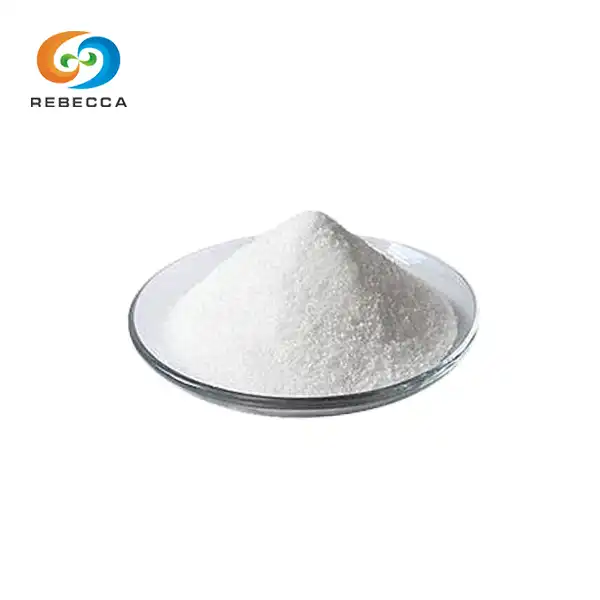
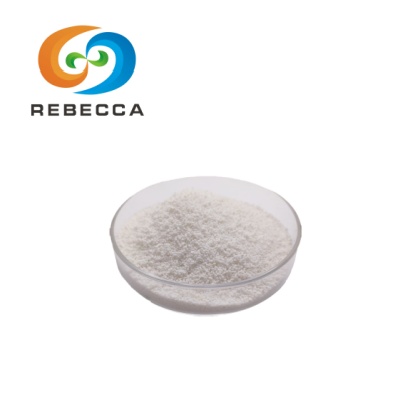
creatine monohydrate ,On sports nutrition labels you’ll often see two words used – micronized creatine and creatine monohydrate. Most people believe they are two entirely separate substances. This is not so in most circumstances. Micronized creatine is basically the same substance , only ground up into tiny bits . The change is not in the chemical structure. It’s the particle size, the mixing performance, the texture and the everyday user experience.
This is an important distinction since purchasers frequently desire a clear response. Should they buy conventional creatine or the micronized form? The simple answer is that the regular monohydrate form has the most science behind it, while micronized powder may be easier to combine and smoother to drink. Micronized creatine is more of a convenience boost, rather than a new or inherently stronger substance.
This page discusses the genuine difference between the two of them. It deals with how creatine works, how particle size impacts mixing, what we can say about absorption and how consumers or supplement companies may choose the proper choice.
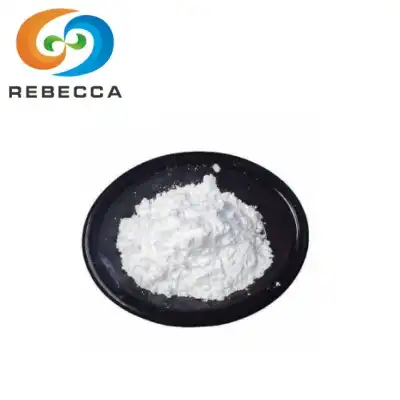
Full Name: β-Nicotinamide Mononucleotide
Abbreviation: β-NMN
CAS No. : 1094-61-7
Raw Material & Synthesis Route: Chemical enzymatic synthesis using nicotinamide riboside, ribose and phosphate as starting materials; multi-step purification via ultrafiltration & recrystallization
Core Active Marker: β-NMN
Main Specifications: 98%, 99% HPLC
Appearance: White crystalline fine powder, slight characteristic odor
Available Certifications: ISO22000, cGMP, HACCP, HALAL, KOSHER, COA & SDS per batch
Basic cognition of creatine: from structure to physiological value
What creatine is and why it matters
Creatine is a natural chemical found mostly in skeletal muscle. The body can synthesize it from amino acids. It is also present in meals such as meat and fish. However, for those involved in rigorous training, dietary intake may not be enough to sustain increased muscle creatine reserves. This is one reason creatine monohydrate has become so popular in sports nutrition.
Creatine enhances the body’s quick energy system. Muscles utilize ATP fast during hard lifting, running, leaping, or repeated high-intensity exercises. The immediate source of energy for muscular contraction is ATP. Creatine helps replenish ATP by boosting phosphocreatine reserves. This makes it good for repeated brief spurts of exertion.
It’s crucial to know what creatine can and can’t accomplish. It does not act as a stimulant. It’s not a substitute for sleep, nutrition or exercise. It works best if users are already on an organized fitness schedule. Regular usage of creatine monohydrate may be beneficial for strength, power, lean mass and training quality.
The core mechanism of creatine
Part of the body’s creatine intake is kept in the muscles in the form of free creatine and phosphocreatine after supplementing. Phosphocreatine helps re-cycle ATP during periods of brief, intensive exercise. That’s why creatine monohydrate is a staple for athletes active in strength training, sprinting, leaping and team sports.
Usually the impact is not about a single exercise. It’s more about quality of repeated training over time. Better phosphocreatine availability may enable users to retain performance throughout repeated sets or high-effort sessions. That may help for greater adaption after weeks of training.
Some users also report body weight changes while commencing creatine. This is generally associated with more water being held within muscle cells. It is different from fat gain. This may be good for folks who want to grow muscle. It has to be well designed for weight class athletes.
Why the monohydrate form is the reference standard
The monohydrate form is regarded the reference standard, since much of the human research on creatine has been done with it. When scientific evaluations mention creatine advantages for strength, repeated performance or lean mass, the data is generally for creatine monohydrate. So it has a better evidentiary foundation than a lot of the new fangled varieties.
Other types include hydrochloride, citrate, nitrate, buffered creatine and pyruvate. Some are promoted as more sophisticated. But sophisticated marketing doesn’t automatically equate to greater proof. For most consumers, the normal monohydrate form is still a viable first option.
In this regard, micronized creatine is important to understand. It’s not normally a novel molecule. It's the same substance, but with a higher physical grade. The biggest benefit is the drinking experience, such as a smoother texture and easy mixing.
Once the primary identity is known the following question is easy. If the active substance is very much the same, why do the powders feel different? Particle size is the key answer.

Differences in physical properties: the core difference between particle size and solubility
Processing process: from original crystallization to micronization
Standard creatine powder is generated as a crystalline substance. After manufacture to the supplier’s standard it is dried, milled and sieved. The resulting powder may have different particle sizes. others grades are coarse, others are finer. This means that standard grade creatine monohydrate may feel different from brand to brand.
Micronized creatine is creatine that has been processed to further decrease the particle size. This technique makes the powder much finer. It does not ordinarily convert the substance into another chemical form. It is designed to increase physical handling, dispersion and mouthfeel.
That difference is vital in good writing. It is best to explain that micronized creatine is a finer grade and not a whole new component. That language is more exact and doesn’t oversell.
Particle size and user experience
The size of the particles determines the way powder will react in water or a sports drink. A coarser powder could feel gritty. It can settle to the bottom of the cup. It may also leave residue on the wall of a shaker cup. That’s not necessarily a sign of bad quality merchandise. It may just be the normal action of creatine monohydrate in fluids.
Micronized powders tend to scatter more uniformly. It might make it seem less gritty in the mouth and more slick, which some people don’t enjoy. This may be particularly useful for persons taking creatine with simple water or a modest volume beverage.
Consistency is comforting to plenty of shoppers. A supplement works only if individuals take it frequently. “If a smoother powder helps the users to be consistent, it can be of real practical value.”
Solubility comparison: the practical advantage of micronized powder
Many papers claim that micronized creatine “dissolves better.” This has to be worded properly. Creatine monohydrate has low solubility in water. Smaller particles may disperse quicker and feel smoother, but they don’t necessarily affect the real solubility of the chemical all that much.
What is more correct is that generally the dispersibility of micronized powder is better. It combines quicker, doesn’t feel as gritty, and may leave less visible sediment. These advantages are excellent for drink powders, pre-workout formulations, protein shakes and everyday sports nutrition products.
Temperature also has a role on customer satisfaction. Regular powder may blend easier in warm water than in cold. The micronized powder would work better in cold drinks since the smaller particles are easier to disperse.
|
Comparison Point |
Standard Creatine |
Micronized Creatine |
|
Chemical identity |
Usually creatine monohydrate |
Usually the same ingredient in a finer grade |
|
Main difference |
Regular particle size |
Smaller particle size |
|
Mixing experience |
May feel gritty or settle faster |
Usually smoother and easier to disperse |
|
Evidence base |
Strongest research support |
Main benefit is user experience unless direct data proves more |
|
Best for |
Most users and cost-sensitive formulas |
Users who care about texture and quick mixing |
The reason micronized creatine feels different in a shaker is particle size. Many people also wonder whether it works better in the body. That's a question that demands a more serious solution.
Absorption and Bioavailability: The Key Logic of Efficiency Differences
How creatine is absorbed and stored
When you consume creatine, it moves throughout the digestive system and into the blood stream. From there it may be carried to tissues such as skeletal muscle. Diet, baseline creatine levels, exercise state, muscle mass, dose and consistency all have a role in how much you retain in muscle. There is already some good human research on creatine monohydrate in this area.
If you consume little meat or fish you may have a poor dietary intake of creatine. They may be responsive to supplements. It could help even if you currently consume a lot of meat, although the boost may be less. This is why outcomes might differ from person to person.
Better to be consistent than timely. You don't have to take Creatine just before exercising. Many users do it, and it’s simple to remember to take with a meal, in a shake or after exercising.
Does micronized creatine improve bioavailability?
This is when some articles go too far and become excessively promotional. Micronized powder mixes better and disperses quicker in the liquid. Those are valid claims. However, increased dispersion does not always indicate higher bioavailability, more muscle uptake or better performance results than creatine monohydrate.
Bioavailability is the percentage of an active substance that the body can really utilize. A more relevant topic is whether creatine increases muscle reserves and enhances training performance. There is already good evidence of these results with standard creatine.
If a product is advertized as having better absorption, the company should be able to provide you real human data to prove it. The research should compare equivalent dosages, describe how the test was done and demonstrate relevant findings. In the absence of such proof, it is safer to concentrate on enhanced mingling and drinking experience.
Practical dosage and use
Creatine is often used in two methods. The first way is loading. A common loading phase is 20 grams per day for 5 to 7 days, split into smaller meals. Usually after that people would use 3-5 grams a day as maintenance dose. This is one way to get your muscle reserves up quicker.
The second way does not need loading. From the outset users take 3 to 5 grams a day. It’s a basic approach and could be easy on the stomach. It may take a little longer to fill up shops, but it works well for a lot of people.
Micronized powder is often given at the same dosage. The serving size should relate to the quantity of creatine monohydrate per serving, not the particle size. Not that consumers require less of a fine powder.
Science explains why creatine works. The physical comparison illustrates the differing sensation of powders. The last stage is the practical one: how should customers and brands decide between the two?

Taking experience and tolerance: comparison of gastrointestinal reactions and convenience
Gastrointestinal tolerance and daily comfort
Creatine usage is typically well tolerated in healthy individuals when taken appropriately. Some people may still have bloating, stomach pain or loose stools. Such problems are more probable if a person takes a big single dose, has a loading phase, consumes the powder on an empty stomach, or drinks too little water.
The micronized powder may be simpler to swallow as it disperses more easily. This may enhance comfort for certain people. But tolerance is individual. If any pain is experienced the single serving size may be reduced, taken with meals or the loading period skipped.
Mix creatine monohydrate fresh and consume shortly after mixing. This makes the procedure easy and leads to a better drinking experience.
Convenience in different supplement formats
Creatine supplements come in many different forms. These include single ingredient powders, pre-workout blends, post-workout formulae, protein powders, capsules, tablets and drink mixes. The optimal grade varies depending on the product format and intended user.
Standard creatine monohydrate is well suited for cost-effective formulations and basic powder solutions. If a smooth texture and rapid dispersion are needed, the micronized powder is frequently preferred. This makes it a valuable addition to flavored beverages and premium sports nutrition mixtures.
For manufacturers, particle size may also impact output. Very fine powders may enhance mouthfeel, but may need consideration of flowability, dusting and mixing consistency. Testing a sample in the actual formula is always a good idea.
How to choose between the two
The initial option for most people is ordinary creatine. It’s inexpensive, familiar, and well-supported by research. If the product blends well enough, and the user is consistent, there may be no need to change.
Micronized powder is ideal for those who don’t like gritty texture. It could also be advantageous to those who combine vitamins with cold water or tiny beverages. It’s up to you to decide whether the better experience is worth the additional price.
Always measure quality in the choice. A decent creatine monohydrate product should be clearly labeled with purity information and batch control and testing paperwork.
If you’re formulating a sports nutrition product, finding the correct creatine source is essential. In addition to purity standards, ingredient should also be compatible with your product format, target market and mixing demands.
Rebecca Bio-Tech provides creatine monohydrate powder to supplement manufacturers, formulators and distributors. If you require a standard grade for cost-effective items or a finer grade for a better drinking experience, you may request samples and product specifications.
Test the powder in your actual application before you buy in bulk. Observe the look, flowability, blending behavior, flavor, texture, and mixability. Request COA, specs, batch details, and possible particle-size alternatives.
Request a free sample or product spec:
Email: information@sxrebecca.com
Conclusion
The distinction between micronized creatine and ordinary creatine is mostly a physical, rather than chemical, one. Micronized powder often refers to the same component having been ground into tiny particles. This may be helpful with dispersion, texture and ease of drinking.
For most consumers, creatine monohydrate is still the best place to start. It’s been thoroughly researched, works and doesn’t cost much. In the micronized powder it might be a nice boost for those who don’t like sediment or gritty texture.
The fairest and simplest explanation of the parallel is: The strongest evidentiary foundation is for the standard powder. The micronized powder increases the sensation of usage. Both may be valuable, if used for the correct reason.
FAQ
1. Are they the same stuff?
Yes in many goods. Micronized creatine commonly refers to micronized creatine monohydrate.
2. Does the micronized version work better?
No, not by itself. It may blend better and feel smoother, but that does not mean greater results per gram
3. Which one is suitable for a beginner?
Most beginners can use a typical, well-tested product. If texture is a concern, a micronized grade may be simpler to work with.
4. How much should users take each day?
Many healthy folks take 3-5 grams each day. Some people begin with a brief loading period and then go to a daily maintenance dosage.
5. Why do ordinary powders leave residue?
The substance has low water solubility. Fine particles may decrease the gritty sensation, but not all drinks will be able to totally dissolve them.
6. Is it safe?”
Creatine monohydrate is typically safe for healthy individuals when used correctly. Individuals with a medical issue should consult a health care expert first.
References
1. Kreider, R. B., Kalman, D. S., Antonio, J., et al. International Society of Sports Nutrition position stand: safety and effectiveness of creatine supplementation in exercise, sport, and medicine. Journal of the International Society of Sports Nutrition 14:18. 2017. DOI 10.1186/s12970-017-0173-z
2. Kerksick, C. M., Wilborn, C. D., Roberts, M. D., et al. ISSN Exercise & Sports Nutrition Review Update: Research & Recommendations Journal of the International Society of Sports Nutrition. 2018;15:38. DOI: 10.1186/s12970-018-0242-y.
3. Maughan, R. J., Burke, L. M., Dvorak, J. et al. Consensus declaration from the IOC expert meeting on dietary supplements and the elite athlete. British Journal of Sports Medicine, 2018, 52(7): 439-455. DOI: 10.1136/bjsports-2018-099027
4. Hultman, E., Sderlund, K., Timmons, J. A., Cederblad, G., & Greenhaff, P. L. Muscle creatine loading in males. J Appl Physiol 1996;81:232-7. 10.1152/jappl.1996.81.1.232.
5. Jäger, R., Harris, R. C., Purpura, M., & Francaux, M. Creatine in novel forms to increase plasma creatine. Journal of the International Society of Sports Nutrition 2007, 4:17. DOI: 10.1186/1550-2783-4-17
6. Kreider, R. B., Stout, J. R., Antonio, J. et al. Creatine and related compounds: bioavailability, effectiveness, safety and regulatory status. A comprehensive review Nutrients 2022, 14(5), 1035. DOI: 10.3390/nu14051035.