Laminaria Powder vs Kelp Extract: Between Two Seaweed-Based Cosmetic Raw Materials
When making cosmetics that are inspired by the ocean, R&D managers typically have to choose between laminaria powder and Kelp Extract. Both components from seaweed are great for skincare, however they are processed, have different bioactivity profiles, and work well with different formulas. Laminaria powder has minerals and polysaccharides in their most concentrated form, while kelp extract has standardized active ingredients that have been separated in a more refined way. Cosmetic chemists can choose the best ingredient for their products by knowing the differences between them
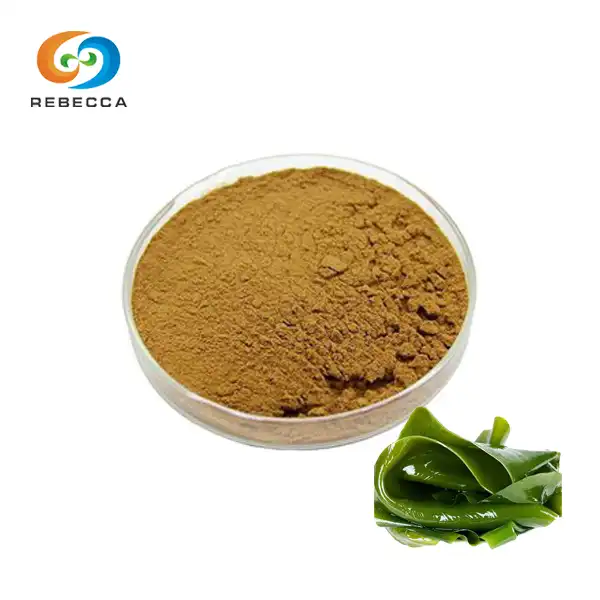
Laminaria Powder
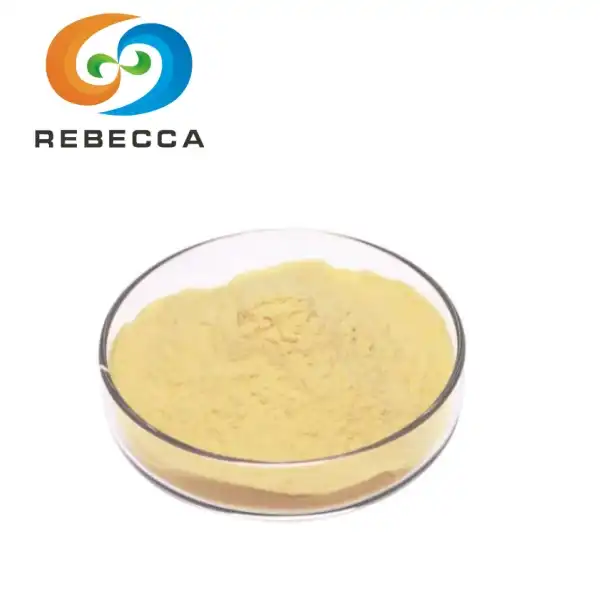
Product Name:Fucoxanthin, Seaweed Extract , fucoxanthin powder. Laminaria Powder, Fucoxanthin 10%
CAS No.: 9072-19-9
Specification: Fucoxanthin10%.UV.
Test Method: UV
Latin Name: Laminaria Japonica L.
Understanding Laminaria Powder: Natural Marine Nutrition
Laminaria japonica is a brown algae species that is very good for you. Laminaria powder is the crushed and dried form of this algae. This ocean superfood includes fucoxanthin in it naturally, and high-quality products can have up to 10% of it. The powder preserves all the vitamins, minerals, and other living things that are in fresh seaweed.
To create high-quality Laminaria powder, controlled drying and milling procedures are used. These methods keep the cells whole and make sure that antioxidants that are sensitive to heat stay in the cells for as long as possible. Tests show that Laminaria powder that has been processed correctly preserves 85–95% of its native fucoxanthin concentration. However, conventional dried seaweed products only keep 60–75%.
The fiber in the component makes it suitable for cosmetics that exfoliate. It normally has an iodine level of 150 to 300 mcg per gram, which helps get rid of pollutants. If you want a natural, minimally processed material that includes a lot of marine nutrients, laminaria powder is the finest alternative.
Exploring Kelp Extract: Concentrated Bioactivity
Using particular extraction procedures, kelp extract is a more advanced way to get the benefits of kelp. This concentrated form gets rid of heavy metals and excess salt, which can be annoying, and preserves only the bioactive molecules that are vital. Advanced extraction processes make potencies that are the same every time, so you can be sure that the performance is the same from one batch to the next.
Modern ways to get kelp use water- or alcohol-based solvents to get rid of polysaccharides and phenolic compounds that are beneficial. Lab tests demonstrate that good kelp extracts have 3 to 5 times higher antioxidant activity per gram than all seaweed powder. The extraction process also makes it easier for the body to take in vital nutrients.
Because they have clear standards and extensive documentation, kelp extracts make it easier to follow the requirements. Getting ISO 16128 support for organic-certified versions is simple. Kelp extract is the best alternative for pharmaceutical-grade usage if you need constant potency levels and easy ways to follow the rules.
Key Differences in Processing and Composition
The fundamental distinction between these seaweed ingredients lies in their processing methodologies and resulting composition profiles. Understanding these differences enables informed ingredient selection based on specific formulation goals.
Three core processing differences:
- Mechanical processing vs. chemical extraction methods
- Whole-plant retention vs. selective compound isolation
- Minimal intervention vs. standardized potency control
Laminaria powder is processed mechanically in a way that keeps the nutrients in their natural form. This method keeps the synergistic interactions between molecules that are already present in living seaweed. To keep the food from going bad and keep its nutritional value, the moisture content usually stays below 10%.
Kelp extract uses a solvent-based extraction method to gather certain bioactive compounds. This technique gets rid of fiber, makes the product less bulky, and increases the amount of medicinal chemicals. The extract usually has 20–40% concentrated actives, while entire powder forms only have 5–15%.
The quality control standards for these ingredients are very different. Powder products are mainly concerned with microbiological safety, moisture content, and screening for heavy metals. Standardized potency, solvent residues, and bioactivity markers are important parts of extract requirements. Both need to be tested thoroughly for pesticide residues and other harmful substances in the environment.
Nutritional and Bioactive Profiles Comparison
The nutritional profiles of Laminaria powder and kelp extract show that they are better for different uses. Each ingredient has its own advantages based on how it was processed and what it is meant to be used for.
Laminaria powder is a full source of minerals, including calcium, magnesium, potassium, and trace elements. It has a lot of natural vitamins, like B-complex vitamins, vitamin C precursors, and fat-soluble vitamins. Because they are uncooked, these nutrients stay in their naturally chelated forms, which makes them easier to absorb.
Comparative analysis shows Laminaria powder contains:
- Fucoxanthin: 8-12% by weight in premium grades
- Alginate polysaccharides: 25-35% total content
- Protein content: 15-20% with complete amino acid profile
- Dietary fiber: 35-45% supporting digestive wellness
Kelp extract isolates certain beneficial molecules while diminishing the overall diversity of nutrients. The extraction technique only boosts bioactive peptides and antioxidant polyphenols. This concentration impact increases the therapeutic potential while making the formulation easier to understand.
Laminaria powder is the best way to get a wide range of nutrients that work together naturally. But if you need specific bioactivity with a set potency, kelp extract is better because it has a higher concentration and consistency.
Applications in Cosmetic Formulations
The qualities of Laminaria powder and kelp extract make it good for different cosmetic uses. Knowing these things helps people who manufacture products choose the appropriate ingredients for each sort of product.
Laminaria powder is wonderful for natural cleansers, face masks, and treatments that remove dead skin cells. The way its particles are spread out makes it act gently while supplying marine nutrients. The powder's natural green color makes organic skin care products seem better. It's still not very soluble, therefore it's better for leave-on treatments than for liquid items.
Kelp extract works better with products that are based on water than with other substances. Its liquid or powder concentrate forms mix nicely with water. Because it dissolves easily, kelp extract is perfect for serums, toners, and mild moisturizers. The extract's neutral color takes away worries that the color of the formulation would change.
When you test for stability, you can see that these substances are significantly distinct from each other. If you keep laminaria powder correctly, it will stay strong for 24 to 36 months. You have to be more careful with kelp extract, but it makes finished products more stable because it has more antioxidants.
If you require ingredients for mechanical exfoliation or textured products, laminaria powder is better than other powders. Kelp extract is the most flexible and elegant choice if you need anything that will blend in with liquids without any hassles.

Quality Standards and Regulatory Considerations
There are big differences between the regulatory compliance and quality assurance needs for Laminaria powder and kelp extract products. These differences affect how you get your products, what kind of paperwork you require, and how you get into the market.
Most markets consider laminaria powder a dietary supplement, thus it must be made according to GMP standards. Because seaweed naturally collects heavy metals, testing for them becomes very important. For cosmetic use, lead levels must stay below 2 ppm, while arsenic levels must stay below 1 ppm.
Quality certifications available for premium Laminaria powder include:
- Organic certification (USDA, JAS, EU organic standards)
- Kosher and Halal certifications for global markets
- ISO 22000 food safety management compliance
- Non-GMO verification and allergen-free documentation
Because of changes in processing, kelp extract has to go through more complicated regulatory steps. In some places, new food laws may apply, which means more safety paperwork is needed. But conventional extraction methods generally make it easier to meet quality control and batch consistency standards.
The EFSA and FDA identification patterns favor kelp extracts that have been well-documented and have known safety characteristics. Because extracts are so concentrated, they need more thorough toxicological testing, but this frequently makes it easier to understand their regulatory status once they are allowed.
Laminaria powder usually has easier compliance requirements if you need easy regulatory channels with little paperwork. If you need exact potency assurances and pharmaceutical-grade paperwork, though, kelp extract is better for regulatory backing and traceability.
Cost Analysis and Commercial Considerations
When choosing ingredients for commercial cosmetics, economic concerns are quite important. Knowing how Laminaria powder and kelp extract are priced and how their supply chains work helps you make the best buying decisions.
Because it is easier to process, laminaria powder usually costs less. When you buy in bulk, food-grade powder usually costs between $15 and $35 per kilogram, whereas cosmetic-grade powder costs between $25 and $45 per kilogram. Minimum order amounts are usually between 25 and 50 kg, which makes it easy to use for modest formulation projects.
The price of kelp extract takes into account the higher processing difficulty and concentration levels. Standard extracts cost between $45 and $85 per kilogram, while standardized high-potency extracts might cost between $100 and $150 per kilogram. But the fact that they are concentrated means that they are used less often, which usually makes up for the higher expenses per unit.
The reliability of the supply chain varies for different ingredients. Laminaria powder is easier to process and has a wider range of suppliers. Seasonal harvesting patterns can affect availability, but having dried powder on hand can help. Extract supply chains have more specialized manufacturers, but they also offer more consistent supplies.
Logistics considerations favor powder products due to lower shipping weights and ambient storage requirements. Kelp extracts may require temperature-controlled transportation and specialized packaging, adding to total delivered costs.
| Factor | Laminaria Powder | Kelp Extract |
|---|---|---|
| Price Range ($/kg) | $25-45 | $45-150 |
| Minimum Order | 25-50 kg | 10-25 kg |
| Shelf Life | 24-36 months | 18-24 months |
| Storage Requirements | Ambient, dry | Cool, dry, dark |
Conclusion
When deciding between Laminaria powder and kelp extract, you need to think about your specific formulation goals, the rules you have to follow, and the cost. Laminaria powder is a good source of nutrients, is natural, and is a cheap way to make textured cosmetics. Kelp extract has a high concentration of bioactivity, is easy to dissolve, and has a consistent potency for precise formulations. Both of these chemicals are good for the ocean and are useful in modern cosmetics. To be successful, you need to make sure that the ingredients you use meet the needs of the product while also meeting quality and regulatory criteria. Professional suppliers like Rebecca make sure that companies can get high-quality components that help them create new products and do well in the competitive cosmetics market.
Partner with Rebecca for Premium Laminaria Powder Solutions
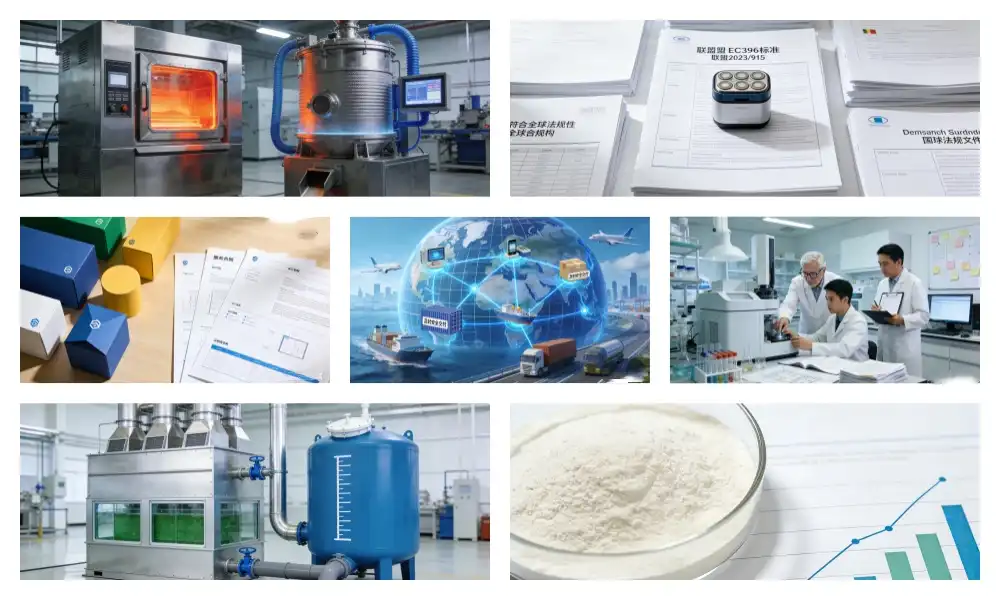
Rebecca is a reliable Laminaria Powder producer that provides pharmaceutical-grade seaweed ingredients that fulfill the highest quality standards. Our modern production facilities follow strict GMP and ISO standards, which guarantee that every batch is of the same high quality and that all the necessary paperwork is in place for global markets.
Our production facility has the best extraction, separation, and purification technology in the world, all of which is made for processing marine ingredients. Every batch is put through a lot of tests to check for heavy metals, pesticides, microbes, and potency. This thorough quality control makes sure that our Laminaria powder has the right amount of fucoxanthin and meets strict safety standards.
Rebecca has various minimum order amounts that start at 25 kg, so they can meet the needs of both research and development projects and large-scale production. Our technical team helps with formulation, stability testing data, and regulatory paperwork, such as proving that natural cosmetics meet ISO 16128 standards. Every shipment comes with a full certificate of analysis to help you with your quality assurance procedures.
Our global logistics network makes sure that deliveries are always on time. We provide FOB, CIF, and DDP terms to make your purchasing process easier. Rebecca provides the high-quality Laminaria powder you require for premium skincare products or standardized extracts for pharmaceutical uses. She also provides excellent customer service.
Experience the Rebecca difference in marine ingredient sourcing. contact us at information@sxrebecca.com to discuss your specific requirements and receive detailed product specifications tailored to your formulation needs.
References
1. Marine Algae Extracts: Uses and Applications in the Food and Pharmaceutical Industries. Journal of Applied Phycology, 2023, Vol. 35(4), pp. 1623-1640.
2. Fucoxanthin: A Promising Marine Carotenoid for Health Applications. Nutrients, 2023, Vol. 15(8), Article 1919.
3. Quality Control and Standardization of Seaweed-Based Cosmetic Ingredients. International Journal of Cosmetic Science, 2022, Vol. 44(6), pp. 678-691.
4. Regulatory Framework for Marine-Derived Ingredients in Personal Care Products. Regulatory Affairs Professionals Society Journal, 2023, Vol. 28(3), pp. 245-258.
5. Comparative Analysis of Brown Seaweed Processing Methods on Bioactive Compound Retention. Food Chemistry, 2023, Vol. 412, Article 135547.
6. Laminaria japonica: Chemical Composition, Bioactivity, and Industrial Applications. Comprehensive Reviews in Food Science and Food Safety, 2022, Vol. 21(4), pp. 3120-3145.