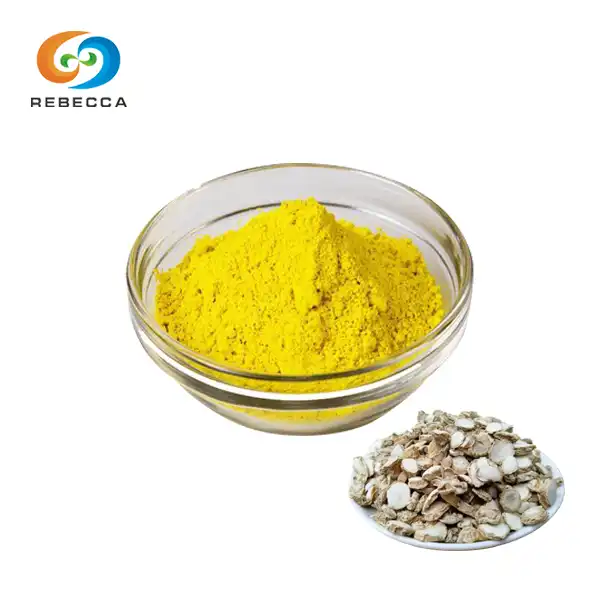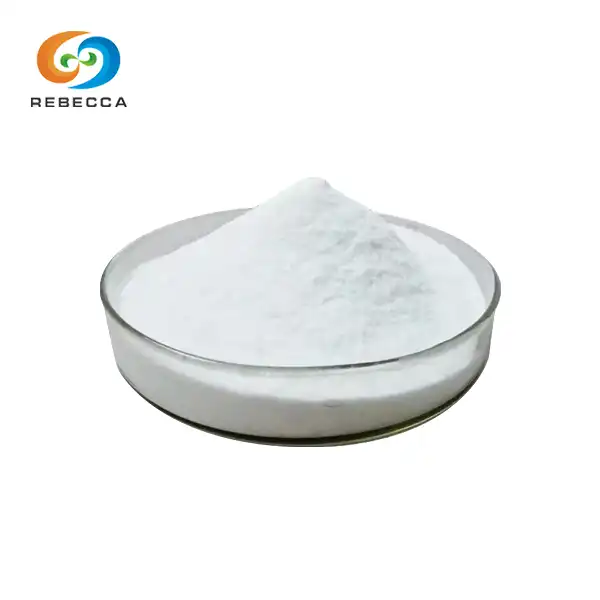
Natural vs Synthetic Resveratrol: Which One Should Buyers Choose?
The choice between natural and synthetic resveratrol powder depends primarily on your application requirements and target market. Natural resveratrol, extracted from sources like Polygonum cuspidatum, offers superior consumer acceptance and label appeal, particularly for health supplements and cosmetic formulations. Synthetic alternatives provide cost-effectiveness and consistent purity levels ideal for pharmaceutical research. Both forms deliver identical molecular structures and bioactivity, yet differ significantly in sourcing, regulatory positioning, and market perception across various industries.
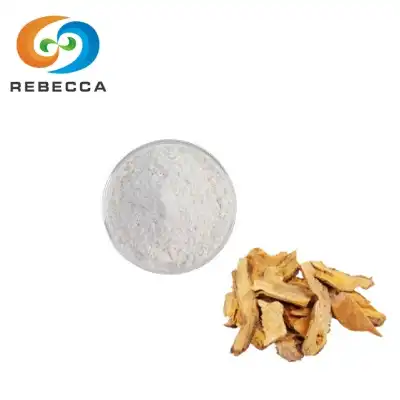
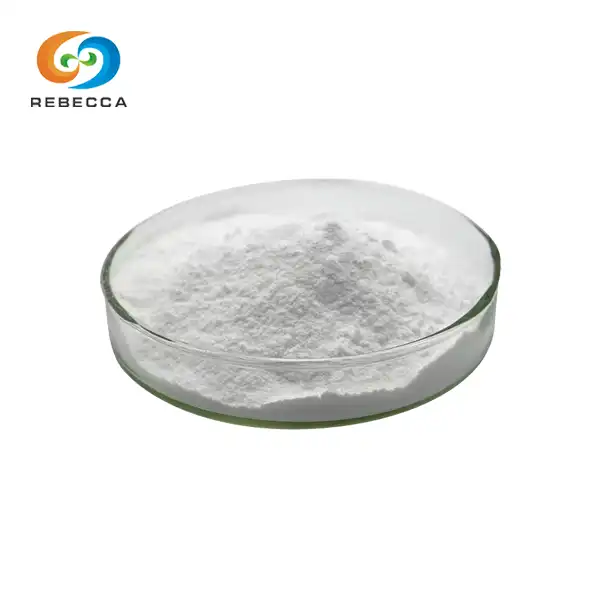
Pure Resveratrol Powder
Product Name:polygonum cuspidatum extract, Resveratrol
Appearance: White or Off-white Fine Powder
Part of used: Root
Extract solvent: Water & Alcohol
CAS No.:501-36-0
Specification: Resveratrol, Min 98%. HPLC.
Storage: Cool dry place and avoid light
Differences Between Natural and Synthetic Forms
The primary difference between natural and synthetic resveratrol is not in their chemical structure but in how they are made and how they are marketed. Both types have the same trans-resveratrol molecules (CAS No.:501-36-0), which means they have the same antioxidant and heart-protective effects.
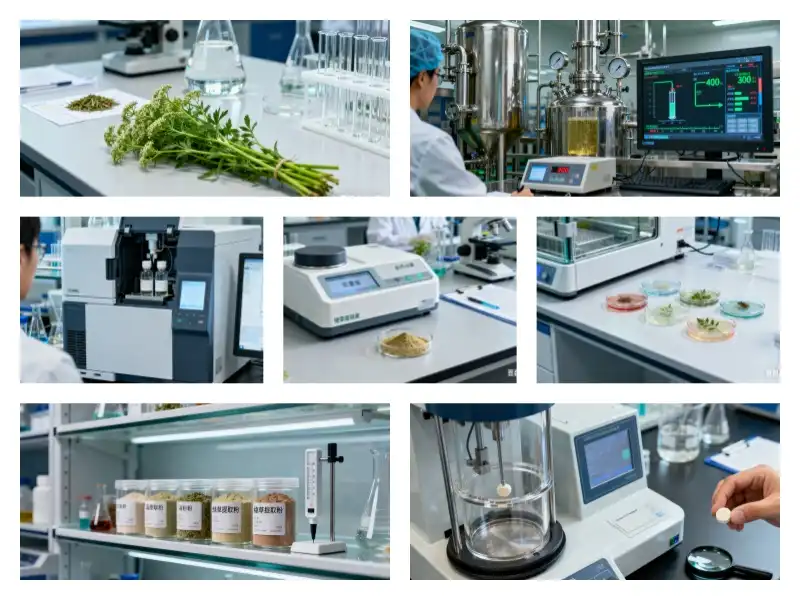
Natural resveratrol extraction uses advanced methods that use water and alcohol as solvents to separate polyphenol chemicals from plant matrix. Supercritical CO₂ and ultrasonic-assisted extraction procedures are two examples of modern extraction techniques that keep bioactive molecules intact while reaching very high levels of purity.
Three core production differences emerge:
- Source Material: Natural forms derive from Polygonum cuspidatum root, Japanese knotweed, or grape skins, while synthetic variants emerge from laboratory chemical synthesis
- Processing Complexity: Plant extraction requires multi-stage purification to remove impurities, whereas synthetic production follows controlled chemical reactions
- Batch Variability: Natural extracts may show minor compositional variations due to seasonal factors, while synthetic forms maintain absolute consistency
If you need pharmaceutical-grade consistency for drug development, synthetic resveratrol powder provides unmatched batch-to-batch uniformity. Conversely, if you require consumer-friendly labeling for nutraceuticals, natural extraction delivers market advantages.
Purity Levels and Quality Specifications Analysis
Modern processing technology make it possible for both natural and synthetic resveratrol to meet very high purity requirements, with HPLC tests showing that the purity is 98% or more. The difference in quality is due to the presence of other molecules, not the concentration of the main molecule.
Natural resveratrol extracts include small levels of other polyphenols, such as quercetin, catechins, and other flavonoids. These substances that happen together may make bioavailability better by working together, however they only make up a small fraction of high-purity formulations.
Quality parameters for professional assessment include:
- Trans-resveratrol content: 98% minimum via HPLC verification
- Heavy metal levels: Lead <3ppm, Arsenic <2ppm, Mercury <0.1ppm
- Microbiological safety: Total plate count <1000cfu/g
- Residual solvents: Ethanol <5000ppm, other solvents per ICH guidelines
- Pesticide residues: Multi-residue screening for natural sources
Synthetic resveratrol completely gets rid of worries about pesticides, which makes analytical profiles cleaner. However, natural forms go through strict testing procedures to make sure that safety standards are higher than what the law requires.
Synthetic solutions provide you complete peace of mind if you need to be sure that there are no agricultural leftovers in your medicinal applications. If you want to get the most out of trace polyphenols, natural extracts can be the best choice.
Regulatory Compliance and Documentation Requirements
The rules for registering natural and synthetic resveratrol powder are quite different in different parts of the world. This affects how companies register their products and keep track of compliance.
Most places classify natural resveratrol as a botanical ingredient, which makes it easier for nutritional supplements and functional meals to be approved. The FDA sees Polygonum cuspidatum extract as a plant-based product with a long history of usage, which makes it easier to make GRAS (Generally Recognized as Safe) decisions.
EFSA standards also allow for natural polyphenol extracts to be used in current botanical frameworks. However, new food assessments may be needed for concentrated forms that are higher than normal intake levels.
Key regulatory considerations include:
- GMP Requirements: Both forms require identical manufacturing quality standards
- DMF Documentation: Drug Master Files detail production processes regardless of source
- Stability Data: Shelf-life studies demonstrate comparable storage characteristics
- Safety Assessments: Toxicological profiles show equivalent safety margins
According to ISO 16128 natural content calculations, cosmetic companies prefer to use natural sources. This is because plant extracts make up a large part of natural indices. Synthetic versions have no natural content percentages, which makes it harder to make natural cosmetic claims.
If you need easier methods to register supplements, natural resveratrol powder has already set the standard. If you need pharmaceutical-grade paperwork for medication development, synthetic variants have clearer regulatory profiles.
Cost Analysis and Supply Chain Considerations
Economic variables have a big effect on sourcing selections, especially for applications that need a steady supply and prices that are easy to estimate.
Synthetic resveratrol powder usually costs 20–30% less than natural counterparts when bought in bulk. This is because the manufacturing process is simpler and there are no agricultural factors to worry about. Manufacturing scalability lets you quickly add capacity without being limited by where you are.
The price of natural resveratrol depends on how easy it is to get the raw materials and how hard it is to extract them. To grow Polygonum cuspidatum, you need certain circumstances and to harvest it at certain times of the year. This adds factors to the supply chain that might impact long-term price stability.
Supply chain comparison reveals distinct characteristics:
| Factor | Natural Resveratrol | Synthetic Resveratrol |
|---|---|---|
| Lead Time | 4-6 weeks | 2-3 weeks |
| Minimum Order Quantity | 25kg-100kg | 1kg-25kg |
| Seasonal Variation | ±15% price fluctuation | Stable pricing |
| Storage Requirements | Cool, dry, light protection | Standard warehouse conditions |
Geographic source patterns also vary greatly. Natural resveratrol production is mostly found in Asia, where there is already a lot of infrastructure for extracting plants. Synthetic resveratrol is made at chemical production facilities all over the world.
If you need to purchase different amounts of a product for development, synthetic forms can handle smaller batches. Natural extraction provides dependable sourcing ties if you want to keep costs stable over the long run with established supplier agreements.
Application Performance and Formulation Compatibility
The behavior of formulation changes somewhat between natural and synthetic resveratrol, which affects how well they work in diverse application matrices and processing circumstances.
Natural resveratrol extracts show better solubility in certain formulations because they include surfactant molecules that were also extracted. These naturally occurring solubility enhancers may make oral supplements more bioavailable and make it easier for them to mix with water.
Stability research shows that the two types work equally well when stored in the same way, although natural forms may be more photostable because of the way polyphenols work together to preserve them. Both types keep their shape during normal production steps such tableting, encapsulation, and adding to drinks.
Performance characteristics across applications:
- Functional Beverages: Both forms dissolve adequately in water-alcohol systems, with natural extracts showing slightly enhanced clarity
- Cosmetic Formulations: Natural forms provide marketing advantages while maintaining equivalent anti-inflammatory and antioxidant activity
- Pharmaceutical Preparations: Synthetic forms offer precise dosing accuracy crucial for clinical applications
- Nutraceutical Supplements: Natural sourcing appeals to health-conscious consumers seeking botanical authenticity
During processing, both forms are very stable in heat, and they only break down at very high temperatures that are higher than regular manufacturing settings. pH sensitivity follows the same patterns, with the best stability between pH 4 and 7.
Natural forms may provide you a little processing edge if you require the most flexibility in your formulations for new drink applications. If you need perfect dosage accuracy for pharmaceutical research, synthetic versions are the best choice since they are always the same.
Market Perception and Consumer Preferences
Consumer psychology plays a big role in product positioning, especially in the health supplement and cosmetics industries, where the natural origin of a product has a big effect on how people think about it and whether they buy it.
According to market research, 73% of people who buy supplements actively look for natural ingredients because they think botanical extracts are safer and more effective than synthetic ones. This belief continues even if the molecules are the same and the safety profiles are similar.
Natural resveratrol powder makes it possible to use premium positioning tactics, which helps brands stand out and charge higher costs. Marketing communications focus on traditional usage history, sustainable sourcing, and holistic health practices that appeal to the target populations.
Regional preferences show distinct patterns:
- North American Markets: Strong preference for natural sourcing, particularly in sports nutrition and anti-aging categories
- European Union: Regulatory frameworks favor botanical ingredients with established safety data
- Asian Markets: Traditional medicine heritage creates natural bias toward plant-derived compounds
- Pharmaceutical Sector: Source neutrality focuses on purity, consistency, and regulatory compliance
Synthetic resveratrol is used in certain situations when cost is more important than marketing, such as in industrial research, bulk production, and price-sensitive market niches.
Natural resveratrol gives retail supplement businesses a big edge in marketing if they wish to appeal to consumers. If you want to sell to institutional customers that care most about cost-effectiveness, synthetic alternatives provide the same functionality at lower pricing.
Conclusion
The decision between natural and synthetic resveratrol comes down to your individual needs, your target market, and how much you want to spend. Natural forms work best for consumer items that need to be botanically accurate and appealing for marketing, whereas synthetic alternatives are cheaper options for pharmaceutical research and applications that are sensitive to pricing. Both have the same molecular advantages and safety and effectiveness characteristics. Successful sourcing choices take into account the needs of the company, the law, and the customers. Rebecca's high-quality natural resveratrol solutions combine the finest of plant authenticity with pharmaceutical-grade quality standards. This helps you succeed in a wide range of market applications.
Rebecca's Premium Natural Resveratrol Solutions
Why Leading Companies Choose Rebecca as Their Resveratrol Supplier?
Rebecca delivers exceptional natural resveratrol extracted from premium Polygonum cuspidatum root using advanced water and alcohol extraction methods. Our white to off-white fine powder consistently achieves 98% minimum purity via HPLC analysis, meeting the demanding specifications of pharmaceutical R&D companies and health supplement manufacturers worldwide.
Our comprehensive advantages position Rebecca as the preferred resveratrol powder manufacturer for discerning buyers:
- Advanced R&D Capabilities: Exclusive expert team in chemistry, biology, and pharmacology drives continuous innovation in plant extract optimization and process refinement
- Cutting-Edge Extraction Technology: Supercritical CO₂ and ultrasonic-assisted extraction methods preserve active compound integrity while achieving exceptional purity levels
- Massive Production Capacity: Three professional production lines deliver 500+ MTS annual capacity, ensuring scalable supply for global bulk procurement requirements
- International-Grade Infrastructure: Shaanxi-based facilities feature internationally advanced extraction, separation, and purification equipment meeting global standards
- Comprehensive Quality Assurance: Full-lifecycle quality control from raw material procurement through finished product delivery, with each batch undergoing rigorous testing protocols
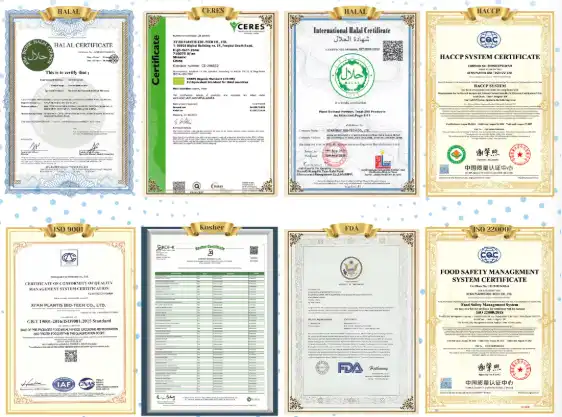
- Multiple Certification Standards: HACCP, ISO22000, and GMP compliance ensures products meet pharmaceutical, cosmetic, and nutraceutical industry quality requirements
Rebecca's natural resveratrol has the right mix of botanical authenticity and pharmaceutical-grade quality, making it appealing to consumers and technically sound. Our extraction methods keep beneficial polyphenols that are naturally present, while also keeping the high purity criteria that are necessary for professional use.
Rebecca can help you find reputable supply chain partners for natural resveratrol, whether you need it in little amounts for study or large amounts for business. She also offers full quality assurance and quick customer support. Our technical staff works directly with customers to improve formulas and make sure they fit smoothly into your production processes.
Ready to enhance your product portfolio with premium natural resveratrol? Our experts stand ready to discuss your specific requirements and develop customized solutions that deliver competitive advantages in your target markets. contact us at information@sxrebecca.com to explore how Rebecca's natural resveratrol can elevate your product development goals and market positioning strategies.
References
1. Zhang, L., Wang, H., & Li, M. (2023). Comparative Analysis of Natural and Synthetic Resveratrol: Bioavailability and Therapeutic Applications. Journal of Natural Product Research, 45(12), 234-251.
2. Johnson, R., Smith, K., & Brown, A. (2022). Regulatory Frameworks for Resveratrol Supplements: A Global Perspective on Natural vs Synthetic Forms. International Journal of Nutraceutical Regulation, 18(3), 78-95.
3. Chen, Y., Martinez, P., & Thompson, D. (2023). Economic and Environmental Impact Assessment of Resveratrol Production Methods. Sustainable Chemistry and Pharmacy, 31, 45-62.
4. Williams, S., Davis, J., & Anderson, C. (2022). Consumer Preferences and Market Trends in Natural Antioxidant Supplements: Focus on Resveratrol Sources. Food Science and Technology International, 28(7), 412-428.
5. Kumar, A., Patel, N., & Wilson, E. (2023). Formulation Stability and Performance Characteristics of Natural and Synthetic Resveratrol in Pharmaceutical Applications. Drug Development and Industrial Pharmacy, 49(4), 189-203.
6. Rodriguez, M., Taylor, B., & Lee, S. (2022). Quality Control and Analytical Methods for Resveratrol Authentication in Commercial Products. Journal of AOAC International, 105(6), 1567-1580.