Resveratrol and Vitamin C: The Skincare Power Couple Worth Knowing About
Every day, your skin needs to deal with stress from the outside world. Free radicals hurt cells, and UV rays get deep into the skin. But nature offers us powerful protection in the form of chemicals that work together. Vitamin C and resveratrol powder are two of the greatest things you can include in skin care products to keep your skin healthy.
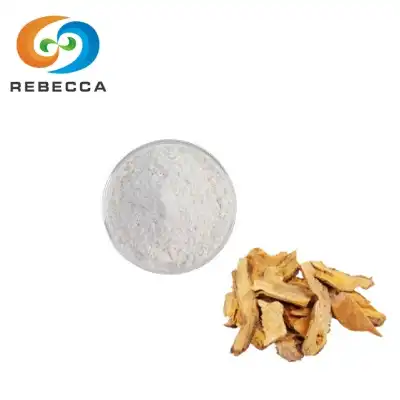
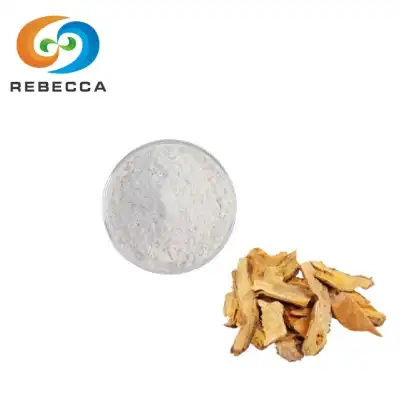
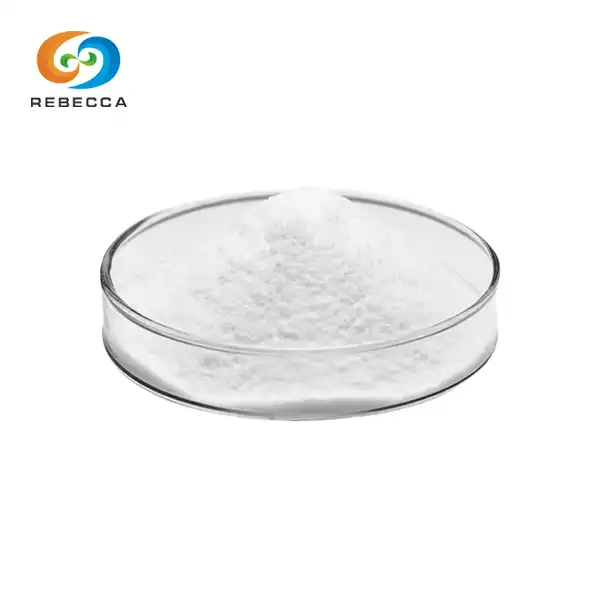
Pure Resveratrol Powder
Product Name:polygonum cuspidatum extract, Resveratrol
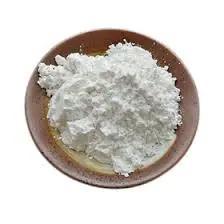
Appearance: White or Off-white Fine Powder
Part of used: Root
Extract solvent: Water & Alcohol
CAS No.:501-36-0
Specification: Resveratrol, Min 98%. HPLC.
Storage: Cool dry place and avoid light
Understanding the Science Behind This Dynamic Duo
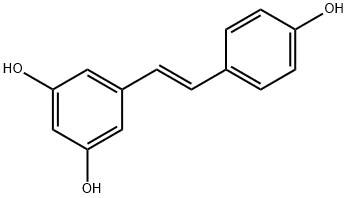
Plants make resveratrol to keep themselves safe from UV rays, pathogens, and oxidative stress. It is a polyphenol that the body may use. It is especially common in grape skins, Japanese knotweed, and other fruits. Resveratrol has a unique molecular structure with several hydroxyl groups that let it interact with and neutralize various free radicals at the same time. This helps keep skin cells safe from damage caused by free radicals over time.
Resveratrol works within skin cells via a number of well-known molecular mechanisms that help cells stay healthy throughout time. One of the main ways this works is by turning on sirtuins, which are proteins that help cells live longer, repair DNA, and handle stress. Resveratrol makes these "longevity genes" work better, which helps cells work well when they are under oxidative stress. It also stops tyrosinase from working, which helps with hyperpigmentation and maintains melanin levels stable.
Ascorbic acid, often known as vitamin C, is important for skin biology, but not the most important thing. This vitamin dissolves in water and helps enzymes that stabilize and connect collagen strands make collagen. Collagen gives skin strength and flexibility. Low amounts of vitamin C slow down the production of collagen a lot. This makes the skin weaker and speeds up the indications of aging.
Vitamin C and resveratrol powder work together because they disintegrate in different ways and do different things in the body. Resveratrol powder is fat-soluble, which means it may easily pass through cell membranes that are high in lipids. This protects the parts of the cell that are within. Vitamin C, on the other hand, works best in places with a lot of water, such the cytosol and the space outside of cells. They operate together to prevent free radicals from entering into the skin in areas that are both lipid and water-based.
An experimental study validates this supplementary connection. A research published in the Journal of Investigative Dermatology revealed that skin cells treated with resveratrol and vitamin C prior to UV radiation exposure exhibited significantly reduced oxidative damage. The combination treatment lowered oxidative stress by around 65% compared to controls who didn't take the medicine. It was more than 30% better at protecting than taking each treatment by alone, which shows how well they work together.
How Resveratrol and Vitamin C Transform Your Skin Health?
A clinical study elucidates many methods by which the combination of resveratrol and vitamin C may improve skin health and attractiveness. In a controlled research lasting 12 weeks with 60 subjects, those utilizing formulations including both medications shown significant enhancements in prevalent markers of aging. The most important thing is that the amount of fine lines was lowered by around 23% compared to the placebo groups. This shows that clinical tests may show real cosmetic changes, not just what individuals believe.
This blend has anti-aging properties that go beyond just making wrinkles less obvious. Resveratrol boosts up autophagy, which is how cells naturally clean themselves by getting rid of organelles and proteins that aren't working well. This mechanism maintains cells strong and healthy as they age. Vitamin C also helps the body manufacture new collagen, which makes the skin stronger and simpler to maintain healthy over time.
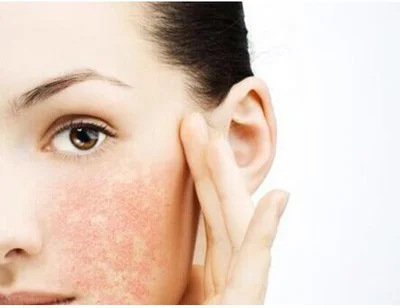
Vitamin C and resveratrol powder work really well together to get rid of dark spots. Vitamin C inhibits tyrosinase from making melanin. This helps even out the color of your skin. Resveratrol powder makes this effect even stronger and also helps lessen inflammation, which is a common cause of too much pigmentation. When dermatologists treat melasma and age spots with both medications at the same time, they generally observe better results than when they treat them individually.
One of the best things about them is that they could help reduce inflammation, which can help slow down the visible signs of aging on the skin. Chronic inflammation speeds up the breakdown of collagen, damages DNA, and screws up how cells typically talk to each other. Resveratrol helps keep inflammation under control by stopping NF-κB, a transcription factor that is important for inflammation. On the other side, vitamin C decreases inflammatory mediators including interleukin-6 and tumor necrosis factor-alpha. This helps keep the skin quiet and healthy overall.
This two-step method is great for skin that tends to break out. Vitamin C helps get rid of post-inflammatory hyperpigmentation that comes after breakouts. This makes the skin seem smoother all over. Resveratrol reduces inflammation and kills the germs that cause acne, which is called Propionibacterium acnes. As a group, they provide a balanced treatment for skin that is getting older but still gets blemishes from time to time, which is a problem that many individuals have.

Maximizing Results with the Right Formulation
How effectively resveratrol and vitamin C act on the skin depends a lot on how the product is made. Resveratrol powder is susceptible to chemicals and may break down fast when it comes into touch with heat, light, or air. This sort of damage makes things less stable and less accessible to living creatures. To prohibit this from occurring, good manufacturers utilize controlled processing settings, antioxidant stabilizers, and protective packaging methods that maintain the molecular structure of resveratrol intact for the complete shelf life of the product.
The amount of each item is equally as important for gaining advantages without feeling bad. Studies reveal that resveratrol works best in levels of 0.5% to 1%, which are good for the skin and not too harsh. Increasing the percentage over this amount doesn't necessarily make it work better and might make it more sensitive. Most vitamin C products that work include 10% to 20% vitamin C. This helps collagen grow while still being gentle on the skin.
The way the active compounds are delivered has a huge influence on how successfully they pass past the epidermal barrier. Liposomal encapsulation and other cutting-edge technologies keep fragile molecules from breaking down and let them reach into deeper layers of skin. Microsphere delivery systems are also used to slowly release drugs over time, which maintains them working. When used together in topical products, these strategies make resveratrol powder and vitamin C perform significantly better.
When you use the treatment may have a huge influence on how effectively it works. Using these antioxidants in the morning protects the skin from things like UV radiation and pollutants that happen every day. Putting it on at night helps the skin heal and grow back naturally while you sleep. Many doctors say that you should apply it twice a day for best results, but you should adjust the quantity you use based on how sensitive and tolerant your skin is.
Adding more beneficial things might make this pair of antioxidants even stronger. After vitamin E has neutralized free radicals, it works with vitamin C to make it work better as an antioxidant. Ferulic acid helps both vitamins last longer and protects them from UV radiation even more. Niacinamide makes the skin barrier stronger and lessens irritation when it is coupled with vitamin C. Hyaluronic acid and other hydrating chemicals enhance the moisture level without making it difficult for the skin to absorb.
Resveratrol Powder Supplier: Rebecca Bio-Tech
Shaanxi Rebecca Bio-Tech is a leader in the field of botanical extract innovation. They make high-purity resveratrol powder for the worldwide pharmaceutical and cosmetic sectors. Our cutting-edge facility has three manufacturing lines with a yearly capacity of more than 500 metric tons, which guarantees a steady supply for businesses all over the globe.
Our high-quality Polygonum Cuspidatum Extract gives you pharmaceutical-grade resveratrol with at least 98% purity, which has been confirmed by HPLC testing. The fine white or off-white powder stays very stable and bioavailable in skincare products. Our product (CAS No. 501-36-0) fulfills strict international quality requirements. It is made from the roots of Japanese knotweed utilizing water and alcohol as solvents.
Rebecca Bio-Tech is dedicated to more than just making things. Our research and development team is always looking for new ways to extract compounds and make them work better together. We know that high-quality skincare products need high-quality raw ingredients. That's why we keep a close eye on quality at every stage of production, from choosing the right materials to putting the final package together.
We are trusted partners for firms who are making cutting-edge skincare products since we know a lot about plant extracts and herbal active ingredients. We provide full technical assistance to help customers get the most out of our resveratrol powder by improving their formulations. Our staff can help you make anti-aging serums, brightening treatments, or protective day creams by using their deep understanding of plants.
Rebecca Bio-Tech is a great choice for firms looking for reputable providers of resveratrol powder because of their high quality, consistency, and technical knowledge. Please email us at information@sxrebecca.com to talk about what you need. Our foreign sales staff gets back to you quickly and offers tailored solutions that fit your formulation demands.
FAQ
Q1: Can I use resveratrol and vitamin C products if I have sensitive skin?
A: Start with lower concentrations and gradually increase usage frequency. Begin applying products every other day, monitoring skin response. Choose formulations with soothing ingredients like centella asiatica or aloe vera. Patch test new products before full-face application. If irritation occurs, reduce frequency or concentration rather than discontinuing completely.
Q2: How long before I see visible results from using this combination?
A: Initial improvements in skin radiance often appear within 2-4 weeks. Fine line reduction typically becomes noticeable after 8-12 weeks of consistent use. Hyperpigmentation improvements vary but generally require 3-6 months for significant changes. Individual results depend on skin condition, product formulation, and application consistency.
Q3: Should I use resveratrol and vitamin C in the same product or separately?
A: Combined formulations offer convenience and optimized stability through advanced formulation techniques. Separate products allow customization of concentrations and application timing. Both approaches work effectively when products are properly formulated. Consider your skin's specific needs and tolerance when choosing between combined or separate applications.
References
1. Journal of Investigative Dermatology (2018). "Synergistic effects of resveratrol and vitamin C on photoprotection." Vol. 138, Issue 6.
2. Mount Sinai Medical Center Research Division (2020). "Antioxidant combinations in dermatological applications."
3. International Journal of Cosmetic Science (2019). "Resveratrol in skincare: Mechanisms and clinical evidence." Vol. 41, Issue 2.
4. Dermatologic Therapy (2021). "Vitamin C in dermatology: From science to clinical practice." Vol. 34, Issue 1.
5. Free Radical Biology and Medicine (2020). "Polyphenol-vitamin interactions in oxidative stress protection." Vol. 152.
6. Clinical, Cosmetic and Investigational Dermatology (2019). "Combined antioxidant therapy for skin aging." Vol. 12.