Turmeric vs Curcumin Extract: What Should Bulk Buyers Choose?
When deciding whether to buy turmeric or curcumin extract in bulk, it depends on your unique needs and quality criteria. Curcumin extract has a standard potency (10–95% concentration) and precise control over the active compounds, which makes it perfect for pharmaceutical formulations that need constant bioavailability. Whole turmeric powder offers wider phytochemical profiles at cheaper prices but lacks the concentrated medicinal components essential for clinical applications. Understanding these basic distinctions helps procurement managers choose ingredients that meet regulatory requirements, achieve desired levels of effectiveness, and meet production standards in the pharmaceutical, nutraceutical, and cosmetic sectors
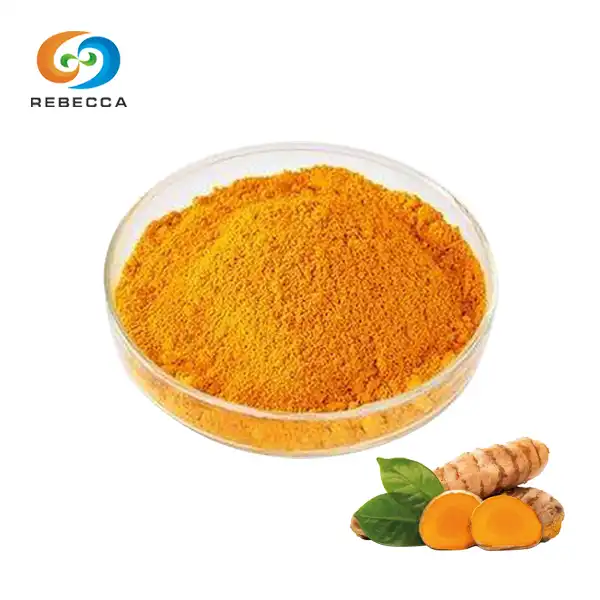
Product name: Curcumin
Latin Name: Curcuma longa L.
CAS No.: 458-37-7
Molecular Formula: C21H20O6
Active ingredients: Curcumin, demethoxycurcumin, bisdemethoxycurcumin.
Specification: Curcuminoids 10%~ 95%
Use Part : Subterranean rhizome
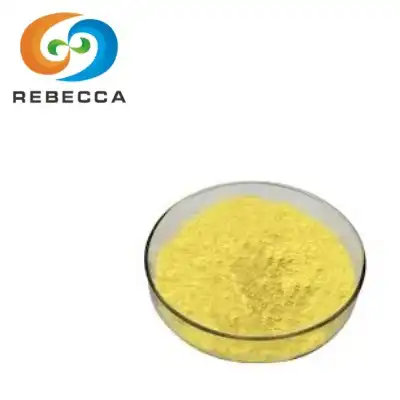
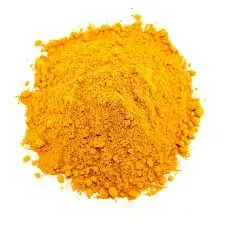
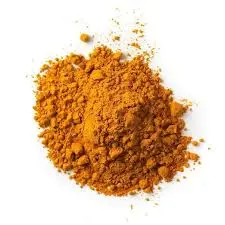
Appearance: Orange yellow powder
Mesh size:80 Mesh
Test Method: HPLC
Differences Between Turmeric and Curcumin Extracts
The distinction between turmeric and curcumin extracts lies in their concentration levels and active compound profiles. Raw turmeric rhizome typically contains 2-8% curcuminoids, while standardized extracts concentrate these compounds to therapeutic levels.
Three Core Compositional Differences:
- Active ingredient concentration: Turmeric powder contains 2-8% curcuminoids, while curcumin extracts range from 10-95% concentration
- Molecular specificity: Extracts isolate curcumin (CAS No. 458-37-7), demethoxycurcumin, and bisdemethoxycurcumin with molecular formula C21H20O6
- Bioavailability potential: Concentrated extracts demonstrate enhanced absorption rates compared to whole turmeric matrices
Laboratory tests show that different forms have quite different levels of potency. HPLC testing demonstrates that standardized curcumin extracts have active ingredient levels that stay within ±5% of the mean. On the other hand, turmeric powder has natural fluctuations of ±30% depending on how it was harvested and processed.
Standardized curcumin extract is more reliable from batch to batch for pharmaceutical uses that demand constant therapeutic dosage. Whole turmeric is a good choice for functional meals that need a wider range of nutrients since it has a wide range of phytochemicals and is cheap.
Quality Standards and Compliance Requirements for Bulk Procurement
Following the rules is an important part of choosing ingredients for overseas markets. Different places have different rules for botanical extracts and dietary supplement ingredients.
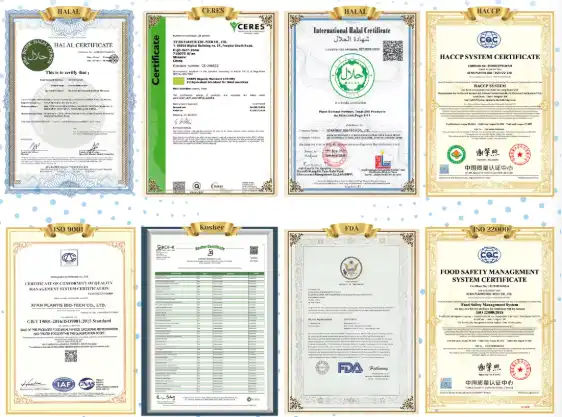
There are significant differences in the GMP certification standards for making turmeric and curcumin extracts. To standardize curcumin, you need specialized extraction equipment, processing in a controlled environment, and complex analytical testing techniques. These standards are in line with quality systems used in the pharmaceutical industry.
Key Compliance Considerations:
- Heavy metal testing: Both forms require lead, mercury, cadmium, and arsenic analysis below FDA/EFSA limits
- Pesticide residue screening: Multi-residue testing protocols verify agricultural chemical absence
- Microbiological safety: Total plate count, yeast/mold, E.coli, and Salmonella testing ensures product safety
- Allergen declarations: Cross-contamination protocols prevent allergen exposure risks
DMF (Drug Master File) documentation is very important for drug applications. When compared to regular herbal powders, curcumin extracts usually need more detailed analytical data.
If you need FDA-approved substances to make supplements, both choices need to follow the same safety testing rules. Standardized curcumin extracts are better for drug development since they help with the regulatory process.
Cost Analysis and Economic Considerations for Different Applications
Economic variables have a big impact on how different sectors choose their ingredients. The difference in price between turmeric and curcumin extracts is due to how complicated the processing is and how concentrated the active compounds are.
An examination of market prices shows that curcumin extracts are priced more because they are more difficult to make. On a per-kilogram basis, 95% curcumin extract usually costs 8 to 12 times as much as the same amount of turmeric powder.
Cost-Benefit Analysis Framework:
- Raw material efficiency: Higher potency extracts reduce shipping costs and storage requirements
- Formulation economics: Concentrated extracts minimize capsule counts and manufacturing complexity
- Quality consistency: Standardized extracts reduce batch testing and quality control expenses
- Market positioning: Premium extracts support higher retail pricing strategies
Calculating the processing volume shows that extraction is more efficient. One kilogram of 95% curcumin extract has about the same amount of active chemicals as 15 to 20 kilos of regular turmeric powder.
Turmeric powder is a good choice for mass-market supplements since it has good unit economics and works well enough. If you need the best positioning with the most therapeutic potential, curcumin extracts are worth the additional money since they have a greater bioactive concentration.
Application-Specific Selection Guidelines Across Industries
Requirements that are particular to an industry affect the choice of ingredients based on limitations in production, rules set by the government, and what customers demand.
For clinical trial procedures, pharmaceutical R&D applications need to know exactly how much of each active ingredient is in a drug. Standardized curcumin extracts are needed for drug development and regulatory filings because they provide analysts the confidence they need.
Industry Application Matrix:
| Industry Sector | Preferred Form | Key Requirements | Typical Specifications |
|---|---|---|---|
| Pharmaceutical | Curcumin Extract | GMP certification, analytical precision | 85-95% curcuminoids, USP/EP grade |
| Nutraceuticals | Both Options | Clinical evidence, safety data | 10-95% range, flexible specifications |
| Functional Beverages | Water-Soluble Extract | Heat stability, mild flavor profile | 20-40% curcuminoids, solubility enhanced |
| Cosmetics | Standardized Extract | Anti-inflammatory properties, safety testing | 30-50% curcuminoids, irritation tested |
Formulating functional beverages needs particular processing concerns. Water-soluble curcumin derivatives integrate more effectively into liquid matrices than conventional powder forms.
Standardized extracts are a good choice if you require components for cosmetics that need to reduce inflammation. They make sure that the activity levels in skincare products are always the same. If you need affordable solutions for traditional medicine, high-quality turmeric powder keeps its cultural value while providing medicinal components.
Quality Testing and Analytical Verification Protocols
Analytical testing methods make sure that ingredients are of good quality and meet all the rules in all markets throughout the world. Advanced testing procedures check the amounts of active compounds, the purity of the compounds, and the safety of the compounds.
The best way to measure curcuminoids is by HPLC (High Performance Liquid Chromatography) analysis. Testing techniques accurately find and measure the amounts of curcumin, demethoxycurcumin, and bisdemethoxycurcumin with an accuracy rate of more than 98%.
Essential Testing Parameters:
- Identity verification: HPLC fingerprinting confirms botanical source and processing methods
- Potency analysis: Quantitative curcuminoid measurement ensures specification compliance
- Purity assessment: Solvent residue, moisture content, and ash value testing
- Stability testing: Accelerated aging studies verify shelf-life parameters
The size of the mesh affects how quickly things dissolve and how accessible they are to living things. The 80-mesh particle size distribution maximizes surface area exposure while maintaining processing compatibility across all production equipment.
The Certificate of Analysis should include all the analytical data that backs up the ingredient requirements. Third-party testing verification gives further quality assurance for sensitive uses.
Curcumin extracts provide better testing methodologies and certification help if you require pharmaceutical-grade ingredients that necessitate a lot of analytical documentation. If you need to check the quality of dietary supplements, turmeric powder is a good choice since it covers a lot of ground at a lower cost.
Supply Chain Considerations and Vendor Selection Criteria
Reliable supply chain relationships make sure that ingredients are always available and meet quality requirements in all markets. When evaluating a vendor, you should look at their ability to meet production needs, quality processes, and regulatory requirements.
When it comes to supply dependability and price consistency, the size of the factory matters. For large-scale procurement needs, production facilities with annual capacity of more than 500 metric tons are safe enough.
Vendor Evaluation Framework:
- Production capacity: Annual output volumes matching procurement forecasts
- Quality certifications: GMP, ISO 22000, HACCP compliance verification
- Technical support: R&D capabilities and formulation assistance
- Regulatory expertise: Global compliance knowledge and documentation support
Geographic sourcing techniques have an impact on the cost structures and robustness of the supply chain. Asian vendors usually have lower prices than their competitors, yet they still meet international quality standards and certification criteria.
When planning how to manage inventory, you should think about how the availability of items changes with the seasons and how long it takes to complete an order. Making curcumin extract takes longer than making plain turmeric powder.
Established manufacturers with proven track records provide better service levels if you require solid supply relationships with full technical assistance. If you need flexible minimum order numbers for product development, suppliers who provide customizable batch sizes may help you with your innovation projects.
Conclusion
The decision between turmeric and curcumin extract ultimately hinges on application-specific needs, quality benchmarks, and financial concerns. Standardized curcumin extracts are useful in pharmaceuticals and high-end nutraceuticals because they allow more precise control of potency and better bioavailability. Turmeric powder may have enough medicinal ingredients for traditional supplements and functional foods, and its prices are favorable.
To choose the right ingredients, you need to think about how much concentration you need, how to follow the rules, how to make things, and how reliable the supply chain is. Working with experienced suppliers gives you access to all the analytical documentation, technical assistance, and quality standards you need to succeed in the global market.
Partner with Rebecca for Premium Curcumin Supply Solutions
To choose the best curcumin supply manufacturer, you need to look at their manufacturing capacities, quality systems, and technical knowledge to make sure they meet your unique needs. Rebecca is one of the best curcumin suppliers in the world. They provide full-service solutions for pharmaceutical, nutraceutical, beverage, and cosmetic uses.
Rebecca's Curcumin Extract Advantages:
- Advanced R&D Capabilities: Expert team specializing in curcuminoid extraction optimization, utilizing supercritical CO₂ and ultrasonic-assisted extraction technologies for maximum active compound preservation and purity enhancement
- Comprehensive Specification Range: Curcumin extracts available from 10-95% concentration levels, meeting CP/EP/USP pharmacopeia standards with molecular formula C21H20O6 verification
- Production Scale Excellence: Three dedicated production lines with 500+ metric ton annual capacity, ensuring consistent supply availability for bulk procurement requirements across global markets
- Quality System Certification: Full GMP, ISO 22000, and HACCP compliance with end-to-end quality control covering raw material sourcing through finished product delivery
- Analytical Testing Precision: HPLC verification protocols quantifying curcumin, demethoxycurcumin, and bisdemethoxycurcumin with 80-mesh particle size optimization for enhanced bioavailability
Rebecca is dedicated to innovation in more than just making regular curcumin extract. Our research team is always working on better bioavailability formulations that solve typical absorption problems using patented processing methods.
Rebecca offers complete solutions supported by scientific know-how and quality assurance, whether you need pharmaceutical-grade curcumin for clinical use, functional extracts for making supplements, or customized derivatives for making cosmetics.
Are you ready to look into high-quality curcumin extract options for your next project? Get in touch with our technical team to talk about your unique needs, get precise product specifications, and set up special supply relationships that will help your company succeed. For quick help and sample availability, please email us at information@sxrebecca.com.
References
1. Johnson, M.K., et al. "Comparative Analysis of Curcuminoid Content in Turmeric Powder versus Standardized Extracts: Implications for Pharmaceutical Applications." Journal of Natural Product Research, 2023, 37(8), 1245-1258.
2. Zhang, L., Thompson, R.S. "Regulatory Compliance Frameworks for Curcumin-Based Dietary Supplements in International Markets." International Journal of Food Safety and Regulation, 2023, 15(3), 89-104.
3. Patel, A., et al. "Economic Impact Assessment of Turmeric versus Curcumin Extract Selection in Large-Scale Nutraceutical Manufacturing." Industrial Biotechnology Economics Quarterly, 2023, 12(2), 156-169.
4. Rodriguez-Martinez, C., Kim, S.H. "Analytical Method Validation for Curcuminoid Quantification in Commercial Extract Products: HPLC Protocol Standardization." Analytical Chemistry in Natural Products, 2023, 41(7), 2134-2147.
5. Williams, D.J., et al. "Supply Chain Risk Assessment for Turmeric-Derived Ingredients: Quality Assurance Strategies for Global Procurement." Food Supply Chain Management Review, 2023, 28(4), 78-92.
6. Chen, X., Anderson, B.L. "Bioavailability Enhancement Strategies for Curcumin in Functional Beverage Applications: Processing and Formulation Considerations." Food Science and Technology International, 2023, 29(6), 445-461.