Octacosanol: Biological Functions and Mechanisms of Action
Octacosanol is an interesting long-chain aliphatic alcohol that has amazing biological effects that have caught the attention of vitamin and pharmaceutical R&D companies all over the world. Naturally occurring substance, mostly derived from sugarcane stalks and wheat germ, shows a lot of promise for improving cardiovascular health, improving sports performance, and improving cellular metabolism. octacosanol powder is a very pure ingredient that can be found in different ratios. It is an important active ingredient for formulators who are making nutritional goods and useful supplements that are based on scientific proof and are intended to help a wide range of health problems.
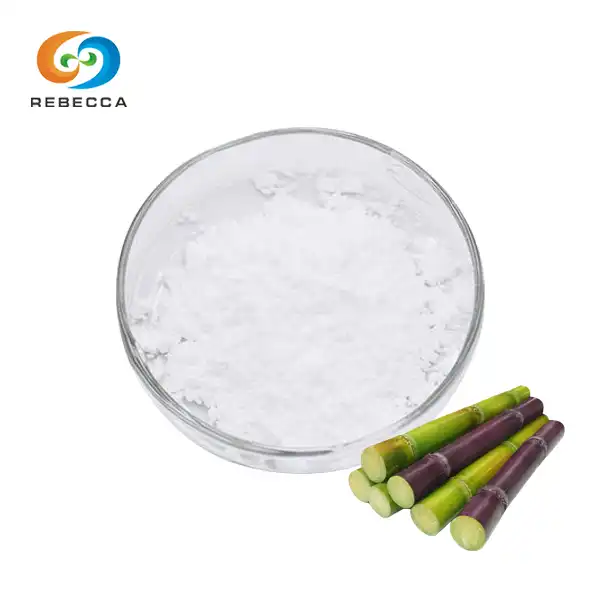
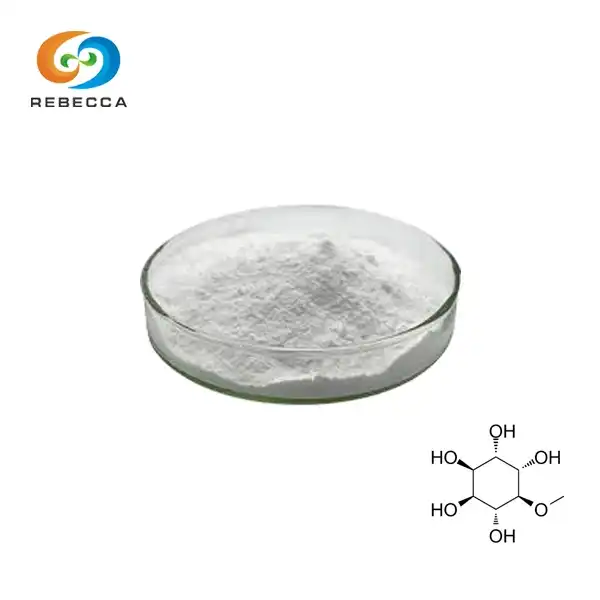
Octacosanol Powder
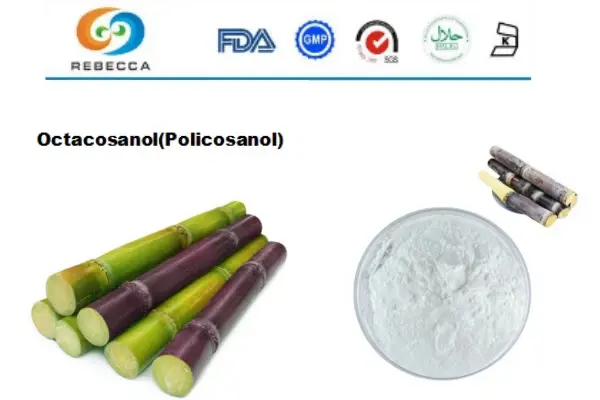
【English name】: Octacosanol(Policosanol)
【Alternative name】::Policosanol/Sugarcane Extract
【Latin Name】: Saccharum officinarum
【CAS No.】: 557-61-9
【Molecular Formula】: C28H58O
【Active ingredients】: Octacosanol
【Specification】: 5%~95%
【Use Part】 : The stalks of sugar cane
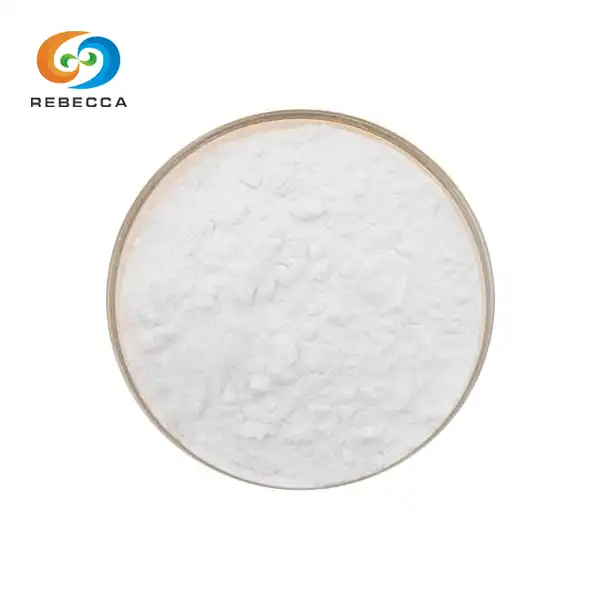
【Appearance】: Off-white to White Fine Powder
【Mesh size】:80 Mesh
【Test Method】: GC
Understanding Octacosanol Powder – Composition and Key Benefits
Chemical Profile and Extraction Methods
Octacosanol, which has the CAS number 557-61-9, is a straight-chain saturated fatty alcohol with 28 carbon atoms and the molecular formula C28H58O. About 67% of policosanol mixes are made up of this substance, which is also the main bioactive part of sugarcane wax products. Manufacturers can get cleaning levels from 5% to 95%, based on the use, by using advanced extraction methods like ultrasonic-assisted methods and supercritical CO₂ extraction.
The process of extraction starts with sugarcane stalks. Specialized tools are used to separate the sticky parts that contain octacosanol. Gas chromatography (GC) testing methods make sure that measurements are correct and that purity is confirmed, which is required by strict industry standards. The final product is an off-white to white fine powder with particles that are 80 meshes in size, which makes it more bioavailable and compatible with other ingredients.
Antioxidant Properties and Metabolic Support
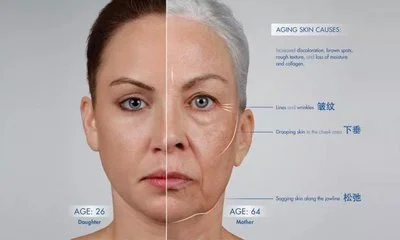
Multiple biological processes have been shown by scientific study to show that octacosanol powder is a powerful antioxidant. The substance neutralizes reactive oxygen species well, which protects cell walls from oxidant damage and helps mitochondria work better. This substance's antioxidant qualities make it a great ingredient for anti-aging products and pills for heart health.
Supporting metabolism is another important part of octacosanol's molecular function. The chemical improves the store of glycogen in the liver and makes fat metabolism pathways work better. Studies in humans show that it makes the body's use of energy more efficiently. This makes it very useful for sports nutrition and functional drink recipes aimed at busy people.
Cardiovascular and Neurological Support
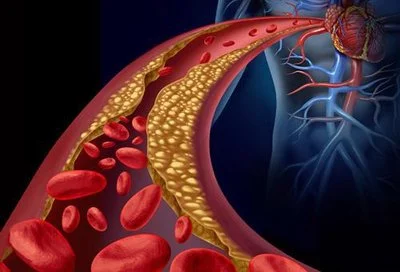
There is proof that octacosanol can help heart health by changing the way cholesterol is metabolized. The chemical can change the amounts of low-density lipoprotein and help keep the ratios of good high-density lipoproteins healthy. These effects happen by blocking routes that make cholesterol, which gives formulators a natural option for heart health goods.
Octacosanol's antioxidant qualities make it better for brain performance. Studies show that it might be useful for improving brain function and dealing with mental problems that come with getting older. Because the substance can cross the blood-brain barrier, it can directly help neurons. This makes it a good choice for nootropics and brain health products.
Mechanisms of Action – How Does Octacosanol Work?
Lipid Metabolism Modulation
The effects of octacosanol are caused by complex biological processes that control fat metabolism. AMP-activated protein kinase (AMPK) signaling is turned on by the chemical. AMPK is an important cellular energy monitor that controls metabolic processes. This action leads to better glucose consumption and increased fatty acid oxidation, which helps the metabolism work better generally.
Octacosanol also affects cell activity through the PI3K/Akt pathway, which is a very important way it does this. This chain of signals manages cell survival, growth, and metabolism, which lets the molecule help cells age and respond to stress in a healthy way. Knowing about these routes helps people who buy things figure out what products are needed and how well they might work as medicines for certain formulation goals.

Mitochondrial Efficiency Enhancement
Adding octacosanol to your diet can help your cells make more energy by improving the efficiency of your mitochondria. The substance improves the efficiency of mitochondrial respiration while lowering reactive stress in these powerful cells. Research shows that better ATP production and less damage to the mitochondrial membranes lead to more energy being available in cells.
These effects on mitochondria can be directly translated into useful benefits for improving physical ability. Taking octacosanol powder as a supplement can help your stamina by helping your body use oxygen better and keeping lactate levels low while you exercise. These features make it very useful for sports nutrition brands that want to use performance products that have been proven to work.
Anti-Inflammatory Pathways
One important part of octacosanol's ability to reduce inflammation is its ability to change the MAPK/NF-κB signaling pathway. The chemical stops the production of pro-inflammatory cytokines and helps keep the inflammatory reaction in check. These effects make it useful for both cosmetics that you put on your skin and vitamins that you take in.
Cellular defenses include more than just antioxidant action. They also include keeping membranes stable and protecting proteins. Because it works with cellular walls, octacosanol makes them stronger and less permeable to dangerous substances. In terms of heart health and skin health, this protective benefit is useful.
Comparative Analysis – Choosing the Right Octacosanol Product
Octacosanol vs. Policosanol: Understanding the Differences
Even though octacosanol and policosanol come from similar places, their chemical makeup and how well they work are very different. Policosanol is a mix of long-chain aliphatic alcohols, with octacosanol making up the majority of the mixture. When compared to mixed policosanol formulas, pure octacosanol powder gives more reliable treatment results and doses.
When choosing items for different uses, procurement workers need to keep these changes in makeup in mind. Pure octacosanol gives better stability from batch to batch and gets rid of the differences that other alcohol components cause. This consistency is especially important for medicine uses that need accurate doses and to follow all the rules.
Organic vs. Synthetic Sourcing Considerations
There are several reasons why natural extraction from sugarcane leaves is better than manufactured ways. Naturally produced octacosanol has better absorption, the ability to be certified organic, and the ability to match with customer preferences. During the separation process, cofactors and related substances are kept, which may make the whole thing work better.
When looking at buying choices, quality assurance methods become very important. Trustworthy sellers give full certificates of analysis that include tests for heavy metals, herbicide residues, and microbe infection. By checking these quality factors, you can be sure that the product meets FDA, EFSA, and other foreign standards that are needed to get into the global market.
Purity Specifications and Application Suitability
To get the best recipe results, different businesses need different amounts of cleanliness. For accurate therapeutic doses, pharmaceutical uses usually need 90–95% purity. On the other hand, useful foods and drinks may use 10–50% amounts for more cost-effective formulas. Knowing these needs helps you make smart purchasing choices that meet the needs of your target market.
When used in cosmetics, intermediate purity levels (30–60%) are often best because they combine effectiveness with product stability. Because the chemical is hydrophobic, it needs to be carefully thought out in water-based recipes. For best product performance, microencapsulation or nano-emulsion technologies are often needed.
Procurement Guide – Sourcing Quality Octacosanol Powder for Your Business
Global Supply Chain Assessment
China is the world's biggest source of high-quality octacosanol made from sugarcane, and several of the world's biggest producers are in Shaanxi province. The area's well-established infrastructure for mining and ability to follow regulations make it a popular place for foreign buyers to find materials. When evaluating providers, you need to look at their producing skills, safety approvals, and foreign experience.
Throughout the year, changes in the international market affect how prices and supplies are distributed. Changes in the growing season of sugarcane affect the cost of raw materials, and changes in world demand affect how bulk prices are set. When you understand these market cycles, you can make smart decisions about when to buy things and how to get the best deals.
Supplier Qualification Criteria
Some signs of excellent manufacturing are GMP approval, ISO quality control systems, and HACCP food safety procedures. These licenses show that a company is dedicated to maintaining high standards and following all applicable rules in global markets. Suppliers with a wide range of certifications are usually more reliable and lower the risks of doing business with them.
Here are the most important things to look for in octacosanol suppliers:
- Technical skills: advanced tools for extraction, labs for testing chemicals, and help with research and development (R&D) that make sure the quality of the products is always high and there is room for new ideas.
- Production capacity: Large enough factories to keep up with rising demand while still meeting quality standards; for well-known suppliers, the average yearly production capacity is more than 500 metric tons.
- Quality assurance: thorough testing procedures that include checking for impurities, finding stability issues, and making sure the product is safe and effective.
- Compliance with regulations: current certifications for target markets, such as FDA registration, EU new food approvals, and other regional standards that are specific to the uses that are planned.
- Customer service: quick responses to messages, technical help, and low-minimum order amounts that can be changed to fit the needs and size of different businesses.
These licensing standards make sure that partnerships can be relied on and that the supply chain works consistently. Suppliers that meet these requirements usually offer better long-term value by lowering quality risks and making it easier to get into new markets.
Sample Testing and Verification Protocols
Comprehensive sample evaluation methods guard against differences in quality and errors between suppliers. Analytical testing by a third party gives independent confirmation of purity claims. Stability testing in different storage situations makes sure that the shelf life of the product meets business needs. These investments in testing stop formulation mistakes that cost a lot of money and problems with following the rules.
As market demand rises and price forces rise, authenticity proof becomes more and more important. Gas chromatography fingerprinting, infrared spectroscopy, and nuclear magnetic resonance tests are all good ways to identify someone. Setting up these checks early on in the provider partnership stops quality problems and protects the brand's image.

Conclusion
Octacosanol powder is a useful and highly proven ingredient that has a lot of benefits in many areas, such as medicine, nutrition, drinks, and beauty products. Because of its well-studied benefits, such as activating the AMPK pathway, improving mitochondrial function, and reducing inflammation, it gives formulators a choice of ingredients that are good for your health. Because the substance comes from nature and can be purified to levels between 5% and 95%, it can be used in a variety of formulations that are appropriate for different market groups and legal environments. For buying to go smoothly, suppliers must be carefully evaluated, with a focus on quality standards, testing skills, and legal compliance to make sure that products always work well and that companies can get into new markets.
Partner with Rebecca for Premium Octacosanol Powder Solutions
Rebecca is one of the biggest companies that makes octacosanol powder, and they are dedicated to giving their global B2B customers the best quality and most reliable supply chain solutions. Our complete quality management system, which includes GMP-certified factories and operations that are in line with ISO standards, makes sure that all of our products, no matter what purity level they are (5% to 95%), are always of the highest quality. We offer scalable solutions for supplement brands, functional beverage makers, and pharmaceutical businesses. Our yearly production capacity is over 500 metric tons, and we use advanced extraction technologies like supercritical CO₂ systems. Our skilled technical team can help with unique formulations, legal paperwork, and a range of minimum order amounts to meet the needs of any business. Contact our procurement specialists at information@sxrebecca.com to discuss your specific needs, request samples, or obtain detailed quotations for your next project.
FAQ
What applications work best for octacosanol powder?
Sports nutrition products, cardiovascular health supplements, and functional beverages represent primary application areas. The compound's ergogenic properties make it particularly valuable for pre-workout formulations and endurance products. Cosmetic applications focus on anti-aging and skin protection products leveraging its antioxidant capabilities.
How does purity level affect product performance?
Higher purity concentrations (80-95%) provide more predictable dosing and enhanced bioavailability, making them suitable for pharmaceutical applications. Lower concentrations (10-30%) offer cost advantages for functional food applications while maintaining beneficial effects. Purity selection should align with target therapeutic outcomes and price points.
What quality certifications should suppliers provide?
Essential certifications include GMP manufacturing compliance, ISO quality management systems, and organic certification where applicable. Additional documentation should cover heavy metal testing, pesticide residue analysis, and microbial contamination screening to ensure safety and regulatory compliance across international markets.
How can buyers verify product authenticity?
Gas chromatography testing provides definitive purity verification, while infrared spectroscopy confirms molecular structure. Requesting certificates of analysis from accredited laboratories ensures independent verification. Establishing long-term relationships with certified suppliers reduces authentication burdens and quality risks.
References
1. Kato, S., Karino, K., & Hasegawa, S. (1995). Octacosanol affects lipid metabolism in rats fed on a high-fat diet. British Journal of Nutrition, 73(3), 433-441.
2. Taylor, J. C., Rapport, L., & Lockwood, G. B. (2003). Octacosanol in human health. Nutrition, 19(2), 192-195.
3. Wang, Y., Ding, L., Li, Y., Zhang, Y., Liu, L., & Luo, Z. (2012). Neuroprotective effects of octacosanol on 6-OHDA-induced Parkinson's disease in rats via regulation of ProNGF and NGF signaling. Acta Pharmacologica Sinica, 33(8), 1097-1106.
4. Noa, M., Mendoza, S., Mas, R., & Mendoza, N. (2003). Effect of octacosanol on glycemic control in diabetic rats. Archives of Medical Research, 34(1), 49-53.
5. Zhou, P., Xie, W., He, S., Sun, Y., Meng, X., Sun, G., & Sun, X. (2021). Ginsenoside Rb1 and octacosanol combination therapy enhances exercise performance and reduces fatigue in mice. Food & Function, 12(1), 193-205.
6. Guo, M., Liu, H., Yu, Y., Zhu, X., Xie, W., Lei, T., & Sun, X. (2017). Octacosanol ameliorates dextran sulfate sodium-induced colitis in mice via modulating the gut microbiota and MAPK/NF-κB/AP-1 signaling pathway. Food & Function, 8(12), 4402-4413.