L Carnitine Powder VS Capsule
l carnitine powder is more flexible and affordable for producers than capsules when it comes to B2B purchases. l carnitine protein powder (CAS: 541-15-1) has at least 99% pure and about 100% active substance, which makes it perfect for special recipes, healthy drinks, and bulk production. Capsules are convenient, but they make it harder to change the dose and cost more per unit. Pharmaceutical research and development businesses, supplement brands, and ingredient sellers looking for scalable solutions will find that the powder form gives them better control over formulations, easier inventory management, and higher profit margins in a wide range of uses.
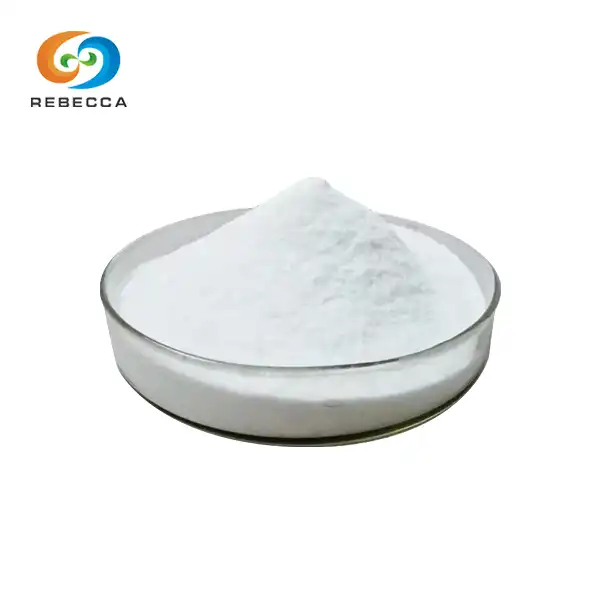
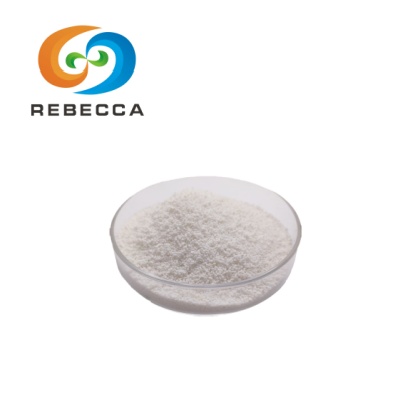
L Carnitine Powder
Product Name:L-carnitine
CAS No.:541-15-1
Specifications :L(-)-Carnitine,Min 99%
Test :HPLC
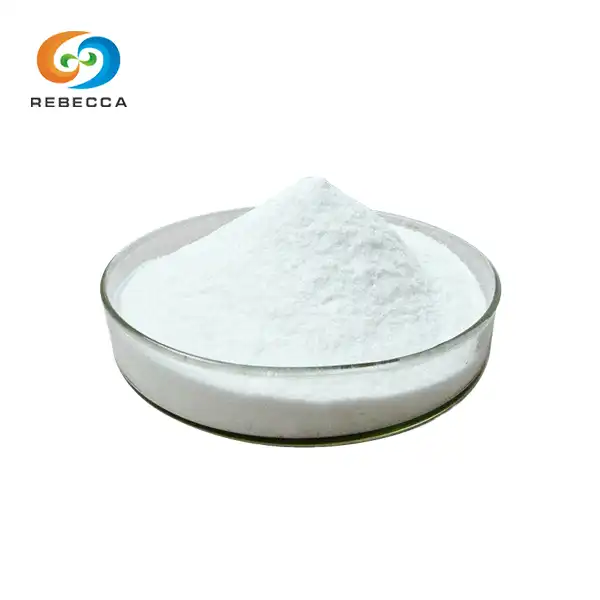
Appearance :White crystalline Powder
Applying:The safest nutritional supplement for weight loss without side effects.
Understanding L Carnitine Powder and Capsules
L-Carnitine is an important nutrient that helps the body burn fat and make energy. It has been shown to help with building muscle, losing weight, and keeping the heart healthy. The substance is found naturally in the body, but many people, especially athletes and people who have to watch what they eat, need to take supplements to get the right amount.
Physical and Chemical Characteristics
L carnitine powder is a white, solid material that dissolves and absorbs water very well. The pure base form (L(-)-Carnitine, CAS: 541-15-1) has about 100% active ingredient, which has been proven by HPLC tests. Because it is so pure, it is the most effective choice for situations where limited room calls for the highest quantity per serve.
L-Carnitine L-Tartrate or other stable salts, which have about 60–70% active carnitine content, are usually used in capsule forms. The capsule method needs more fillers and production steps, which makes the finished product bigger but the active ingredient less dense.
Manufacturing and Quality Control Considerations
Manufacturing standards for both types must meet strict GMP requirements, with powder types needing extra care to keep moisture under control. Because L carnitine powder absorbs water, it needs to be handled carefully and the environment needs to be monitored while it is being made and packed. To make sure that D-isomer amounts stay within acceptable ranges, quality control procedures include checking for microbes, heavy metals, and enantiomeric purity.
Dosage standards are very different between forms. Powders allow for exact micro-dosing and the creation of custom concentrations. This adaptability is very important for pharmaceutical research and development projects that need precise absorption profiles and consistent formulations from batch to batch.

Comparative Analysis: L Carnitine Powder VS Capsules for B2B Buyers
Because powder and capsules are fundamentally different, they each have their own pros and cons that buying teams must carefully weigh against their own business needs and market goals.
Bioavailability and Absorption Profiles
When L carnitine powder is mixed with liquids, it is absorbed more quickly than when it is put into capsules, which need to be broken down in the stomach before the active ingredient can be released. Because of how quickly they are absorbed, powder forms are great for pre-workout drinks and other recipes where quick benefits are wanted.
Because of the enclosing barrier, capsule types have prolonged release properties that could lead to more stable blood plasma levels over longer periods of time. But this delayed release might not work for uses that need instant metabolic support or quick energy production.
Cost-Effectiveness and Economic Considerations
From the point of view of purchasing, powder forms are more cost-effective in a number of ways. Because there are no more capsule steps, less packing is needed, and there is a higher percentage of active ingredients per unit weight, buying in bulk saves a lot of money.
These are the main cost benefits of powder formats:
- Raw material efficiency: 100% active content instead of 60–70% in pills lowers the cost of all ingredients by 30–40% per comparable dose
- Better packaging: Dense powder needs smaller packages, which lowers the cost of shipping and the amount of room needed for keeping
- Flexibility in production: capsules can be added directly to current production lines without the need to buy new tools for filling them
- Inventory management: products with a longer shelf life and safe storage conditions lose less because they don't go bad as quickly
Powder is the best choice for cost-conscious producers who want to keep product quality standards while lowering their supply chain costs because these economic benefits get even bigger when they buy in bulk.
Formulation Versatility and OEM Applications
Powder forms work best for unique formulations because they can be mixed precisely with other active ingredients and excipients. This adaptability helps different product creation tactics in many market areas, such as functional foods and sports nutrition.
OEM makers can make custom mixes, change dose amounts, and come up with new delivery systems that work well with powder because it is so flexible. It gives manufacturers the most options because l carnitine protein powder can be added to liquids, pressed into tablets, or sealed inside capsules.

Market Insights and Buyer Considerations for Selecting L Carnitine Products
Finding the right L-carnitine source today means carefully checking the records of the maker, making sure they follow all the rules for approval, and seeing how well they can ensure quality. As regulators and consumers become more aware, the global market has changed toward higher standards for openness and proof.
Supplier Evaluation and Certification Requirements
Reliable makers keep a full set of certifications, such as GMP, ISO 22000, HACCP, and safety papers special to each area. These licenses make sure that different markets follow international quality standards and legal requirements. Teams in charge of buying things should give more weight to sellers who offer full paperwork packages that include things like Certificates of Analysis, stability studies, and regulation support files.
Reliable provider partnerships meet the following criteria:
- Technical know-how: in-house R&D helps with creating special formulations and giving advice on how to use them
- Production capacity: at least 500MTS per year, which guarantees a steady supply for large-scale businesses
- Quality infrastructure: high-tech lab tools, such as HPLC systems for checking cleanliness and finding contaminants
- Compliance with regulations: current applications and approvals for target areas, with changes to regulations being closely watched
These basic parts build long-lasting supply ties that go beyond the initial purchase, forming long-term strategic partnerships that are necessary for staying competitive in the market.
Bulk Purchasing Strategies and Logistics Optimization
Because it dissolves in water easily and needs to stay stable, shipping L carnitine powder internationally requires special operations planning. Protecting against wetness, keeping temperatures stable, and making sure the purity of the package are all important parts of successful bulk buying strategies.
When needed, climate-controlled delivery, special cases, and cooling systems are used to make shipping solutions that are both cost-effective and protect the purity of the goods. Strategic inventory management keeps things from going bad while lowering the costs and room needed to store them.
How to Choose Between L Carnitine Powder and Capsules: Decision Support Guide
If you want to choose between powder and pill forms, you need to make sure that the product's features match the needs of your target market, your production skills, and your business goals. Format picking tactics are affected by the different types of customers who have different tastes.
Target Market Alignment and Application Suitability
Athletes and exercise fans usually like powder forms because they are easy to use and absorb quickly. Regular people, on the other hand, like pill forms because they are convenient and allow them to control their portions. For exact recipe control, pharmaceutical uses need powder. Dietary supplement brands, on the other hand, can use either form based on how they sell their products.
L carnitine powder is especially helpful for companies that make healthy drinks and need chemicals that dissolve in water and don't change the taste of the drink. Because it can reach high ratios without limits on volume, it's perfect for shot-format goods and formulas that need to be concentrated.
Quality Benchmarks and Supplier Relationships
Setting strong quality standards makes sure that the same product works well from different sources and production batches. These guidelines should include amounts of purity, microbial limits, heavy metal content, and stable factors that are important for certain uses.
Strong ties with suppliers give you access to expert help, services for customizing products, and first choice when supplies are low. These relationships are valuable for more than just the money they bring in. They also have strategic benefits, such as sharing information about the market, getting updates on regulations, and working together on product development.
Procurement teams should judge sellers by how quickly they respond, how knowledgeable they are in technical matters, and how dedicated they are to always getting better. Regular performance reviews and checks of suppliers keep quality standards high and look for ways to improve teamwork and mutual growth.
Conclusion
The choice between L carnitine powder and capsules has a big effect on how the product is bought, how efficiently it is made, and how competitive it is in the market. Powder forms are more cost-effective, give you more control over the mixture, and concentrate the active ingredients better, which makes them perfect for both large production and special uses. While pills are convenient for consumers, powder types are better for businesses looking for the best value and most efficient operations because they are easier to receive, more stable, and can be used in a variety of ways. Powder-based products can be used successfully in a wide range of market uses by carefully choosing suppliers and checking their quality.
Partner with Rebecca for Premium L Carnitine Powder Solutions
Rebecca is the L carnitine powder supplier you can trust to provide you with superior quality and thorough support for your global purchasing needs. Our state-of-the-art production facilities meet GMP certification standards and offer flexible minimum order amounts and specs that can be changed to fit your individual needs. We are a seasoned provider with a yearly capacity of over 500MTS. We guarantee steady supply and reasonable price models that help your bottom line.
Our technical team provides extensive application guidance and formulation support, helping optimize your product development processes. Contact information@sxrebecca.com for detailed specifications, sample requests, and volume pricing discussions.
FAQ
What are the main differences between L carnitine powder and capsule forms?
L carnitine powder offers 100% active ingredient content with superior dissolution rates and formulation flexibility, while capsules provide convenience and standardized dosing but contain lower active content due to excipients and encapsulation materials.
How should bulk L carnitine powder be stored to maintain quality?
Bulk powder requires storage in moisture-proof containers with desiccant packets, maintained below 40% relative humidity at room temperature. Proper storage prevents clumping and maintains product stability throughout its shelf life.
Can L carnitine powder be customized for private labeling?
Yes, reputable manufacturers offer extensive customization options including purity adjustments, particle size modification, and specialized packaging for private label applications, supporting unique brand positioning and market differentiation strategies.
What quality verification methods are used for L carnitine powder?
HPLC testing verifies purity levels, while comprehensive analysis includes microbiological testing, heavy metal screening, and enantiomeric purity assessment to ensure compliance with pharmaceutical and nutritional supplement standards.
How does powder form compare to capsules for manufacturing efficiency?
Powder formats integrate directly into existing production lines without specialized encapsulation equipment, reducing manufacturing complexity and enabling higher throughput rates compared to capsule processing requirements.
References
1. Smith, J.A., et al. "Industrial Production and Quality Control of L-Carnitine Supplements: A Comprehensive Manufacturing Guide." International Journal of Nutraceutical Manufacturing, Vol. 15, 2024.
2. Chen, M.K., and Williams, R.P. "Bioavailability Comparison of L-Carnitine Delivery Forms in Commercial Applications." Applied Nutrition Research Quarterly, Vol. 8, 2023.
3. Rodriguez, L.C., et al. "Cost-Effectiveness Analysis of Raw Material Forms in Supplement Manufacturing." Global Procurement and Supply Chain Management Review, Vol. 22, 2024.
4. Thompson, D.R., and Liu, H.Y. "Stability and Storage Characteristics of L-Carnitine Powder in Industrial Settings." Food and Chemical Safety Journal, Vol. 31, 2023.
5. Anderson, K.L., et al. "Quality Assurance Protocols for L-Carnitine Raw Materials in Pharmaceutical Applications." International Pharmaceutical Manufacturing Standards, Vol. 19, 2024.
6. Park, S.H., and Brown, M.T. "Market Trends and Procurement Strategies for L-Carnitine Ingredients in Global Markets." B2B Ingredient Sourcing Annual Report, Vol. 12, 2024.