Tomato Extract for Cooking
If you go into any modern food research and development lab, tomato juice is probably on the short list of things that can be used to make new foods. Liquorice is not just a flavouring; it is a lycopene-rich ingredient that gives many food and health products colour, antioxidants, and a clean label appeal.
tomato extract is no longer just used in the kitchen. It is a very valuable raw material for people who buy ingredients, make formulas, and come up with new products in the functional food and nutritional industries. This is a strong natural ingredient that comes from ripe, high-quality tomatoes. It contains a lot of lycopene, which is a powerful antioxidant that helps protect the heart, the skin, and your general health.
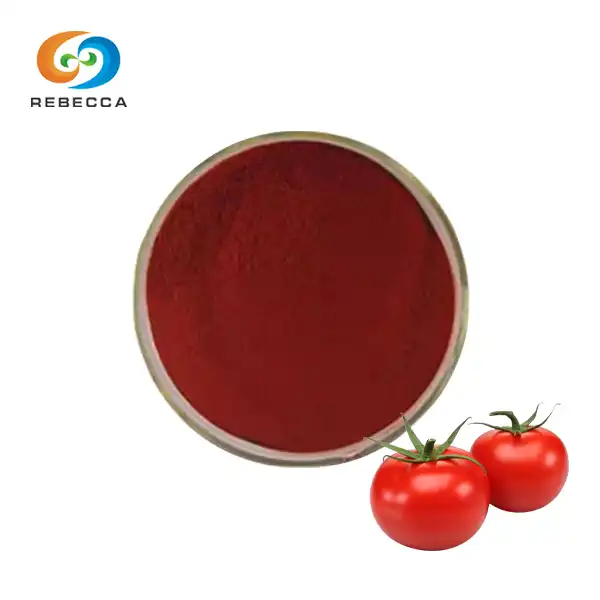
Tomato Extract
【English name】: Tomato Extract
【Latin Name】: Lycopersicon esculentum
【CAS No.】:502-65-8
【Molecular Formula】: C40H56
【Molecular Weight】: 536.87
【Test Method】: HPLC
【Use Part】: Fruit
【Main Ingredient】: lycopene
【Specification】: 5%~98%
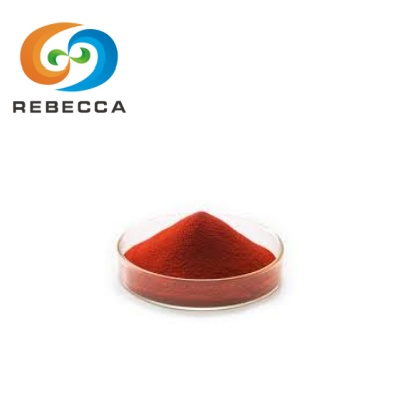
【Appearance】: Dark Red Powder
【Delivery】:FedEx, DHL, Ship by air, Shipr
Mesh size:80 Mesh
Test Method: HPLC
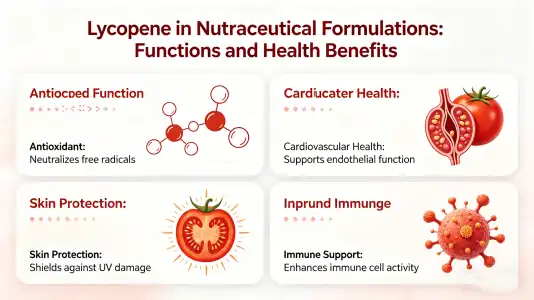
What Is Tomato Extract?
There are different kinds of red tomato powder. In industrial preparation, that difference is very important. Tomato extract powder is frequently misunderstood because the same word is used for a variety of ingredient types, including food-style concentrates, carotenoid-rich extracts, and raw materials standardised for lycopene that are used in supplement formulations.
The Chemistry Behind the Color
Lycopene is a bright red carotenoid hydrocarbon that is found in tomatoes and other red fruits and veggies. It is an organic product that is a tetraterpene and a carotene. Its bright colour isn't by chance. Lycopene's deep red colour comes from eleven double bonds that are joined together. This part of its structure also makes it an antioxidant. Among nutritional carotenoids, it is one of the most powerful protectors.
Lycopene dissolves in fat but not in water. This one trait is very important for both cooking and making supplements because it affects how the food is processed, distributed, and taken.
Where Does the Extract Come From?
In order to protect the important beneficial substances like lycopene, beta-carotene, antioxidants, and vitamins A and C, tomato extract is made through a natural extraction process from fresh or dried tomatoes. More lycopene is made when the fruit that is used is riper. The amount of lycopene in tomatoes varies by type and rises as the fruit ripens.
Tomato extract powder is a dry ingredient that is made from raw tomatoes that have been processed to concentrate certain chemicals or useful parts. It can be defined by the amount of carotenoid, the ratio of extracts, or how it compares to lycopene. Standardisation is very important for business-to-business buyers because it makes sure that big production runs are consistent from batch to batch.
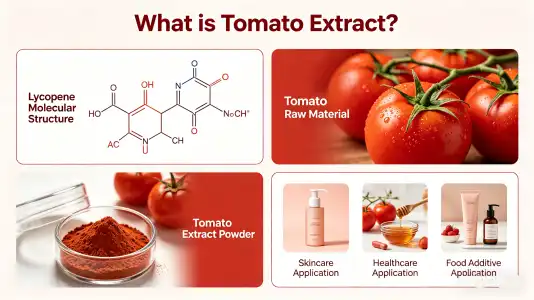
Tomato Extract in Cooking and Food Production: More Than a Flavor Agent
In the production of food, tomato extract has many different uses. Because it can be used in many different ways, demand keeps going up across all product groups. Tomato extract is used a lot in the food, cosmetics, pharmaceutical, and vitamin industries. It is good for you in both functional and nutritional ways, so it's a great addition to products that are health-conscious.
A Natural Colorant with Regulatory Standing
Lycopene extract from tomatoes is meant to be used as a food colour. It gives foods shades of yellow to red that are similar to those made from natural and artificial lycopenes. In real life, formulators use it to give sauces, soups, drinks, and spice mixes their bright colours without using artificial dyes.
Lycopene is coloured food (marked as E160d) because it has a strong colour. It is legal to use in the US, Australia, New Zealand, and the EU. Because it has been approved by regulators, it is one of the safer natural colours that food makers around the world can use.
Why Cooking Boosts Lycopene's Value
A lot of people are surprised to learn that cooking tomatoes makes lycopene work better. The product is not broken down by it. When you cook some fruits and veggies, the nutrients they contain, like vitamin C, decrease. But when you process tomatoes, the usable lycopene percentage rises.
The numbers are very interesting. Lycopene in tomato paste (or Tomato extract) can be used by the body four times better than in fresh tomatoes. Researchers think that preparing or cooking the tomatoes breaks down the cell walls, which makes the lycopene easier for the body to use when it is eaten.
Fats are also important. Cooking, crushing, and serving tomatoes in recipes high in oil greatly improves absorption from the digestive system into the bloodstream. This is because lycopene dissolves in fat, and oil helps absorption. This is very important information for people who make oil-based sauces, salads, or items that are sealed in capsules.
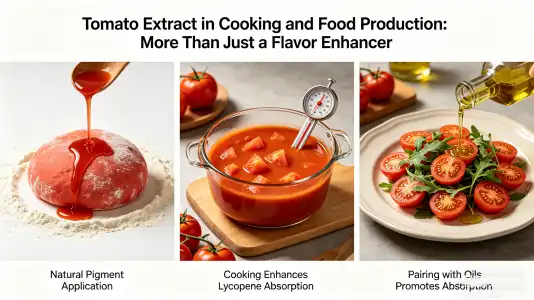
Industrial Food Applications: Where Is Tomato Extract Used?
There are many ways to use it. Some of the things that they sell are breakfast cereals, dairy products, frozen dairy treats, dairy product substitutes, spreads, drinking water, fizzy drinks, fruit and veggie juices, soy drinks, candy, and soups. That list isn't for a niche. It shows how deeply tomato juice has been used in regular food production.
Sauces, soups, drinks, and spice mixes all contain tomato extract as a natural colourant and flavour booster. It gives food a deep colour, a sour taste, and extra protein without using any artificial ingredients.
When added to food, the extract can have use amounts that range from 2 mg/l in bottled water to 130 mg/kg in ready-to-eat grains. This gives formulators the freedom to finetune amount for a wide range of products.
For industry buyers, shelf life and handling security are musts. The extract's lycopene stayed stable for up to 37 months when kept at room temperature and 4°C. When lycopene was used as a food colour, it stayed solid in the food matrix as long as it was stored properly.
There is a big benefit there. The level of security of lycopene relies on the food that it is put to and how it is made. That variation is kept to a minimum by responsibly buying from a standard source.
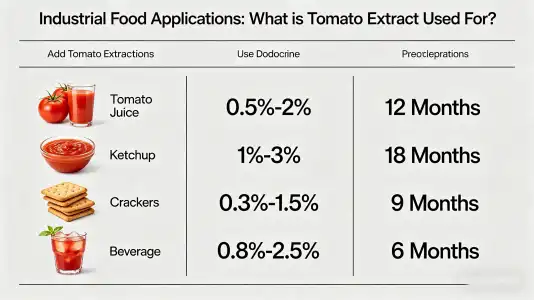
Functional and Wellness Benefits of Lycopene in Health Supplement Formulations
Lycopene's proven health benefits are a strong selling point for B2B buyers who are making health supplement ingredients for pills, powders, and functional drinks. Note that all of these uses are for lycopene as an ingredient in health supplements, not as a finished medicine.
Antioxidant Activity: The Foundation
Lycopene is the main chemical that makes tomato extract work. It is a strong antioxidant that helps fight free radicals and lower reactive stress. Accumulation of free radicals is linked to faster ageing and worsened cell health. This is something that lycopene helps the body handle.
Nutrition science cares about tomatoes because they have more than one active ingredient. Phytoene, phytofluene, beta-carotene, and polyphenol compounds are some of the other chemicals that can be found in tomato-based products. Standardised tomato extract is a great choice for complicated supplement recipes because it has a lot of different compounds.
Cardiovascular Wellness Support
People who eat foods high in lycopene have better outcomes in many stages of atherosclerosis. Lycopene largely changes serum cholesterol levels, vascular failure, inflammation, blood pressure, and the body's ability to fight free radicals. When making lines of supplements for heart health, these qualities are often emphasised on the boxes.
Tomato extract may help lower LDL cholesterol, improve circulation, and keep blood pressure at a safe level if used regularly. Polyphenols and lycopene work together to naturally keep the heart and blood vessels healthy.
Skin Photoprotection
Lycopene can build up in skin cells because it dissolves in fat. Tomato juice has a lot of antioxidants, especially lycopene and beta-carotene, which help protect the skin from UV damage and early ageing. By fighting reactive stress, it gives skin a healthy glow and makes the structure better.
Because of this benefit, tomato extract is now being used in beauty supplements that aim to improve skin health and slow down the ageing process.
Immune System and General Wellness
Tomato extract has natural vitamins A, C, and E that boost the immune system, help cells heal, and make the body's natural defences stronger against germs and harmful substances. Because it has a wide range of health benefits, it can be used in a lot of different formulas.
Lycopene from cooked tomatoes seems to be better absorbed by the body than lycopene from fresh tomatoes. Lycopene is more bioavailable when it is processed, when ingested fats are present, or when heat changes the structure of the lycopene molecule from all-trans to cis.
China Tomato Extract: Rebecca Bio-Tech
Rebecca Bio-Tech is the partner your supply chain needs when your recipe needs a stable, high-purity source of tomato extract that lets you check the amount of lycopene in every batch.
The main things that Shaanxi Rebecca Bio-Tech does are research and development, production, and sales of plant extracts, herbal active ingredient separation, and functional compound study for traditional Chinese herbal medicine. We are a high-tech business that focuses on exports. Our goal is to provide customers in the medicine, health goods, beverage, and cosmetics industries around the world with high-quality natural plant extracts. We are built to support your size. We have three production lines, more than 100 plant products, and a production capacity of more than 500 MTS per year.
We can help you quickly find what you need whether it's for functional foods, nutrition supplements, beverage fortification, or cosmetic uses. We work with business-to-business buyers all over the world and are happy to provide samples and expert advice.
Contact our ingredient specialists today:information@sxrebecca.com
FAQ
1. What is tomato extract used for in food manufacturing?
Tomato extract serves multiple roles in industrial food production. It functions as a natural colorant, a flavor enhancer, and a functional ingredient that adds antioxidant value. It is intended for use as a food color, providing similar color shades ranging from yellow to red as do natural and synthetic lycopenes. It is widely used in sauces, soups, beverages, cereals, dairy products, and seasoning blends.
2. Does cooking destroy lycopene in tomato extract?
No — and in fact the opposite is true. Unlike other fruits and vegetables where nutritional content is diminished upon cooking, processing of tomatoes increases the concentration of bioavailable lycopene. A study published in the American Journal of Clinical Nutrition (Gärtner et al., 1997) suggests that lycopene from tomato paste is 2.5 times more bioavailable in humans than lycopene from fresh tomatoes.
3. What specifications should I look for when buying tomato extract as a B2B ingredient?
Key specifications include lycopene concentration (typically 5%–98%), particle size (mesh), appearance (dark red powder), test method (HPLC), and extraction source (fruit part used). Premium tomato extract is made from carefully selected, ripe tomatoes processed under controlled conditions to maintain nutrient integrity, with manufacturers standardizing the extract to contain a specific percentage of lycopene for consistent quality and potency. Always request batch-specific CoA documentation.
4. What industries commonly use standardized tomato extract?
Tomato extract is used widely in the nutraceutical, food, cosmetic, and pharmaceutical industries, delivering both functional and nutritional benefits, making it a valuable addition to health-conscious formulations. B2B buyers include supplement manufacturers, beverage producers, functional food companies, and personal care formulators.
5. How stable is lycopene in a food or supplement matrix?
Lycopene in the extract was shown to be stable when stored at room temperature and at 4°C for up to 37 months. When used as a food color, lycopene remained stable in the food matrix under appropriate storage conditions. Buyers should store the ingredient away from direct sunlight and excess moisture to maintain potency.
References
1. FAO/WHO Joint Expert Committee on Food Additives (JECFA). Chemical and Technical Assessment: Lycopene Extract from Tomato. Food and Agriculture Organization of the United Nations.
2. Wikipedia contributors. Lycopene. Wikipedia, The Free Encyclopedia. Updated March 12, 2026.
3. Rao A.V., Agarwal S. Tomato lycopene and its role in human health and chronic diseases. CMAJ. 2000; 163(6): 739–744. PubMed Central.
4. Gärtner C., Stahl W., Sies H. Lycopene is more bioavailable from tomato paste than from fresh tomatoes. American Journal of Clinical Nutrition. 1997; 66(1): 116–122.
5. Khan U.M. et al. Lycopene: Food Sources, Biological Activities, and Human Health Benefits. Oxidative Medicine and Cellular Longevity. 2021; 2021:2713511.
6. Trchounian K. et al. Lycopene Extracts from Different Tomato-Based Food Products Induce Apoptosis. Frontiers in Oncology. PMC.