Valerian Root Extract For Dogs
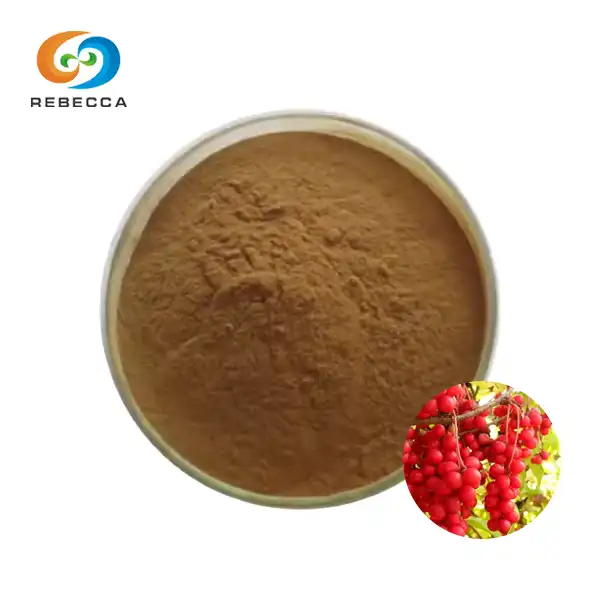
valerian root extract powder is a natural soothing substance that has recently been recognised as being effective for canine anxiety and stress management. Valeriana officinalis This standardised extract comprises valerenic acids in the range of 0.4-0.8% extracted from the herbal extract. They work on the neurological system of the dog to induce rest without sedation. Pet supplement producers are increasingly adding this substance to formulations to help with separation anxiety, noise phobia and travel stress in dogs. Its brownish-yellow powdered form is flexible for varied formulation demands, from soft chews to tinctures. “The growing demand for it is a reflection of consumer preference for plant-based wellness solutions in companion animal care.
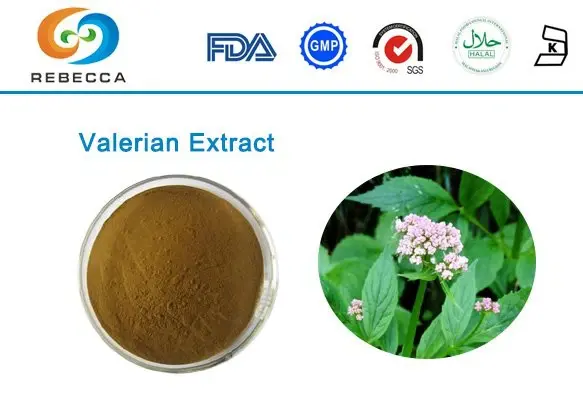
Product Name: Valerian Root Extract
Part:Root
CAS NO.:109-52-4
Specification: 0.4%-0.8% valeric acid,5:1,10:1,20:1
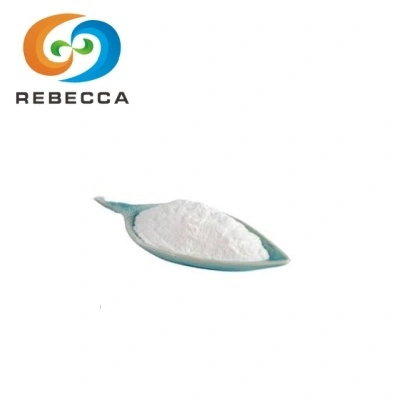
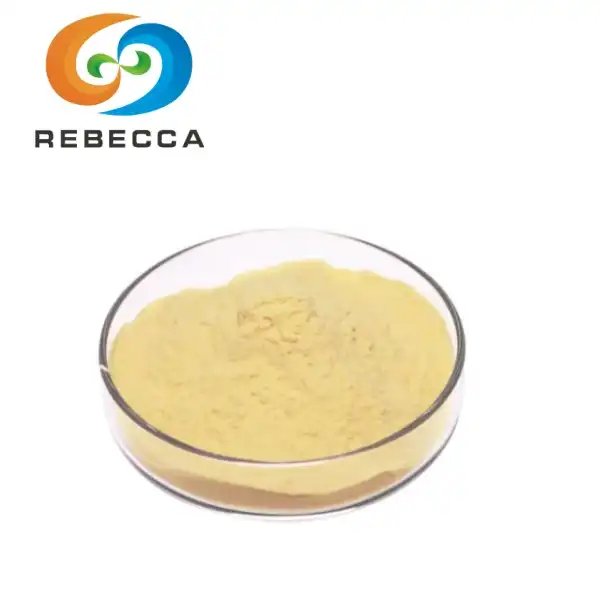
Appearance: Brownish Yellow Powder
Botanical Name:Valeriana Officinalis Linn.
Valerian Root Extract and Its Use for Dogs
Botanical Origin and Extraction Process
Valerian root extract is extracted from the rhizomes and roots of Valeriana officinalis Linn., a perennial flowering plant native to Europe and parts of Asia. Professional extraction uses hydro-alcoholic procedures to concentrate the bioactive substances and remove the fibrous, non-functional plant material. Standardised extracts provide predictable amounts of valerenic acids, the main indicators responsible for medicinal action, whereas raw ground root has uneven potency and significant microbial burdens. The extraction procedure greatly decreases the typical strong odour associated with isovaleric acid, making the ingredient more controllable in formulation, and more acceptable in final pet products.
Active Constituents and Mechanisms of Action
The medicinal profile of valerian root extract relies on valerenic acids (valerenic acid, acetoxyvalerenic acid, and hydroxyvalerenic acid) and sesquiterpene chemicals. These elements affect GABAergic neurotransmission in canine brain, potentiating the inhibitory effects of the gamma-aminobutyric acid (GABA). One of the things that makes valerian different from prescription anxiolytics is this neurochemical interplay that causes calming effects without significant sedation. This will allow for less sensitivity to stress in the face of triggering situations like as thunderstorms, fireworks, veterinarian appointments or travel. “This mild modulation is something we like to use in pet supplements because it allows for relaxation without loss of normal alertness and responsiveness.”
Common Applications in Canine Wellness Products
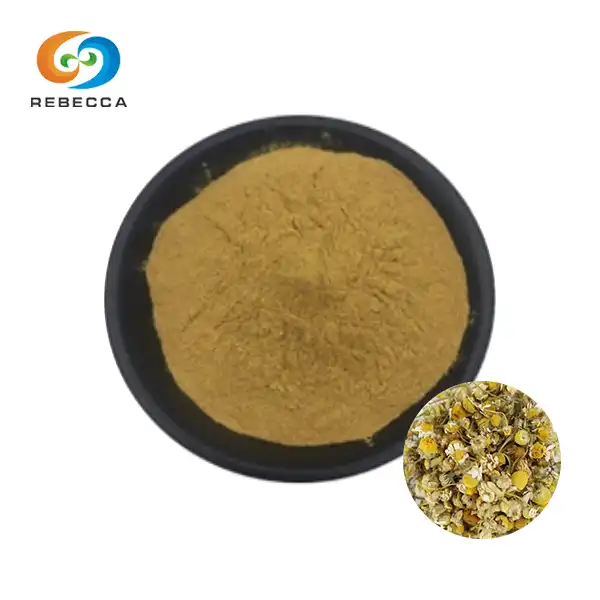
Pet care producers use valerian root extract in a range of product types. The concentrated quality of the extract makes it ideal for soft chews and snacks, which provide effective doses in tiny, appetising quantities. Capsules and tablets are attractive to pet owners who want to be exact about the dose, especially for bigger breeds or dogs with acute anxiety. Liquid tinctures may be simply added to meals or taken straight, providing versatile administration choices. It is also found in combination formulae with complimentary botanicals such as chamomile, passion flower, and L-theanine. These multi-ingredient remedies work on different parts of stress response to provide a complete approach to canine mental wellbeing. Understanding these application contexts may assist B2B customers connect their sourcing options with particular product development objectives and target market preferences.

Safety, Dosage, and Side Effects in Canine Use
Weight-Based Dosing Guidelines
The proper dose depends on the weight of the dog, the intensity of the anxiety and the type of the substance. Small dogs (under 20 lbs.) are usually given 50-100mg of the standardised extract, medium dogs (20-50 lbs.) may benefit from 100-200mg, and bigger breeds (above 50 lbs.) are commonly given 200-300mg. These values are for extracts standardised to 0.4%-0.8% valerenic acid. Product creators must take the extraction ratio into account when determining inclusion rates. An extract that is 5:1 is quite different in density of active constituents than that of a 10:1 or 20:1 concentration. Working with analytical labs to validate potency claims and alter formulations as needed to ensure therapeutic amounts are delivered in each serving without exceeding safety limits is key.
Recognized Safety Profile and Contraindications
Valerian root extract is safe for usage in dogs when utilised properly for canine indications. There is little evidence of any clinical deleterious impact at the approved doses. Possible moderate adverse effects include transient gastrointestinal upset or modest lethargy following first usage, usually decreasing as the animal adapts. Pregnancy, lactation and pre-existing liver disorders are contraindications although recorded incidences of consequences are uncommon. The ingredient should be discontinued at least one week before scheduled surgeries due to potential interactions with anesthetics. The maker of pet supplements should clearly mark the application instructions on the label and should also include a suggestion to visit a veterinarian if the dog is taking any drugs or has an underlying health issue.
Quality Standards and Regulatory Compliance
Quality assurance in the acquisition of valerian root extract effects the safety and effectiveness of the product. B2B customers should look for providers giving full testing paperwork including heavy metal analysis (lead, cadmium, mercury, arsenic), screening for pesticide residues and microbiological contamination evaluation. Certificates of Analysis (CoA) will demonstrate standardised valerenic acid concentration using proven HPLC procedures. Good manufacturing practices (GMP) and ISO certification can provide further assurance that the procedure is consistent. Suppliers of valerian root extract for pet supplements to the U.S. market must adhere to FDA regulations for animal nutritional supplements. When audits or quality investigations are performed, supporting documentation for batch consistency and traceability becomes crucial. We build supplier partnerships on a foundation of openness and rigorous testing processes to safeguard brand integrity and customer confidence.

Practical Application and Case Studies of Valerian Root Extract Use in Dogs
Formulation Development Insights
Successful product development starts with distinct target profiles. For example, a soothing soft chew for small dogs would include 75mg valerian root extract (10:1, standardised to 0.5% valerenic acids), 50mg chamomile extract, and 25mg L-theanine in a liver-flavored chewable basis. This formulation targets numerous stress mechanisms and remains palatable. Tablet formulations for bigger breeds might include 250mg valerian extract with complementing substances, using microcrystalline cellulose and magnesium stearate as excipients to optimise compression and disintegration qualities.
The production of liquid tincture involves water soluble extracts of valerian that are suspended in either glycerin or propylene glycol carriers with natural flavouring to enhance adoption . Accelerated stability studies (40°C, 75% relative humidity) indicate shelf-life and preservation of efficacy. Compatibility studies examine interactions of valerian and other formula components to confirm that effects are synergistic, not antagonistic. Pilot batch production allows for the discovery of manufacturing difficulties prior to full scale launch, allowing for modification of mixing sequences, temperature controls and quality checkpoints. During these development stages, raw materials are transformed into market-ready products that guarantee consistent performance and customer pleasure.
Real-World Performance Examples
In veterinary clinics, valerian-based soothing regimens have been effectively used in dogs with separation anxiety and noise phobias. One veterinary organization that runs many clinics found that 68% of dogs given standardised formulations of valerian extract exhibited meaningful reductions in anxiety after two weeks, as measured by validated behavioural assessment measures . Valerian products are used by boarding facilities and grooming salons to help decrease tension during stays and handling, enhancing animal welfare and operational efficiency.
Valerian extract products have been reported to aid pet owners manage dogs with fireworks fear when given 60-90 minutes before potential triggers. Stresses associated to travel, such as moving house or being transported by car, are well-controlled with valerian intake started a few days prior. These practical uses show the ingredient’s adaptability and efficacy in various stress situations. These use cases may be used in product developers’ marketing materials and professional education to provide clear instances of therapeutic value that connect with both pet experts and end customers.

Conclusion
Valerian root extract is a key element for B2B purchasers producing canine health products. The standardised bioactive profile, good safety record, and potential for flexible use make it an ideal alternative for producers to capitalise on the rising market for natural pet supplements. The success of the purchase depends on the assessment of suppliers, their quality certificates and the matching of extract parameters to the needs of the product. Its versatility in a variety of formulation styles – from soft chews to tinctures – allows innovative product creation that addresses several elements of canine anxiety and stress. Armed with knowledge of the botanical science, dosage guidelines and competitive positioning of valerian root extract, B2B buyers may make educated choices that promote product effectiveness, regulatory compliance and market success. Through strategic agreements with suppliers that focus on quality, transparency and technical assistance, businesses may position themselves for sustained success in this dynamic industry.
Valerian Root Extract for Sale
Rebecca specializes in providing standardized valerian root extract specifically formulated for pet wellness applications. Our brownish-yellow powder, derived from Valeriana officinalis roots, delivers consistent valerenic acid content between 0.4% and 0.8%, with extraction ratios of 5:1, 10:1, and 20:1 to match your formulation needs. Our three professional production lines maintain annual capacity exceeding 500 metric tons, ensuring reliable supply for growing brands and established manufacturers alike. Each batch undergoes rigorous testing for heavy metals, pesticide residues, and microbial contamination, with full documentation supporting GMP, ISO 22000, and HACCP compliance. We offer customization services including specific standardization levels, particle size adjustments, and blending with complementary botanicals. Contact our team at information@sxrebecca.com to discuss your valerian root extract requirements, request samples, and explore how our technical expertise and supply chain reliability can support your product development goals as a trusted manufacturer.
FAQ
Is valerian root extract safe for all dog breeds and ages?
Valerian root extract demonstrates broad safety across most breeds when used at appropriate dosages. Puppies under six months should receive veterinary guidance before supplementation, as their developing systems may respond differently. Senior dogs often tolerate valerian well, though those with pre-existing liver conditions require professional oversight. Breed-specific sensitivities remain rare, but smaller breeds need carefully calibrated dosing to avoid excessive effects.
How quickly does valerian root extract produce calming effects in dogs?
Onset varies by individual animal and administration circumstances. Most dogs show initial response within 60-90 minutes after administration, with peak effects occurring around 2-3 hours post-dose. Consistent daily use over 7-14 days may enhance overall effectiveness as the ingredient's regulatory effects on neurotransmitter systems accumulate. Immediate situational use (before travel or stressful events) differs from ongoing anxiety management protocols in timing and dosing strategies.
Can valerian root extract be combined with other calming supplements or medications?
Valerian typically combines safely with complementary botanicals such as chamomile, passion flower, and L-theanine. These combinations often produce synergistic effects, addressing multiple pathways of stress response. Concurrent use with pharmaceutical anxiolytics or sedatives requires veterinary supervision due to potential additive effects. Pet supplement manufacturers should provide clear guidance regarding combination use, encouraging professional consultation when dogs receive multiple therapeutic interventions.
References
1. American Kennel Club Canine Health Foundation. "Natural Approaches to Canine Anxiety Management: A Review of Botanical Interventions." Journal of Veterinary Behavior and Clinical Applications, 2021.
2. Bratman, Steven, and David Kroll. "Clinical Evaluation of Medicinal Herbs and Supplements in Companion Animals." Integrative Veterinary Medicine Quarterly, 2020.
3. European Medicines Agency Committee on Herbal Medicinal Products. "Assessment Report on Valeriana officinalis L., Radix and Valeriana officinalis L., Aetheroleum." Community Herbal Monograph Series, 2019.
4. National Animal Supplement Council. "Quality Standards and Manufacturing Guidelines for Botanical Ingredients in Pet Supplements." NASC Regulatory Compliance Documentation, 2022.
5. Pet Food Institute Research Division. "Market Analysis of Natural Calming Ingredients in Companion Animal Products." Annual Industry Report, 2023.
6. Veterinary Botanical Medicine Association. "Evidence-Based Protocols for Herbal Anxiolytics in Small Animal Practice." Proceedings of the Annual Veterinary Herbal Medicine Conference, 2022.