What are the benefits of mushroom powder?
The mushroom powder provides concentrated bioactive elements to enhance immunological health, cognitive performance and cellular health with polysaccharides, triterpenes and antioxidants. Derived from such kinds as Reishi, Lion’s Mane and Shiitake, these powders provide a standardised dose and versatility for use in supplements, functional drinks and cosmetics. Mushroom powder is highly valued by purchasing teams for its batch-to-batch consistency, regulatory compliance possibilities, and capacity to differentiate products in competitive marketplaces while fulfilling customer desire for natural, evidence-backed ingredients.
To effectively harness the economic and nutritional benefits of mushroom powder in B2B formulation and procurement, a deep dive into its intrinsic composition, available product forms, and strain-specific functional properties is crucial. A strong grasp of its main bioactive components, professional extraction methods and product differentiation criteria, creates the framework for precise ingredient selection, standardised formulation and compliance product creation. The following sections provide a detailed analysis of the composition, kinds, specific uses, and primary functional benefits of mushroom powder, serving as a technical and procurement reference for professionals within the sector.

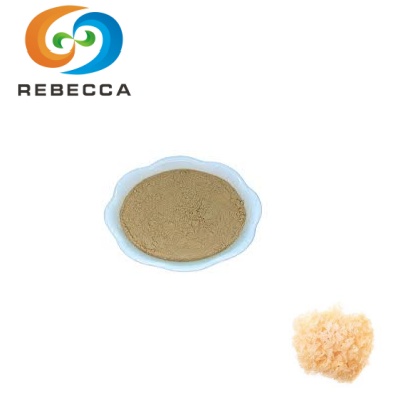
Product Name: Reishi Mushroom Extract
CAS No.: 173075-45-1
Specification: Ganoderma Triterpenes , 1%&1.6%, UV.
Test Method: UV
Latin Name: Ganoderma Triterpenes
Shelf Life: 2 years
Minimum Order Quantity: 1 kg
Samples: Free samples available
Certifications: GMP, ISO, HACCP, KOSHER, and HALAL.
Payment: Various payment methods accepted.
Advantages: Manufactured in a 100,000-grade cleanroom, our products are additive-free, non-GMO
Inner Package: Double PE Bags; Net 5kg/Bag
Outside Package: Paper Drums, Net 25kg/Drum
Storage:Store in a cool, dry place away from Light and Heat.
Mushroom Powder: Composition and Types
Bioactive Compounds and Extraction Methods
Mushroom extracts include several groups of molecules which are responsible for their functional qualities. Beta-glucans are high molecular weight polysaccharides and the key immunomodulatory constituents, especially the 1,3/1,6-branched beta-glucans found in Reishi and Shiitake. Triterpenes such as ganoderic acids in Reishi are responsible for the bitter taste and hepatoprotective effects. The extraction process influences directly the final composition: hot water extraction is efficient in isolating the polysaccharides, while alcohol extraction is efficient in capturing the triterpene fractions. Both are used in dual-extraction procedures to provide full spectrum profiles.

Differentiating Powder Forms
It is important for purchasing departments to differentiate between ordinary dry mushroom powder and concentrated extracts on the market. Raw mushroom powder includes beta-glucans of 1-3% range. But nutrients are entrapped in chitin and are resistant to digestion. The standardised extracts containing 30-50% polysaccharides have far improved bioavailability and dosage accuracy. Concentration ratios such as 10:1 or 20:1 refer to the amount of raw material used and do not guarantee the quantities of active compounds present. Standardised standards validated by UV spectrophotometry or HPLC are more reliable indicators of quality.

Species-Specific Applications
Different types of mushroom are formulated for different uses. Stress Adaptation Formulas Liver Support Formulas Reishi (Ganoderma lucidum) standardised for triterpenes Lion’s Mane is focused on target cognitive function products because of hericenones and erinacines. Lentinan-rich shiitake extracts are suitable for immune support applications. Cordyceps variants are good for energy metabolism formulations. Regulatory agencies want to see clinical data relevant to the species. Procurement methods need to be aligned with species selection, end-product claims and target demographics.
Having a solid understanding of the fundamental makeup of mushroom powder, extraction processes, product categories, and strain-specific traits, it is equally important to go further into the evidence-based functional benefits. The bioactive ingredients of medicinal mushrooms provide the ingredient many targeted health supporting capabilities, driving its extensive acceptance in luxury nutraceuticals, cognitive health products and cosmetics formulations. The next section methodically describes the basic health advantages of standardised mushroom powder extracts.

Core Health Benefits of Mushroom Powder
Immune System Modulation
They are biological response modifiers . They attach to complement receptors and activate macrophages and natural killer cells . Clinical trials show that 500-1000mg standardised extracts per day boost immune surveillance without overstimulation. This two-way modulation may make mushroom extracts especially attractive to supplement formulators who are interested in immune support claims that can pass muster with the FDA. An example of the accuracy needed for pharmaceutical R&D applications where batch-to-batch consistency directly affects clinical trial results is Reishi Mushroom Extract standardised to 1% or 1.6% Ganoderma Triterpenes (UV tested, CAS No. 173075-45-1).
Cognitive Function Enhancement
The chemicals in Lion’s Mane extracts help to produce nerve growth factor, which helps neurones stay healthy and supports cognitive function. Nootropic beverage and cognitive health supplement formulation teams are working on water-soluble extracts that are stable during pasteurisation. Finished products often include dosages of 300-1000mg per day, so choose suppliers that can provide extracts with proven polysaccharide content and low heavy metals, so the product meets EFSA and FDA criteria for long term consumption safety.
Antioxidant and Anti-Inflammatory Properties
Mushroom extracts include phenolic chemicals and ergothioneine which neutralise reactive oxygen species and modify inflammatory pathways. Cosmetic chemists making serums and creams like these qualities, where natural anti-inflammatory chemicals complement ISO 16128 natural content estimates. Besides the demonstration of safety profiles, documentation of dermal irritation test and preservative compatibility data are required for skincare applications. Quantifiable quality indicators to support marketing claims include antioxidant capacity (by ORAC or DPPH testing).
The varied health-promoting effects of mushroom extracts provide a good theoretical basis for industrial formulation applications. However, the functional performance, product stability and economic viability are highly dependent on the standardised B2B formulation procedures for distinct end products. The dose, solubility, stability and compatibility of the extract are all influenced by the application situation and might be quite different, for example, for nutritional supplements, functional drinks and cosmetic goods. Here is a specific review of professional ways to apply mushroom powder in common B2B cases.

How to Use Mushroom Powder Effectively in B2B Contexts?
Formulation Considerations for Supplements
Typically, capsule formulations will include 300-500mg of standardised extract per serving and need to use flow agents and excipients that are compatible with hygroscopic mushroom powders. Extracts for tablet compression need a regulated moisture level of less than 5% to avoid deterioration during storage. Polysaccharides may interact with minerals and influence dissolving rates therefore we propose that compatibility tests be carried out with other active ingredients. Enteric coating may improve bioavailability of acid-sensitive drugs but complicates manufacture.
Beverage Applications
The use of mushroom extracts presents significant hurdles for manufacturers of functional beverages, especially in relation to clarity and flavour masking in RTD beverages. Spray-dried extracts are more soluble than drum-dried and dissolve in cold water in 60 seconds. The heat stability tests should show polysaccharides integrity over pasteurisation cycles at 72°C. Nano-filtration eliminates any remaining particles that would settle out as silt, crucial for high end beverage presentations. Flavour systems have to deal with the earthy, occasionally bitter aromas. Vanilla, chocolate and coffee bases provide good masking in consumer studies.
Cosmetic Integration
Mushroom extracts have humectant characteristics that are good for topical treatments and help strengthen skin barrier. Extract concentrations in serums of 0.5-3% are normal, with formulators maintaining pH 5.0-6.5 for maximum stability. Emulsion systems need to be tested for compatibility, since large molecular weight polysaccharides might alter viscosity. Polysaccharides are susceptible to microbial contamination . This leads to preservation issues and requires wide range preservative solutions with proven efficiency against yeast and mould . Regulatory filings (EU and US) supported by safety evaluation paperwork including HRIPT studies

Conclusion
Mushroom extracts are complex functional substances needing scientific assessment beyond commodity buying frameworks. Successful procurement requires knowing the interaction between extraction process, standardisation of active compounds and performance criteria for particular applications. The difference between raw powder and standardised extracts profoundly affects the effectiveness of formulations and their regulatory positioning. Clinical evidence must be available to support target health claims in species selection. Brand reputation and consumer safety are protected by quality assurance via rigorous testing procedures. Fast changing markets for functional ingredients need strategic supplier relationships that offer certification depth, technical assistance and supply chain stability to establish competitive advantages.
Partner with Rebecca for Premium Mushroom Extract Solutions
Rebecca specializes in delivering pharmaceutical-grade mushroom extracts that meet the exacting standards of global R&D teams and formulation specialists. Our Reishi Mushroom Extract, standardized to precise Ganoderma Triterpenes levels (1% and 1.6%, CAS No. 173075-45-1), demonstrates the analytical rigor underpinning our entire product portfolio. With three dedicated production lines generating over 500MTS annual capacity, we supply consistent batches backed by comprehensive GMP, ISO22000, and HACCP certifications.
Our technical team provides formulation support addressing solubility challenges, stability optimization, and regulatory documentation requirements across FDA, EFSA, and other international frameworks. We maintain full traceability from cultivation through extraction, with third-party verified testing confirming heavy metal compliance, microbial safety, and standardized bioactive levels. Flexible MOQs accommodate both trial formulations and commercial-scale production, supported by reliable logistics offering FOB, CIF, and DDP terms tailored to your supply chain requirements.
Procurement professionals seeking a dependable mushroom powder manufacturer benefit from our customization capabilities—adjusting specifications from 10% to 98% purity across multiple extract forms. Contact our team at information@sxrebecca.com to discuss your project requirements, request technical data sheets, or arrange sample evaluation. Visit sxrebecca.com to explore our complete botanical extract portfolio designed for the demanding standards of pharmaceutical, nutraceutical, beverage, and cosmeceutical applications.
FAQ
What is the recommended dosage of mushroom extracts for supplement formulations?
Dosage depends on extract concentration and target health benefit. Immune support formulations typically contain 500-1000mg of extracts standardized to 30% polysaccharides. Cognitive function products using Lion's Mane range from 300-1000mg daily. Reishi extracts standardized for triterpenes work effectively at 500-1500mg. Raw powder requires 2-3g daily to achieve equivalent bioactive exposure. Procurement teams should request clinical study references supporting specific dosage claims to align with regulatory substantiation requirements.
How do organic and conventional mushroom extracts differ in quality?
Organic certification ensures cultivation without synthetic pesticides and fertilizers, reducing chemical residue risks but doesn't automatically guarantee higher active compound levels. Conventional extracts may test equally for polysaccharides and triterpenes while offering cost advantages. The choice hinges on brand positioning and target market preferences—European consumers show stronger organic preferences than Asian markets. Both require identical heavy metal and microbial testing. Procurement should prioritize standardized active levels and comprehensive safety testing over certification status alone.
Can mushroom extracts integrate into acidic beverage formulations?
Most mushroom extracts maintain stability in pH ranges from 3.5-7.0, suitable for typical functional beverage applications. However, prolonged exposure to pH below 3.0 may degrade polysaccharides, requiring stability testing under specific formulation conditions. Heat-stable extracts withstand pasteurization without bioactivity loss. Precipitation issues sometimes arise in clear beverages—nano-filtered or specially processed "clear grade" extracts solve this challenge. Formulation testing with target beverage matrices during ingredient evaluation prevents costly reformulation delays.
References
1. Wasser, S.P. (2014). "Medicinal Mushroom Science: Current Perspectives, Advances, Evidences, and Challenges." Biomedical Journal, 37(6), 345-356.
2. Friedman, M. (2016). "Mushroom Polysaccharides: Chemistry and Antiobesity, Antidiabetes, Anticancer, and Antibiotic Properties in Cells, Rodents, and Humans." Foods, 5(4), 80.
3. Patel, S. and Goyal, A. (2012). "Recent Developments in Mushrooms as Anti-Cancer Therapeutics: A Review." 3 Biotech, 2(1), 1-15.
4. Jayachandran, M., Xiao, J., and Xu, B. (2017). "A Critical Review on Health Promoting Benefits of Edible Mushrooms through Gut Microbiota." International Journal of Molecular Sciences, 18(9), 1934.
5. Sullivan, R., Smith, J.E., and Rowan, N.J. (2006). "Medicinal Mushrooms and Cancer Therapy: Translating a Traditional Practice into Western Medicine." Perspectives in Biology and Medicine, 49(2), 159-170.
6. Valverde, M.E., Hernández-Pérez, T., and Paredes-López, O. (2015). "Edible Mushrooms: Improving Human Health and Promoting Quality Life." International Journal of Microbiology, Article ID 376387.