What foods contain L-ergothioneine?
L ergothioneine is a natural active ingredient first discovered in 1909, as the only natural 2-thioimidazole amino acid, it is widely present in nature but cannot be synthesized by the human body autonomously, and can only be ingested through diet and accumulated in red blood cells, liver and other tissues with the help of OCTN1 transporter. The unique value of this ingredient lies in its stable antioxidant properties, which are not easily oxidized in the physiological environment and can gently protect body functions, making it a natural health ingredient that has attracted much attention in recent years.
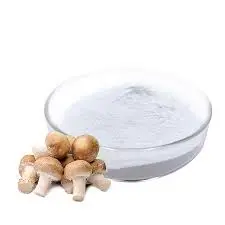
Natural Active Ingredients: Indispensable For The Body
①Basic Properties
Mild and stable natural ingredient l ergothioneine powder is a white crystalline compound with no obvious odor, easily soluble in water, stable at physiological pH and moderately alkaline environments, and decomposition temperatures up to 262-265°C. Compared with other natural thiol antioxidants, it has a higher redox potential and is more stable on its own, and can continue to function in the body, with a half-life of up to 32-45 days. This stability makes it less likely to be lost during daily cooking and can be better retained in food and absorbed by the body.
②Physiological Value
Gently protect body functions As a natural antioxidant, L ergothioneine can effectively scavenge reactive oxygen species such as hydroxyl radicals and hypochlorous acid, and can also chelate metal ions such as ferric iron and copper, reducing the impact of oxidative stress on cells. At the same time, it regulates inflammatory responses, inhibits overexpression of inflammatory factors, and creates a stable internal environment for the body. In addition, it can also support normal cell growth, maintain immune balance, and have positive implications for skin condition and post-exercise recovery.
List of Foods Rich In L-ergothioneine: In Order Of Content
Having learned about the basic properties of L-ergothioneine and its positive benefits for the body, it is more important to know how to get it efficiently through your daily diet. From the available research, L ergothioneine in food is mainly derived from microbial synthesis, fungi, bacteria and other microorganisms are its main "producers", and then passed through the food chain to animals and plants. Therefore, fungi, animal tissues and some grains have become the core access channels, and the content of different foods varies significantly, and is greatly affected by varieties, origins and processing methods.
①Fungi food: the core source of L-ergothioneine (the highest content)
Fungi are the main natural carriers of L-ergothioneine, and most fungi can synthesize this ingredient independently, and it will be further concentrated after drying, and the content is much higher than that of other food groups, making it the first choice for daily supplementation.
•High content of rare fungi (mainly dry products)
The content of L-ergothioneine in this type of fungus is the highest, and some belong to medicinal and food homologous varieties, and the active ingredients are more concentrated:
Porcini mushroom (dry product): the peak content can reach 727mg/100g dry weight, of which the content of black porcini mushroom is slightly higher than that of white porcini mushroom, and the content of wild varieties is 30%-50% higher than that of artificially cultivated varieties due to the more complex growth environment.
Black truffle (dry product): Known as the "king of ergothioneine", the product content in core production areas (such as Italy and Yunnan) is stable at 180-220mg/100g, and its unique symbiotic growth model makes the active ingredients more easily absorbed by the body.
Matsutake mushrooms (dried products): The content of matsutake mushrooms in high-altitude production areas (above 3000 meters above sea level) is about 150-200mg/100g, and although the content of fresh products has dropped to 20-30mg/100g, it is suitable for direct sashimi or quick stir-fry because the nutrient retention is more complete.
Morels (dried products): The content is about 80-120mg/100g, rich in a variety of amino acids, and ergothioneine is highly stable, and can be retained by more than 80% even if the soup is made for a long time.
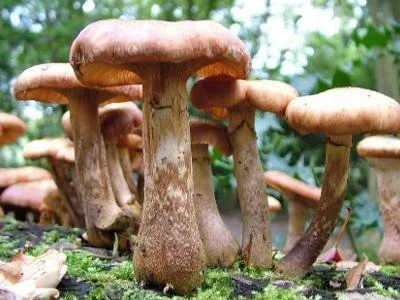
•Common mushrooms in daily life (both fresh and dried)
These types of mushrooms are easy to buy and affordable, and are the core choice for ordinary families to supplement their daily lives:
Dried shiitake mushrooms: The content of ordinary dried shiitake mushrooms is about 30-60mg/100g, and the content of flower mushrooms (high-quality varieties of shiitake mushrooms) can reach 80mg/100g.
Oyster mushroom (dried product): the content is about 25-40mg/100g, fresh product is about 5-8mg/100g, the meat is thick, suitable for stir-frying, roasting and other cooking methods, taking into account both taste and nutrition.
Enoki mushrooms, oyster mushrooms: the content of dried products is 5-8mg/100g, and the content of fresh products is about 1-3mg/100g, although the content of a single gram is not high, but due to the high frequency of consumption and large single intake, the cumulative supplementation effect is remarkable. Bamboo shoots (dried products): The content is about 15-25mg/100g, rich in dietary fiber, and stewed with chicken soup and pork rib soup, which can supplement a variety of nutrients at the same time.
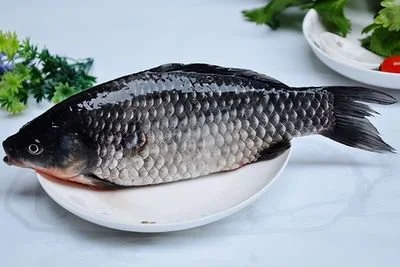
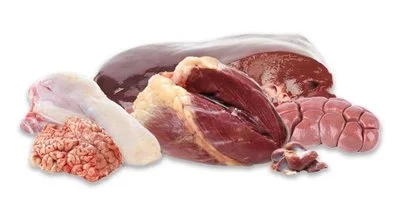
②Animal-derived food: an important channel for supplementation
Animals themselves cannot synthesize L-ergothioneine, and all the components in its body come from dietary intake (such as animals eating feed containing fungi) and accumulate in metabolically active tissues, so the content of offal and aquatic products is relatively higher.
③Plant-derived foods: auxiliary options for gentle supplementation
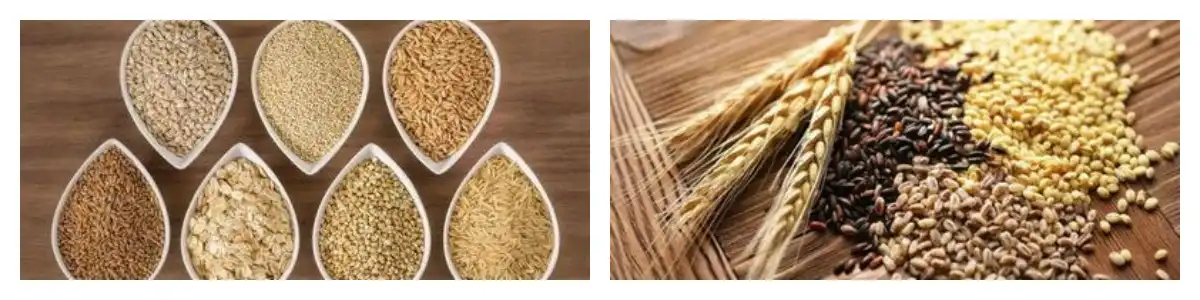
L-ergothioneine in plants mainly comes from the synthesis of root microorganisms (such as fungi and plants in the soil), so whole grains, legumes, and some nuts contain trace components.
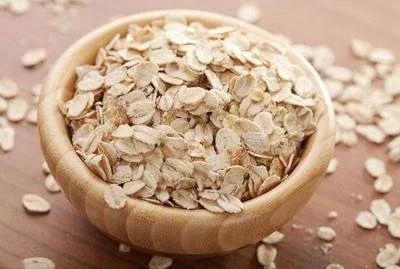
· Grains Oats: The content of whole oatmeal is about 1.5-2mg/100g, and the content of refined oatmeal is reduced to 0.5-1mg/100g due to the loss of some nutrients during processing.
· Rye, whole wheat: rye content is about 1mg/100g, whole wheat flour is about 0.8-1mg/100g, refined rice and noodles (white rice, white noodles) are only 0.1-0.2mg/100g, and daily staple foods can be appropriately replaced with multigrain rice.
· Millet and quinoa: millet content is about 0.6-0.8mg/100g, quinoa is about 0.5-0.7mg/100g, suitable for cooking with oats and rice to improve the nutrient density of staple foods.
· Beans and nuts Beans: black beans are about 0.5mg/100g, red beans and mung beans are about 0.3-0.4mg/100g, and soybeans are about 0.2-0.3mg/100g, which can be made into soy milk, tofu or porridge, which can improve the digestion and absorption rate.
· Nuts: Walnuts contain about 0.3-0.4mg/100g, almonds about 0.2-0.3mg/100g, and cashews about 0.15-0.25m
· Other plants
Some vegetables and fruits contain very trace amounts of L-ergothioneine (usually less than 0.1mg/100g), such as spinach, broccoli, blueberries, strawberries, etc., which cannot be used as the main source of supplementation, but because they are rich in other antioxidants, they can achieve nutritional synergy when eaten.
Dietary Combinations and Precautions
Knowing which foods are rich in L-ergothioneine, a reasonable diet and control of intake can maximize its value. Combined with the recommendations of authoritative agencies and the characteristics of human absorption, the following practical guidelines can help you obtain this ingredient more efficiently.
①Daily diet matching skills Prioritize mushrooms:
Eat dried mushrooms, porcini mushrooms and other mushrooms 2-3 times a week, which can be cooked by making soup, stir-frying, etc., which not only retains nutrients but also improves taste.
Multigrain and legume combination: Mix oats and rye with black beans and red beans to cook porridge or make multigrain rice, so that staple foods can become an important carrier of L-ergothioneine supplementation.
Animal protein supplement: Eat pork liver, chicken liver and other offal in moderation every week (1-2 times / week), with fish and shrimp and other aquatic products to achieve a comprehensive supplement of animal and plant sources.
Overall diet structure: Maintain the combination mode of "mushrooms + whole grains + high-quality protein" to avoid excessive intake of a single food and take into account nutritional balance.
② Intake reference and individual differences
According to the EFSA (European Food Safety Authority) assessment in 2016, a daily intake of 30mg L-ergothioneine for adults is safe, and the basic health care needs can be controlled at 5-10mg/d, which is equivalent to the intake of 40-80g of dry heavy mushrooms. USP (United States Pharmacopeia) recommends that dietary supplements should not exceed 60mg per day, which is within the broad safe range.
It is important to note that there are differences in the efficiency of L-ergothioneine absorption among individuals, which is related to the function of the OCTN1 transporter. Absorption efficiency may be slightly lower in children, the elderly, and frail people, which can be compensated for by increasing food diversity. Maintain a variety of intake in your daily diet, do not deliberately pursue high doses, and meet your body's needs through gentle supplementation with natural foods.
③ Precautions for Special Populations
Vegetarians: Focus on supplementation through fungi and whole grains, incorporating 3-4 different types of fungi weekly to ensure adequate intake.
For those with seafood allergies: Avoid seafood and increase the frequency of consuming dried shiitake mushrooms, porcini mushrooms, and other fungi.
For those with high cholesterol or high blood lipids: Reduce the intake of animal organs and prioritize fish, shrimp, and fungi as primary sources of nutrition.
Supplier of L Ergothioneine
Rebecca's L-ergothioneine powder is known for being pure and having strict quality control methods. One of the most important things about their product is that it doesn't include any "D-ergothioneine" residues. This is important since D-ergothioneine is the mirror image (or enantiomer) of L-ergothioneine and may not have the same biological effects.
The fact that Rebecca's product doesn't include any D-ergothioneine residues shows that it was made with a high level of purity and accuracy. This is especially crucial for scientists, supplement makers, and other fields who need L ergothioneine with a high level of purity for their work.
Natural sources of L-ergothioneine, such mushrooms and certain legumes, are still vital for getting it into your diet. But synthetic or refined versions of L-ergothioneine, like those made by Rebecca, are very useful for many uses. These might be scientific study, making dietary supplements, or using them in functional foods or cosmetics.
The company has a direct channel of connection for anybody who want to know more about Rebecca's L-ergothioneine powder or who might want to do business with them. People who want to know more should email information@sxrebecca.com. The company's dedication to openness and customer service is shown by this open channel for information.
References
[1] Tanret C. Sur une base nouvelle retiree du seigle ergote, L-Ergothioneine[J]. Compt Rend Acad Sci, 1909, 149:222-224.
[2] Mitsuyama H, May J M. Uptake and antioxidant effects of ergothioneine in human erythrocytes[J]. Clinical Science, 1999, 97(4):407-411.
[3] Research progress on the function, preparation and application of ergothioneine[J]. Amino Acids and Bioresources, 2006, 28(1):63-67.
[4] Aruoma O I, Whiteman M, England T G, et al. Antioxidant action of ergothioneine: Assessment of its ability to scavenge peroxynitrite[J]. Biochem Biophys Res Commun, 1997, 231(2):389-391.
[5] European Food Safety Authority (EFSA). Safety assessment of L-ergothioneine as a novel food ingredient[R]. 2016.