What fruits contain amygdalin?
The cyanogenic glycoside amygdalin B17 is present in the kernels and seeds of stone fruits such as apricots, bitter almonds, peaches, cherries, and apples. Amygdalin is most abundant in bitter apricot kernels, which contain 3-4% of their weight. Because of its therapeutic uses and complicated metabolic characteristics, D-amygdalin (CAS No. 29883-15-6) has drawn a lot of interest from researchers and supplement manufacturers.
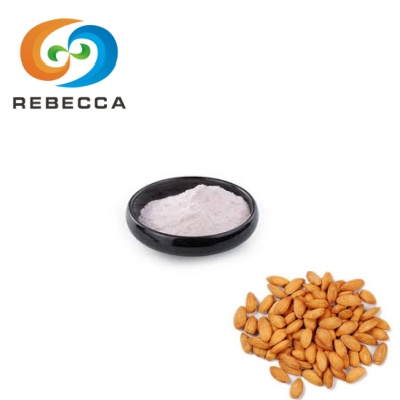
Amygdalin B17
Product Name:Amygdalin B17
Latin Name:Armeniacae Amarum Semen
Active Ingredient:Amygdalin
Specification:98%
Test Method:HPLC
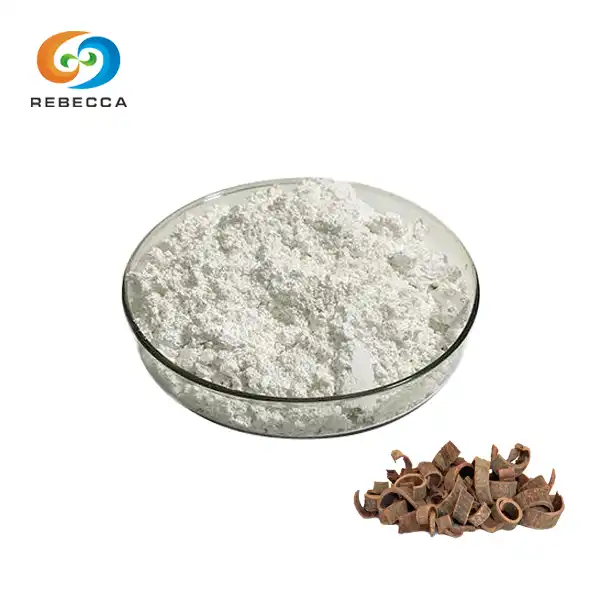
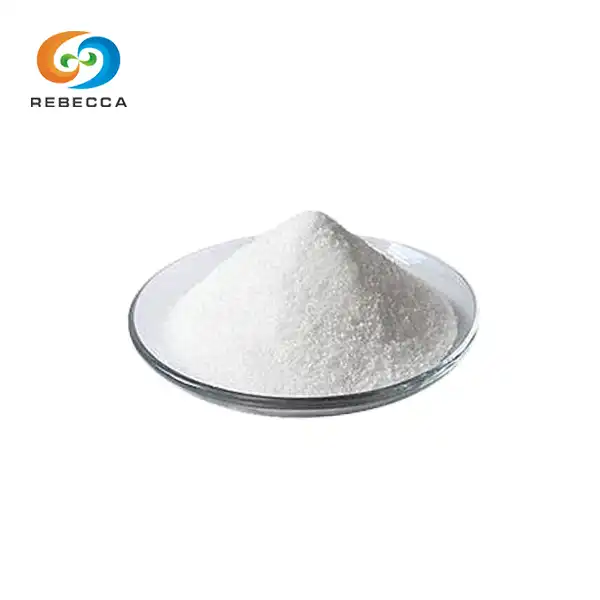
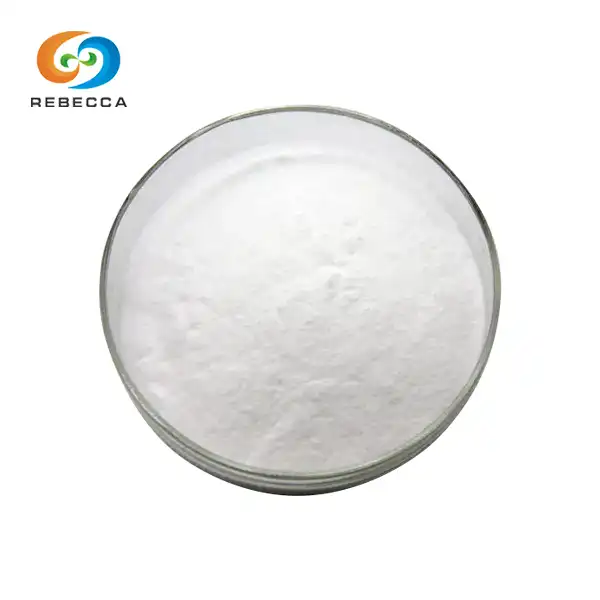
Appearance:White powder
Cas No.: 29883-15-6
Shelf Life: 2 years
Minimum Order Quantity: 1 kg
Samples: Free samples available
Certifications: GMP, ISO, HACCP, KOSHER, and HALAL.
Payment: Various payment methods accepted.
Advantages: Manufactured in a 100,000-grade cleanroom, our products are additive-free, non-GMO
Inner Package: Double PE Bags; Net 5kg/Bag
Outside Package: Paper Drums, Net 25kg/Drum
Storage:Store in a cool, dry place away from Light and Heat.
Understanding Amygdalin B17: Key Facts for Procurement Professionals
Amygdalin, a complex cyanogenic glycoside, is becoming more important in the production of both medicines and dietary supplements. When humans metabolize this compound, which contains a cyanide group, two glucose molecules, and a benzaldehyde group, several metabolic processes are triggered.
Chemical Structure and Bioavailability Considerations
When beta-glucosidase interacts with a bioactive compound, it catalyzes its hydrolysis into benzaldehyde, hydrogen cyanide, and glucose. Therefore, individuals engaged in obtaining amygdalin for novel products must thoroughly evaluate the advantages and potential risks associated with this metabolic process. Furthermore, the methods of extraction, processing, and storage of a chemical influence its stability and efficacy within the human body.
Modern analytical methods, such as High-Performance Liquid Chromatography (HPLC), enable accurate measurement of amygdalin, ensuring consistent quality throughout manufacturing. Amygdalin used in professional environments often has purity levels above 98%, a trait that complies with stringent pharmaceutical manufacturing rules.
Research Applications and Market Positioning
Recent scientific studies on amygdalin's effects on various cancer cell lines, such as those from prostate, lung, colon, and rectal cancers, support its potential use in cancer research. However, regulatory agencies are currently evaluating its safety and effectiveness.
Armed with a good grasp of research environments, procurement teams working with research institutes or supplement manufacturers may more effectively align product specifications with intended applications and regulatory requirements.
Which Fruits Contain Amygdalin? Identifying Natural Sources
The pharmaceutical and supplement businesses throughout the world rely on commercial extraction and purification methods that begin with natural amygdalin sources. Product legitimacy, supply chain stability, and raw material quality may all be better assessed when procurement experts have a firm grasp of these sources.
Primary Fruit Sources and Concentration Levels
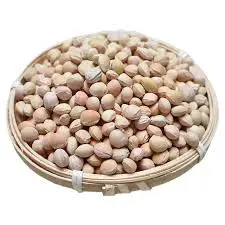
The apricot kernel is the most cost-effective source of natural amygdalin, with amounts ranging from 20-80 μmol/g depending on the cultivar and growing conditions. amygdalin B17 concentrations may reach 5.5 g/100 g in bitter apricot cultivars, although they are typically much lower in sweet apricot kinds.
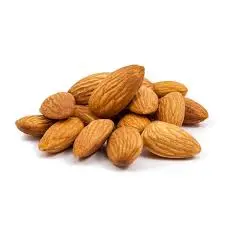
Similar to apricot kernels, bitter almonds are a valuable commercial source of amygdalin because of their similar quantities of the compound. These nuts have a long history of usage in traditional medicine and are still used as raw materials in current extraction processes.
The modest quantities of amygdalin in apple seeds, cherry pits, and peach kernels provide extra processing hurdles owing to their smaller size and lower concentration ratios. In cases where primary sources are not easily available, these sources usually step in to fill the void, whether it be for specialized applications or local markets.
Natural vs. Synthetic Amygdalin Quality Considerations
For business-to-business procurement methods, amygdalin generated from natural fruits provides several benefits. Extracts from fruits retain their molecular structures and often include other phytochemicals that work together to boost bioavailability or have synergistic effects.
Although chemical synthesis methods may attain high purity levels when producing synthetic amygdalin, they may not have the complex phytochemical matrix that is present in natural sources. Natural product supplement businesses may benefit from genuine labeling options and customer trust benefits with amygdalin generated from fruit.
To guarantee the integrity of the product all the way through the supply chain, quality assessment processes should include measures to confirm the product's origin, record the extraction technique, and conduct thorough analytical testing.
Amygdalin B17 in the Market: Product Forms and Procurement Insights
Various product formulations are available in the worldwide amygdalin B17 market to cater to the demands of different industries and their respective applications. The ability to optimize buying choices and connect product specifications with production goals is enhanced when procurement teams have a good grasp of these differences.
Available Product Configurations
Commercial amygdalin products typically appear as white crystalline powder with 98% purity levels, standardized through HPLC testing methods. This standardized form provides excellent stability characteristics and versatile application potential across pharmaceutical, nutraceutical, and research sectors.
Beverage applications or items that need quick dissolving properties might benefit from liquid extract compositions. Stabilizing agents are often used in these forms to ensure that the potency remains intact throughout storage and transit.
Supplement makers benefit from encapsulated amygdalin B17 because they provide simple dosage choices and shield the active ingredient from environmental variables that might reduce its stability.
Bulk Procurement Strategies and Logistics
The standard minimum order quantity for professional amygdalin providers is around 1 kilogram, which covers both research-scale demands and commercial manufacturing requirements. This adaptability allows for bigger production processes to scale up throughout product development stages.
The specified packaging includes 25 kilogram net weight paper drums with double PE bags within, and 5 kg net weight outside. This setup maximizes the security of products before shipment abroad and makes handling easier at production sites.
To maintain product stability for the full two years, it must be stored in a cold, dry place, away from light and heat. For procurement teams overseeing diverse ingredient portfolios, these factors impact warehouse layout and inventory management tactics.

Amygdalin B17 vs Other Treatments: Comparative Analysis for Informed Decision-Making
Successfully placing amygdalin goods in the market requires an in-depth familiarity with the regulatory factors, competitive alternatives, and buying choices that shape product development plans.
Regulatory Landscape and Compliance Considerations
The regulatory environments in which amygdalin B17 products function are intricate and different in each country's market. Although regulatory status varies greatly between jurisdictions, the chemical has been included in cancer treatment regimens in more than 20 countries, including the US, Germany, Italy, Japan, and the Philippines.
Depending on its intended use and target markets, amygdalin may be required to have Drug Master File (DMF) paperwork and adhere to Good Manufacturing Practice (GMP) requirements when used in pharmaceutical applications. Various compliance methods are required for supplement applications since they usually come under food and dietary supplement laws.
Products aiming for a wide variety of international markets might benefit from international certifications such as ISO, HACCP, KOSHER, and HALAL, which open up new avenues for market entry and increase customer acceptability.
Competitive Analysis and Market Positioning
Companies who prioritize the use of natural ingredients and traditional medicine may benefit from the natural fruit-derived amygdalin's higher market positioning when compared to synthetic equivalents. Some market niches benefit from the compound's cultural resonance due to its long history of usage in folk medicine.
The possible benefits of amygdalin over traditional therapy methods, such as specific targeting mechanisms and lower side effect profiles, are still the subject of ongoing clinical investigation. When it comes to managing ingredient strategies over the long term, procurement teams are impacted by these new research breakthroughs in terms of market demand and price dynamics.

Best Practices for Procuring Amygdalin B17 Products
Optimizing operational efficiency and cost-effectiveness while ensuring product quality, regulatory compliance, and supply chain dependability are essential for successful amygdalin procurement. Systematic assessment processes must be put in place for this.
Quality Assessment Frameworks
Verification processes for suppliers look at their production capacities, certification status, and quality control systems as part of a thorough quality review. Particularly for amygdalin B17, suppliers should show that they follow GMP guidelines and have the necessary certifications, such as ISO 22000 for food safety management.
Purity testing to achieve a minimum of 98% amygdalin content, identification confirmation using HPLC analysis, and contamination screening for heavy metals, pesticides, and microbiological contaminants should all be part of analytical testing methods. The safety of the product and its conformity with regulations in all target markets are guaranteed by these testing standards.
The data relevant to each batch, including purity levels, moisture content, and microbiological test results, may be found in the Certificate of Analysis that should be included with every shipment. This paperwork is necessary for regulatory filings and quality assurance methods.
Strategic Supplier Relationship Management
Stability benefits, including as preferential allocation during supply shortages, access to technical assistance, and potential for customisation for unique applications, are provided by long-term supplier agreements. For businesses that need their products to have constant specs across several manufacturing cycles, these ties become invaluable.
Brand personalization is made possible by suppliers who provide private labeling and OEM services, all while upholding quality standards and regulatory compliance. When businesses diversify their product offerings, these services help them achieve their goals of standing out in the market and building their brands.
Quick resolution of quality queries or application issues that may occur during product development or manufacture may be achieved by direct access to technical help through established communication channels.
Conclusion
Natural amygdalin B17 sources, particularly apricot kernels and bitter almonds, provide the foundation for commercial amygdalin B17 products serving pharmaceutical, supplement, and research applications worldwide. Understanding these sources, their concentration variations, and processing considerations enables informed procurement decisions that balance quality, safety, and commercial viability. Professional suppliers like Rebecca offer standardized, high-purity amygdalin B17 products with comprehensive quality assurance and regulatory compliance support, facilitating successful product development and market access strategies for companies across the health and wellness industries.
Contact Rebecca for Premium Amygdalin B17 Solutions
You can know that the amygdalin B17 items you purchase from Rebecca, a reputable source, are of pharmaceutical grade and made in facilities that have received ISO certification and rigorous quality assurance methods. Regulatory compliance assistance, private labeling, and specification revisions are just a few of the bespoke procurement options offered by our technical team. We also serve foreign markets. Working with a trustworthy manufacturer that provides consistent quality, affordable price, and outstanding customer service has several benefits. Contact our team at information@sxrebecca.com to discuss your amygdalin B17 requirements and discover how our products can enhance your manufacturing capabilities.
FAQ
①What fruits naturally contain the highest levels of amygdalin?
Apricot kernels contain the highest natural concentrations of amygdalin, with bitter varieties containing approximately 3-4% by weight. Bitter almonds provide comparable levels, while apple seeds, cherry pits, and peach kernels contain moderate amounts. The concentration varies significantly between cultivars and growing conditions.
②How can procurement teams verify amygdalin product authenticity?
Authentication requires comprehensive analytical testing including HPLC analysis for purity verification, Certificate of Analysis documentation, and supplier certification review. Professional suppliers should provide GMP compliance documentation and maintain certifications such as ISO 22000. Third-party testing services can provide additional verification for critical applications.
③What dosage forms are most suitable for bulk procurement applications?
Standardized powder forms with 98% purity offer optimal versatility for pharmaceutical and supplement manufacturing applications. These products provide excellent stability characteristics, easy integration into various formulations, and cost-effective storage and transportation. Liquid extracts may be preferred for beverage applications requiring rapid dissolution properties.
References
1. Blaheta, R.A., et al. (2016). Amygdalin, quackery or cure? Phytomedicine, 23(4), 367-376.
2. Chang, H.K., et al. (2006). Role of amygdalin in cancer: molecular mechanisms and therapeutic potential. Food and Chemical Toxicology, 44(12), 1922-1928.
3. Femenia, A., et al. (1995). Chemical composition of bitter and sweet apricot kernels. Journal of Agricultural and Food Chemistry, 43(2), 356-361.
4. Lotfi, S., et al. (2018). Phytochemical analysis and antioxidant activity of Prunus armeniaca L. kernel extracts. Natural Product Research, 32(10), 1178-1182.
5. Niels, H. (1996). Cyanogenic glycosides in Prunus armeniaca: distribution and variation. Plant Foods for Human Nutrition, 49(2), 143-152.
6. Zhou, C., et al. (2012). Selective antitumor activity of amygdalin: A comprehensive review of molecular mechanisms. Cancer Biology & Therapy, 13(8), 662-675.
_1747205699273.webp)