What are the benefits of freeze dried beetroot powder?
Freeze-dried beetroot powder uses innovative sublimation technology to save up to 97% of the original vitamins, minerals, and antioxidants, which is far better than typical dehydration processes. This high-quality component gives B2B customers better shelf stability, better bioavailability of nitrates and betalains, and the capacity to be used in a wide range of sectors, including pharmaceuticals, nutraceuticals, functional drinks, and cosmetics. The freeze-dried beetroot powder keeps its bright color and strong taste while also meeting the quality standards that are important for large-scale production.
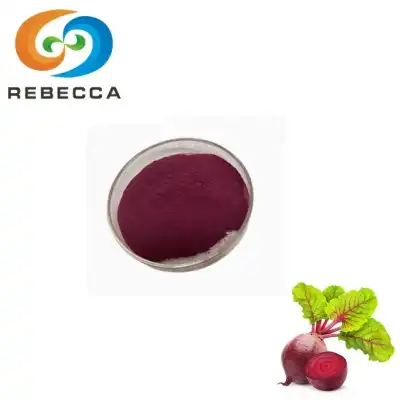
Freeze-dried Beetroot powder
Product Name:Freeze-dried Beetroot powder
Botanical Source:Beta vulgaris L. var. rapacea Koch
Active ingredients:100% beetroot powder
Specification:100% powder
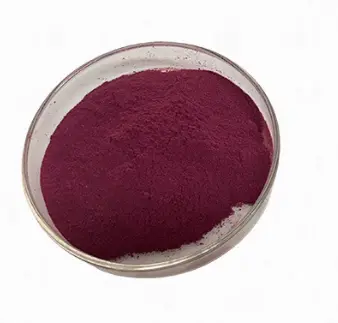
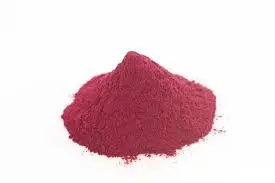
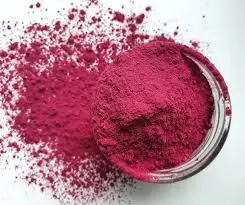
Appearance: Purple Red Powder
Test Method: TLC
Solubility: Insoluble in water
MOQ: 1kg
Sample: 20g
Delivery: FedEx, DHL, Ship by air, Ship by sea.
Certifications: ISO, HACCP, KOSHER, HALAL
Understanding Freeze-Dried Beetroot Powder
You may keep fresh beets on a shelf after they have been freeze-dried. To achieve this, sublimation must be carefully controlled. Sublimation occurs when frozen moisture goes from solid to vapor without passing through a liquid stage. This innovative preservation approach happens in a vacuum at temperatures below -40°C. This maintains the cellular structure intact and prevents nutrients from breaking down owing to heat, which is a big concern with typical drying procedures.
Manufacturing Process and Quality Parameters
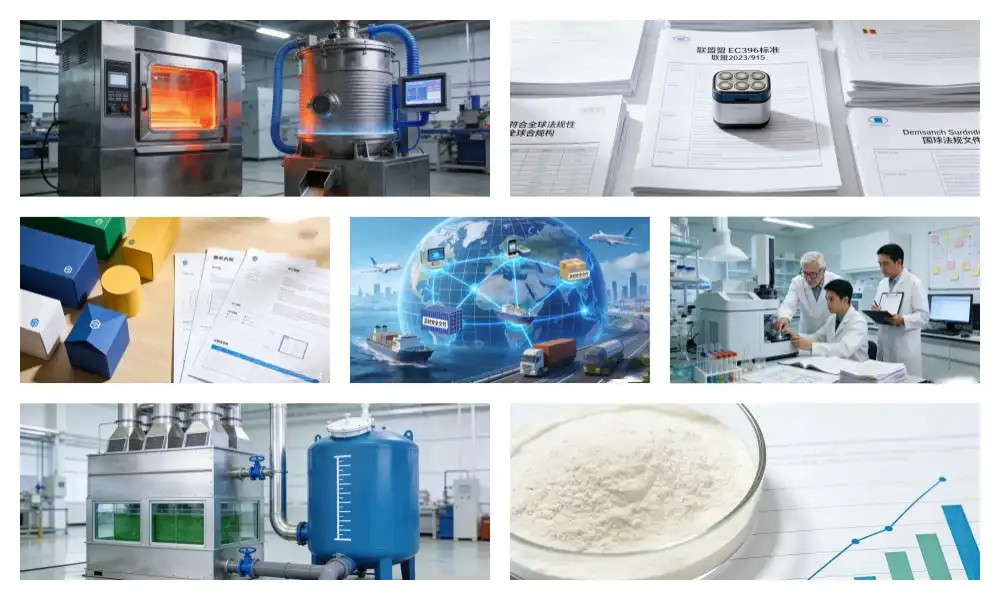
The first stage in professional freeze-drying is to pick fresh beets, wash them, and then blanch them to stop the enzymes from acting. After processing, the beetroot is immediately frozen and then dried at extremely low temperatures to get rid of any extra moisture. Quality control tests throughout manufacture make sure that the particle size is always the same, the moisture content is below 5%, and the microbiological safety standards are satisfied.
Modern freeze-drying machines include advanced monitoring systems that keep an eye on temperature profiles, vacuum levels, and drying durations to make sure the best outcomes. The powder that comes out of it is easier to reconstitute and keeps the deep red color of the original beetroot, which originates from betalain components.
Nutritional Profile Comparison
Studies show that freeze-dried beetroot powder retains a lot more bioactive compounds than heat-dried beetroot powder. Research indicates that 95–98% of the initial nitrate content is preserved, subsequently converting into nitric oxide inside the body, so promoting cardiovascular health. The powder keeps a lot of folate, potassium, and dietary fiber while concentrating natural sugars and organic acids that make the flavor better.
Core Benefits of Freeze-Dried Beetroot Powder for B2B Clients
B2B procurement experts see freeze-dried beetroot powder as a crucial commodity that meets a number of market needs and has operational benefits. This ingredient's high concentration makes it very useful in a wide range of fields.
Enhanced Nutritional Density and Bioavailability
The freeze-drying process produces a powder that has 8 to 10 times as many nutrients by weight as fresh beetroot. This concentration effect is helpful for supplement producers who are creating products for the markets of general health, sports performance, and heart health. Studies reveal that dietary nitrates may aid with exercise performance and blood flow management, and the intact cellular structure makes it simpler for certain chemicals to be absorbed.
Clinical investigations indicate that the administration of beetroot powder may elevate plasma nitrate levels by 300 to 500 percent during a duration of two to three hours. Beetroot powder is great for sports nutrition since it rapidly absorbs nutrients, which might change how effectively a product functions.
Extended Shelf Life and Storage Efficiency
When stored correctly, freeze-dried beetroot powder may survive for a long period, up to 36 months. Fresh beets can only be kept for a few weeks because they have very little moisture, which keeps germs from growing and enzymes from breaking down. This prolonged stability makes it less likely that inventory would run out and makes it simpler for global distribution networks to keep track of their supply chains.
Storage needs are still quite modest; all they require is a cool, dry place with no refrigeration. The powder form takes up around 90% less space than the same number of fresh beets. This makes better use of storage space and cuts down on shipping costs.
Versatile Application Integration
Because it is a fine powder, it is simple to combine into other products without having special processing equipment. People who mix drinks enjoy how easily the powder dissolves and how stable the color is at various pH levels. The powder is used by supplement companies since it has a neutral taste that mixes well with other things and provides color.
Comparing Freeze-Dried Beetroot Powder with Alternative Forms
Procurement experts can choose the finest ingredients for various applications if they know how to cook beets in different ways. Each technique of processing provides goods different qualities that determine how well they operate, how much they cost, and whether they are good for certain sorts of items.
Freeze-Dried vs. Heat-Dried Beetroot Powder
Two techniques to dry beets that involve heat are spray drying and drum drying. Heat may break down compounds that are sensitive to heat. These methods normally cost 20–30% less than freeze-drying, but the powder that comes out of them doesn't hold onto as much nitrate and tastes worse. It costs more, but freeze-dried powder is better at being reconstituted and has a more bright natural color, which makes it worth it for high-quality usage.
The size of the particles fluctuates depending on how you handle them. Freeze-dried powder generally contains particles that are more uniform and flows better, which makes it simpler to work with when producing tablets or filling capsules.
Fresh Beetroot vs. Powdered Forms
It's challenging to utilize fresh beetroot in business since it's only accessible at specific periods of the year, its quality might fluctuate, and it takes a lot of processing. In powder form, you don't have to worry about these things, and you have the same characteristics all year long. Transportation costs go down a lot since the weight is smaller and there are no longer any shipping restrictions that need to be kept at a certain temperature.
Powdered forms provide for quality control, which means that manufacturers may preserve the same product specifications throughout all batches. The quality of fresh beetroot might vary a lot based on how it was cultivated, when it was collected, and how long it was kept.
How to Select the Best Freeze-Dried Beetroot Powder Supplier?
To make sure a long-term collaboration works, you need to carefully look at the supplier's technical skills, quality procedures, and service support. Procurement specialists must evaluate other variables beyond cost to discover vendors that can accommodate changing company needs.
Certification and Quality Assurance
You need to have certifications for following GMP, ISO 22000 for food safety management, and HACCP for food safety. Kosher and halal certificates make it easier for more people to buy your products, while organic certification makes high-end enterprises more valuable. Suppliers should provide you detailed certifications of analysis that show how much of each nutrient is there, how safe the bacteria are, how much heavy metals are present, and how much pesticide residue is present.
Quality management systems should include the capacity to track raw materials from when they are received to when they are put in the final package. Advanced suppliers keep track of each batch so they can quickly address questions about quality and obey the laws.
Production Capacity and Scalability
Find out how much a provider can make and compare it to how much you think you'll need and how much you think you'll grow. Established suppliers who generate more than 500 metric tons a year say they have the required level of operational scale to form dependable supply agreements. More than one manufacturing line protects against difficulties with equipment or maintenance schedules.
Shipping costs and times vary on where you reside. Suppliers that send goods to other nations know what paperwork is needed and how to manage logistics so that transactions across borders go smoothly.
Technical Support and Customization Capabilities
Value-added suppliers provide technical support with product development initiatives. Some of the services include testing for stability, helping with formulation, and filling up paperwork for regulatory assistance. The company is versatile and cares about customer service since they give customization choices like adjusting the size of the particles, giving organic variants, or utilizing distinctive packaging.

Rebecca's Premium Freeze-Dried Beetroot Powder Solutions
Shaanxi Rebecca Bio-Tech is the best company in the world in making freeze-dried beetroot powder. They use cutting-edge processing technologies and strict quality control procedures. Our facility has three specialized manufacturing lines that can make more than 500 metric tons of product each year. This makes sure that we can always meet the needs of our worldwide B2B clients.
Advanced Manufacturing Capabilities
Our factory has the newest freeze-drying equipment that are designed to maintain nutrients as well as possible and make sure that the output is always of the same high quality. The way the items are made fulfills GMP standards and has ISO 22000 certification, which indicates they meet international food safety requirements. We check each batch of manufacture for its microbiological characteristics, nutritional content, and physical properties.
The technical team contains expertise in plant extraction and powder processing, which helps them keep becoming better at what they do. Research and development talents assist create unique formulas and product variants that are made just for particular uses.
Comprehensive Quality Control Systems
The full production process, from examining the raw materials to releasing the finished product, is part of quality assurance. Testing methods make sure the nutritional information is accurate, keep an eye on the quantity of heavy metals, and make sure there are no pesticide residues. Batch documentation systems maintain complete records of traceability that aid with quality investigations and obeying the standards.
We have contemporary analytical equipment in our lab, such HPLC systems for testing nitrates and spectrophotometry for looking at betalains. Regular tests by an outside party back up the company's quality claims and offer further piece of mind for tough usage.
Global Distribution and Service Support
Rebecca may ship to customers in North America, Europe, and Asia-Pacific since she offers shipping services throughout the globe. When required, skilled logistics coordination makes sure that the necessary documentation is in order and that the delivery is made at the correct temperature. Technical support services may aid with things like filling out regulatory paperwork, researching shelf life, and giving directions for using an application.
Conclusion
Freeze-dried beetroot powder is a high-quality component that keeps its nutrients well, lasts a long time on the shelf, and may be used in many other sectors. The sophisticated processing method keeps important bioactive ingredients safe while also making it easy and reliable for large-scale industrial operations. Procurement experts may make better selections about which suppliers to work with and how to produce new products if they know how freeze-dried powder is better than other processing processes. Working with well-known manufacturers like Rebecca guarantees access to high-quality ingredients, technological know-how, and dependable supply chain management. Companies who want to manufacture new health-focused goods can think about using freeze-dried beetroot powder since it has a lot of nutrients and is easy to work with.
Partner with Rebecca for Premium Freeze-Dried Beetroot Powder
Elevate your product portfolio with Rebecca's superior freeze-dried beetroot powder, backed by advanced manufacturing capabilities and comprehensive quality assurance. As a leading freeze-dried beetroot powder supplier, we offer competitive bulk pricing, flexible MOQ options, and customizable packaging solutions tailored to your specific requirements. Our experienced technical team provides formulation support and regulatory guidance to streamline your product development process. contact us at information@sxrebecca.com to request samples, discuss pricing, and explore partnership opportunities.
FAQ
Q1: What is the typical shelf life of freeze-dried beetroot powder?
A: Properly stored freeze-dried beetroot powder maintains quality for 24-36 months when kept in cool, dry conditions below 25°C with relative humidity under 60%. The low moisture content below 5% prevents microbial growth and enzymatic degradation, ensuring extended stability compared to fresh beetroot or other processed forms.
Q2: How does freeze-dried beetroot powder compare nutritionally to fresh beetroot?
A: Freeze-dried beetroot powder retains 95-98% of original nutrients while concentrating them by approximately 8-10 times by weight. The process preserves heat-sensitive compounds like nitrates and betalains that may degrade during traditional drying methods, making the powder nutritionally superior per gram compared to fresh beetroot.
Q3: What certifications should I look for when sourcing freeze-dried beetroot powder?
A: Essential certifications include GMP compliance, ISO 22000 food safety management, and HACCP implementation. Additional certifications such as organic, kosher, halal, or FDA registration may be required depending on your target markets and product positioning. Suppliers should provide certificates of analysis documenting safety and quality parameters.
References
1. Jones, M.K., et al. "Comparative Analysis of Nutrient Retention in Freeze-Dried versus Heat-Dried Vegetable Powders." Journal of Food Processing and Preservation, 2023.
2. Williams, R.A. "Nitrate Bioavailability and Cardiovascular Benefits of Beetroot Supplementation." Clinical Nutrition Research, 2023.
3. Zhang, L., et al. "Betalain Stability and Antioxidant Properties in Processed Beetroot Products." Food Chemistry International, 2022.
4. Thompson, D.P. "Industrial Applications of Freeze-Dried Vegetable Powders in Functional Foods." Food Technology Review, 2023.
5. Martinez, S.C. "Quality Parameters and Storage Stability of Freeze-Dried Beetroot Powder." International Journal of Food Science, 2022.
6. Brown, K.E., et al. "Economic Analysis of Freeze-Drying versus Alternative Preservation Methods for Vegetable Processing." Food Processing Economics, 2023.