What is echinacea purpurea root extract?
Echinacea purpurea root extract is a concentrated herbal extract made from the roots of the purple coneflower, Echinacea purpurea. Its bioactive ingredients that boost immune function and general health make it a popular ingredient in nutritional supplements, herbal medicines, functional drinks, and natural health products.
Root extracts include larger amounts of alkylamides, a group of chemicals believed to be among the major contributors to Echinacea’s immune-modulating effect, than extracts from the flowers or aerial sections of the plant. This is why Echinacea purpurea root extract has been a sought-after ingredient for producers looking for botanicals with science to back them up.
To further comprehend its worth, it is vital to look at where the extract originates, what ingredients it contains and why it is employed in current formulations.
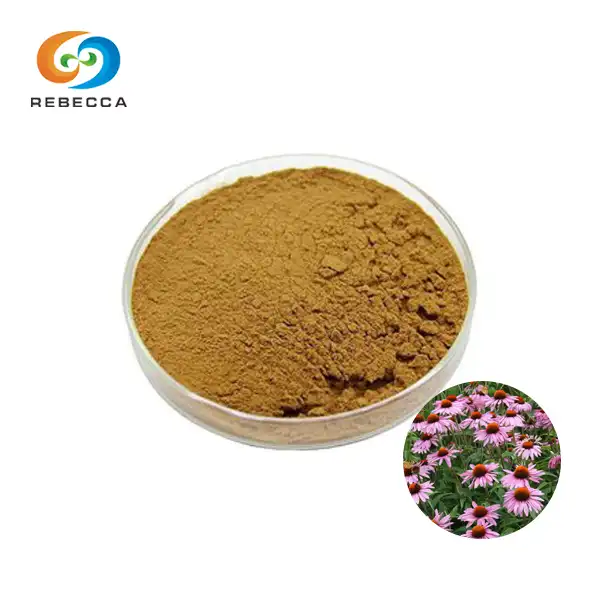
English name: Echinacea purpurea extract
Latin Name: Echinacea purpurea
CAS No.: 90028-20-9 /70831-56-0
Molecular forula:C22H18O12
Molecular Weight:474.37
Active ingredients: Polyphenols
Specification: Polyphenols 4%
Use Part : flower
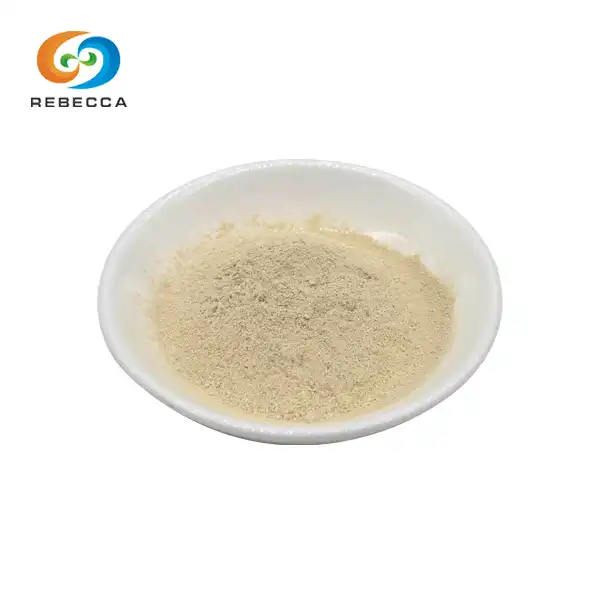
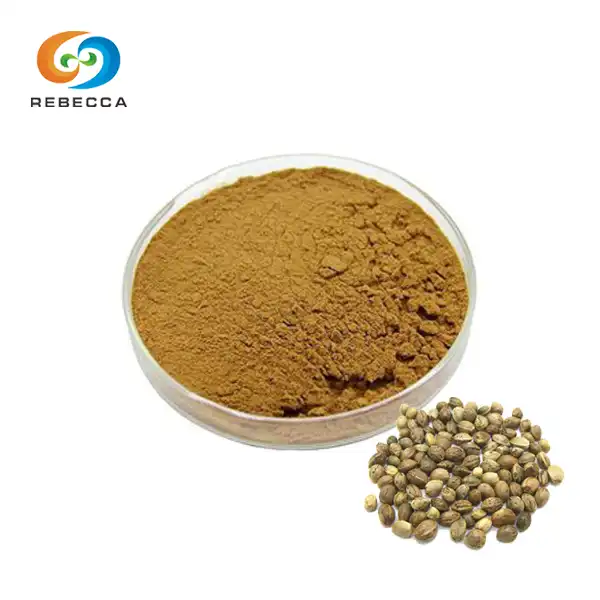
Appearance: yellow brown powder
Mesh size:80 Mesh
Test Method: UV
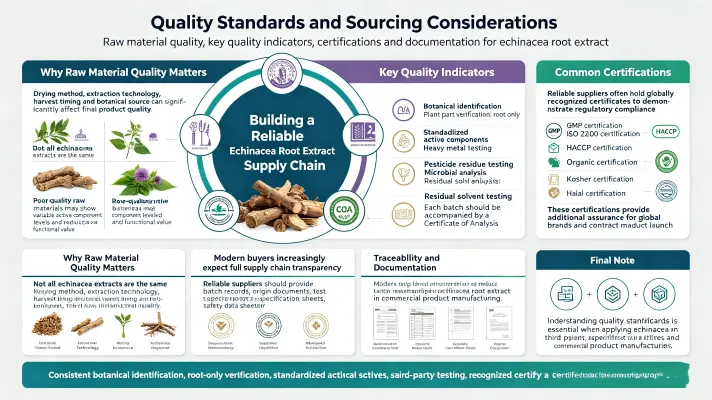
Understanding Echinacea Purpurea Root Extract
What Is Echinacea Purpurea?
Echinacea purpurea is a North American flowering plant. For generations, indigenous tribes have historically employed different portions of the plant for wellbeing. Today it is one of the most researched medicinal plants in the world.
The plant belongs to the Asteraceae family and is recognised by its characteristic purple petals and cone-shaped flower head. The blooms often get a lot of the visual attention, but the roots have a distinct phytochemical profile that makes them extremely useful for extraction.
What Is Root Extract?
Root extract is made by processing the collected roots of Echinacea to concentrate the naturally existing bio-active components. This procedure eliminates undesirable plant material and preserves useful elements.
Depending on the production needs, ethanol, water or even sophisticated technologies such as supercritical CO₂ extraction may be used. The final material is usually delivered as a fine powder for usage in capsules, tablets, sachets, drinks and cosmetic compositions.
How Is Root Extract Different from Aerial Extract?
Many customers wrongly believe all Echinacea extracts are the same. In fact the final composition is greatly influenced by the plant portion utilised. Typically, larger amounts of alkylamides are found in root extracts, while aerial portions (leaves and flowers) are often richer in chicoric acid and other phenolic compounds.
|
Plant Part |
Primary Compounds |
Typical Application |
|
Root |
Alkylamides |
Immune support supplements |
|
Flowers and Leaves |
Chicoric Acid, Polyphenols |
General wellness products |
Understanding this distinction helps product developers select the most appropriate extract for their intended formulation goals.
Now that we understand what Echinacea purpurea root extract is, the next question is why manufacturers and consumers value it so highly.
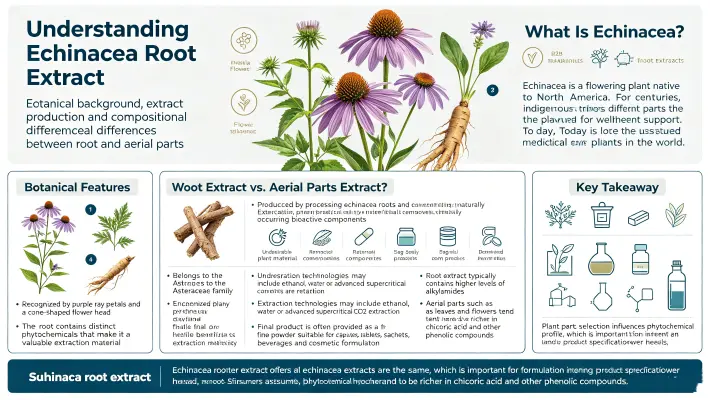
Key Active Compounds and Potential Benefits
Alkylamides
Alkylamides are regarded as the hallmark components of Echinacea root preparations. Research shows they may interact with cannabinoid receptors and affect immune response pathways. These chemicals are widely utilised as quality indicators in the evaluation of extracts from roots.
Polyphenols and Phenolic Acids
Although root extracts typically contain lower levels of phenolic compounds than aerial extracts, they still provide antioxidant activity.
Important compounds may include:
· Chicoric acid
· Caffeic acid derivatives
· Caftaric acid
These naturally occurring substances help protect cells from oxidative stress and support overall wellness formulations.
Immune Support Applications
The primary purpose of Echinacea purpurea root extract is immune health support. There have been a number of clinical investigations investigating its possible involvement in aiding the body’s innate defence systems. Scientists think that some of the chemicals in Echinacea may affect the functioning of immune cells and the signalling pathways that cause inflammation.
For this reason, Echinacea is frequently included in:
· Immune support capsules
· Seasonal wellness formulas
· Herbal teas
· Functional beverages
· Combination supplements with vitamin C or zinc
Antioxidant and Wellness Support
Beyond immune applications, Echinacea root extract is also valued for its antioxidant properties. These benefits have generated growing interest in beauty supplements, healthy aging products, and holistic wellness formulations.
As demand continues to grow, manufacturers must also pay close attention to quality standards when sourcing this ingredient.
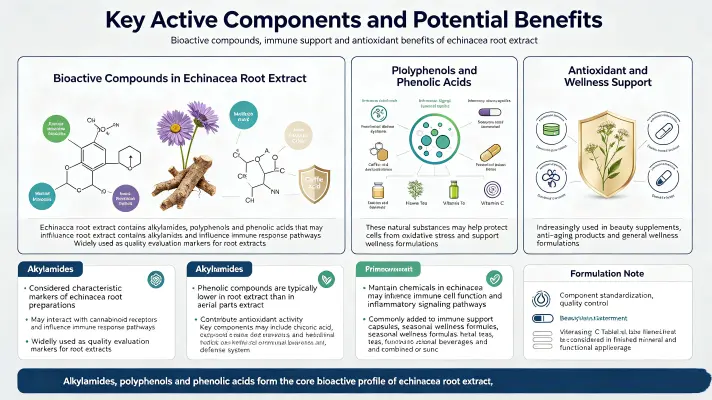
Quality Standards and Sourcing Considerations
Why Raw Material Quality Matters?
Not all echinacea extracts are the same. The drying methods, extraction technique, harvesting period, and plant origin may considerably affect the final quality of the product. The poor grade raw materials may have different levels of the active chemicals which results in a decreased effectiveness of the product.
Important Quality Indicators
When evaluating Echinacea purpurea root extract, buyers should review several critical specifications.
· Botanical identification
· Plant part verification (root only)
· Standardized active compounds
· Heavy metal testing
· Pesticide residue testing
· Microbiological analysis
· Residual solvent testing
Certificates of Analysis (COAs) should accompany every production batch.
Common Certifications
Reliable suppliers usually have globally recognised certificates that show production quality and regulatory compliance.
· GMP
· ISO 22000
· HACCP
· Organic Certification
· Kosher Certification
· Halal Certification
These certifications provide additional assurance for global brands and contract manufacturers.
Traceability and Documentation
Modern buyers increasingly expect complete supply chain transparency.
A reputable supplier should be able to provide:
· Batch records
· Origin documentation
· Testing reports
· Specification sheets
· Safety data sheets
· Regulatory support documents
Good documentation lowers regulatory risk, and is the key to doing product launches right.
The last stage is awareness of quality criteria and utilisation of Echinacea root extract in the production of commercial products.
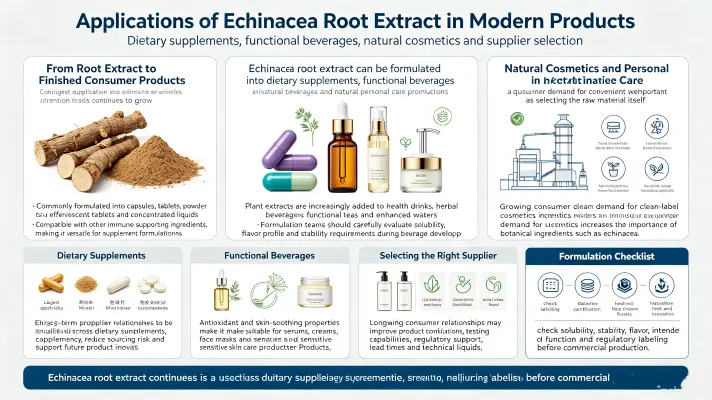
Applications of Echinacea Purpurea Root Extract in Modern Products
Dietary Supplements
Dietary supplements remain the largest application segment for Echinacea root extract.
Manufacturers commonly formulate it into:
· Capsules
· Tablets
· Powder blends
· Effervescent products
· Liquid concentrates
Its compatibility with other immune-support ingredients makes it highly versatile.
Functional Beverages
Consumer demand for convenient wellness products continues to grow.
As a result, beverage developers increasingly incorporate botanical extracts into:
· Wellness shots
· Herbal beverages
· Functional teas
· Enhanced waters
In the development of beverage goods, formulation teams need to carefully assess solubility, flavour profile and stability needs.
Natural Cosmetics and Personal Care Products
Echinacea extracts have also attracted attention within the cosmetic industry.
Their antioxidant and skin-soothing properties make them suitable for:
· Serums
· Creams
· Masks
· Sensitive skin products
Botanical compounds, such as Echinacea, are gaining in importance as clean-label cosmetic preferences increase.
Choosing the Right Supplier
Selecting a qualified supplier is often as important as selecting the ingredient itself.
When comparing suppliers, consider:
· Production capacity
· Quality certifications
· Testing capabilities
· Regulatory support
· Lead times
· Technical assistance
Long-term supplier partnerships may increase consistency, decrease the risks of procurement and enable future product innovation.
Conclusion
Echinacea purpurea root extract is a specialised botanical component made from the roots of the purple coneflower plant. It is rich in alkylamides and other helpful phytochemicals and is commonly utilised in immune support supplements, functional drinks and natural health products.
Understanding the variations between root and aerial extracts, establishing quality standards and finding trusted sources are critical for successful product development. With consumer demand for plant-based health solutions continuing to expand, Echinacea purpurea root extract continues to be a valued ingredient throughout the worldwide nutraceutical and wellness sectors.
FAQ
What are the potential side effects of echinacea supplementation?
Clinical investigations have shown that Echinacea is typically well tolerated at prescribed doses. Mild gastrointestinal problems and allergic responses may develop in susceptible people. Asteraceae family plants Product labels must provide suitable warning statements for pregnant women and those with autoimmune disorders.
How do I evaluate suppliers for bulk purchases?
Prioritise manufacturers with current GMP certification, complete third-party testing, and a history of regulatory compliance. Request stability data, references and batch analysis certifications from clients. Evaluate manufacturing capacity, minimum order quantity flexibility, and technical support availability to confirm suitability for your operating needs.
Can echinacea be combined with other supplement ingredients?
Yes, echinacea does work well in combination with vitamin C, zinc, elderberry and andrographis for immune support formulas. Perform compatibility testing for stability and bioavailability. Review regulatory guidance on combination product claims and labelling requirements in target market(s).
Partner with Rebecca for Premium Echinacea Purpurea Root Extract Supply
Rebecca specialises in supplying high-quality botanical ingredients to the stringent requirements of worldwide pharmaceutical, nutraceutical and cosmetic businesses. Our echinacea purpurea extract is standardised to polyphenol concentration, thoroughly tested for quality and fully documented to meet your regulatory requirements. As a reliable provider of Echinacea purpurea root extract, we have the capability of producing over 500 metric tonnes per year, with batch-to-batch consistency assured by our GMP qualified manufacturing procedures. Our technical team offers formulation assistance, stability data and application testing to expedite your product development deadlines. Samples, wholesale pricing or bespoke specs? Contact information@sxrebecca.com now. Partnering with an experienced botanical extract supplier gives you a competitive edge via quality and dependable supply chain capabilities.
References
1. Barrett, B. (2003). Medicinal properties of Echinacea: A critical review. Phytomedicine, 10(1), 66-86.
2. Hudson, J. B. (2012). Applications of the phytomedicine Echinacea purpurea in infectious diseases. Journal of Biomedicine and Biotechnology, 2012, Article 769896.
3. Manayi, A., Vazirian, M., & Saeidnia, S. (2015). Echinacea purpurea: Pharmacology, phytochemistry and analysis methods. Pharmacognosy Reviews, 9(17), 63-72.
4. Schapowal, A., Klein, P., & Johnston, S. L. (2015). Echinacea reduces the risk of recurrent respiratory tract infections and complications: A meta-analysis of randomized controlled trials. Advances in Therapy, 32(3), 187-200.
5. Thygesen, L., Thulin, J., Mortensen, A., Skibsted, L. H., & Molgaard, P. (2007). Antioxidant activity of cichoric acid and alkamides from Echinacea purpurea. Food Chemistry, 101(1), 74-81.
6. Woelkart, K., & Bauer, R. (2007). The role of alkamides as an active principle of Echinacea. Planta Medica, 73(7), 615-623.