What is lingonberry extract powder?
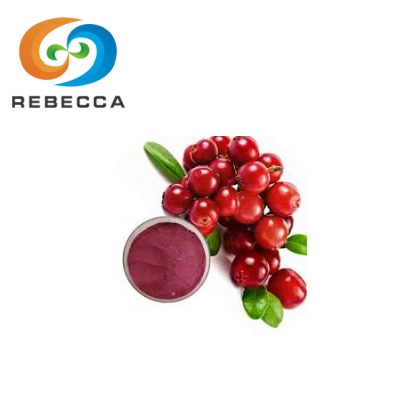
lingonberry extract powder is essentially a dried, concentrated plant component. Its source is the Vaccinium vitis-idaea L. fruit. — a dwarf evergreen shrub that grows naturally in the arctic and subarctic woodlands of North America, Scandinavia, and northern Europe. The bioactive components of the fruit are extracted and maintained in a stable, free-flowing powder form by use of spray-drying and meticulously regulated extraction procedures.
The powdered botanical component lingonberry extract comes from the Vaccinium vitis-idaea plant, which is a wild berry that grows in northern Europe and certain regions of North America. In chilly, sunny woods, the fruit grows unchecked. Optimal growth conditions for wild lingonberries include long, chilly summer days drenched in sunlight, and the untamed, unspoiled soils of Nordic woods. The antioxidant content of these berries is amplified by the combination of low temperatures and continuous sunshine.
These berries have long been an essential part of the diet of the Scandinavian people. Lingonberries have been a staple food for Scandinavian societies for hundreds of years. They provide a tart and acidic taste to sweet and savory dishes alike, whether you're making jam, lingonberry juice, or even just pickling them in water. This unique nutritional history is now transformed into a precise and standardized substance by means of cutting-edge extraction technology.
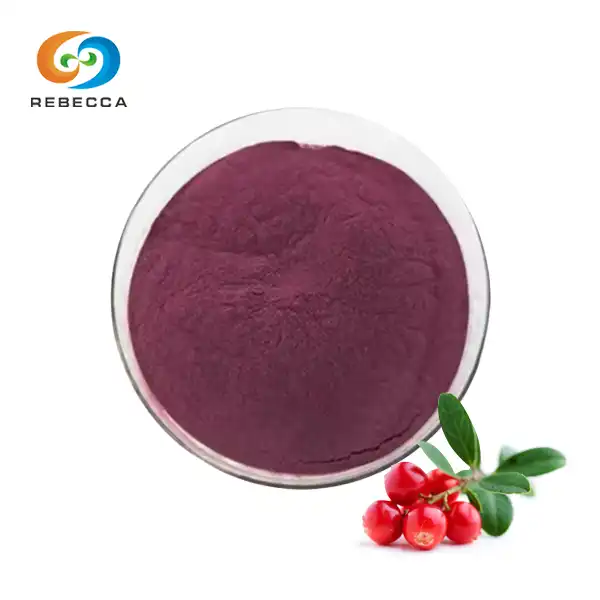
Lingonberry Extract Powder
Product name: Lingonberry Powder, Lingonberry Extract
Plant source: Vaccinium vitis-idaea L.
Detection method: UV
Product properties: purple powder
Use part: Fruit
Shelf life: 24 months
From Fresh Fruit to Finished Powder: The Extraction Process
The process of going from raw fruit to final powder is quite important. The beneficial phytonutrients are concentrated and undesired fillers and impurities are removed using advanced extraction procedures, which provide a clean, strong powder that consistently performs well from batch to batch. These techniques are based on water or ethanol. That level of consistency is precisely what is needed for B2B formulators. Predictable formulation results throughout large production runs are made possible by a constant amount of active compounds.
The extraction procedures used to extract lingonberry maintain the bioactive compounds, such as arbutin, anthocyanins, flavonoids, and organic acids, to ensure that the finished products are as potent and effective as possible. Purchasing teams are provided with a transparent and verifiable quality standard by standardization against OPC (Oligomeric Proanthocyanidins) content, such as 25% OPC by UV detection.
Market Context: A Growing Ingredient Category
There is nothing special about lingonberry extract. Two rapidly expanding demand drivers, clean-label nutrition and antioxidants supported by research, meet here. Projections show a strong compound annual growth rate (CAGR) of 7-9% over the next five years for the global market for lingonberry extract powder. This growth is fueled by the rising demand for natural ingredients in functional foods, dietary supplements, and nutraceuticals.
Recent developments in extraction technology, like as supercritical CO₂ and ultrasonic-assisted extraction, have increased yield while preserving bioactive chemicals, especially anthocyanins. Sustainable sourcing and organic certification are also important trends in the sector. That means a more developed supply chain with higher quality requirements, which is good news for ingredient purchasers.

The Bioactive Profile: OPC, Anthocyanins & Beyond
To fully grasp the potential of lingonberry extract powder, one must first be familiar with its ingredients. Bioactive substances are abundant in the fruit. Vitamins, polyphenols, minerals, and other micronutrients and bioactive substances abound in lingonberry fruits. Together, the ingredient's growing prominence in nutraceutical formulation may be explained by its several functional categories.
Oligomeric Proanthocyanidins (OPC): The Flagship Compound
The active ingredient in lingonberry extract powder that has the most impact on the market is probably OPC. Naturally occurring in many plant parts, including fruits, bark, seeds, and leaves, oligomeric proanthocyanidins (OPCs) are a class of chemicals that belong to the polyphenol family. Why are they unique? Their chemical make-up. Organic phenolic compounds (OPCs) are a class of bioflavonoid complexes that the body uses to neutralize free radicals.
The presence of many hydroxyl groups in OPCs gives them antioxidant capabilities, as shown in several studies, especially when compared to high polymeric procyanidins. Oxidative stress may be effectively neutralized by OPCs due to their structural advantage. Specifically, catechins and proanthocyanidins are powerful antioxidants that are thought to be fifty times stronger than vitamin C and twenty times stronger than vitamin E, respectively. Because of this remarkable difference, antioxidant-focused compositions would benefit greatly from using an OPC-standardized extract.
Many people are interested in OPCs because they are natural antioxidants derived from plants that remove harmful free radicals from the body. When targeting markets that are picky about clean-label and natural health claims, it's crucial for business-to-business formulators to include ingredients that are both non-toxic and derived from plants.
Anthocyanins and Flavonols: Color, Protection, and Function
Beyond OPC, lingonberry fruit extract delivers a meaningful concentration of anthocyanins — the pigments responsible for the berry's vivid red color. One of the most prominent functions of lingonberry extract is its potent antioxidant activity — the powder is rich in flavonoids such as quercetin and anthocyanins, proanthocyanidins, and vitamin C, which neutralize free radicals and reduce oxidative stress at the cellular level.
Flavonols such as quercetin and its glycosylated derivatives, and two flavanols identified as catechin and epicatechin, were identified in the fruits. These flavanols are the structural building blocks of OPC itself. Their presence in lingonberry fruit extract at measurable levels adds formulaic depth to the ingredient.
Phenolic acids add another functional layer. Within the group of phenolic acids, derivatives of ferulic acid, coumaric acid, caffeoylquinic acid, and benzoic acid were found in lingonberry fruit. In processed lingonberry extract, p-coumaric acid was the predominant hydroxycinnamic acid, followed by caffeic and ferulic acid. Each of these phenolic acids contributes to the ingredient's overall antioxidant breadth.
Triterpenoids: Supporting Compounds With Research Backing
Triterpenoids, lingonberry secondary metabolites, are another group of compounds with beneficial health effects. Quantitative determination of individual triterpenoids showed that the two isomeric acids, oleanolic and ursolic, were the most abundant compounds, comprising 70–73% of all triterpenoids in the fruit. Ursolic acid, in particular, has attracted growing research interest in the sports nutrition and skincare sectors, adding versatility to this already multifaceted extract.
Key bioactive snapshot for lingonberry fruit extract (Vaccinium vitis-idaea L.):
- Oligomeric Proanthocyanidins (OPC) — flagship antioxidant marker compound
- Anthocyanins — natural red pigments; free radical quenchers
- Quercetin glycosides — flavonol subclass; supports vascular function
- Catechin & Epicatechin — flavanol OPC building blocks
- Phenolic acids — p-coumaric, caffeic, ferulic acid
- Triterpenoids — oleanolic & ursolic acid

Wellness Functions & B2B Industry Applications
Knowing the chemistry is valuable. Knowing how that chemistry translates into formulation opportunity is what actually matters to ingredient buyers. Lingonberry extract powder fits naturally into several major product categories — and the research base supporting each is growing steadily.
Antioxidant & Cellular Wellness: The Core Use Case
Antioxidant activity is the ingredient's best-understood function. Lingonberry extract powder delivers a wide range of physiological benefits due to its dense concentration of bioactive compounds — and these functions are supported by both traditional use and modern scientific research. Lingonberries carry a higher antioxidant content than blackberries, blueberries, raspberries, strawberries, and cranberries, and dried lingonberries have five times the antioxidant potential of other berry products. That is a meaningful distinction for formulators seeking ingredient differentiation.
Antioxidants such as anthocyanins and flavonoids neutralize harmful free radicals, reducing stress on the immune system. The OPC fraction further amplifies this effect through its multi-hydroxyl group structure. For supplement manufacturers developing antioxidant blends, the combination is particularly versatile.
Immune Support Formulations
Lingonberries bolster the immune system with their rich content of vitamins and minerals, notably vitamin C and antioxidants — and this nutrient combination helps fortify the body's defenses and maintain overall immune system resilience. Immune support remains one of the fastest-growing supplement categories globally. An ingredient that combines vitamin C, OPC, and anthocyanins in a single, standardized extract offers real formulation efficiency.
Lingonberries are a great source of vitamins A and E, as well as zinc and selenium minerals — and these nutrients help to enhance cell integrity and boost the immune system, promoting overall immune health. For B2B customers building multi-nutrient supplement formulas, this broad micronutrient profile reduces the need to source several separate ingredients.
Urinary Tract Health Ingredients
Lingonberries are known for their ability to support urinary tract health due to their high proanthocyanidins (PACs) content — and these compounds prevent E. coli from adhering to urinary tract walls, reducing the risk of UTIs. Research shows that consuming a mixed cranberry–lingonberry juice can positively impact patients with UTI — specifically, women who consumed a combination of cranberry and lingonberry juice concentrate for six months experienced a 20% decrease in the risk of recurring UTIs. This makes lingonberry extract powder a credible complementary ingredient in urinary health supplement lines.
Skin Health & Cosmetic Ingredient Applications
The cosmetics and personal care sector represents an exciting secondary market. Lingonberries have some of the most potent antioxidants, which protect skin from damage caused by the sun, toxins, and pollutants — and a study published in the Journal of Agricultural and Food Chemistry showed that lingonberry extract can protect skin from the harmful effects of UV rays.
Lingonberries can help address various signs of aging such as loss of skin elasticity, fine lines, and wrinkles — and studies have shown that lingonberries improve the elasticity of skin significantly. Lingonberry extract also upregulates the production of extracellular matrix (ECM) proteins integrin and collagen in the skin. For cosmetic ingredient buyers, this dual antioxidant-and-structural benefit profile is genuinely rare in a single botanical extract.
Cardiovascular Wellness Ingredients
Lingonberry (Vaccinium vitis-idaea) is rich in polyphenolic compounds and has a variety of beneficial properties — the berry is known for its anti-oxidative, cytoprotective, and anti-inflammatory effects, and lingonberry improves metabolism and the work of the cardiovascular system. OPC itself has a well-documented relationship with vascular integrity. OPCs are considered among the best supplements for vascular health — they actively support and bolster the vascular system in the body and help keep up the health of the capillary network, the tiny blood channels through which blood deposits all essential nutrients to each cell.
Blood Sugar Balance Supplement Lines
Test-tube and animal studies suggest that lingonberries and lingonberry extract may help support healthy blood sugar — which may be partly due to their polyphenol and fiber content. A 2010 Canadian study found that lingonberries are able to help reduce the effects of advanced glycation end products (AGEs) — bad sugar and heated protein molecules that build up in patients with high blood sugar and damage blood vessels. These preliminary findings position the extract as a candidate ingredient for blood sugar balance supplement lines.
Oral Health and Antimicrobial Properties
Less discussed — but commercially interesting — is the extract's oral health relevance. According to test-tube studies, lingonberries contain plant compounds that may support oral health by helping to address bacteria that promote gum disease and plaque accumulation on teeth. In nature, these chemicals protect lingonberry plants from insect and microbe invasion — and they provide this additional benefit by combating the growth of bacteria that cause cavities and fungal pathogens. This opens a niche application pathway in oral care supplement formulations.
Cognitive Function Ingredient Research
Scientists are researching many other potential benefits of lingonberries, including brain health — with rodent studies suggesting that lingonberries or their extract may help improve brain function, including memory under stress. Cognitive wellness is a rapidly growing supplement category. Lingonberry extract, with its anthocyanin-rich profile, is attracting growing research attention as a potential cognitive support ingredient. Lingonberry powder and the polyphenols it contains help to maintain brain stability, even as the brain adjusts to the changing environment and the stress of ageing.
Primary B2B application sectors for lingonberry extract powder:
- Dietary supplement capsules and tablets (antioxidant blends)
- Urinary tract health formulas
- Immune support complexes
- Cardiovascular wellness ingredients
- Skin health and anti-aging cosmetic actives
- Functional food and beverage enrichment
- Blood sugar balance supplement formulas
- Oral health supplement lines

Lingonberry Extract Powder Supplier: Rebecca Bio-Tech
If you are sourcing a reliable, high-specification lingonberry fruit extract for your next supplement, functional food, beverage, or cosmetic formulation, Rebecca Bio-Tech is ready to support your project.
Shaanxi Rebecca Bio-Tech specializes in the production, research, development, and sales of plant extracts, herbal active ingredient separation, and traditional Chinese herbal medicine functional compound research. As a high-tech export-oriented company, we are dedicated to providing high-quality natural herbal extracts to customers worldwide across the pharmaceutical, health product, beverage, and cosmetic industries. With three production lines, over 100 plant extracts in our catalogue, and an annual production capacity exceeding 500 metric tons, we deliver both scale and quality.
Our lingonberry extract powder is produced to the following verified specifications:
Whether you need samples, bulk pricing, technical documentation, or customized specifications, our team is ready to respond promptly. We work with procurement managers, R&D formulators, and product development teams across Europe, North America, Asia-Pacific, and beyond.
Send your inquiry to: information@sxrebecca.com
FAQ
Q1: What does "25% OPC" mean in lingonberry extract powder?
A: It means the extract has been standardized so that 25% of its weight consists of Oligomeric Proanthocyanidins (OPC). Standardization is measured by UV spectrophotometry, a validated analytical method. This specification gives formulators a reliable, consistent active compound level across every batch — critical for quality-controlled supplement production.
Q2: How is lingonberry extract powder different from whole lingonberry powder?
A: Whole berry powder is simply the dried, ground fruit. Lingonberry extract powder is a concentrated ingredient. The extraction process isolates and amplifies specific bioactives — particularly OPC and anthocyanins — removing much of the inert plant material. The result is a higher active compound density per gram, which is essential when formulating precision-dosed supplements.
Q3: Is lingonberry fruit extract suitable for use in functional beverages and food products?
A: Yes. Lingonberry extract powder is primarily utilized as a natural antioxidant in functional foods, dietary supplements, and skincare formulations. Its purple powder form disperses well in beverage bases, and the natural pigmentation can serve as a clean-label colorant. Always verify solubility specifications with your supplier for specific matrix applications.
Q4: What quality documentation should I request from a lingonberry extract supplier?
A: When manufactured under proper quality control systems adhering to GMP standards, lingonberry extract powder is generally recognized as safe for consumption — and suppliers should provide evidence of heavy metal testing, pesticide residue analysis, and microbial safety certifications. Additionally, request a Certificate of Analysis (CoA), Technical Data Sheet (TDS), and MSDS documentation. Third-party lab verification is strongly recommended.
Q5: What are the recommended storage conditions for lingonberry extract powder?
A: Optimal storage requires cool (below 25°C), dry conditions (humidity below 60%) in airtight, light-resistant containers — and properly stored under these conditions, most powdered extracts maintain stability for 24–36 months. Rebecca Bio-Tech's product carries a confirmed 24-month shelf life when stored according to these guidelines.
Q6: What is the typical minimum order quantity for B2B purchases of this ingredient?
A: Rebecca Bio-Tech packages lingonberry fruit extract in inner double PE bags at 5 kg per bag, packed in paper drums of 25 kg net weight per drum. Minimum order quantities and custom specifications are available upon inquiry. Contact the team directly.
References
1. Dróżdż, P., et al. (2021). Lingonberry (Vaccinium vitis-idaea L.) Fruit as a Source of Bioactive Compounds with Health-Promoting Effects — A Review. PMC / National Library of Medicine.
2. Nie, F., et al. (2023). Oligomeric Proanthocyanidins: An Updated Review of Their Natural Sources, Synthesis, and Potentials. Antioxidants, 12(5), 1004. PMC.
3. Gunnars, K. (2019). 14 Impressive Health Benefits of Lingonberries. Healthline.
4. Eevia Health. (2025). Organic Lingonberry Extract.
5. Alibaba Product Insights. (2026). Understanding Natural Lingonberry Extract Powder: Composition, Standards, and Applications.