Lingonberry Extract Prevents UV Protection
Not all new ingredients come from a lab. Some of them grow silently on the Arctic tundra. They're little, red, and not very noticeable. One of them is lingonberry (Vaccinium vitis-idaea L.). Nordic villages have been picking this hardy fruit for hundreds of years. Modern science has just lately figured out why it is so valuable.
Zheng and Wang (2003) did some early research that revealed that lingonberries (Vaccinium vitis-idaea L.) had the most antioxidant activity among all the typical berry fruits, such as blackberries, blueberries, raspberries, strawberries, and cranberries. Lingonberry's expanding relevance in UV photoprotection studies is mostly due to its unique antioxidant profile. lingonberry extract powder is now a reliable, science-backed raw material for B2B customers in the supplement, cosmetics, and health food sectors, not just a curiosity
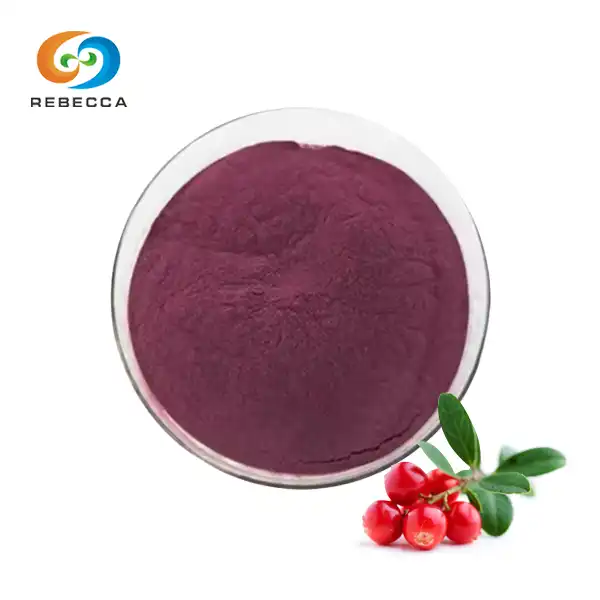
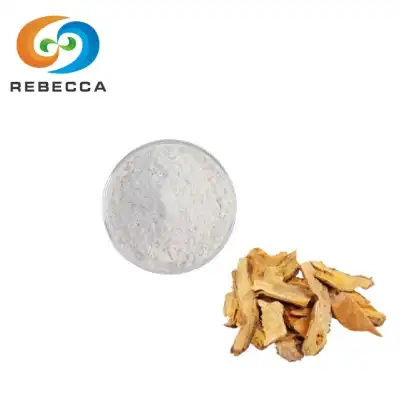
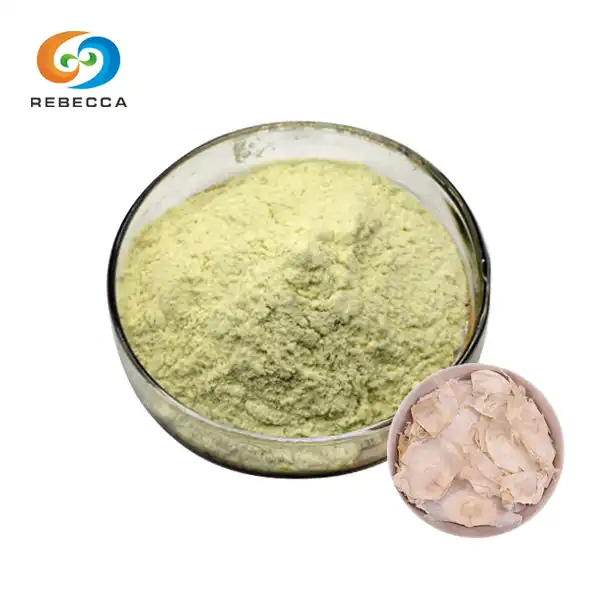
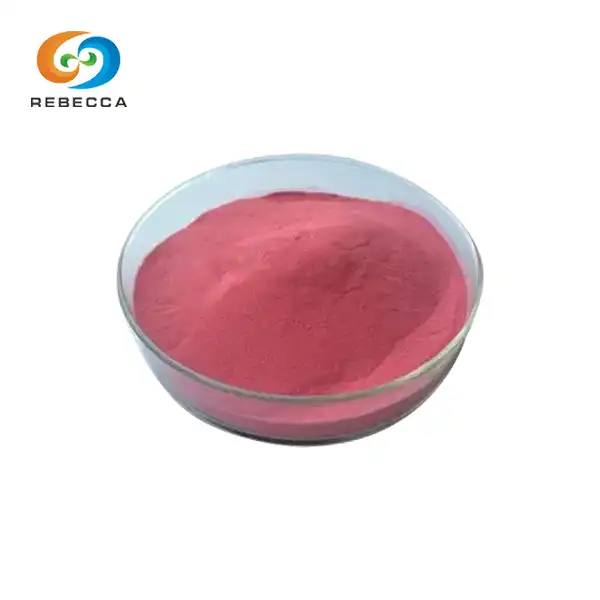
Lingonberry Extract Powder
Product name: Lingonberry Powder, Lingonberry Extract
Plant source: Vaccinium vitis-idaea L.
Detection method: UV
Product properties: purple powder
Use part: Fruit
Shelf life: 24 months
What Is Lingonberry Extract Powder and Where Does It Come From?
The Botanical Profile of Vaccinium vitis-idaea
Lingonberry is a healthy berry that grows and is picked in the Northern Hemisphere, particularly Nordic woodlands and arctic tundra areas. It is a fruit that only grows at certain times of the year, such after long, sunny days in the summer and the onset of October. The plant produces a lot of active plant chemicals that are really helpful since the weather is so bad in these areas. The plant has to make an amazing chemical defense kit to survive constant UV exposure, cold temperatures, and soils that don't have enough nutrients. The kit is everything you need to make it.
Lingonberry, also known as cowberry, foxberry, or rock cranberry, is a "superfruit" since it has a lot of antioxidants and is good for your health in many ways. It is scientifically classified as part of the Vaccinium genus, which includes cranberries and blueberries. All of these fruits are in the same Vaccinium family.
Key Bioactive Compounds in Lingonberry Fruit Extract
The functional value of lingonberry extract powder comes from multiple layered phytochemical groups working together. Like all Arctic plants, lingonberry develops exceptionally high levels of various active plant compounds. It contains vitamins A, B, C, E, and K, fiber that supports digestion, and minerals such as calcium, magnesium, iron, sodium, and potassium. Beyond vitamins and minerals, its polyphenol profile is what draws the most scientific interest.
- Anthocyanins: The red color of lingonberries comes from anthocyanins, which carry antioxidant and anti-inflammatory benefits. Cyanidin 3-galactoside is the most dominant anthocyanin, contributing the most antioxidant activity in lingonberries.
- Oligomeric Proanthocyanidins (OPC): The pigments that give these berries their red color include proanthocyanins, which possess potent skin-calming and antioxidant ability. Rebecca Bio-Tech's product is standardized to 25% OPC — a meaningful active concentration for supplement formulators.
- Quercetin: Quercetin is a plant-pigment flavonoid naturally found in fruits, vegetables, and especially in lingonberry. Quercetin, among other antioxidants in lingonberry, protects skin from the harmful effects of UV rays.
- Vitamin E and Vitamin C: Natural antioxidants found in lingonberry, such as zeaxanthin, help guard skin from harmful UV rays. Vitamin C, also a strong antioxidant, helps prevent free radicals from causing oxidative damage to skin cells, and may prevent issues such as wrinkles, dark spots, and acne.
- Arbutin: Arbutin present in lingonberries inhibits the effect of tyrosinase, an enzyme needed for melanin synthesis. These berries also have a high amount of Vitamin E, which further boosts skin-lightening effects. Thus, lingonberries help prevent hyperpigmentation and assist in evening skin tone.
This multi-compound synergy is precisely what makes lingonberry fruit extract powder attractive to formulators across the health supplement, nutraceutical, and cosmetic ingredient sectors.
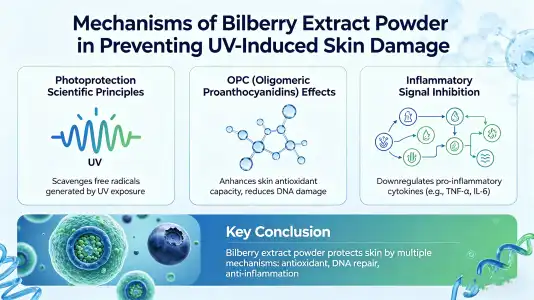
How Lingonberry Extract Powder Prevents UV-Induced Skin Damage?
The Science Behind Photoprotection
UV light, especially UVB, sets off a chain reaction of processes in skin cells that are exposed. There is a lot of free radical creation. Inflammatory signaling pathways turn on. The skin's emergency reaction to oxidative stress is to speed up the production of melanin. If you don't do something about it, this may cause photodamage, hyperpigmentation, and faster visual aging.
A research in the Journal of Agricultural and Food Chemistry found that lingonberry extract may protect skin from UV radiation, which can cause photodamage. This discovery fits with a growing corpus of research on plant-based compounds that protect against UV rays. Researchers have looked at the flavonoids in lingonberries, specifically those with strong antioxidant properties, to see whether they might protect skin from damage caused by UV rays.
The Role of OPC in UV Defense
The 25% OPC standardization in Rebecca Bio-Tech's lingonberry extract powder is important from a scientific point of view. Many studies have shown that OPCs possess antioxidant characteristics in contrast to high polymeric procyanidins, attributable to the presence of numerous hydroxyl groups. These hydroxyl groups are very good at "trapping" free radicals. They catch reactive oxygen species (ROS) that are produced when UV light hits them before they can hurt cells.
Studies showed that OPCs greatly reduced cell mortality caused by UV radiation in a dose-dependent way. They also stopped the increase in intracellular ROS caused by UV radiation in a dose-dependent way. This dose-dependent connection is very useful for people who purchase supplements and cosmetic ingredients since it shows a scalable, predictable benefit tied to the concentration of the extract.
In addition, OPCs may lower the amount of tyrosinase, TRP1, and TRP2 proteins in melanocytes that have been exposed to UV light. So, OPCs may have photoprotective effects on human melanocytes by making cells more stable, getting rid of ROS within cells, changing the cell cycle, and stopping the development of proteins that make melanogenic enzymes. In simple words, OPC operates on several fronts at the same time.
Inhibition of UV-Induced Inflammatory Signaling
UV light not only produces free radicals but also triggers certain inflammatory pathways that exacerbate cellular stress. Studies indicated that JB6 P+ mouse epidermal cells, when pretreatment with lingonberry extract, exhibited a dose-dependent suppression of activator protein 1 (AP-1) and nuclear factor kappa B (NF-κB) activity triggered by ultraviolet-B (UVB) radiation. AP-1 and NF-κB are two of the transcription factors that have been investigated the most in cells that are stressed by UV light.
Lingonberry extract also stopped the phosphorylation of the mitogen-activated protein kinase (MAPK) signaling members that were caused by UVB, such as extracellular signal-regulated protein kinase 1 and 2 (ERK1/2), p38, and MEK1/2. Blocking these signaling pathways may help the skin deal with oxidative stress caused by UV rays, which is a quality that is very important for those who make health supplements.
Lingonberry has also been demonstrated to help skin defend itself from UV damage and heal from it. Lingonberry is a great complement to any skin care program since it helps skin rejuvenate itself.
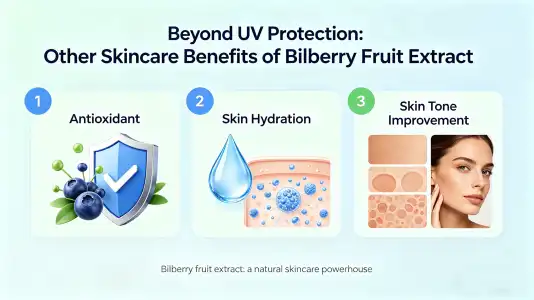
Beyond UV Defense: Additional Skin-Support Properties of Lingonberry Fruit Extract
Antioxidant Activity and Free Radical Scavenging
Exposure to UV light is only one way that oxidative damage may happen. Pollutants in the environment, blue light, and waste products from metabolism all have a role. Lingonberries effectively neutralized DPPH•, ROO•, •OH, and O₂•⁻ free radicals. The lingonberry extract (50 mg/mL) lowered •OH and O•⁻ radicals by 83% and 99%, respectively. These are amazing figures in a peer-reviewed situation.
Lingonberries are full of antioxidants, including anthocyanins and vitamin C. These are important for keeping the skin safe from oxidative stress and aging. People that make supplements for anti-aging, skin health, and photoprotection will find this dual-mechanism profile very interesting.
Supporting Skin Hydration and Barrier Integrity
A less talked-about but clinically important effect of photodamage is that it often breaks down the skin's moisture barrier. Lingonberry seed oil makes the skin more hydrated, which makes it seem smoother and younger. Lingonberries provide omega-3 and omega-6 fatty acids that help keep water in the body, and lingonberry seed oil has several active ingredients that work as antioxidants, stopping free radicals from damaging skin. Both functions are very important for keeping the skin's protective barrier strong.
Lingonberries may aid with certain indicators of aging, such skin that isn't as elastic, fine lines, and wrinkles. Research has shown that lingonberries considerably enhance skin suppleness. These traits make the mixture more valuable for purchasers who are making supplement components that help with skin elasticity and healing after UV exposure.
Improving Skin Tone and Promoting Melanin Balance
Hyperpigmentation is one of the most noticeable effects of being in the sun for too long. Research indicated that lingonberry extract had a skin-lightening impact on UV-induced skin. Lingonberry extract helps the skin heal from UV-induced hyperpigmentation more faster than arbutin. This makes the extract a good choice for products that help with uneven skin tone and the visible symptoms of photo-aging.
Melanin is the natural color in skin. Too much of it may make the skin darker or uneven. Lingonberries contain arbutin, which stops the action of tyrosinase, an enzyme that is required to make melanin. Supplement makers that make complete skin-health solutions will see this as a useful addition to OPC's ability to get rid of ROS.
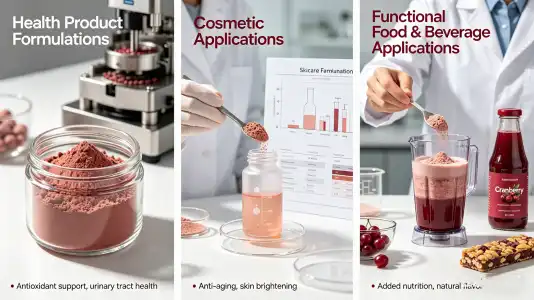
Industry Applications for Lingonberry Extract Powder as a B2B Ingredient
Health Supplement and Nutraceutical Formulations
Lingonberry extract powder with 25% OPC standardization fits well with many different types of health supplements. OPCs have gotten a lot of interest since they are non-toxic, natural antioxidants from plants that get rid of free radicals in the body. People who make photoprotection blends, skin-health capsules, antioxidant supplements, or berry-based nutritional powders may use the whole range of bioactive compounds in this ingredient.
Lingonberry fruit is the finest source of bioactive chemicals and antioxidants, but you can't get them in stores all year round. So, eating dried berries, which concentrate the skin and pulp by eliminating moisture and raise the antioxidant levels in each gram of product, is a good element of a healthy lifestyle. A standardized dry extract powder is the answer to this problem of availability and concentration for ingredient purchasers.
Cosmetic and Topical Ingredient Use
The cosmetics business is asking for more active ingredients that come from nature and have been studied. Vaccinium vitis-idaea (lingonberry) fruit extract has strong antioxidant and skin-calming effects, which are two of the most desired qualities in current topical formulations. Researchers showed that OPCs can protect human melanocytes from UV radiation and stop skin damage and melanogenesis. This directly supports their usage in cosmetics for photoprotection and skin tone.
Beverage and Functional Food Applications
Lingonberry-derived compounds may also help the functional food and beverage industry thrive. Lingonberries are great at lowering redness and irritation since they are very anti-inflammatory. This is a feature that matches with the rising interest in beauty and skin-support drinks that people may drink. The purple powder form of Rebecca Bio-Tech's extract mixes easily into capsules, tablets, powder blends, and functional drinks.
Lingonberry Extract Powder Supplier: Rebecca Bio-Tech
Rebecca Bio-Tech is the best choice for a reputable, science-backed lingonberry extract powder supplier whether you are a formulator, product developer, or procurement expert. We are a high-tech, export-oriented firm based in Shaanxi, China. We focus on making, researching, and selling plant extracts, separating herbal active ingredients, and studying the functional compounds in traditional Chinese herbal medicine. We are committed to offering high-quality natural herbal extracts to clients all over the globe, including those in the pharmaceutical, health product, beverage, and cosmetic sectors. We can provide at scale without sacrificing quality since we have three manufacturing lines, an annual production capacity of over 500 metric tons, and more than 100 plant extract product categories.
Our lingonberry extract powder gives you a standardized, traceable, and field-tested active ingredient for any UV-defense nutraceutical, antioxidant health supplement recipe, cosmetic active ingredient mix, or functional food application. We are happy to hear from buyers, distributors, product developers, and R&D teams at any point in their sourcing process.
Send your inquiry today: information@sxrebecca.com
Our team responds promptly and can provide product samples, Certificates of Analysis, technical datasheets, and custom quotations upon request.
FAQ
Q1: What makes lingonberry extract powder effective for UV protection?
A: Lingonberry extract powder contains a rich array of polyphenols — particularly OPC (Oligomeric Proanthocyanidins), anthocyanins, quercetin, and vitamins C and E. These compounds work together to neutralize UV-induced free radicals, inhibit inflammatory signaling pathways (such as AP-1 and NF-κB), and reduce melanogenic enzyme activity. Scientific studies have shown that lingonberry extract can meaningfully reduce UV-induced oxidative stress, making it a relevant ingredient for photoprotection supplement and cosmetic formulations.
Q2: What does "25% OPC detected by UV" mean on a Certificate of Analysis?
A: This specification indicates that the extract has been standardized to contain a minimum of 25% Oligomeric Proanthocyanidins (OPC) by weight, with content verified using UV spectrophotometry. Standardization ensures consistency across production batches — a critical quality requirement for B2B buyers in the supplement and cosmetic industries. The UV detection method is an industry-recognized analytical technique for quantifying proanthocyanidin content in botanical extracts.
Q3: Is lingonberry extract powder safe for use as a health supplement ingredient?
A: Lingonberry (Vaccinium vitis-idaea L.) has a long history of use as a food source in Nordic and European cultures. OPC-containing extracts are generally recognized as non-toxic natural antioxidants of plant origin. As with all raw ingredient materials, buyers should conduct appropriate safety evaluations and comply with local regulatory requirements for the specific application category (dietary supplement, cosmetic, or functional food).
Q4: What industries typically use lingonberry fruit extract as a raw ingredient?
A: Lingonberry extract powder is used across pharmaceutical and health supplement ingredient manufacturing, nutraceutical product development, cosmetic and skincare active ingredient sourcing, and functional beverage and food applications. Its dual role as both an antioxidant and a photoprotection-support ingredient makes it suitable for multi-benefit product formulations.
Q5: How should lingonberry extract powder be stored to maintain quality?
A: The extract should be stored in a cool, dry place away from direct light and heat. Rebecca Bio-Tech's product is packaged in double PE bags (net 5 kg/bag) within paper drums (net 25 kg/drum) to protect against moisture and oxidation. Under these conditions, the shelf life is 24 months from the date of manufacture.
References
1. Zheng W, Wang SY. (2003). Oxygen radical absorbing capacity of phenolics in blueberries, cranberries, chokeberries, and lingonberries. Journal of Agricultural and Food Chemistry.
2. PMC NCBI. (2021). Lingonberry (Vaccinium vitis-idaea L.) Fruit as a Source of Bioactive Compounds with Health-Promoting Effects
3. PubMed. (2009). Oligomeric proanthocyanidins from grape seeds effectively inhibit ultraviolet-induced melanogenesis of human melanocytes in vitro.
4. PMC NCBI. (2023). Oligomeric Proanthocyanidins: An Updated Review of Their Natural Sources, Synthesis, and Potentials.
5. SkinKraft. (2022). The Beauty Secrets of Lingonberries.