Lingonberry VS Cranberry
Ingredient buyers often ask a simple question with a complex answer. Is lingonberry extract “just another cranberry,” or does it bring a different value to a formula? This page compares lingonberry and cranberry extracts with a strict B2B lens. It focuses on actives, test methods, and real-world sourcing decisions
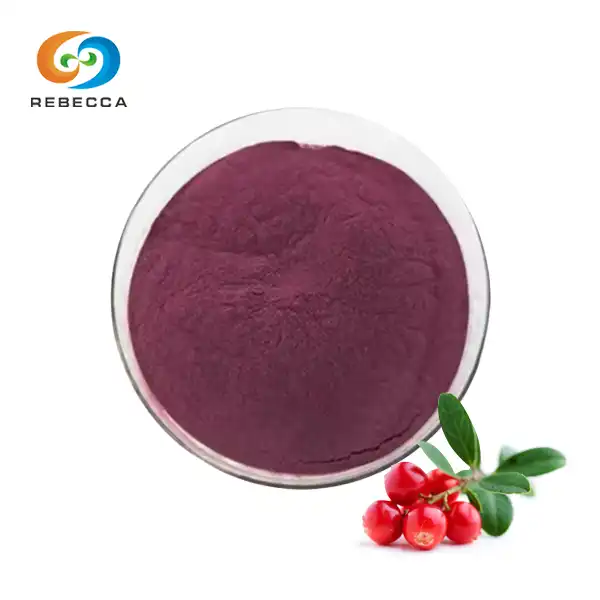
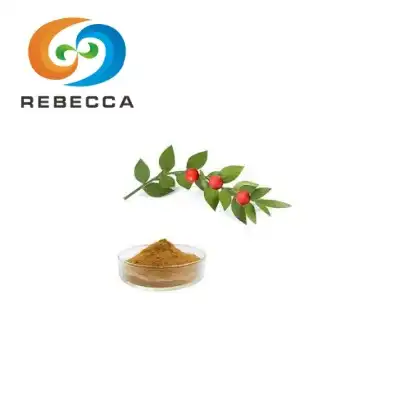
Lingonberry Extract Powder
Product name: Lingonberry Powder, Lingonberry Extract
Plant source: Vaccinium vitis-idaea L.
Detection method: UV
Product properties: purple powder
Use part: Fruit
Shelf life: 24 months
Buyer-Focused Snapshot of Two “Red Berry” Extracts
What buyers mean when they search “Lingonberry vs Cranberry extract.”
When buyers compare these extracts, they rarely compare the berries themselves. They compare standardized ingredients and the claims they can responsibly support. Buyers want “proanthocyanidins (PACs),” “OPC,” “anthocyanins,” “antioxidant powder,” “urinary tract health support,” “cosmetic antioxidant,” and “standardized extract.” That search pattern signals a practical goal. They want an ingredient that fits a clear positioning and passes QC.
Botanical identity matters more than marketing names
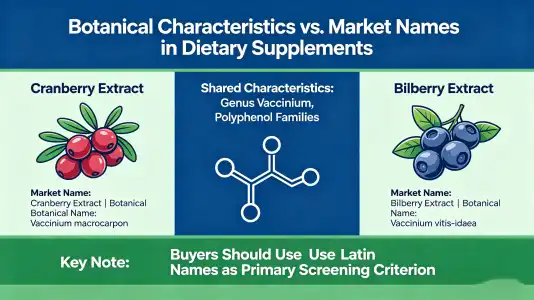
“Cranberry extract” usually refers to Vaccinium macrocarpon (American cranberry) in global supplement supply chains. “Lingonberry extract” refers to Vaccinium vitis-idaea. Both belong to the Vaccinium genus, so they share several polyphenol families. Yet their polyphenol profiles and typical standardizations can differ by supplier and process. Buyers should treat the Latin name as the first filter, not the last detail.
Extract vs powder vs juice powder
Many supply catalogs use “powder” as a broad term. In practice, a “berry powder” can mean milled whole fruit. A “juice powder” can mean spray-dried juice on a carrier. An “extract powder” often means a concentrated fraction standardized to a marker. That marker can be proanthocyanidins, OPC, or anthocyanins. This is why buyers see wide price spreads in the market. They are not always comparing the same ingredient type.
Extract Actives and Evidence—Where Lingonberry and Cranberry Diverge
OPC vs PACs: similar family, different procurement language
Procurement teams often see “OPC” and “PACs” listed like separate worlds. They are closely related in chemistry. “Proanthocyanidins (PACs)” is a broad class of condensed tannins. “OPC” usually refers to oligomeric proanthocyanidins, meaning shorter-chain forms. Shorter-chain fractions often behave differently in solubility and formulation. This also affects the test method a supplier uses and the number that appears on a COA. For cranberry, the industry frequently discusses PAC standardization, because PAC structure links to anti-adhesion research. For lingonberry, suppliers may standardize OPC, anthocyanins, or total polyphenols, depending on positioning.
A-type proanthocyanidins: why cranberry became the “anti-adhesion” benchmark
A key theme in cranberry research is bacterial anti-adhesion. Several studies connect cranberry PACs—especially structures with A-type interflavan bonds—to reduced adhesion of certain bacteria to urinary tract cells. Importantly, this mechanism is not the same as “killing bacteria.” One randomized controlled study on a PAC-A standardized cranberry extract reported reduced bacterial adhesion outcomes and noted no direct in vitro antibacterial activity. That distinction matters for responsible positioning.
Lingonberry polyphenols: strong antioxidant profile, with meaningful complexity
Lingonberry extract contains multiple phenolic groups, including anthocyanins, flavonols, phenolic acids, and proanthocyanidins. In one detailed characterization of lingonberry and European cranberry, researchers found that proanthocyanidins represented a large share of total phenolics. They also identified A-type dimers and trimers among the terminal units in proanthocyanidin fractions. That finding matters for buyers who want a lingonberry story that goes beyond “generic berry antioxidant.” Still, the final profile depends on raw material, extraction solvent, and fractionation choices.
Anthocyanins and color: why lingonberry often fits “beauty” and “premium red” concepts
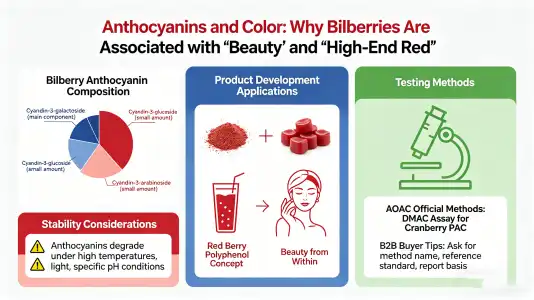
Lingonberry’s anthocyanin profile is often dominated by cyanidin glycosides. Reviews of authentic lingonberry profiles commonly list cyanidin-3-galactoside as the main anthocyanin, with smaller amounts of cyanidin-3-glucoside and cyanidin-3-arabinoside. For product developers, this can translate into a clean “red berry polyphenol” narrative. It can also support a sensory story in powdered drink mixes, gummies, or beauty-from-within concepts. Buyers should still confirm stability expectations, because anthocyanins can degrade under heat, light, and certain pH conditions.
Test methods
Cranberry PAC measurement has a known industry challenge. Different methods and standards can yield different PAC numbers. AOAC has published official methods for cranberry PAC testing, including a DMAC assay method for soluble proanthocyanidins in cranberry foods and dietary supplements. Researchers have also discussed accuracy and comparability issues when different standards are used in the DMAC assay. For B2B buyers, the practical lesson is direct. You should request the method name, reference standard, and reporting basis. Otherwise, “PAC %” becomes hard to compare across vendors.
How to Choose the Right Extract for Your Product Line?
Urinary Tract Wellness Support
Cranberry remains the category reference for urinary tract wellness positioning. Systematic reviews have reported that cranberry products can reduce repeat urinary tract issues in certain groups, compared with placebo or no treatment. Yet regulatory bodies have not always accepted specific branded claims. For example, EFSA evaluated a cranberry extract health-claim dossier and concluded that a cause-and-effect relationship was not established for that specific claim set. This split outcome is common in botanical sourcing. The ingredient can be well-known, while claim substantiation depends on the exact ingredient, method, and total evidence package. Buyers should treat cranberry as a “document-driven” ingredient, not a shortcut.
Antioxidant
Lingonberry often performs well as a premium polyphenol story, especially when you want a less common “Nordic berry” identity. Published work on lingonberry extracts includes detailed polyphenol characterization and antioxidant testing approaches. In applied research, lingonberry fruit extract has also been formulated into cosmetic cream prototypes, with measured phenolic and anthocyanin content and antioxidant capacity tests. This makes it easier for B2B teams to build a technical dossier for personal care concepts. The best sourcing approach is to align the marker with the story. Anthocyanin-focused products fit color and antioxidant narratives. OPC-focused products fit “proanthocyanidin-rich” narratives.
A practical comparison table for procurement teams
| Decision factor | Lingonberry extract positioning | Cranberry extract positioning |
|---|---|---|
| Common marker on COA | Often OPC, anthocyanins, or total polyphenols | Often PACs, including discussion of A-type PAC structures |
| Evidence themes buyers cite | Polyphenol richness, antioxidant characterization, formulation versatility | Anti-adhesion mechanism and repeat urinary tract wellness support literature |
| Testing sensitivity risk | Method alignment still matters, but marker choices vary widely | High sensitivity to method choice (DMAC details, standards, reporting basis) |
| “Why it is different” in a pitch deck | Less common berry, strong anthocyanin identity, premium sourcing narrative | Most recognized berry for urinary tract wellness positioning |
Lingonberry Powder Supplier: Rebecca Bio-Tech
In conclusion, if you need a reliable lingonberry extract powder ingredient for supplements, beverages, or cosmetic concepts, Rebecca Bio-Tech can support B2B development with clear specifications and scalable production. Our Product name is Lingonberry Fruit Extract, sourced from the fruit of Vaccinium vitis-idaea L.. It is a purple powder standardized to 25% OPC (Oligomeric Proanthocyanidins), tested by UV. We pack it in double PE bags (net 5 kg per bag), then in paper drums (net 25 kg per drum). We recommend storage in a cool, dry place, away from light and heat. The shelf life is 24 months. Shaanxi Rebeccia also supports long-term programs through plant-extract R&D, herbal active separation, and functional compound research. We run three production lines, cover over 100 plant extracts, and reach over 500 MTS annual capacity. For quotations, technical documents, and sampling steps, contact us at information@sxrebecca.com.
FAQs
Q1: Is lingonberry extract the same as cranberry extract?
A: No. They come from different Vaccinium species and can have different polyphenol profiles. Both contain proanthocyanidins and anthocyanins, but suppliers standardize them in different ways. The COA marker and the test method define what you are buying.
Q2: Why do PAC numbers vary so much across cranberry suppliers?
A: Methods and standards can change the reported value. The DMAC assay is widely used, and AOAC has an official method for soluble PACs in cranberry products. Researchers have also noted comparability limits when different standards are used. Always confirm the method, reference standard, and reporting basis before you compare quotes.
Q3: Does cranberry “work” because it kills bacteria?
A: The main research narrative focuses on anti-adhesion, not direct killing. A clinical study on a PAC-A standardized cranberry extract reported anti-adhesion related outcomes and noted no direct in vitro antibacterial activity. This difference helps teams position products in a more responsible way.
Q4: Which lingonberry compounds support an antioxidant story?
A: Lingonberry contains several polyphenol groups, including anthocyanins and proanthocyanidins. Reviews and analytical papers often identify cyanidin glycosides as key anthocyanins in lingonberry. Many studies then evaluate antioxidant capacity with established lab methods. Your supplier’s extraction process will influence the final profile.
Q5: Can I use lingonberry extract in cosmetics, not only supplements?
A: Yes, many formulators use berry extracts in personal care concepts. Applied research has even developed and characterized cosmetic creams containing lingonberry fruit extract, including phenolic and anthocyanin measurements. For B2B buyers, this supports dossier building and product-development discussions.
Q6: What is the safest way to source a berry extract for long-term supply?
A: Use a three-step control approach. First, lock the Latin name and use-part. Second, lock a meaningful marker and test method. Third, request batch trend data before scale-up. This process reduces surprises in color, taste, and active levels.
References
- Kylli P, et al. “Lingonberry and European cranberry proanthocyanidins: isolation, identification, and bioactivities.” (Polyphenol profile; A-type dimers/trimers described).
- Cochrane Database of Systematic Reviews (2023 update). “Cranberries for preventing urinary tract infections.” (Evidence summary; mechanism discussion around PAC).
- EFSA (2014). Scientific opinion on CranMax® health claim related to bacterial adhesion in the urinary tract.
- AOAC Official Method 2019.06 (published compilation). DMAC assay for soluble proanthocyanidins in cranberry foods and dietary supplements.
- Prior RL, et al. Journal of Agricultural and Food Chemistry. Discussion of DMAC assay standards and comparability limits.