What is shilajit extract good for?
Shilajit extract is a natural mineral rich material that has been historically utilised in ayurvedic therapy. Modern research has started to study its beneficial ingredients, including fulvic acid and trace minerals. These are molecules related to energy metabolism, cognitive support, and general cellular health. However, the evidence is of varying quality and most conclusions should be regarded as tentative rather than definitive.
This article provides a systematic review of possible advantages of shilajit extract: what the scientific literature says, where evidence is developing and where caution is warranted.
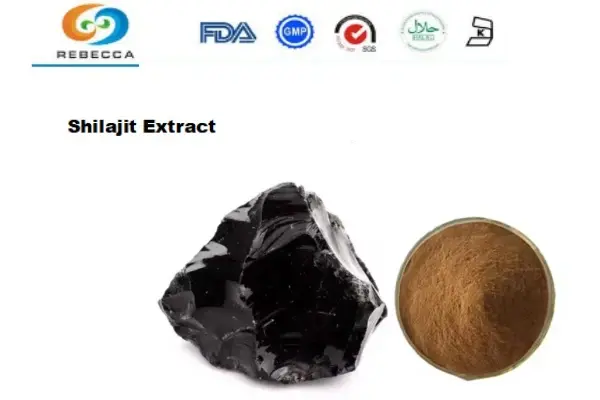
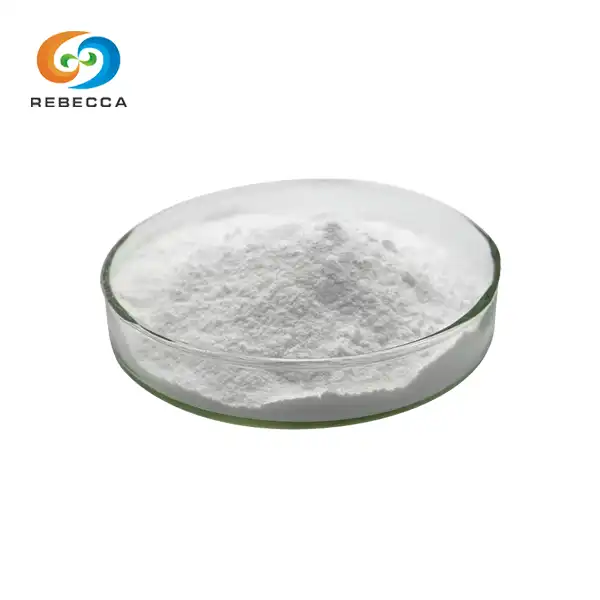
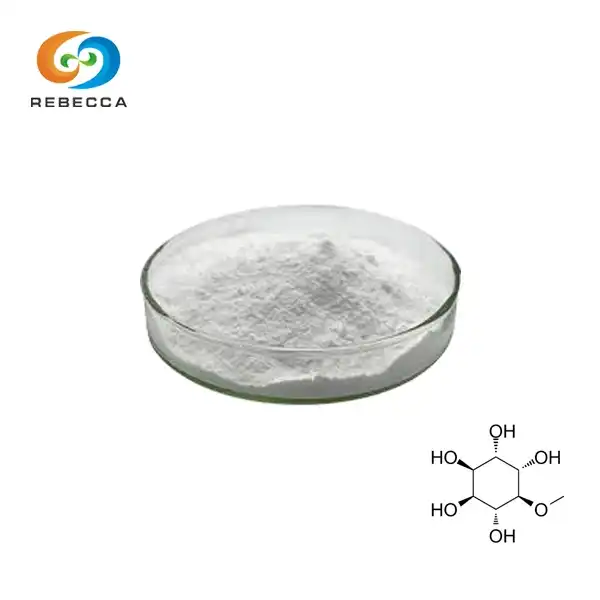
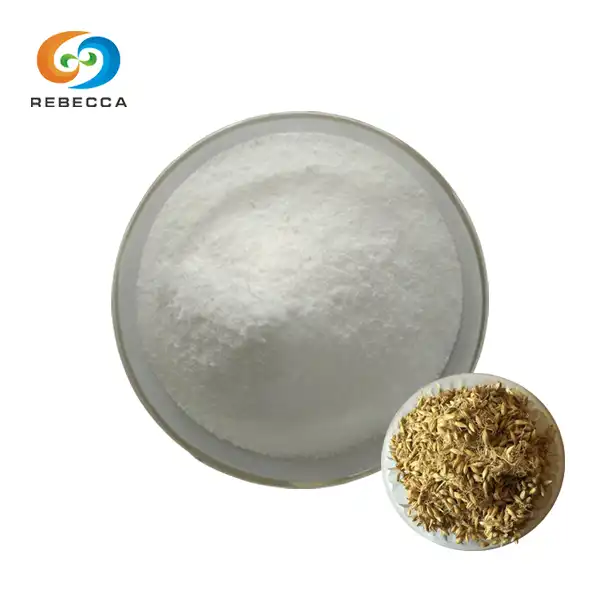
【English name】: Shilajit Extract
【Latin Name】: SHILAJIT Asphaltum (Shilajit)
【CAS No.】: 479-66-3
【Active ingredients】: fulvic acid
【Specification】: fulvic acid 50%
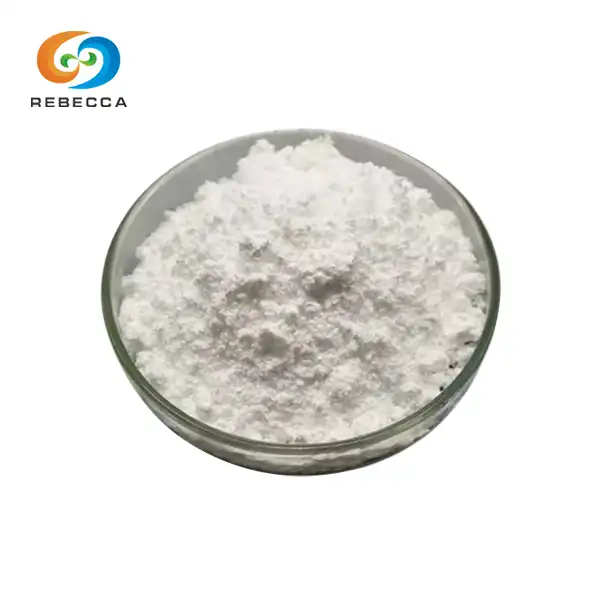
【Appearance】: Yellow brown Fine Powder
【Mesh size】:80 Mesh
【Test Method】: HPLC
Energy Metabolism and Physical Vitality
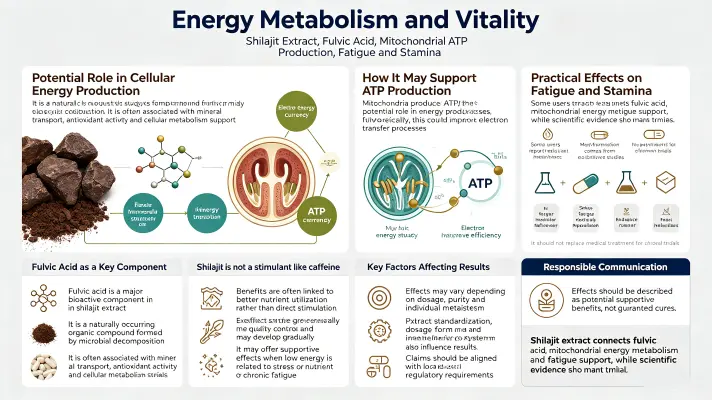
One of the most discussed uses of shilajit extract is its role in energy production. This effect is mainly attributed to fulvic acid and its interaction with cellular mitochondria.
How it may support ATP production?
The mitochondria are responsible for manufacturing ATP, the body’s energy currency. Early research suggests that fulvic acid may help in electron transport. This may, in principle, enhance energy efficiency in the cell. Most of the available information comes from laboratory or small human research. It should be noted that these effects have not yet been completely confirmed in big clinical studies. * Results may vary according on dose, purity and individual metabolism.
Practical implications for fatigue and endurance
Some users have reported less weariness and increased stamina. These benefits are frequently attributed to improved nutrition utilisation rather than direct stimulation. Shilajit is not a stimulant like caffiene. Its activity is metabolic and slow.
If low-energy is caused by stress, or deficits of key nutrients, then shilajit may provide some supporting effects. However, it should not be used in lieu of medical therapy for chronic tiredness issues.
Cognitive Function and Neuroprotective Potential
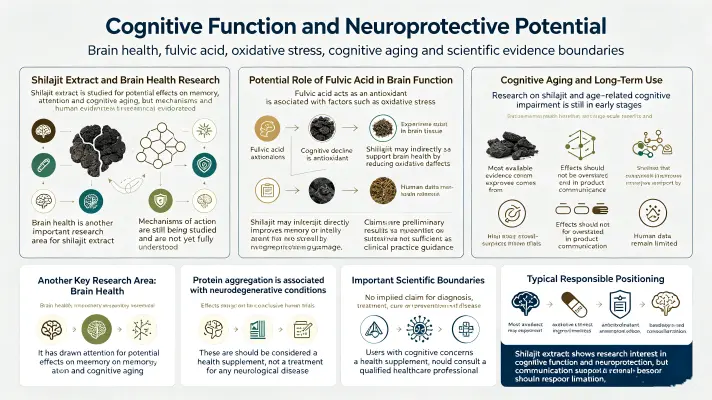
Another key area of interest is brain health. Shilajit extract has been studied for its potential effects on memory, focus, and cognitive aging. The mechanisms are still under investigation.
Possible role of fulvic acid in brain function
Fulvic acid is an anti-oxidant. Cognitive deterioration is associated with factors like oxidative stress. Shilajit may also indirectly promote brain health by decreasing oxidative damage. Some experimental investigations reveal potential neuroprotective effect, however in humans data is lacking. Claims that shilajit directly increases memory or intellect are not firmly supported by evidence from large-scale clinical research.
Cognitive aging and long-term use
Research on shilajit and age-related cognitive impairment is in its early stages. Some substances may help prevent protein aggregation in brain tissue, which is linked to neurodegenerative diseases. However, they are preliminary results and not enough for clinical practice guidance as yet. Shilajit should thus be treated as a supplement for health and wellbeing and not as a therapy for any neurological ailment.
Immune Support and Cellular Protection
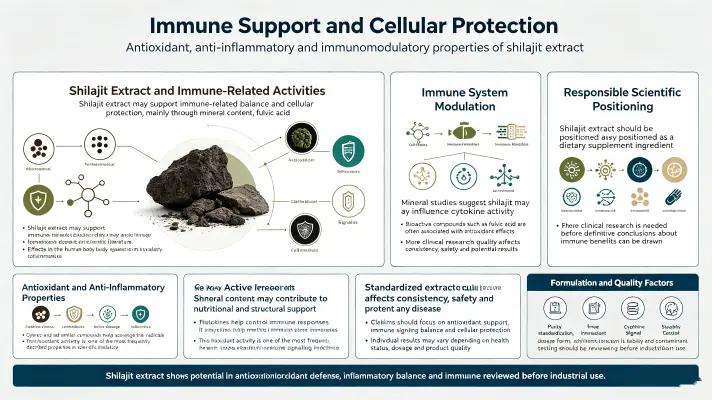
Shilajit extract is also associated with immune modulation and antioxidant activity. These effects are linked primarily to its mineral content and bioactive compounds.
Antioxidant and anti-inflammatory properties
Oxidative stress may lead to cell damage and inflammation. Fulvic acid and similar substances may be able to quench free radicals. This antioxidant activity is one of the most frequently described features in the scientific literature. But how much this impact is seen in people is very dependent on quality of formulation and regularity of dosing.
Immune system modulation
Some research indicates that shilajit could change the activity of cytokines, which help control the immunological response. This doesn’t imply it “boosts” immunity in a straightforward sense. It may instead contribute to immunological signalling homeostasis. “More clinical research is needed before strong conclusions can be drawn on immune benefits.
Hormonal Balance, Recovery, and Healthy Aging
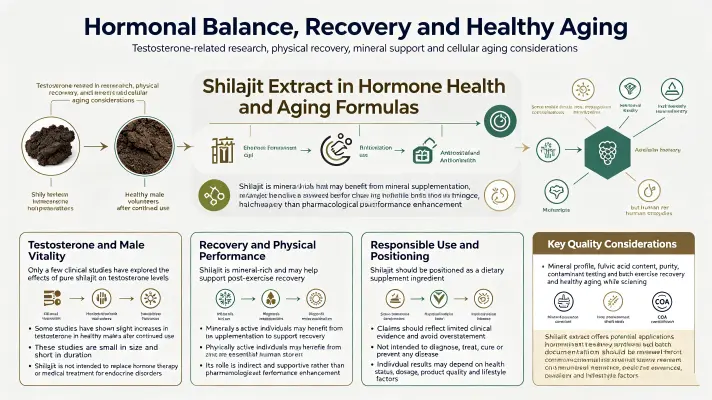
Beyond energy and immunity, shilajit is often used in formulations targeting hormonal health and aging support. This area has some human research but remains limited in scope.
Testosterone and male vitality
There are just a few clinical research that have looked at the impact of pure shilajit on testosterone levels. Some studies have shown small gains in healthy male volunteers following continuous treatment. But these investigations are small and of short duration. Shilajit is not intended to substitute hormone therapy or medical treatment of endocrine diseases.
Recovery and physical resilience
Shilajit may help with post-workout recuperation because of its mineral content. Minerals such as iron, magnesium and zinc are important for metabolic functions. Physically active persons may benefit from enhanced mineral availability for recuperation. The impact is thus indirect and supporting rather than performance boosting in any pharmacological sense.
Aging and cellular health
Some studies believe shilajit may help promote healthy ageing via antioxidant pathways and mitochondrial assistance. These processes are physiologically conceivable but not consistently shown in long-term human investigations. Rather than a solitary anti-aging remedy, it should be seen as part of a larger lifestyle strategy.
Conclusion
Shilajit extract is a complex natural product with several bioactive constituents. Research now indicates possible advantages for energy metabolism, cognitive support, immunological balance and hormonal health. But most of the data is still preliminary and should be taken with a grain of salt.
The secret is that it’s multi-targeted. Instead of working on one route, it works on numerous cellular systems at a low and supportive level.
If you’re a consumer, think of shilajit as a supplement for general wellbeing, not as a medical therapy. Quality control, standardisation and realistic claims are crucial for developers and formulators to assure safety and credibility.
FAQ
How long does it take to observe benefits from shilajit extract?
Clinical studies suggest that noticeable improvements in energy and cognitive function may appear within two to four weeks of consistent use at recommended dosages. Timing varies based on individual metabolism, dosage, and formulation. Product developers should communicate realistic timelines to consumers, supported by clinical data and transparent labeling.
Are there known interactions with medications?
Shilajit extract may interact with medications affecting blood sugar, blood pressure, or hormone levels. B2B clients should recommend that consumers consult healthcare professionals before use, particularly those on prescription therapies. Providing clear warnings and interaction information enhances product safety and brand credibility.
How can I verify supplier authenticity and product purity?
Request third-party certificates of analysis, including HPLC testing for fulvic acid content, heavy metal screening, microbial testing, and pesticide residue analysis. Conduct supplier audits, review regulatory compliance records, and seek customer references. Transparent suppliers willingly share traceability documentation and production process details, ensuring confidence in sourcing decisions.
Partner with Rebecca for Premium Shilajit Extract Supply
Rebecca specializes in delivering high-purity shilajit extract with 50% standardized fulvic acid, backed by GMP, ISO 22000, and HACCP certifications. Our production capacity exceeds 500 metric tons annually across three professional lines, ensuring scalable supply for global B2B clients. Whether you require customized formulations, flexible MOQ, or technical consultation, our R&D team provides tailored solutions that meet pharmaceutical, nutraceutical, beverage, and cosmetic industry standards.
We offer streamlined inquiry and sample request processes, enabling rapid evaluation and formulation development. Our products comply with FDA and EFSA guidelines, supported by comprehensive documentation including DMF files, batch consistency reports, and safety test data. As a trusted shilajit extract supplier, we guarantee traceability from raw material sourcing in authenticated high-altitude regions to finished product delivery under cool, dry, and light-protected conditions.
contact us at information@sxrebecca.com or visit sxrebecca.com to explore how Rebecca's shilajit extract can elevate your product portfolio and meet your procurement objectives with confidence.
References
1. Carrasco-Gallardo, C., Guzmán, L., & Maccioni, R. B. (2012). Shilajit: A Natural Phytocomplex with Potential Procognitive Activity. International Journal of Alzheimer's Disease, 2012, Article ID 674142.
2. Pandit, S., Biswas, S., Jana, U., De, R. K., Mukhopadhyay, S. C., & Biswas, T. K. (2016). Clinical Evaluation of Purified Shilajit on Testosterone Levels in Healthy Volunteers. Andrologia, 48(5), 570-575.
3. Agarwal, S. P., Khanna, R., Karmarkar, R., Anwer, M. K., & Khar, R. K. (2007). Shilajit: A Review. Phytotherapy Research, 21(5), 401-405.
4. Stohs, S. J. (2014). Safety and Efficacy of Shilajit (Mumie, Moomiyo). Phytotherapy Research, 28(4), 475-479.
5. Goel, R. K., Banerjee, R. S., & Acharya, S. B. (1990). Antiulcerogenic and Antiinflammatory Studies with Shilajit. Journal of Ethnopharmacology, 29(1), 95-103.
6. Wilson, E., Rajamanickam, G. V., Dubey, G. P., Klose, P., Musial, F., Saha, F. J., Rampp, T., Michalsen, A., & Dobos, G. J. (2011). Review on Shilajit Used in Traditional Indian Medicine. Journal of Ethnopharmacology, 136(1), 1-9.